How to Measure a Dog for a Crate: Ultimate Guide
You want the best for your furry friend, and that includes ensuring their comfort and safety. Choosing the right crate is essential, but it all starts with knowing how to measure your dog properly.
Imagine the peace of mind knowing your dog is snug, secure, and happy in their crate. By following some simple steps, you can make this happen. You’ll discover how easy it is to measure your dog for a crate that fits perfectly.
With clear instructions and practical tips, you’ll feel confident in making a choice that supports your dog’s well-being. Ready to give your dog the comfort they deserve? Let’s dive into the easy guide for measuring your dog for a crate.
Choosing The Right Crate Size
Choosing the right crate size ensures your dog’s comfort and safety. Measure your dog’s length from nose to tail base and add a few inches. Consider height by measuring from the floor to the top of their head while sitting.
This helps in finding a suitable crate.
Choosing the right crate size for your dog is crucial for their comfort and safety. A crate that’s too small can make your furry friend feel cramped, while one that’s too large might not provide the sense of security they need. Understanding how to measure your dog accurately ensures you select a crate that fits just right, making it a cozy retreat rather than a confining space.Importance Of Correct Crate Size
Picking the correct crate size is essential for your dog’s well-being. A well-sized crate offers a safe haven, allowing your dog to stand, turn around, and lie down comfortably. Imagine if your bed was too short or too narrow—it’s the same discomfort your dog feels in an ill-fitting crate. An appropriately sized crate also aids in training, as dogs naturally avoid soiling their sleeping area. If the crate is too big, they might use one end as a bathroom, hindering housebreaking efforts. Always aim for a size that balances comfort with practicality.Common Mistakes In Sizing
Many pet owners make the mistake of choosing a crate based on the dog’s current size, forgetting that puppies grow quickly. Anticipate growth if you’re buying for a puppy, or consider adjustable crates that expand as they do. Another frequent error is ignoring the dog’s unique shape and breed characteristics. A Greyhound and a Bulldog of the same weight need different crates due to their body shapes. Always measure your dog’s length from nose to tail and height from floor to the top of the head when standing to get the most accurate size. Finally, don’t rely solely on weight-based size recommendations, as they can be misleading. Always trust your measurements over generic size charts to ensure the best fit for your pet.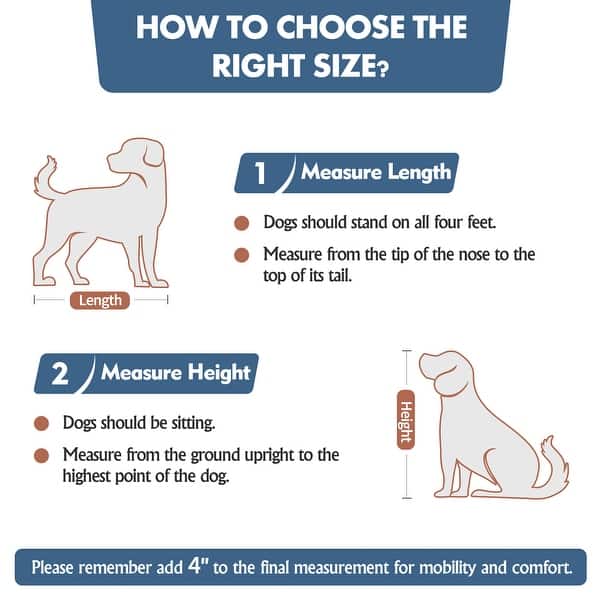
Credit: www.bedbathandbeyond.com
Essential Tools For Measurement
Measuring a dog for a crate requires key tools like a tape measure. Ensure your dog stands naturally and measure from the tip of the nose to the base of the tail for length. For height, measure from the ground to the top of the head.
Accurate measurements ensure comfort and safety.
Measuring your dog for a crate is more than just a quick task; it’s an essential step to ensure your furry friend’s comfort and safety. As with any precise task, having the right tools can make all the difference. When you’re equipped with the right measurement tools, you’re more likely to find the perfect crate fit for your pet. Let’s delve into two essential tools that will help you measure your dog accurately.Measurement Tape
A measurement tape is your best friend when it comes to gauging your dog’s dimensions. It’s flexible, easy to use, and readily available in most households. Start by measuring the length of your dog from the tip of the nose to the base of the tail. This will give you a basic idea of the crate length needed. Next, measure the height from the ground to the top of the head or ears, whichever is taller, to ensure the crate allows your dog to stand comfortably. Finally, note the width across the widest part of your dog’s body. This ensures your dog can turn around easily inside the crate. A measurement tape helps you get precise numbers, saving you from the hassle of returning a crate that doesn’t fit.Using A Template
If measurement tapes seem cumbersome or if your dog is particularly wiggly, consider using a template. This method is especially useful for visualizing the space your pet needs. Create a simple template using cardboard or a large piece of paper. Trace your dog’s body while they are standing, ensuring you capture their full length and height. Cut out the shape and use this template to compare with crate dimensions in stores or online. This approach offers a hands-on way to assess fit and can be a fun activity if you involve family members in the process. Using a template might take a bit more effort upfront, but it can give you peace of mind knowing that the crate you choose will accommodate your pet comfortably.Step-by-step Measurement Process
Measuring your dog for a crate might seem daunting, but breaking it down into simple steps makes the task much easier. Getting the right crate size is crucial for your dog’s comfort and safety. A crate that’s too small can be uncomfortable, while one that’s too large may not provide the sense of security your dog needs. Let’s dive into the step-by-step process to ensure you pick the perfect fit.
Measuring Height
Start by measuring your dog’s height to ensure they can sit and stand comfortably in their crate. Use a tape measure from the floor to the top of your dog’s head or the tips of their ears, whichever is taller. If your dog has a naturally upright posture, like a Greyhound, consider measuring them while they’re standing.
Once you have the height, add about 2-4 inches to this measurement. This extra space allows your dog to move around without restriction. Think about how uncomfortable you’d feel if you couldn’t fully stand up in a space meant for you.
Measuring Length
Next, measure your dog’s length from the tip of their nose to the base of their tail. This will help ensure they have enough room to lie down comfortably. Keep in mind, dogs stretch out when they sleep, so accurate length is vital.
Add about 4-6 inches to this length measurement. This added space allows your dog to move freely and adjust their position. Remember, a little extra room can make a big difference in their comfort.
Measuring Width
Finally, measure your dog’s width, which is less commonly considered but just as important. Measure the broadest part of your dog’s body, usually their shoulders or hips. This ensures they have enough space to turn around comfortably in the crate.
Include an additional 2-4 inches to this width measurement. This buffer space prevents your dog from feeling cramped. Ask yourself, how would you feel if you couldn’t shift your position in a confined space?
By following these steps, you’re not just buying a crate; you’re creating a safe haven for your furry friend. Remember, each dog is unique, and their crate should reflect their individual needs. Happy measuring!

Credit: www.amazon.com
Additional Considerations
Consider your dog’s comfort and safety when choosing a crate. Allow enough space for stretching and turning around. Measure width, length, and height accurately for the best fit.
When measuring your dog for a crate, it’s important to consider more than just size. A perfect fit isn’t only about dimensions; additional factors can significantly influence your choice. Understanding these considerations will ensure your furry friend is not only comfortable but also secure.Age And Growth Factor
If you have a puppy, remember they’re still growing. A crate that fits today might be too small in a few months. Consider investing in an adjustable crate with dividers that can expand as your dog grows. Think about how fast your puppy is growing. Some breeds experience rapid growth spurts, which can quickly outgrow their crate. Regularly check if your pup still fits comfortably as they mature. For adult dogs, measure their current size and allow for minor weight fluctuations. Dogs, like humans, can gain or lose a bit of weight, which could affect crate comfort.Breed-specific Needs
Different breeds have unique requirements. For instance, Greyhounds may require longer crates due to their elongated bodies, while Bulldogs might need extra width due to their broad chest. Research your breed’s typical size and behavior. Some dogs feel more secure in smaller, cozier spaces, while others need room to stretch out. Consider the dog’s energy level. High-energy breeds might appreciate a little extra space to move around, even inside their crate. Have you thought about how your dog’s breed might affect their crate preference? Tailoring the crate to their natural tendencies can make a world of difference in their comfort and happiness.Tips For Ensuring Comfort
Ensuring your dog feels comfortable in its crate is essential. A cozy space helps them feel secure and relaxed. Proper measurements and thoughtful choices can make a big difference in their comfort.
Choosing The Right Bedding
Selecting the right bedding is crucial for your dog’s comfort. Choose soft, washable materials that fit the crate well. Avoid bulky bedding that can cause discomfort or limit space. Consider temperature; cooler climates may need thicker bedding.
Ventilation And Safety Features
Ensure the crate has proper ventilation. Good airflow prevents overheating and keeps your dog comfortable. Check for safety features like secure latches and smooth edges. These prevent injuries and ensure a safe environment for your pet.
Troubleshooting Common Issues
Ensuring a perfect fit for your dog’s crate involves measuring height, length, and width accurately. Use a tape measure to gauge your dog’s size, focusing on their standing height and length from nose to tail. This ensures comfort and safety in their new space.
Troubleshooting common issues when measuring a dog for a crate can be a bit challenging, especially if your dog is less than enthusiastic about the whole process. You might find yourself wondering if you’re doing it right or if there’s an easier way. The good news is, with a little patience and some practical strategies, you can overcome these hurdles.Adjusting For Small Spaces
Living in a small apartment? You might think finding the right crate is impossible. However, it’s all about maximizing the available space. Consider a corner crate that fits snugly into unused nooks. These are great for saving space while still providing comfort for your dog. Another option is a multi-functional crate. Some crates double as furniture, like a side table, so you can save space without sacrificing style. Measure your space carefully and look for crates that match those dimensions. This ensures a good fit without crowding your living area.Handling Resistance To Crate
Is your dog refusing to enter the crate despite your best efforts? Resistance is common but can be managed with a few tricks. Start by making the crate inviting. Add a soft blanket or a favorite toy to create a welcoming atmosphere. Try using treats as an incentive. Place a treat inside the crate, encouraging your dog to step in and explore. Gradually increase the time your dog spends in the crate. Start with short intervals, and slowly build up as your dog becomes more comfortable. Remember, patience is key. Each dog adjusts at their own pace, so stay calm and positive during the process. Have you faced any of these challenges with your dog? Share your experiences and what worked for you in the comments below!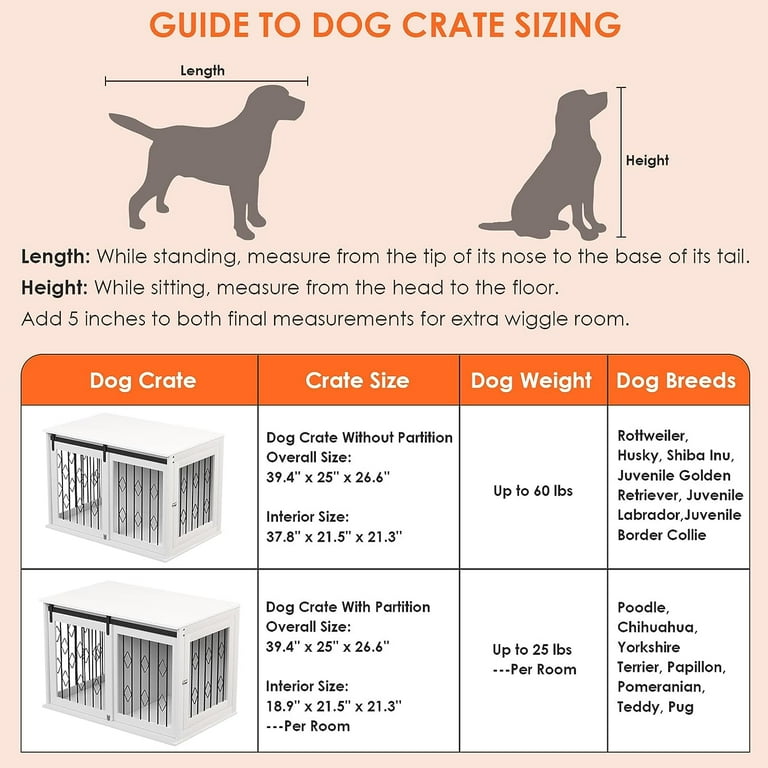
Credit: www.walmart.com
Frequently Asked Questions
How Do I Choose The Right Crate Size?
Selecting the correct crate size is crucial for your dog’s comfort. Measure your dog’s length from nose to tail and height from floor to top of head. Add a few inches to each measurement to ensure ample space for movement and stretching inside the crate.
What Tools Do I Need For Measuring A Dog?
You need a tape measure or a ruler to measure your dog accurately. For precise measurements, have your dog stand still in a natural position. Ensure the tape measure is flat and not twisted for accurate readings.
Why Is Measuring A Dog Important For Crate Selection?
Measuring ensures your dog has enough space to move comfortably in the crate. A cramped crate can lead to stress and discomfort. Proper measurements help prevent purchasing the wrong size, saving time and money in crate selection.
Can A Dog Crate Be Too Big?
While a larger crate offers more space, too much room can lead to safety issues. A very large crate might cause your dog to feel insecure. For security and comfort, ensure the crate is just big enough for your dog to stand, turn, and lie down.
Conclusion
Choosing the right crate size ensures your dog’s comfort and safety. Always measure your dog accurately before purchasing a crate. This helps avoid future issues like discomfort or injury. Remember, a correctly sized crate makes your dog feel secure. It’s important for their well-being and happiness.
Use a measuring tape for precise dimensions. Height, length, and width matter. Check your measurements twice for accuracy. Crate training becomes easier with a suitable crate. Your dog will appreciate the cozy space. Happy dogs make happy owners. A little effort now saves trouble later.
Enjoy a peaceful, stress-free environment with your furry friend.