How to Adopt a Retired K9 Dog: Insider Secrets
Imagine welcoming a hero into your home—a loyal companion who has served with dedication and now deserves a loving family for retirement. Adopting a retired K9 dog is not just about gaining a pet; it’s about embracing a unique bond with a dog that has a wealth of experience and devotion.
These dogs have spent years protecting and serving communities, and they have a lot to offer you. They can bring unparalleled loyalty, protection, and companionship into your life. But how can you make this special adoption happen? What steps should you take to ensure a smooth transition?
You might be wondering about their needs, their personalities, and how they adjust to civilian life. This article will guide you through each step, answering your questions and helping you understand the rewarding process of adopting a retired K9 dog. Get ready to learn how you can provide a loving home to one of these extraordinary dogs, and discover the joy they can bring into your life.
Preparing For Adoption
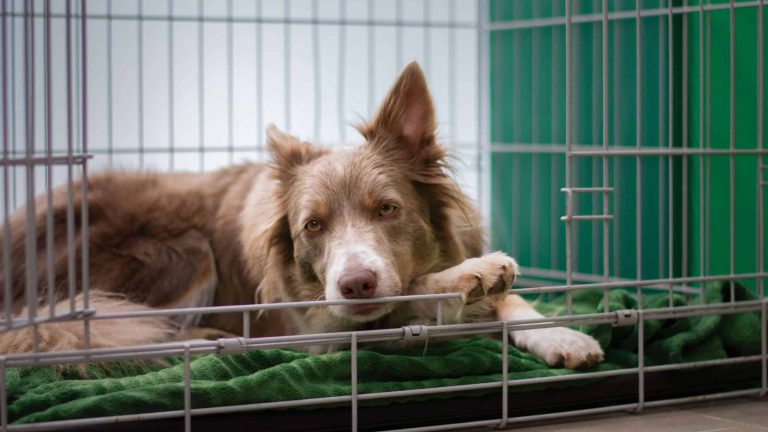
Adopting a retired K9 dog is a rewarding experience. These dogs are loyal and disciplined. They have served in various roles, helping in law enforcement and security. Before you bring a retired K9 home, preparation is key. This ensures the dog transitions smoothly into civilian life.
Understanding K9 Dog Background
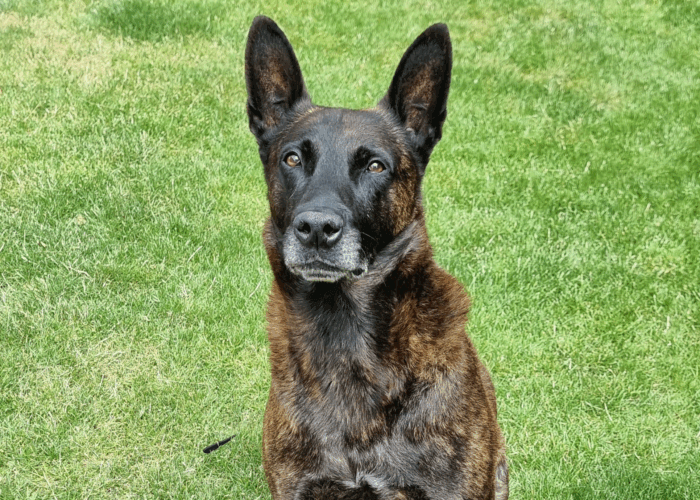
K9 dogs undergo rigorous training. They learn to detect substances, track people, and perform other tasks. Their work life can be demanding. Once retired, they need a calm environment. It’s important to know their past duties. Some may have faced high-pressure situations. Understanding this helps you cater to their needs.
These dogs might have been part of police forces or military teams. They can be sensitive to loud noises or sudden movements. Knowing their background helps you in handling them better. Speak with the organization or handler. They can provide valuable insights about the dog’s past.
Evaluating Your Lifestyle
Consider your daily routine. K9 dogs need regular exercise and mental stimulation. Ensure you have time to meet their needs. They thrive in active households. If you enjoy walks or hikes, a K9 dog can be a great companion.
Think about your living space. Retired K9s need room to move around. A yard can be beneficial. If you live in a small apartment, frequent trips outside are necessary. Assess the compatibility of the dog with any other pets. Some K9s may have strong instincts due to their training.
Examine your family dynamics. K9 dogs can be great with children. Yet, they might require time to adjust. Ensure everyone in the household is ready for the commitment. A retired K9 needs love, patience, and understanding.
Credit: www.thinbluepaw.org.uk
Finding The Right K9 Dog
Adopting a retired K9 dog involves research and understanding their needs. Visit local shelters or K9 units to find available dogs. Consider the dog’s health, temperament, and compatibility with your lifestyle.
Finding the right K9 dog can be an exciting journey. Retired K9 dogs are loyal, well-trained, and ready to be part of your family. Selecting the perfect match requires effort and dedication. Follow these steps to ensure a smooth adoption process.Contacting K9 Adoption Agencies
Start by reaching out to specialized K9 adoption agencies. They have information about retired dogs available for adoption. Agencies can guide you through the adoption process. They ensure each dog matches the adopter’s lifestyle. You can ask questions about the dog’s history and temperament. Agencies often provide details on health and training. This helps you make an informed decision.Researching Available Dogs
Once you contact agencies, research the available dogs. Check each dog’s profile thoroughly. Look at the dog’s age, breed, and past service. Consider the dog’s personality and energy level. Think about how the dog fits into your home and routine. Some dogs may need special care or a specific environment. Reading reviews from previous adopters can be helpful. This research will lead you to the perfect K9 companion.Meeting Potential K9 Dogs
Adopting a retired K9 dog involves meeting potential canine partners. Visit specialized adoption centers to learn about their traits and needs. Speak with trainers to understand the dog’s background and training requirements.
Meeting Potential K9 Dogs Adopting a retired K9 dog is a special experience. They are loyal, trained, and have served their communities with dedication. Before welcoming one into your home, meeting potential K9 dogs is a crucial step. Getting to know these dogs firsthand can reveal their unique personalities. It’s important to ensure that you and the dog will be a good match.Assessing Compatibility
Compatibility is key when adopting a K9 dog. Consider your lifestyle and how a dog fits into it. Do you have time for daily walks and playtime? Think about your living situation. Do you have a yard where the dog can roam, or access to parks nearby? K9 dogs often need mental stimulation due to their training. Are you ready to engage them with puzzles and tasks to keep their minds sharp?Understanding Behavior And Needs
K9 dogs have distinct behaviors due to their training. They might be more alert or reactive than regular pets. Understanding these traits is vital for a harmonious relationship. They may have specific needs, such as a particular diet or exercise routine. Are you prepared to maintain these requirements? Consider their past experiences. Some K9 dogs might have faced high-stress situations. How can you provide a calm, loving environment? Meeting potential K9 dogs is the first step in a rewarding journey. Are you ready to make a lifelong friend?Home Preparation
Preparing your home for a retired K9 dog involves creating a comfortable and safe environment. Provide a cozy bed, accessible water, and secure outdoor spaces. Familiarize your new companion with family members and routines to ease their transition.
Preparing your home for a retired K9 dog is an exciting yet crucial step in ensuring their smooth transition into civilian life. These dogs have served with dedication and deserve a warm, safe, and loving environment. As you prepare, consider the specific needs and habits of your new canine companion.Creating A Safe Environment
Start by assessing your home from a dog’s perspective. Ensure all potential hazards are out of reach, such as electrical cords, small objects, or toxic plants. Think about any areas your dog might explore and secure them. Install baby gates to restrict access to certain rooms or staircases. This helps them navigate their new surroundings without overwhelming them. Consider your yard, if you have one. Is the fence secure? K9 dogs are agile and may attempt to escape if they feel anxious or curious.Gathering Essential Supplies
Having the right supplies ready can make the transition smoother for both you and your dog. Start with a comfortable bed that suits their size and sleeping habits. Food and water bowls are essential. Opt for stainless steel as they’re easy to clean and durable. Ask the shelter or agency about their preferred food to avoid digestive issues. Don’t forget toys! Retired K9s are active and enjoy mental stimulation. Choose toys that are durable and safe for chewing. A sturdy leash and collar with an ID tag are also necessary. Remember, they are trained for specific tasks, so reinforcing their identity in a civilian setting is vital. By thoughtfully preparing your home, you’re not just welcoming a pet, but honoring a hero who has served with loyalty and courage. What better way to start this new chapter together?Training And Socialization
Training and socialization are key when adopting a retired K9 dog. These dogs need patience and understanding to adjust to a new environment. Engage them in regular activities and positive reinforcement to help them transition smoothly.
Training and socializing a retired K9 dog requires patience and understanding. These dogs are highly trained, but they need guidance to adapt to a new life. Establish a routine that includes basic commands and socialization activities. This helps them feel secure and integrate into their new environment smoothly. Consistency is key in helping them adjust and thrive.Building Trust With Your New Dog
Trust is the foundation of your relationship with your new dog. Spend quality time together daily to build this trust. Use positive reinforcement like treats and praise during training sessions. Keep your tone gentle and encouraging. Avoid sudden movements or loud noises that may scare your dog. Gradually introduce them to new experiences. This helps them feel safe and confident.Introducing To Family And Other Pets
Introducing your K9 to family and pets should be gradual. Start with short, supervised meetings in a neutral area. Allow them to sniff and observe each other without pressure. Keep a calm and positive atmosphere during introductions. Ensure all pets have their own space to retreat if needed. Watch for signs of stress and separate if tensions rise. Consistency and patience help them bond over time.Health And Wellness
Adopting a retired K9 dog is a rewarding experience. These dogs have served with dedication and deserve a caring home. Ensuring their health and wellness is crucial for their happiness. Focusing on their physical needs will help them adjust smoothly to their new life.
Regular Veterinary Checkups
Retired K9 dogs need consistent health monitoring. Schedule regular vet visits to track their health. Early detection of issues can prevent complications. Discuss vaccinations and preventive care with your vet. This keeps your dog protected from diseases.
Nutrition And Exercise
Provide a balanced diet to maintain their energy levels. Consult your vet for dietary needs specific to your dog’s breed and age. Proper nutrition supports their active lifestyle.
Exercise keeps a retired K9 fit and healthy. Create a routine that includes walks and playtime. Consider their physical limitations and adjust activities accordingly. Exercise also improves their mood and behavior.
Legal Considerations
Adopting a retired K9 dog can be a rewarding experience. These loyal companions often need a loving home after years of service. Before you bring one home, understanding legal considerations is crucial. You must know what the adoption process involves legally. This ensures a smooth transition for both you and your new furry friend.
Understanding Adoption Contracts
Adoption contracts protect both parties involved. These agreements outline responsibilities and expectations. They may include health care provisions and behavioral assessments. Read the contract carefully. It might specify care standards for the dog. Some contracts require regular vet visits or specific diets. Ensure you understand every clause before signing.
Complying With Local Laws
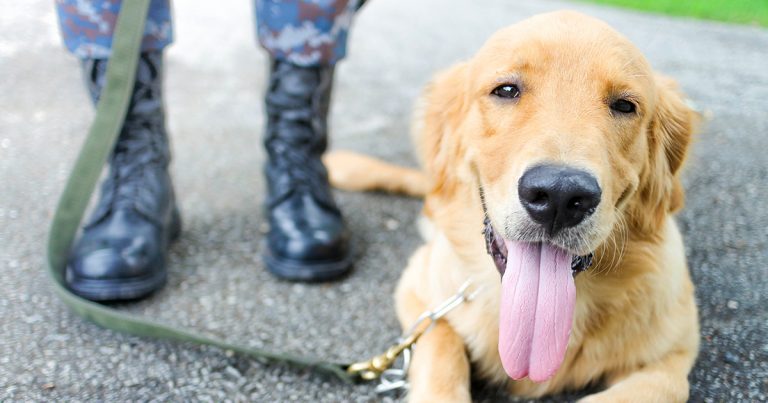
Different regions have unique laws for adopting animals. You must know what these laws require. Some areas may have strict regulations about pet ownership. Licensing requirements might be mandatory. Some may need a special permit for K9 dogs. Check with local authorities or animal shelters. They can offer guidance on compliance.
Credit: www.diamondpet.com
Support And Resources
Discover the best support and resources available for adopting a retired K9 dog. Learn about the adoption process, training tips, and organizations that can help you provide a loving home for these loyal companions.
Adopting a retired K9 dog is a rewarding experience, but it comes with a unique set of challenges. To ensure a smooth transition, it’s essential to tap into the support and resources available. These invaluable tools can make the adoption process easier and help you provide the best care for your new furry companion.Connecting With K9 Dog Communities
Building relationships with K9 dog communities can offer you a wealth of knowledge and support. These communities often consist of other adopters, trainers, and enthusiasts who share experiences and tips. Joining online forums or social media groups dedicated to retired K9 dogs can be particularly beneficial. You’ll find discussions about behavior patterns, health issues, and training techniques that are specific to K9s. Attending local events or meetups for K9 dogs can also provide face-to-face interactions with fellow adopters, allowing you to exchange advice and stories. These connections can be a lifeline when you face challenges or simply need encouragement.Accessing Training And Support Services
Training a retired K9 may require specialized approaches tailored to their previous work environment. Accessing professional training services can be crucial in helping your dog adapt to civilian life. Look for trainers who have experience with K9 dogs. They can offer insights into behaviors such as heightened alertness or the need for structured environments. Local animal shelters or rescue organizations may offer workshops or classes aimed at K9 adopters. These can include obedience training, socialization tips, and personalized guidance. Consider consulting a veterinarian who understands the specific health needs of retired K9s. Regular check-ups and monitoring can prevent potential issues and ensure your dog stays healthy and happy. What steps will you take to ensure your K9 dog receives the best support possible? Engage with resources that meet your dog’s unique needs and build a network that empowers your journey together.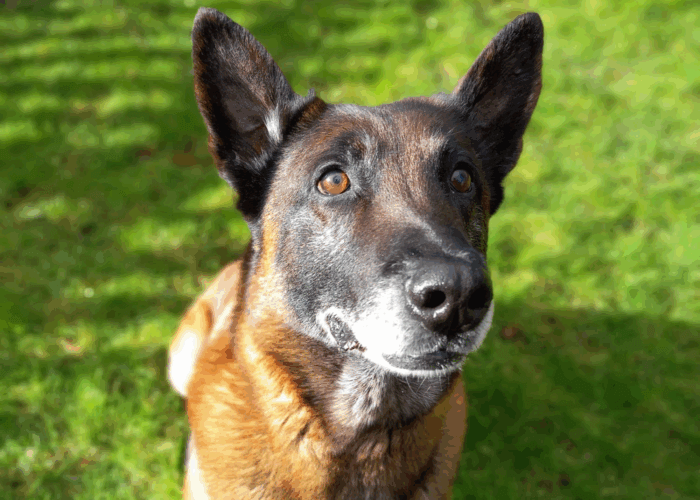
Credit: www.thinbluepaw.org.uk
Frequently Asked Questions
How To Start Adopting A Retired K9 Dog?
Begin by contacting local police departments or military organizations. They often have retired K9s available for adoption. Research thoroughly about the dog’s needs and temperament before proceeding. Ensure your home environment is suitable for a K9. Adoption processes may vary, so be prepared for interviews and home checks.
What Are K9 Adoption Requirements?
Requirements often include a secure home environment and experience with dogs. Some organizations may conduct background checks. You’ll need to provide evidence of a stable living situation. Financial stability is important to cover vet bills. Some agencies might ask for references or previous dog ownership experience.
Can Retired K9 Dogs Live With Other Pets?
Yes, many retired K9s can coexist with other pets. However, it depends on their temperament and training. Introduce them gradually and supervise initial interactions. Evaluate their behavior to ensure safety. Consulting with a professional trainer can help integrate them smoothly into a multi-pet household.
Are Retired K9 Dogs Good Family Pets?
Retired K9 dogs can be excellent family pets. They are typically loyal and disciplined due to their training. However, their suitability depends on individual temperament. It’s essential to assess their behavior with children. Proper socialization and training ensure they adapt well to family life.
Conclusion
Adopting a retired K9 dog is a rewarding experience. These loyal dogs offer companionship and love. They deserve a peaceful retirement home. Prepare your space for their needs. Patience and care are essential. Building trust takes time. Understand their background and training.
Engage them with gentle activities. Ensure regular vet check-ups for health. Adopt a K9 and gain a loyal friend. It’s an act of kindness. Consider this unique opportunity. Bring joy to their lives. They’ll bring joy to yours. Make the decision thoughtfully.
It’s a lifelong commitment. A new chapter awaits both of you.