How to Stop a Dog from Peeing in Their Crate: Proven Tips
Senior Canine Nutritionist & Dog Behavior Specialist at Cozy Dog Go Wellness Lab
Is your furry friend turning their crate into a personal bathroom? It can be frustrating and puzzling when your dog pees in their crate, especially when you’re doing everything to make them comfortable.
You’ve likely invested time and effort into crate training, only to find yourself cleaning up messes repeatedly. Understanding the reasons behind this behavior is the first step towards solving the issue. You’re not alone, and there is hope. In this guide, we’ll unravel the mystery of why your dog might be peeing in their crate and provide practical solutions to stop it.
Stay with us, and discover how to transform your dog’s crate into a clean, cozy haven they’ll love—and you’ll appreciate.
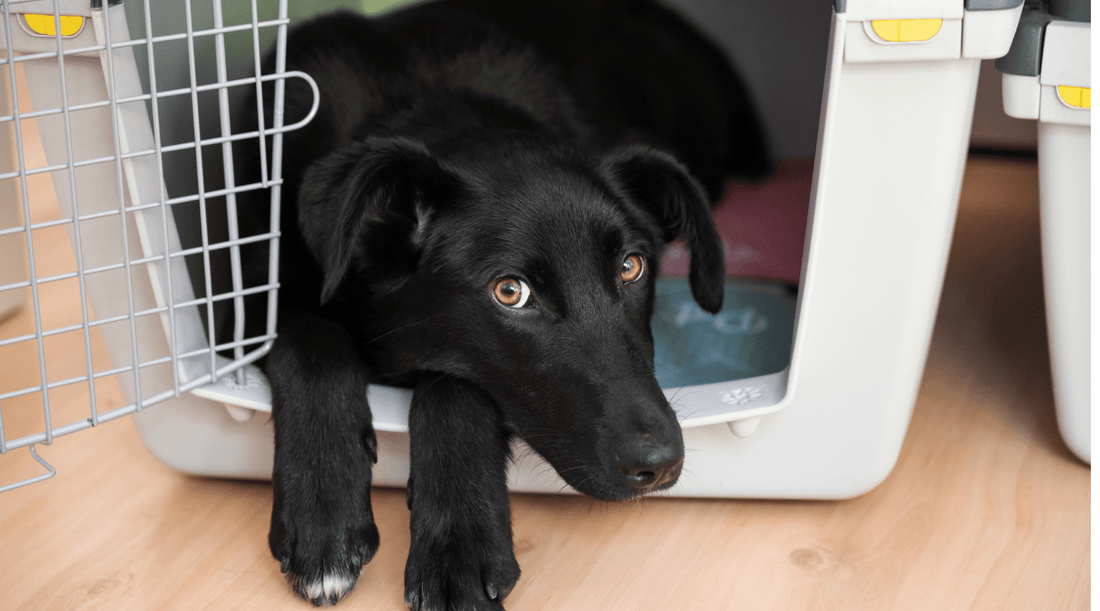
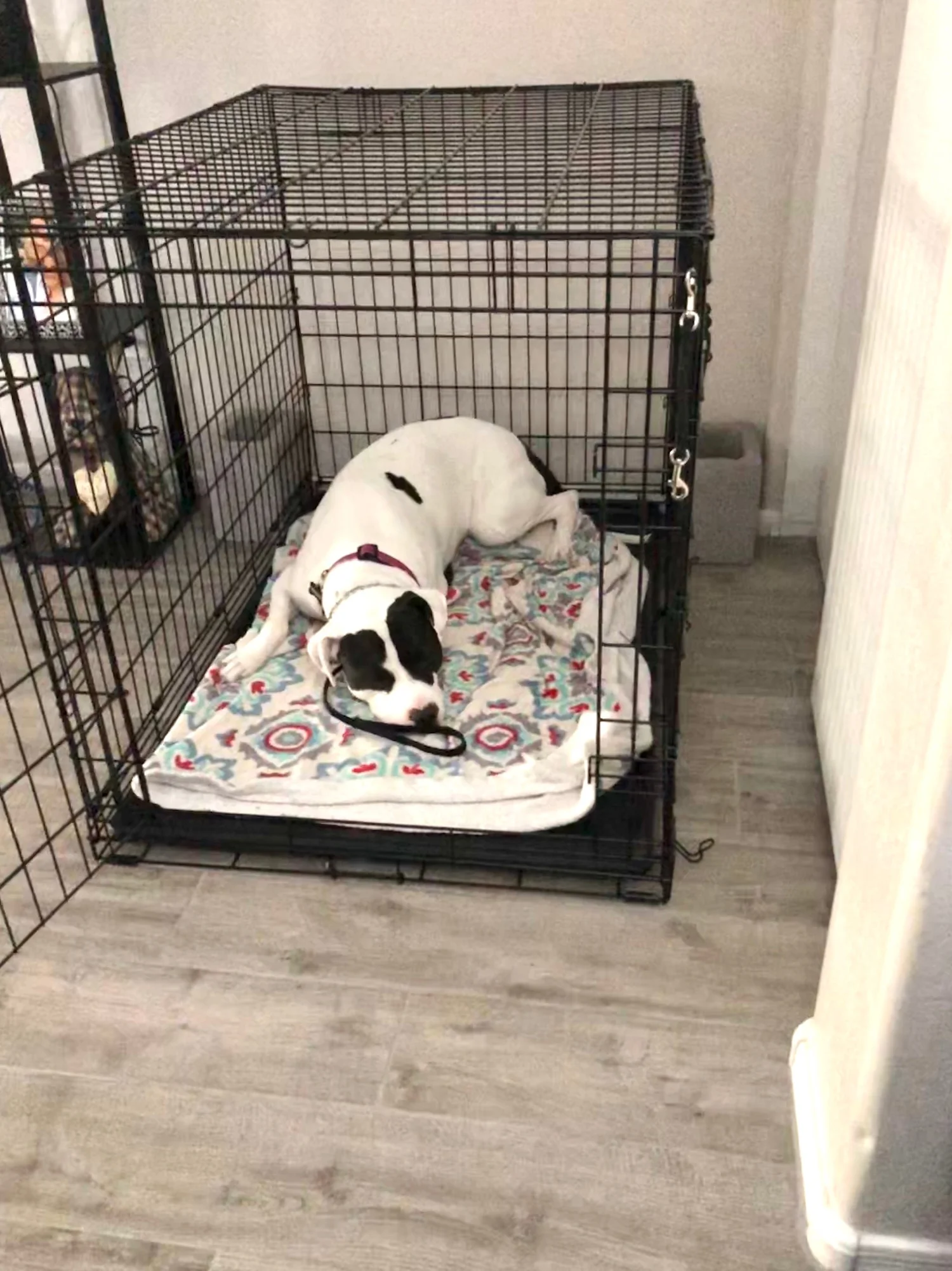
Credit: www.petco.com
Common Causes Of Crate Accidents
Understanding why your dog is having crate accidents is crucial in resolving the issue effectively. It’s not always about bad behavior; sometimes, there’s more to it than meets the eye. Let’s dive into the common causes that might be leading your furry friend to pee in their crate.
Medical Issues
It’s important to consider that a health problem might be causing your dog to urinate in the crate. Urinary tract infections, bladder stones, or diabetes can lead to frequent urination and unexpected accidents. If your dog suddenly starts peeing in their crate, a visit to the vet should be your first step.
Remember, dogs cannot communicate when they are unwell, but their actions can be a clear indicator. Ensuring your dog is physically healthy can prevent unnecessary crate accidents.
Behavioral Problems
Behavioral issues could be another reason your dog is peeing in their crate. Anxiety, stress, or fear can trigger unexpected urination. Did your dog have a negative experience related to their crate? It might be worth considering if something is unsettling them.
Sometimes, a change in the environment can make them uneasy. Addressing these behavioral concerns with patience and understanding can help mitigate crate accidents.
Age And Development
Puppies and older dogs are more prone to crate accidents due to their developmental stages. Puppies are still learning to control their bladder, and accidents are part of the process. On the other hand, older dogs might experience incontinence due to age-related issues.
Are you expecting too much too soon from your puppy? Or perhaps overlooking the needs of your senior dog? Adjusting your expectations and care routine based on your dog’s age can make a world of difference.
Understanding these common causes can help you take proactive steps in preventing crate accidents. Have you identified what might be causing the issue for your dog?
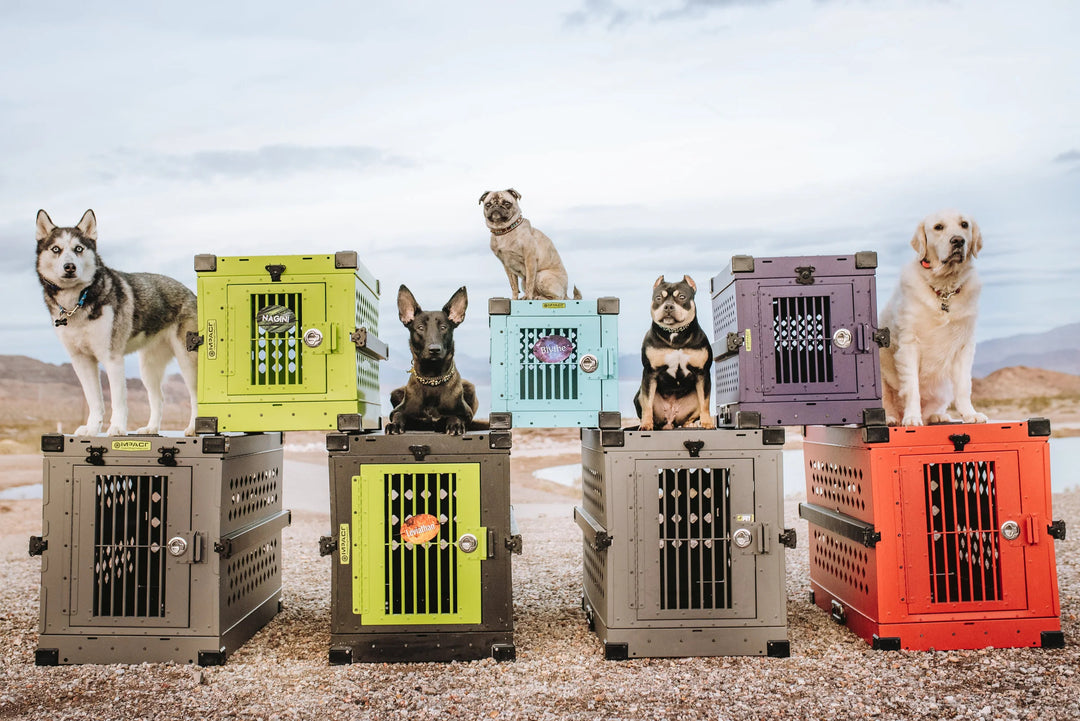
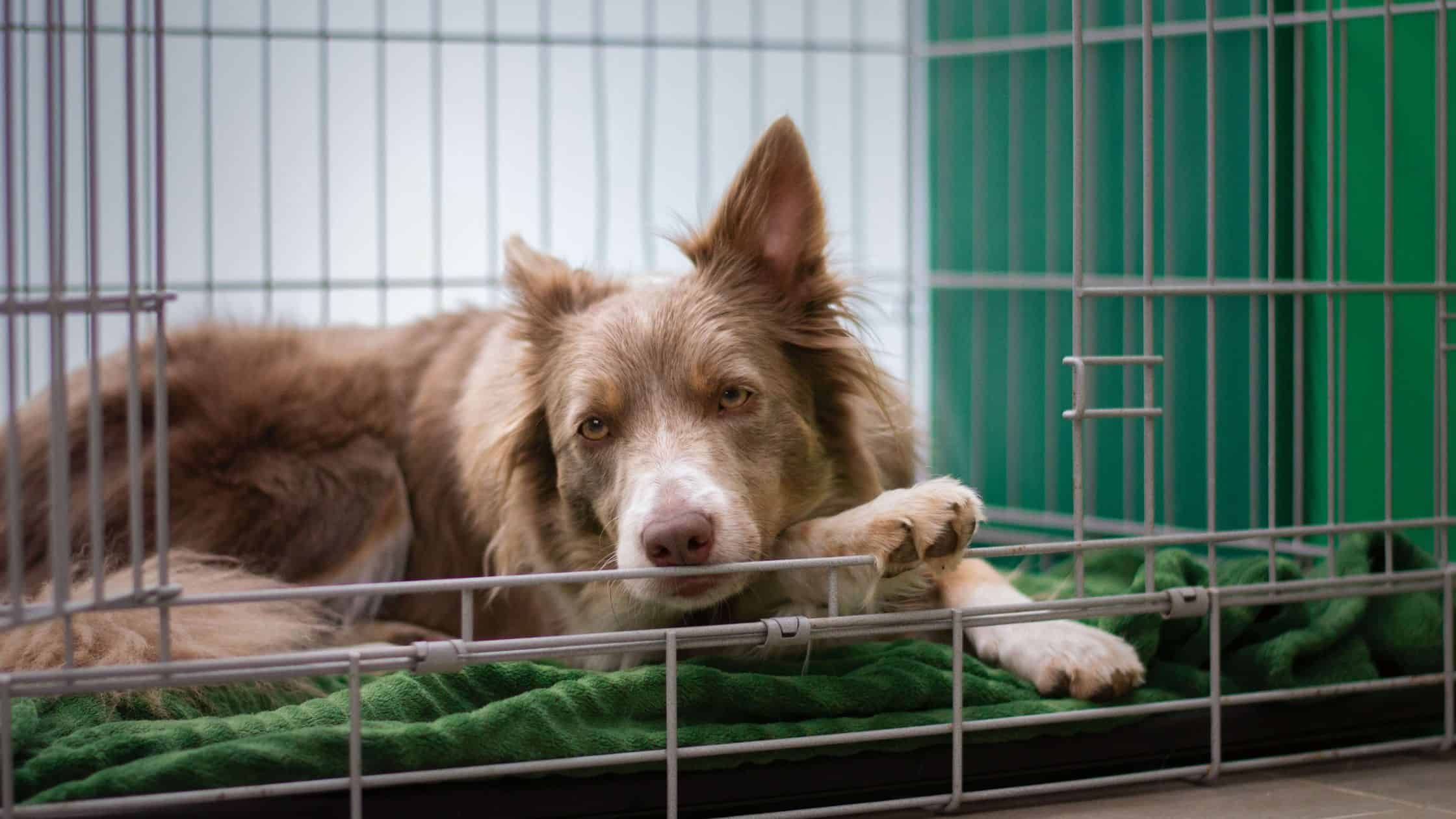
Credit: www.amazon.com
Choosing The Right Crate
Choosing the right crate can help stop a dog from peeing inside. It creates a safe and comfortable environment for them. The crate should suit your dog’s needs. Here are key factors to consider.
Size And Comfort
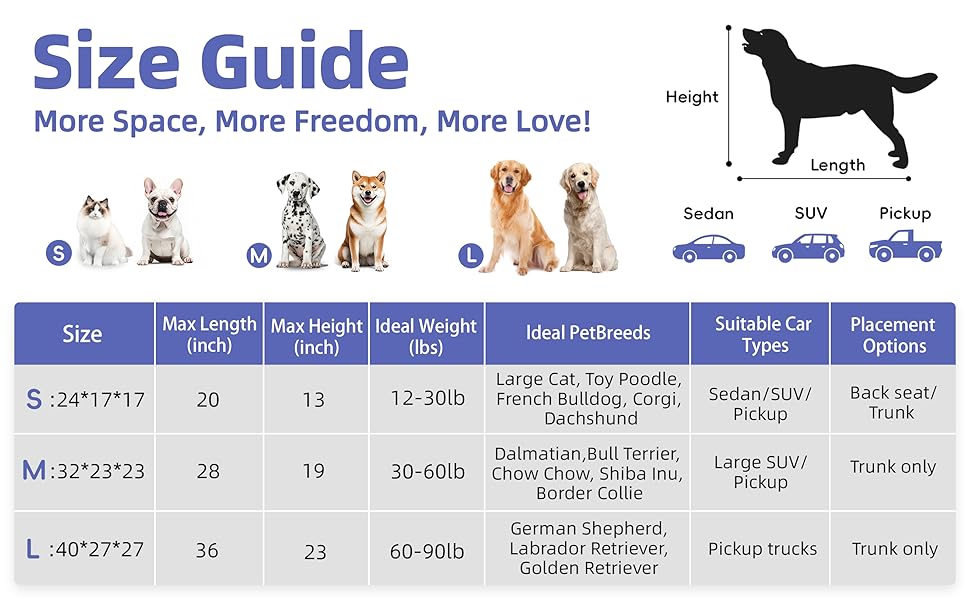
The crate must be the right size for your dog. They should stand, turn, and lie comfortably. Too much space might let them pee in one corner. Measure your dog from nose to tail and from floor to head. Add a few inches for comfort.
Material Considerations
Crates come in different materials like wire, plastic, and fabric. Wire crates are sturdy and allow good airflow. Plastic crates feel cozy and are great for travel. Fabric crates are light but less durable. Choose based on your dog’s habits and needs.
Placement In Home
Where you place the crate affects your dog’s comfort. It should be in a quiet, low-traffic area. Keep it away from direct sunlight and drafts. A family room corner often works well. Your dog feels included but not overwhelmed.
Effective Training Techniques
Training your dog to stop peeing in their crate requires patience. By applying effective techniques, you can help your pet feel comfortable. This will prevent accidents and maintain a clean environment. Below are some strategies to help your dog learn.
Creating A Schedule
Establishing a routine helps your dog understand when it’s time to go outside. Consistent feeding times lead to predictable bathroom breaks. Set regular intervals for bathroom trips. This might include after meals, naps, and playtime. A schedule helps avoid confusion and accidents.
Positive Reinforcement
Reward your dog for good behavior. Praise them when they do their business outside. Use treats or verbal praise to reinforce this behavior. Positive reinforcement encourages your dog to repeat the desired action. They will begin to associate going outside with rewards.
Gradual Crate Introduction
Introduce your dog to the crate slowly. Let them explore the crate without pressure. Start by leaving the door open and placing treats inside. This creates a positive association with the crate. Gradually increase the time they spend in it. This helps them feel secure and reduces anxiety.
Addressing Medical Concerns
Create a comfortable crate environment to reduce stress. Ensure regular bathroom breaks and consistent feeding schedules. This helps prevent your dog from peeing in their crate.
Addressing medical concerns is a crucial step when trying to stop your dog from peeing in their crate. It’s important to rule out any health issues that might be causing this behavior. Sometimes, what appears to be a behavioral problem can actually be a sign of an underlying medical condition.Consulting A Veterinarian
Start by scheduling an appointment with your veterinarian. They can perform a thorough examination and run necessary tests to identify any medical conditions. Urinary tract infections, bladder stones, or diabetes are common culprits that need to be ruled out. Your vet may also ask about your dog’s history and recent changes in behavior. This information is vital for an accurate diagnosis. Don’t hesitate to share any observations, no matter how minor they seem.Monitoring Health Changes
Keep a close eye on your dog’s health and behavior. Look out for signs like frequent urination, accidents outside the crate, or changes in appetite. These can indicate a health issue that requires attention. Maintain a journal to track any changes in their behavior. Documenting these details can help your vet make informed decisions. Plus, it provides a clearer picture of your dog’s overall well-being.Diet And Hydration
Evaluate your dog’s diet and water intake. Ensure they’re getting a balanced diet that supports their health. Sometimes, dietary changes can lead to urinary issues. Monitor how much water your dog drinks daily. Insufficient hydration can lead to concentrated urine, which may irritate their bladder. On the flip side, excessive drinking could be a sign of underlying health issues. Consider consulting a pet nutritionist if you’re unsure about their diet. They can offer tailored advice to meet your dog’s specific nutritional needs. Remember, a healthy diet is foundational to preventing many health problems.Behavioral Solutions
Is your beloved pup turning their crate into a personal bathroom? Tackling this issue can be frustrating, but using behavioral solutions can make a world of difference. Understanding your dog’s needs and addressing their behavior can help you create a more harmonious environment for both of you.
Reducing Anxiety
Many dogs pee in their crate due to anxiety. This can be triggered by separation, unfamiliar environments, or even loud noises. You can help by creating a calming routine.
Consider leaving a piece of your clothing in the crate. Your scent can be soothing and offer reassurance when you’re not around. Additionally, ensure the crate is a safe, inviting space, not a punishment zone.
Increasing Exercise
Sometimes, a pent-up energy can cause accidents. Dogs, like humans, need to burn off energy to stay balanced. Increasing their exercise can significantly help.
Try adding an extra walk or play session each day. A tired dog is less likely to have the energy to feel anxious or restless in their crate. Could this simple change be the key to a cleaner crate?
Using Calming Aids
Calming aids can be a helpful tool in managing your dog’s crate behavior. Consider natural solutions like lavender oil or specially-formulated calming treats. These can help ease anxiety and promote relaxation.
Remember to consult with your vet before introducing any new products. Your vet can provide insights into what might work best for your dog’s specific needs. Isn’t it worth exploring these options for a happier, stress-free pup?
Consistency And Patience
Training a dog to stop peeing in their crate requires consistency and patience. Establish a regular schedule for bathroom breaks. Gradually extend crate time as your pet learns to control their urges.
Consistency and patience are key to training your dog to stop peeing in their crate. Dogs thrive on routine and clear expectations. With consistent effort, you can guide them to understand where and when it’s appropriate to relieve themselves. Patience ensures you stay calm during setbacks, helping your dog learn better in a stress-free environment. Let’s explore how to create a successful approach.Maintaining Routine
Establish a regular schedule for feeding and bathroom breaks. This helps your dog anticipate when they can relieve themselves. Stick to the same times every day. Consistency reinforces good habits and reduces accidents. Make sure they have enough time outside the crate to avoid feeling trapped.Handling Setbacks
Accidents are normal during training. Stay calm and avoid scolding your dog. Clean the area thoroughly to remove odors that might encourage repeat accidents. Assess what might have triggered the setback. Adjust your routine if needed, but maintain consistency. Each setback is a learning opportunity.Celebrating Progress
Recognize and reward your dog when they successfully hold their bladder. Positive reinforcement strengthens their understanding of the desired behavior. Celebrate small victories to keep them motivated. Use treats or praise immediately after they do well. This helps them associate good behavior with positive outcomes.
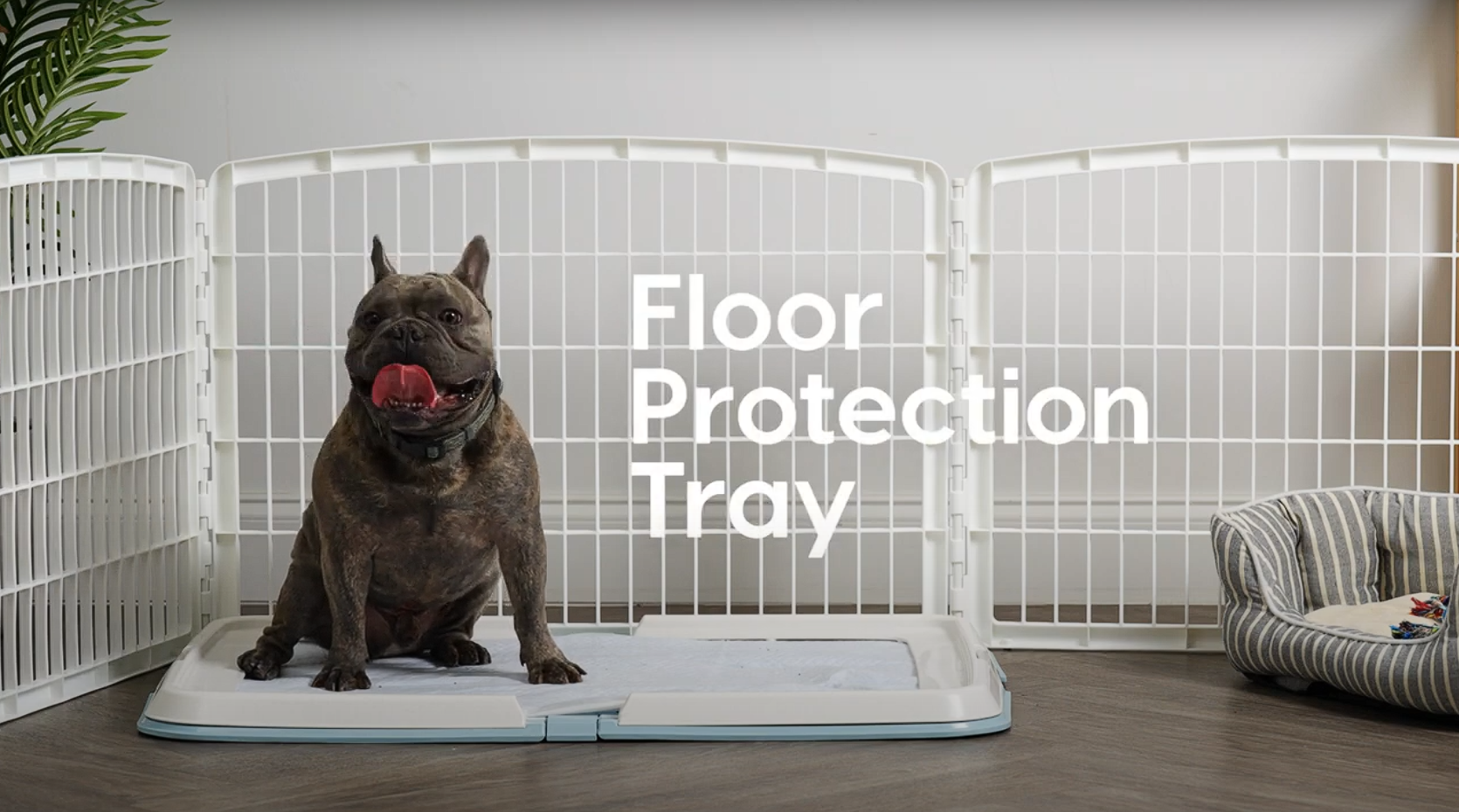
Credit: www.lucautosrl.it
Frequently Asked Questions
Why Do Dogs Pee In Their Crate?
Dogs may pee in their crate due to stress, anxiety, or insufficient training. They might not understand crate boundaries or feel confined. Addressing these issues with patience and positive reinforcement can help. Proper crate training and regular bathroom breaks are essential to prevent accidents.
How Can I Prevent Crate Peeing?
Prevent crate peeing by establishing a regular bathroom routine. Ensure your dog is comfortable in the crate and gradually increase crate time. Use positive reinforcement to reward good behavior. Avoid punishing accidents, as it may increase stress and anxiety.
Is Crate Size Important To Stop Peeing?
Yes, crate size matters significantly. A crate that’s too large may encourage peeing in one corner. Ensure the crate is appropriately sized for your dog. They should have enough space to stand, turn, and lie down comfortably without excess room.
Can Anxiety Cause Crate Peeing?
Yes, anxiety can cause crate peeing. Dogs may pee due to separation anxiety or stress. Providing comfort items like toys and blankets can help reduce anxiety. Gradual desensitization to the crate and positive experiences may alleviate stress-related accidents.
Conclusion
Helping your dog stop peeing in their crate takes patience. Understand their needs first. Create a consistent routine. Make sure their crate is the right size. Offer regular potty breaks. Positive reinforcement works wonders. Praise good behavior immediately. Clean accidents thoroughly to remove odors.
Consult a vet if problems persist. Some dogs may need medical attention. With time and care, your dog can learn new habits. Both you and your dog will enjoy a cleaner, happier living space. Remember, consistency and patience are key.
Your efforts will lead to success.

Similar Posts