How Do You Use a Dog Whistle: Expert Tips Revealed
Senior Canine Nutritionist & Dog Behavior Specialist at Cozy Dog Go Wellness Lab
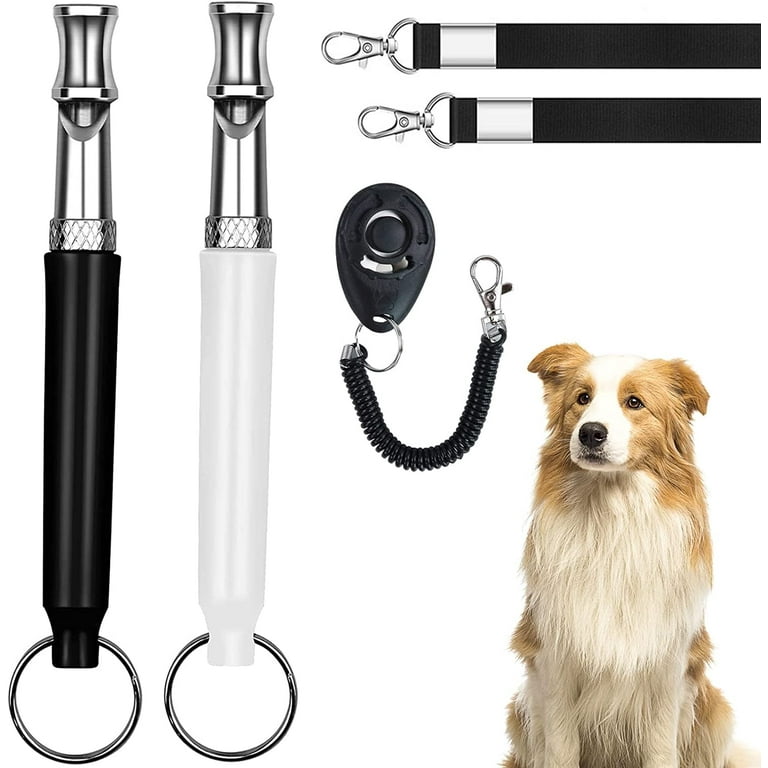
Ever wondered how a simple tool can transform your communication with your furry friend? Imagine having a secret language that only you and your dog understand.
That’s the magic of using a dog whistle. It’s not just a tool; it’s your ticket to effective training and a deeper bond with your pet. You might have seen dog whistles in movies or at the park, but do you really know how to use one effectively?
Whether you’re dealing with a stubborn pup or simply want to refine your training techniques, learning to use a dog whistle can be a game-changer. Stick around, because this article will unveil the secrets behind this powerful tool, ensuring that you and your dog communicate like never before.
Credit: www.thebordercollie.co.uk
Choosing The Right Dog Whistle
Selecting a dog whistle requires understanding its use for training. Blow the whistle gently to signal commands. Adjust the pitch to suit your dog’s hearing.
Choosing the right dog whistle is crucial for effective communication with your furry friend. Many dog owners overlook this small yet powerful tool, not realizing its potential for training and command. Understanding the different types of whistles and their features can make all the difference in your dog’s responsiveness.Types Of Dog Whistles
Dog whistles come in various forms, each serving different purposes.- Silent Whistles:These emit a high-frequency sound that humans can barely hear, but dogs can detect clearly. Ideal for outdoor training sessions where you want to avoid disturbing others.
- Pea Whistles:Contain a small ball or “pea” that creates a trill sound, perfect for getting a dog’s attention during play or training.
- Single Frequency Whistles:Produce a consistent sound that is often used for specific commands, helping dogs associate a particular pitch with a particular action.
Frequency And Pitch Considerations
The frequency and pitch of a dog whistle can greatly affect its effectiveness.Most dog whistles range from 23 to 54 kHz, a spectrum that dogs hear but humans do not. The right frequency can cut through environmental noise, ensuring your dog hears your commands even at a distance.
Adjustable whistles allow you to fine-tune the pitch. This is particularly useful if your dog seems unresponsive to a particular setting. By slowly adjusting the pitch, you can find the frequency that grabs your dog’s attention.
Remember, consistency is key. Once you identify the effective pitch, stick with it to avoid confusing your dog. Are you ready to find that perfect frequency that makes your dog perk up every time?

Credit: www.amazon.co.uk
Benefits Of Using A Dog Whistle
Using a dog whistle can significantly enhance your relationship with your furry friend. It’s not just about issuing commands; it’s about creating a bond built on understanding. The benefits of a dog whistle go beyond merely getting your dog’s attention.
Improved Communication
A dog whistle helps bridge the communication gap between you and your pet. Unlike human ears, dogs can hear ultrasonic sounds emitted by the whistle, making it an effective tool for grabbing their attention. Imagine calling your dog at the park without having to shout or strain your voice. The whistle speaks the language your dog understands, ensuring they hear your commands no matter the distance.
Training Versatility
The versatility of a dog whistle makes it an indispensable training tool. Whether you’re teaching your dog basic obedience or more complex tricks, the whistle can be your silent partner. You can assign different whistle patterns to different commands, making your training sessions more dynamic and engaging.
Consider the scenario where you’re training your dog for agility. A specific whistle pattern can signal them to jump, while another can guide them to weave. This flexibility allows you to be creative in how you train, ensuring both you and your pet enjoy the process.
Have you ever thought about how a simple tool like a whistle could transform your training routine? By using a dog whistle, you can communicate efficiently and train effectively, all while strengthening the bond with your loyal companion.
Training Basics With A Dog Whistle
Training your dog with a whistle can be a game-changer for effective communication and obedience. Unlike verbal commands, a dog whistle provides a consistent sound that your dog can easily recognize. This helps bridge the gap between what you want your dog to do and how they understand your cues. If you’re looking to enhance your dog’s training regimen, mastering the basics of whistle training is a smart move.
Introduction To Whistle Commands
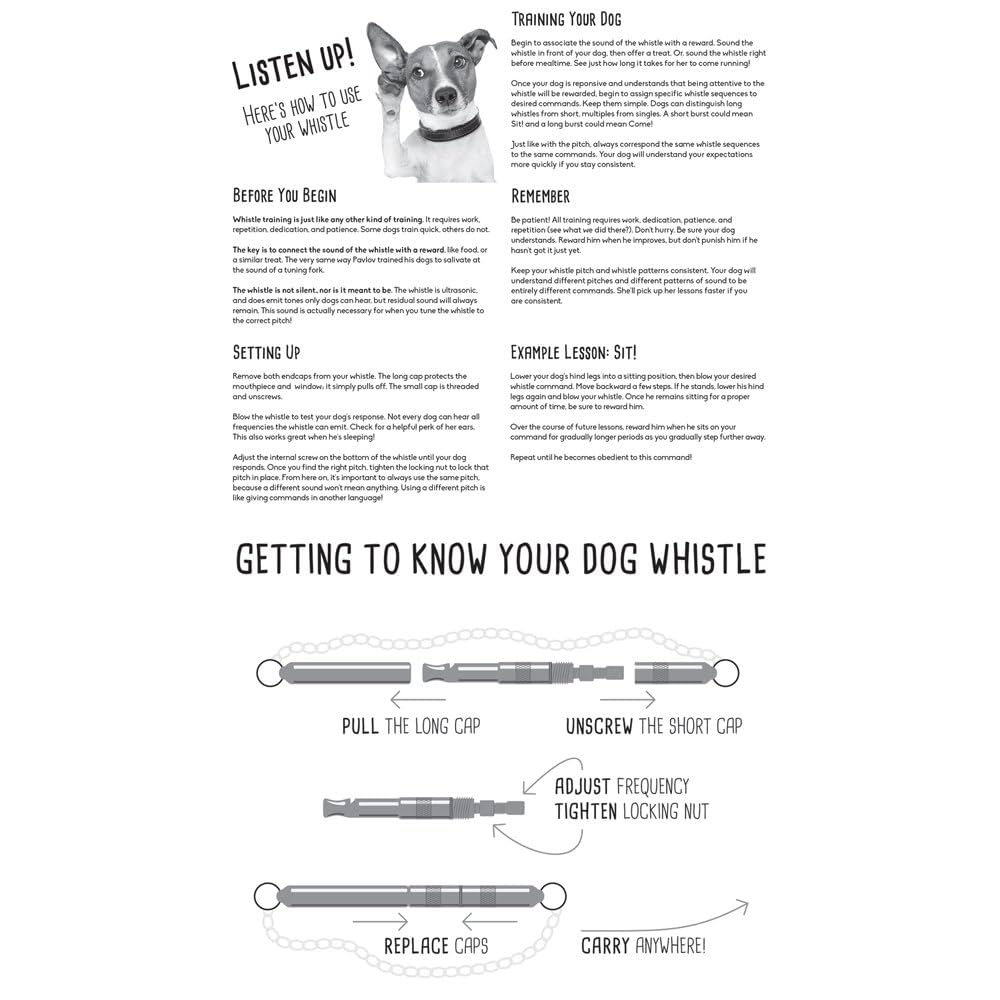
The first step in whistle training is to identify the specific commands you want to teach your dog. Choose clear, distinct sounds for different actions like ‘sit’, ‘come’, or ‘stay’. For example, two short bursts might signal ‘come’, while one long whistle could mean ‘stay’. Keep it simple and ensure each whistle command is unique.
Practice using these commands consistently, associating them with the actions your dog already knows. It’s crucial to pair the whistle with verbal commands initially. This helps your dog make the connection between the whistle sound and the expected behavior. Soon, your furry friend will respond to the whistle alone.
Establishing Consistency
Consistency is key in any training process, especially with whistle commands. Use the whistle for training regularly, ensuring that your dog associates each sound with a specific action. Avoid changing the whistle sounds once you’ve established them.
Repetition is your best friend here. Reinforce the whistle commands during daily activities or walks. This helps your dog internalize the signals and respond promptly. Always reward your dog when they correctly follow a whistle command—it’s a great way to motivate them and strengthen their understanding.
How does your dog respond to new whistle commands? Watch closely and adjust if needed. Your patience and consistency will pay off as your dog becomes a whistle-trained pro.
Advanced Whistle Techniques
A dog whistle is a helpful tool for training. It emits a sound only dogs can hear. This sound grabs their attention quickly. Consistent use can teach commands effectively.
Advanced Whistle Techniques can elevate your dog training experience to a whole new level. Mastering these techniques requires patience and practice, but the results are rewarding. Whether you’re aiming to improve recall or correct unwanted behaviors, using a dog whistle effectively can make all the difference.Recall Training
Recall training with a dog whistle can be incredibly effective. Start by associating the whistle sound with positive rewards. Every time your dog responds to the whistle, offer a treat or affection. Gradually increase the distance between you and your dog while practicing. This reinforces the whistle’s significance across varying distances. Consistency is key—practice in different environments to ensure your dog responds reliably.Behavior Correction
Behavior correction using a whistle might seem challenging, but it’s straightforward. Use a short, sharp blow to interrupt unwanted behavior. This can help break your dog’s focus and redirect attention. Ensure that the whistle sound is distinct and different from recall. Follow up the interruption with a command or alternative behavior. Be patient and consistent; over time, your dog will learn to associate the whistle with stopping negative actions. Have you ever noticed how your dog responds differently in various settings? Understanding these cues can help you refine your whistle techniques further. By tailoring your approach, you can ensure that your dog remains responsive, no matter the situation.Common Mistakes To Avoid
Using a dog whistle can be an effective tool in training. It offers a way to communicate with your dog at a distance. Yet, many owners make common mistakes that hinder success. Understanding these pitfalls can improve your training outcomes.
Overuse Of Whistle
Frequent use of the whistle can confuse your dog. They might start ignoring it. Use it sparingly to maintain its effectiveness. Consistency is key. Make sure the sound remains meaningful to your dog. Frequent whistles can lead to desensitization.
Inconsistent Signals
Sending mixed signals can confuse your dog. Your dog needs clear instructions. Use the same whistle sound for the same command. Avoid changing sounds for similar tasks. This consistency helps your dog understand your expectations. A consistent approach builds trust and clarity.
Expert Tips For Effective Use
Using a dog whistle effectively requires skill and understanding. These expert tips will guide you to use it successfully with your furry friend. A dog whistle can be a useful tool for training and communication. It is essential to know the right techniques to make the most of it. Here, we will delve into important aspects like timing, patience, and integrating the whistle with other training tools.
Timing And Patience
Timing is crucial in dog training. Use the whistle at the right moment. Pair the sound with specific actions or commands. Consistency helps your dog understand the signals. Patience is equally important. Dogs may take time to respond as desired. Practice regularly and remain calm. Reward your dog for correct responses. This encourages positive behavior.
Integrating Whistle With Other Tools
Combine the whistle with other training aids. Collars, treats, or clickers can enhance training. Use the whistle alongside verbal commands. This reinforces learning and increases effectiveness. Familiarize your dog with the whistle’s sound first. Gradually introduce it into your training sessions. Ensure that each tool complements the other. This creates a cohesive training approach.
Maintaining Your Dog Whistle
Using a dog whistle effectively requires regular maintenance. Clean it to remove dirt and saliva build-up. Test the sound to ensure it meets your dog’s needs.
Maintaining your dog whistle ensures it functions effectively and lasts long. Proper care keeps it clean, hygienic, and ready for use. Let’s dive into the best practices for keeping your dog whistle in top shape.Cleaning And Care
Regular cleaning prevents dirt and germs build-up. Use warm water and mild soap. Gently scrub the whistle with a soft brush. Rinse thoroughly to remove soap residue. Dry with a clean cloth. Ensure no moisture remains inside. Moisture can damage the whistle over time. Avoid harsh chemicals that may corrode the whistle.Storage Tips
Store your dog whistle in a cool, dry place. Keep it away from direct sunlight. Sunlight can weaken the material. Use a small case or pouch for protection. This keeps it safe from dust and scratches. Avoid placing heavy items on top of it. This prevents any accidental damage. Regularly check its condition before use.
Credit: www.ctmohio.com
Frequently Asked Questions
What Is A Dog Whistle Used For?
A dog whistle is a training tool emitting high-frequency sounds. It’s inaudible to humans but audible to dogs. It’s used for teaching commands, stopping unwanted behavior, and improving communication. Dog owners and trainers often use it for recall, obedience, and agility training.
How Does A Dog Whistle Work?
A dog whistle works by producing ultrasonic sounds that dogs can hear. These sounds help grab a dog’s attention without human noise interference. The pitch can be adjusted to suit a dog’s hearing sensitivity, making it effective for various training purposes.
Can All Dogs Hear A Dog Whistle?
Most dogs can hear a dog whistle due to their sensitive hearing range. While humans hear up to 20 kHz, dogs can perceive sounds up to 45 kHz. However, some breeds or older dogs may have hearing limitations, affecting their response to a whistle.
Is A Dog Whistle Safe For My Pet?
Yes, a dog whistle is safe when used correctly. It emits non-harmful sound frequencies that don’t cause distress or pain to dogs. Proper training and moderation ensure positive results without negative effects on a dog’s well-being.
Conclusion
Using a dog whistle can enhance training. Focus on consistency and patience. Dogs learn better with regular practice. Always reward positive behavior. Keep sessions short and engaging. Whistles help in crowded places. They catch your dog’s attention fast. They’re useful for long-distance commands.
Choose a frequency suitable for your dog. Every dog responds differently. Watch your dog’s reaction. Adjust as needed. Dog whistles are tools, not magic. Training takes time and effort. Stay committed. Your dog’s progress will show. Enjoy the bonding process.
Happy training!

Similar Posts