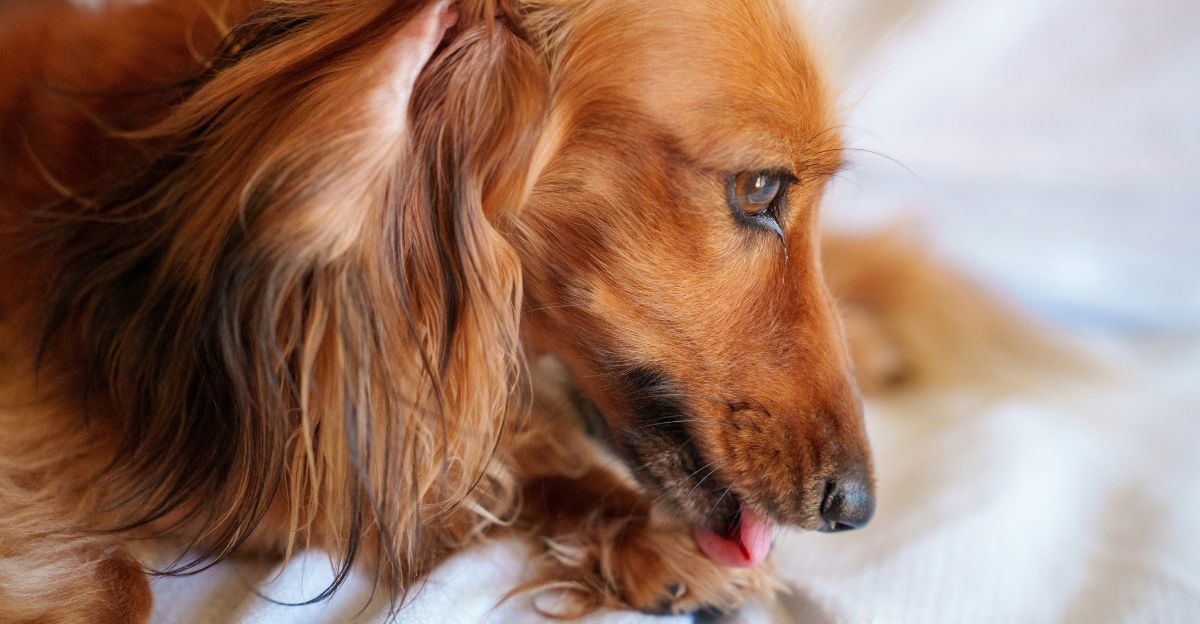
Do Dogs Groom Themselves: Uncovering Canine Cleanliness
Have you ever caught your dog licking its paws or nibbling at its fur and wondered if dogs groom themselves just like cats do? As a pet owner, you might be curious about what these behaviors mean and how they affect your furry friend’s health.
Understanding your dog’s grooming habits can reveal a lot about their well-being and even strengthen the bond you share. By diving into the world of canine self-care, you will discover surprising truths that could transform how you care for your dog.
Keep reading to uncover the secrets behind your dog’s grooming rituals, and you might just find some practical tips to enhance your pet’s happiness and health!
Canine Grooming Instincts
Dogs have unique grooming instincts that go beyond simple cleanliness. These instincts are part of their nature, helping them stay comfortable. Understanding these habits can improve your pet care routine.
How Dogs Clean Themselves
Dogs use their tongues to clean fur. They lick to remove dirt and debris. Their rough tongues help in this process. They also use their teeth to groom themselves. Chewing helps remove stubborn particles.
Natural Grooming Behaviors
Dogs often roll on the ground. This action aids in cleaning. Rolling helps loosen dirt trapped in fur. It also massages their skin. Scratching is another common behavior. Dogs scratch to relieve itching. It also helps remove loose fur.
Understanding The Role Of Paws
Dogs use paws to groom. They rub their faces with paws. This action wipes away dirt and moisture. Paws help in reaching difficult spots. Dogs also use paws to scratch. Scratching helps groom hard-to-reach areas.
Social Grooming Among Dogs
Dogs groom each other socially. This strengthens their bond. Mutual grooming helps clean hard-to-reach places. It’s a sign of trust between dogs. It also reduces stress levels.
Grooming Needs Vary By Breed
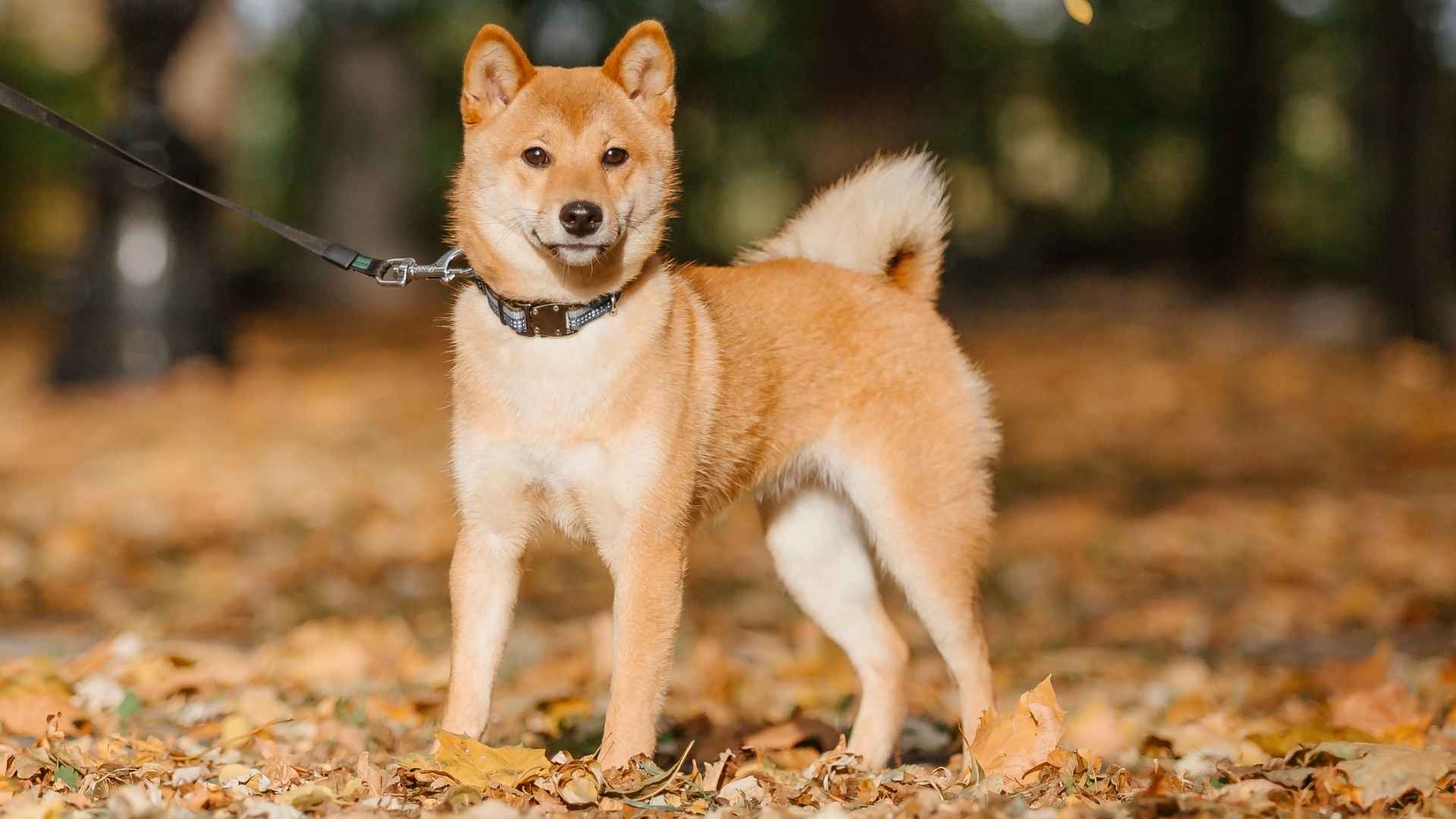
Different breeds have different grooming needs. Long-haired dogs require more frequent grooming. Short-haired breeds groom less often. Knowing your dog’s breed helps in understanding its grooming habits.

Credit: www.facebook.com
Methods Of Self-grooming
Dogs often groom themselves by licking their fur to remove dirt and loose hair. They also use their teeth to nibble on itchy spots and scratch their bodies with their paws. This natural grooming process helps keep their coat clean and healthy.
Dogs, much like their wild ancestors, have developed their own unique methods of self-grooming. These natural behaviors not only help them maintain a clean coat but also play a role in their overall health and well-being. Understanding these self-grooming techniques can give you insights into your dog’s needs and habits.Licking And Cleaning
Dogs often use licking as a primary method to clean themselves. This instinctual behavior helps remove dirt and debris from their fur. Imagine your dog coming inside after a play session in the yard; you’ll often notice them licking their paws and legs. This is their way of tidying up. While licking is generally harmless, excessive licking could indicate skin irritation or anxiety, so it’s essential to pay attention to any changes in frequency.Scratching And Itching
Scratching is another common self-grooming technique dogs employ to alleviate itches or remove loose fur. You’ve probably seen your dog contort into seemingly impossible positions to scratch that one hard-to-reach spot. This action not only relieves itchiness but also helps to dislodge any foreign particles stuck in their coat. However, frequent scratching might be a sign of allergies or parasites, so monitoring their behavior is crucial. By observing these grooming methods, you’re not just learning about your dog’s habits but also about their health. Have you noticed any changes in your dog’s grooming routine? Understanding these can help you address potential issues early on.Comparing Dogs To Other Animals
Understanding how dogs groom themselves can be intriguing. Unlike other animals, dogs have unique grooming habits. Comparing them to animals like cats and birds can provide insights.
Self-grooming In Cats
Cats are meticulous groomers. They spend hours cleaning their fur. Their tongue has tiny hooks, which help remove dirt. This natural tool is essential for their hygiene. Cats also use their paws to wipe their face. This process keeps them clean and tidy. In contrast, dogs use their tongue less. They rely more on humans for grooming.
Birds And Bathing
Birds have a different approach. They enjoy water baths. Bathing helps them clean their feathers. Birds also use dust baths to stay clean. This method absorbs oils and dirt. Preening is another vital habit. Birds use their beak to align feathers. It keeps them in top condition. Unlike birds, dogs use fewer grooming techniques. They depend on external grooming assistance.
Benefits Of Self-grooming
Dogs have an inherent ability to groom themselves. This instinctive behavior offers many benefits. It helps them maintain cleanliness and comfort. Let’s explore the advantages of self-grooming.
Maintaining Hygiene
Self-grooming keeps a dog’s coat clean. It removes dirt and debris. Dogs use their tongues to lick their fur. This helps distribute natural oils. These oils keep their skin healthy. Regular grooming prevents matting and tangles. It also helps in shedding dead hair. Dogs with clean coats have fewer skin issues.
Reducing Stress
Grooming can reduce stress in dogs. It provides a calming effect. Licking releases endorphins in their brains. This process soothes them. Grooming can be a comforting ritual. It offers a sense of security. Dogs feel relaxed and more at ease. This helps in reducing anxiety levels.
Limitations Of Self-grooming
Dogs are known for their grooming habits. They lick their fur and nibble their paws. But self-grooming has its limits. Dogs can’t reach every part of their body. Some areas need extra care and attention. That’s where human help comes in.
Areas Dogs Can’t Reach
Dogs struggle with certain spots on their body. Their back is a challenging area. They can’t lick or scratch it easily. The ears are another hard-to-reach place. Dirt and wax can build up inside. The tail area often gets neglected too. It’s tough for dogs to groom thoroughly there.
Need For Human Assistance
Human assistance is crucial for complete grooming. Brushing helps remove loose fur and dirt. It prevents mats and tangles. Cleaning their ears is vital. It keeps infections at bay. Regular checks for ticks and fleas are necessary. These pests hide in hard-to-reach places. Nail trimming is another task dogs can’t do alone. Long nails can cause discomfort and pain. Bathing is essential for a clean and healthy coat. Dogs need our help to stay fresh and clean.
Common Grooming Challenges
Dogs are surprisingly adept at grooming themselves, yet there are common challenges that can make self-grooming less effective. These challenges often require your intervention to ensure your furry friend stays healthy and comfortable. From pesky parasites to tangled fur, let’s explore what might be troubling your dog and how you can help.
Fleas And Ticks
Imagine being constantly itchy and uncomfortable. That’s what fleas and ticks can do to your dog. These parasites not only cause irritation but can also lead to serious health issues. Regular checks and treatments are crucial.
Consider using flea and tick prevention products like shampoos, collars, and topical treatments. These can significantly reduce the risk of infestation. Also, check your dog’s fur regularly, especially after outdoor adventures. A simple comb through can reveal hidden parasites.
Have you noticed your dog scratching more than usual? It might be time for a visit to the vet. They can provide professional advice and suitable treatment options.
Matting And Tangling
Matting and tangling are more than just cosmetic issues; they can lead to discomfort and even skin infections. Dogs with longer coats are particularly prone to these problems.
Regular brushing is your best defense against mats. Make it a bonding activity; your dog will love the attention. Use a detangling spray for stubborn knots and a slicker brush for thorough grooming.
Ever tried trimming your dog’s fur yourself? It can be a bit daunting. If you’re not confident, consider professional grooming services. They can ensure your dog’s coat is in top condition without causing stress.
What steps do you take to address these grooming challenges? Share your tips and experiences in the comments below!
Role Of Owners In Canine Grooming
Dogs are naturally inclined to groom themselves. Yet, they need help from their owners to stay clean and healthy. Owners play a crucial role in maintaining their dog’s hygiene. Regular grooming keeps their fur free from dirt and tangles. It also promotes healthier skin and coat. Let’s explore how owners can effectively assist their furry friends.
Regular Brushing
Brushing your dog’s coat helps remove loose hair and dirt. It also stimulates the skin, promoting healthy oils. For dogs with long fur, daily brushing prevents mats and tangles. Short-haired dogs benefit from weekly brushing. Use a brush suited to your dog’s fur type. A slicker brush works well for long-haired breeds. A bristle brush is ideal for short-haired dogs. Regular brushing keeps your dog comfortable and looking great.
Bathing Routine
Bathing your dog is essential for maintaining hygiene. Dogs don’t need frequent baths; once every month is often enough. Use a mild shampoo formulated for dogs. Human shampoos can irritate their skin. Before bathing, brush your dog’s fur to remove tangles. This makes the bathing process smoother. Ensure the water temperature is lukewarm, as hot water can be uncomfortable. Rinse thoroughly to remove all shampoo residue. Dry your dog with a towel or a hairdryer on a low setting. A regular bathing routine keeps your dog clean and smelling fresh.

Credit: www.tiktok.com
Professional Grooming Services
While dogs have some innate grooming habits, professional grooming services offer a comprehensive solution to keep your pet looking and feeling their best. These services go beyond basic brushing and bathing, providing tailored care that addresses your dog’s specific needs. Whether your furry friend has a coat that requires regular trimming or skin that needs special attention, professional groomers have the expertise to handle it all.
Benefits Of Groomers
Professional groomers bring a wealth of benefits to your dog’s hygiene and appearance. With their trained eye, they can spot potential health issues like skin irritations or parasites early on. This proactive approach can save you and your pet from discomfort and costly vet bills.
Moreover, groomers use specialized tools and products that are designed to cater to different breeds and coat types. This ensures your dog receives the most effective care, enhancing their coat’s health and shine.
Think about the time and effort you save. Instead of wrestling with your dog in the bathtub, you can rely on groomers to handle the mess and stress. It’s a win-win situation for both you and your pet!
Choosing The Right Service
Selecting the right grooming service can make all the difference in your dog’s care. Start by researching local groomers and reading reviews from other pet owners. Personal recommendations can also be a valuable resource.
Consider visiting the grooming facility in person. Observing the cleanliness and professionalism of the environment can provide insight into how they will treat your pet. Don’t hesitate to ask questions about their services, experience with your dog’s breed, and any special requests you might have.
Budget is another critical factor. While you want the best for your dog, it’s important to find a service that aligns with your financial situation. Many groomers offer packages that can make regular visits more affordable.
Have you ever thought about how professional grooming could enhance your dog’s well-being? It’s not just about looks; it’s about ensuring your beloved pet lives a happy, healthy life.
Credit: worldanimalfoundation.org
Frequently Asked Questions
Do Dogs Clean Themselves Like Cats?
Dogs groom themselves but not as thoroughly as cats. They lick their fur and paws to remove dirt. However, regular grooming by owners helps maintain cleanliness. Brushing and occasional baths are recommended for optimal hygiene and health. Dogs rely on humans more for grooming compared to cats.
How Often Should You Groom Your Dog?
Frequency depends on breed, coat type, and lifestyle. Long-haired dogs need grooming every few weeks. Short-haired dogs can be groomed less frequently. Regular brushing, nail trimming, and ear cleaning are essential. Check your dog’s needs and consult a vet for a tailored grooming schedule.
Can Dogs Groom Themselves Without Human Help?
Dogs can perform basic grooming but need assistance for thorough cleaning. They remove dirt by licking themselves. However, they can miss areas like ears and nails. Regular human intervention ensures comprehensive grooming. Routine baths and brushing contribute to a dog’s overall health and cleanliness.
What Tools Help Dogs Groom Themselves?
Dogs naturally use their tongues and paws for grooming. However, humans can provide grooming tools like brushes and combs. These help remove loose fur and dirt. Nail clippers and ear cleaners aid in comprehensive grooming. Using appropriate tools ensures thorough and effective grooming for your dog.
Conclusion
Dogs do groom themselves, but not like cats. They lick their fur to clean. They scratch to relieve an itch. They shake to remove dirt. Grooming helps dogs stay comfortable. It can prevent some health issues. But, dogs need our help too.
Regular baths keep them clean. Brushing removes loose fur. Check ears and nails often. Trim nails to avoid discomfort. Grooming strengthens the bond with your dog. Make it a routine. It’s a mix of self-care and your care. Your dog will feel better.
You will enjoy a cleaner pet. Keep your furry friend happy and healthy.


