How to Help My Dog’S Itchy Skin: Quick Relief Tips
Does your furry friend spend more time scratching than playing? If so, you’re not alone.
Many dog owners face the challenge of dealing with their pet’s itchy skin. It’s not just a minor annoyance for your dog; it can lead to more serious skin issues and discomfort. You want to help, but where do you start?
In this guide, you’ll discover simple, effective ways to soothe your dog’s itchy skin and boost their overall happiness. Say goodbye to the constant scratching and hello to a happier, itch-free pup. Keep reading to find out how you can make a real difference in your dog’s life.

Credit: www.amazon.com
Causes Of Itchy Skin In Dogs
Itchy skin in dogs is a common concern for many pet owners. It’s not only uncomfortable for your furry friend but can also be a sign of underlying health issues. Understanding the causes is the first step in finding relief for your dog.
Allergies
Allergies are a frequent culprit behind your dog’s itchy skin. Dogs can be allergic to various things like certain foods, pollen, or even dust mites. If your dog often scratches, it might be worth examining their diet or the environment they are exposed to.
Parasites
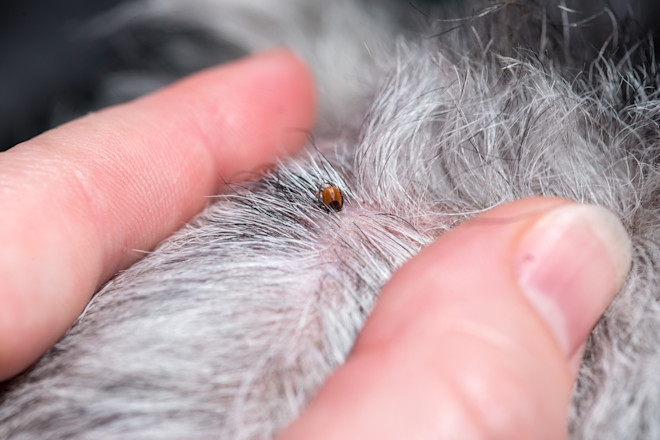
Parasites, like fleas and ticks, can cause intense itching in dogs. Even a single flea bite can result in an allergic reaction leading to severe itchiness. Regular check-ups and preventive measures, such as flea collars or topical treatments, can help keep these pesky invaders at bay.
Skin Infections
Skin infections, whether bacterial or fungal, can lead to irritated, itchy skin. You might notice redness, swelling, or a foul odor accompanying the itchiness. Prompt veterinary care is crucial to address these infections before they worsen.
Environmental Factors
Environmental factors such as dry air or irritants like chemicals from cleaning products can also cause your dog’s skin to itch. Consider whether any recent changes in your home could be affecting your pet’s skin. Sometimes, simply adjusting the humidity or switching to gentler cleaning agents can make a big difference.
Have you ever noticed your dog scratching more after a walk in the park? It might be something as simple as grass or pollen causing the discomfort. Identifying these triggers can help you take proactive steps to keep your furry friend comfortable and itch-free.
Identifying Symptoms
Understanding your dog’s skin issues is essential. Recognizing symptoms early can prevent discomfort. Here are signs to watch for.
Redness And Irritation
Red patches on your dog’s skin indicate irritation. These areas might be warm to touch. They often appear on belly, ears, or paws. Check regularly for changes in color or texture.
Excessive Scratching
Frequent scratching is a clear symptom. Dogs scratch naturally, but too much suggests a problem. Listen for scratching noises during the night. Watch for signs like head shaking or ear scratching.
Biting Or Chewing
Biting or chewing skin is a sign of discomfort. Dogs do this to relieve itching. Look for bite marks or broken skin. Inspect paws and legs closely as these are common spots.
Loss Of Fur
Notice bald spots or thinning fur? This could mean a skin issue. Hair loss often accompanies itching. Check your dog’s coat for uneven patches or shedding. Consistent grooming helps identify fur changes early.
Immediate Relief Methods
Dogs with itchy skin need quick relief. Itching can make them uncomfortable. You can help with some simple methods. These methods provide immediate comfort. They use things you might already have at home. Let’s explore these options to soothe your furry friend.
Cool Baths
Cool baths can calm your dog’s skin. Use lukewarm water, not too cold. This helps to reduce irritation and itchiness. Gently massage their skin. Avoid using hot water. It can make itching worse. You can bathe them every few days for better results.
Oatmeal Soaks
Oatmeal is a natural remedy for itchy skin. It soothes and moisturizes. Grind plain oatmeal into a fine powder. Mix it into a warm bath. Let your dog soak for about 10 minutes. It will help alleviate the itchiness. Rinse your dog well after the soak.
Aloe Vera Gel
Aloe vera gel can be very soothing. It has cooling properties. Use pure aloe vera gel. Apply it directly to itchy spots. Avoid using products with alcohol. They can irritate the skin more. Aloe vera can help heal and provide comfort.
Cold Compresses
Cold compresses can give quick relief. They reduce swelling and itching. Wrap some ice cubes in a cloth. Press gently on the itchy area. Do not place ice directly on the skin. This can cause discomfort. Use the compress for a few minutes at a time.
Dietary Adjustments
Consider adding omega-3 fatty acids to your dog’s diet to soothe itchy skin. These nutrients help reduce inflammation and improve skin health. Also, explore hypoallergenic dog foods that minimize irritation caused by common allergens.
Dietary adjustments can greatly help your dog with itchy skin. Food plays a vital role in skin health. By changing what your dog eats, you may soothe their irritation. Let’s explore some key dietary changes.Omega-3 Supplements
Omega-3 fatty acids support healthy skin. These nutrients reduce inflammation and itchiness. Fish oil is a great source. You can add it to your dog’s food. Start with small doses. Consult your vet for the right amount. Omega-3s also boost the immune system. Your dog’s coat will shine too.Elimination Diets
Some dogs are allergic to certain foods. An elimination diet helps identify these allergens. Remove common allergens like beef, chicken, or dairy. Feed your dog a simple diet. After a few weeks, reintroduce one food at a time. Observe any skin reactions. Keep a journal to track changes.Hydration Importance
Hydration is crucial for skin health. Ensure your dog drinks enough water. Dehydration can worsen itchiness. Wet dog food can increase water intake. Fresh water should always be available. You can also add water to dry kibble. Proper hydration keeps the skin supple and less itchy.Topical Treatments
Topical treatments can soothe your dog’s itchy skin effectively. Oatmeal baths reduce inflammation and provide relief. Aloe vera gel hydrates and calms irritated skin, promoting healing.
Topical treatments offer effective relief for your dog’s itchy skin. These solutions target the skin directly, providing quick comfort. From medicated shampoos to herbal remedies, each option soothes irritation and promotes healing. Understanding the benefits of these treatments can help your furry friend feel better fast.Medicated Shampoos
Medicated shampoos cleanse and heal your dog’s skin. They contain ingredients that reduce inflammation and kill bacteria. Use them regularly to maintain healthy skin. Follow the instructions for the best results. Consult your vet for shampoo recommendations.Anti-itch Sprays
Anti-itch sprays offer immediate relief from skin irritation. They cool and soothe the skin, reducing the urge to scratch. Sprays are easy to apply and work quickly. Look for sprays with natural ingredients for safe use. Use as directed for maximum effectiveness.Herbal Remedies
Herbal remedies provide gentle relief for itchy skin. Ingredients like aloe vera and chamomile calm irritation. These remedies are often natural and free from harsh chemicals. Apply herbal treatments directly to affected areas. Monitor your dog’s reaction and adjust usage as needed.Preventative Measures
Regular grooming can significantly reduce itchiness in dogs. Bathing with hypoallergenic shampoos and maintaining a healthy diet are crucial steps. Consult a vet to identify potential allergens and address underlying skin issues promptly.
Preventative measures can help ease your dog’s itchy skin. By taking proactive steps, you can ensure your furry friend stays comfortable. Implement these strategies to maintain your dog’s skin health.Regular Grooming
Regular grooming keeps your dog’s coat clean and healthy. Brush your dog weekly to remove dirt and dead hair. Use a gentle brush suitable for your dog’s coat type. Bathing your dog once a month helps keep the skin clean. Use a mild dog shampoo to avoid irritation. Regular grooming sessions also help you spot skin issues early.Allergen Control
Control allergens to reduce your dog’s skin problems. Identify common allergens like pollen, dust, or certain foods. Keep your dog’s living area clean by vacuuming regularly. Wash your dog’s bedding frequently to eliminate dust mites. Consider using an air purifier to reduce airborne allergens.Parasite Prevention
Prevent parasites to protect your dog’s skin. Use vet-recommended flea and tick preventatives consistently. Check your dog’s skin for signs of parasites. Regular parasite prevention reduces the risk of skin irritation. Keep your yard clean and trimmed to minimize exposure to ticks and fleas.Consulting A Veterinarian
Consulting a veterinarian can uncover the root cause of your dog’s itchy skin. A professional examination helps identify allergens, skin infections, or parasites. Tailored advice ensures effective treatment, providing relief and improving your dog’s comfort.
Consulting a veterinarian is crucial for addressing your dog’s itchy skin. A professional can determine the cause and recommend appropriate treatments. This ensures your dog’s comfort and well-being. Ignoring the problem may worsen your dog’s condition.When To Seek Help
Observe your dog’s behavior. Constant scratching or biting indicates a problem. Red, inflamed skin is another warning sign. Seek help if home treatments fail. A veterinarian can provide expert advice and solutions.Diagnostic Tests
A veterinarian may perform diagnostic tests. Skin scrapings check for mites or infections. Blood tests can identify allergies. These tests help pinpoint the cause of itchiness. Accurate diagnosis leads to effective treatment.Professional Treatments
Veterinarians offer various treatments. Medicated shampoos soothe irritated skin. Antihistamines can reduce allergic reactions. Antibiotics treat bacterial infections. Specialized diets may be recommended. These solutions target the root cause of itchiness.
Credit: www.amazon.com

Credit: www.skoutshonor.com
Frequently Asked Questions
How Can I Relieve My Dog’s Itchy Skin?
To relieve your dog’s itchy skin, consider using hypoallergenic shampoos. Regular grooming and moisturizing can also help. Consult your vet for antihistamines or other treatments if necessary. Dietary changes, such as switching to a high-quality, grain-free diet, can also reduce itchiness.
Always ensure your dog has access to clean water.
What Causes My Dog’s Skin To Itch?
Common causes of itchy skin in dogs include allergies, parasites, and infections. Environmental factors like pollen or dust can trigger allergies. Fleas and mites are common parasites causing itchiness. Additionally, bacterial or fungal infections can irritate your dog’s skin. It’s important to consult a vet for accurate diagnosis and treatment.
Are There Home Remedies For Itchy Dog Skin?
Yes, home remedies like oatmeal baths can soothe itchy skin. Coconut oil applied topically can reduce irritation. Apple cider vinegar diluted with water can act as a natural antiseptic. However, always consult your vet before trying home remedies to ensure they’re safe for your dog’s specific condition.
When Should I See A Vet For My Dog’s Itchiness?
If your dog’s itchiness persists for more than a week, consult a vet. Excessive scratching, redness, or sores indicate a need for professional help. Itchiness accompanied by hair loss or behavioral changes also warrants a vet visit. Early intervention can prevent serious skin conditions and ensure your dog’s well-being.
Conclusion
Caring for your dog’s itchy skin is important. Try natural remedies first. Regular grooming can help reduce irritation. Use hypoallergenic shampoos to soothe the skin. Check with your vet for persistent problems. A balanced diet supports healthy skin. Avoid allergens where possible.
Provide clean water always. Keep your dog’s environment clean and free of pests. Observe any changes in behavior or skin condition. Your attention makes a big difference. Happy dog, happy life. Remember, your furry friend’s comfort relies on you. Take action today.
Your dog will thank you with wagging tails and happy barks.