
Do Dogs Need Multivitamins: Essential Health Insights
Imagine giving your furry friend the best chance at a long, healthy life. You want them to be energetic, happy, and free from health issues.
But with so many products available, how do you ensure they’re getting the nutrients they need? This is where the question arises: do dogs need multivitamins? You may have wondered if your dog’s regular diet is enough or if supplements could make a difference.
This article will explore the benefits and potential downsides of multivitamins for dogs. By the end, you’ll have a clear understanding, empowering you to make the best nutritional choices for your beloved pet. Stay with us to uncover the truth about canine multivitamins and how they might play a role in your dog’s health.
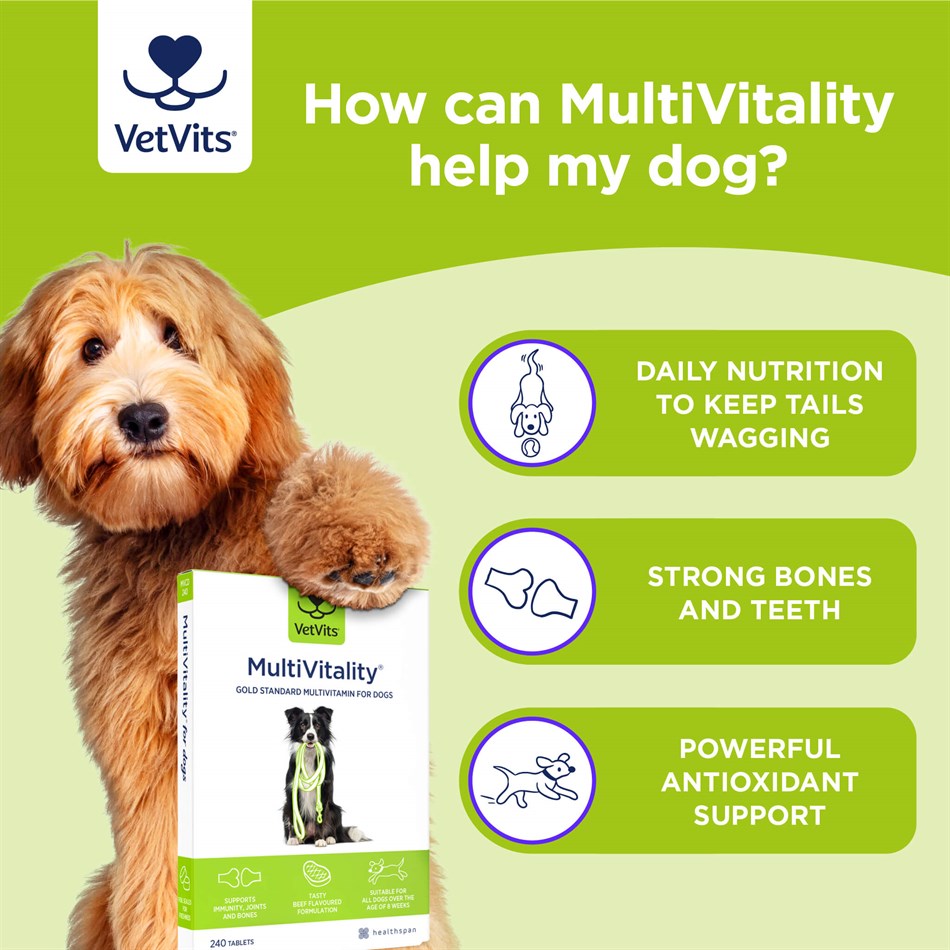
Credit: www.healthspan.co.uk
Why Dogs Might Need Multivitamins
Many dog owners wonder if their furry friends need multivitamins. Dogs, like humans, require a balanced diet to stay healthy. Sometimes, their regular diet might not provide all essential nutrients. This is where multivitamins can help. Understanding why dogs might need them is key to their well-being.
Common Nutritional Deficiencies
Dogs can suffer from various nutritional deficiencies. These deficiencies might arise due to poor diet or specific health issues. Some common deficiencies include:
- Vitamin A deficiency, affecting vision and skin health.
- Calcium deficiency, leading to weak bones and teeth.
- Iron deficiency, causing anemia and fatigue.
Each of these deficiencies can impact your dog’s health. Ensuring a balanced diet is crucial. Multivitamins can fill these nutritional gaps effectively.
Signs Of Vitamin Deficiency
Recognizing signs of vitamin deficiency in dogs is important. Some common signs include:
- Dull coat and hair loss, indicating a lack of essential vitamins.
- Frequent infections, suggesting a compromised immune system.
- Lethargy and weakness, often linked to low iron or vitamin levels.
These signs should not be ignored. Consulting with a vet can confirm if multivitamins are necessary. A tailored approach ensures your dog receives the right nutrients.

Credit: freshwoof.com
Benefits Of Multivitamins For Dogs
Multivitamins can be a great addition to your dog’s diet. They offer a range of benefits that can help improve your dog’s overall health. Let’s explore some of the key advantages that multivitamins can provide for your furry friend.
Improved Immune Function
Multivitamins can boost your dog’s immune system. A stronger immune system helps fight off illnesses. Vitamins like A, C, and E are vital. They protect cells from damage. A healthy immune system keeps your dog active and happy.
Enhanced Joint Health
Many dogs face joint issues as they age. Multivitamins often contain glucosamine and chondroitin. These nutrients support joint health. They can ease discomfort and improve mobility. Your dog will enjoy longer walks and playtime.
Better Coat And Skin Condition
A shiny coat is a sign of a healthy dog. Vitamins like Omega-3 fatty acids promote skin health. They reduce dryness and irritation. Your dog’s coat will look glossy and feel soft. Healthy skin reduces the risk of infections.
Risks Of Over-supplementation
We often hear about the benefits of multivitamins for dogs, but what about the risks? Over-supplementation can pose serious health challenges. Giving your furry friend more vitamins than necessary might seem harmless, but it can lead to unexpected consequences. It’s crucial to understand these risks to ensure your dog stays healthy and happy.
Symptoms Of Vitamin Toxicity
Vitamin toxicity in dogs can manifest in various ways. You might notice symptoms like vomiting or diarrhea if your pup has had too much of a particular vitamin. More severe cases can lead to muscle tremors or even seizures. It’s essential to keep an eye out for these signs and seek veterinary advice if you suspect vitamin overload. Monitoring your dog’s health after introducing new supplements can prevent these issues from escalating.
Balancing Nutritional Needs
Balancing your dog’s diet is like piecing together a puzzle. You have to consider their age, breed, and activity level to determine their nutritional needs. Simply giving multivitamins without a tailored approach may disrupt this balance. Instead, focus on providing a balanced diet through quality dog food and consult your vet before adding supplements. Ask yourself if the multivitamin is necessary or if their current diet is sufficient. A proactive approach ensures your dog receives just what they need, avoiding the pitfalls of over-supplementation.
Choosing The Right Multivitamin
Choosing the right multivitamin for your dog is crucial. It ensures they get the nutrients they need. Not all multivitamins are created equal. Some might contain unnecessary fillers. Others may lack essential nutrients. Knowing what to look for can help. This guide will assist you in making an informed decision.
Ingredients To Look For
Look for vitamins like A, C, and D. These support vision, immunity, and bone health. B vitamins are vital too. They aid in energy and metabolism. Minerals like calcium and zinc are essential. They support strong bones and a healthy coat. Omega-3 fatty acids are also beneficial. They help with joint health and brain function. Antioxidants can combat free radicals. They keep your dog’s cells healthy.
Consulting With Veterinarians
Always consult a veterinarian before giving supplements. They can assess your dog’s health needs. A vet knows your dog’s diet and lifestyle. They can recommend specific multivitamins. Vets can also check for allergies or reactions. This ensures your dog’s safety and well-being.
Natural Alternatives To Multivitamins
Many dog owners wonder if their pets need multivitamins. While supplements can be beneficial, natural alternatives often provide what dogs need. Exploring whole foods and dietary adjustments can help maintain your dog’s health.
Whole Foods For Dogs
Whole foods offer essential nutrients naturally. Vegetables like carrots and spinach provide vitamins A and C. Fruits like apples offer fiber and antioxidants. Lean meats such as chicken and turkey supply protein and iron. These foods support overall health without processed additives.
Dietary Adjustments
Adjusting your dog’s diet can improve their nutrient intake. Introduce variety with different protein sources weekly. Include grains like brown rice for energy and digestion. Balance meals with omega-3 rich fish for skin and coat health. Tailor portions to your dog’s size and activity level.

Credit: www.amazon.co.uk
Monitoring Your Dog’s Health
Monitoring your dog’s health is crucial in determining whether they need multivitamins. Just like humans, dogs have unique dietary needs that can change with age, lifestyle, and health conditions. To ensure your furry friend is thriving, it’s important to keep a close eye on their overall wellbeing.
Regular Veterinary Check-ups
Regular visits to the vet are fundamental in assessing your dog’s health. During these check-ups, a veterinarian can perform blood tests and physical exams to detect any deficiencies or health issues. These visits offer an opportunity to discuss your dog’s diet and determine if multivitamins are necessary.
Annual or bi-annual vet visits can catch potential problems before they become serious. They allow you to make informed decisions about supplements based on professional advice. Have you scheduled your dog’s next check-up yet?
Tracking Changes In Behavior And Appearance
Your dog’s behavior and appearance can provide valuable clues about their health. Noticeable changes in energy levels, coat condition, or eating habits might indicate nutritional gaps. For example, a dull coat or lethargy could be signs of vitamin deficiency.
Keep a journal of any changes you observe in your dog. This record can be incredibly helpful during vet visits, providing a clear picture of your dog’s health over time. Are you paying close attention to your dog’s daily habits?
By proactively monitoring these aspects of your dog’s health, you can make better decisions about their dietary needs, including the potential need for multivitamins.
Frequently Asked Questions
Do Dogs Benefit From Multivitamins?
Dogs can benefit from multivitamins, especially if their diet lacks essential nutrients. Multivitamins support overall health, boost immunity, and improve coat condition. However, it’s crucial to consult a vet to ensure the right dosage and avoid excessive vitamin intake, which can be harmful.
Are Multivitamins Safe For All Dog Breeds?
Multivitamins are generally safe for most dog breeds when administered correctly. However, each breed has unique nutritional needs. Always consult a veterinarian before introducing multivitamins to your dog’s diet. They can recommend suitable options based on your dog’s specific health requirements and breed characteristics.
When Should I Consider Giving My Dog Multivitamins?
Consider giving multivitamins if your dog has a poor diet, is aging, or has health issues. Multivitamins can help improve overall health and vitality. Always consult a veterinarian to determine if your dog needs supplements and to choose the right type and dosage.
Can Multivitamins Replace A Balanced Diet For Dogs?
Multivitamins should not replace a balanced diet for dogs. They are designed to supplement deficiencies in a regular diet. A balanced diet provides essential nutrients naturally. Consult a veterinarian to ensure your dog receives all necessary nutrients through food and supplements.
Conclusion
Dogs may benefit from multivitamins, but not all need them. Each dog is unique. Consult a vet to determine your dog’s needs. Multivitamins can fill dietary gaps. They support overall health and vitality. But, a balanced diet is crucial too.
Avoid over-supplementing. It can harm your dog. Always choose quality products. Read labels and check ingredients. Safety first. Your dog’s health depends on informed choices. Stay observant. Notice any changes in behavior or energy. This helps in making the right decisions.
Keep your dog’s well-being a top priority. Regular vet visits are essential. They ensure your furry friend stays healthy.