
Can Dogs Eat Raw Potatoes Without Skin?: Health Risks
Have you ever found yourself in the kitchen, prepping dinner, and wondered if your furry friend could enjoy a bite of what you’re cooking? It’s a common scenario for pet owners who love to share everything with their loyal companions.
When it comes to raw potatoes, there’s a bit of mystery surrounding their safety for dogs. You might be curious: can dogs eat raw potatoes without skin? Before you toss one of those spuds to your pup, there are a few crucial things you need to know.
Uncovering the facts about raw potatoes can help you make safe and informed choices for your dog’s diet. Keep reading to discover whether this common kitchen staple can be a healthy treat or a potential hazard for your beloved pet.

Credit: www.purina.com
Raw Potato Nutritional Content
Raw potatoes, without their skin, offer a range of nutrients. Many dog owners wonder if these can be a healthy addition to their pet’s diet. Understanding the nutritional content is essential for making informed choices.
Essential Nutrients
Raw potatoes are rich in carbohydrates. They provide energy for your dog’s activities. Potatoes also contain vitamin C, which supports the immune system. There’s a good amount of potassium, important for heart and muscle function. Iron in potatoes helps with oxygen transport in the blood. They contain small amounts of vitamin B6, aiding brain health.
Potential Toxins
Raw potatoes contain solanine, a natural toxin. Solanine can be harmful to dogs. Cooking reduces solanine levels significantly. Feeding raw potatoes in large amounts may lead to solanine toxicity. Watch for symptoms like vomiting and diarrhea. Always consult a vet before introducing new foods to your pet’s diet.
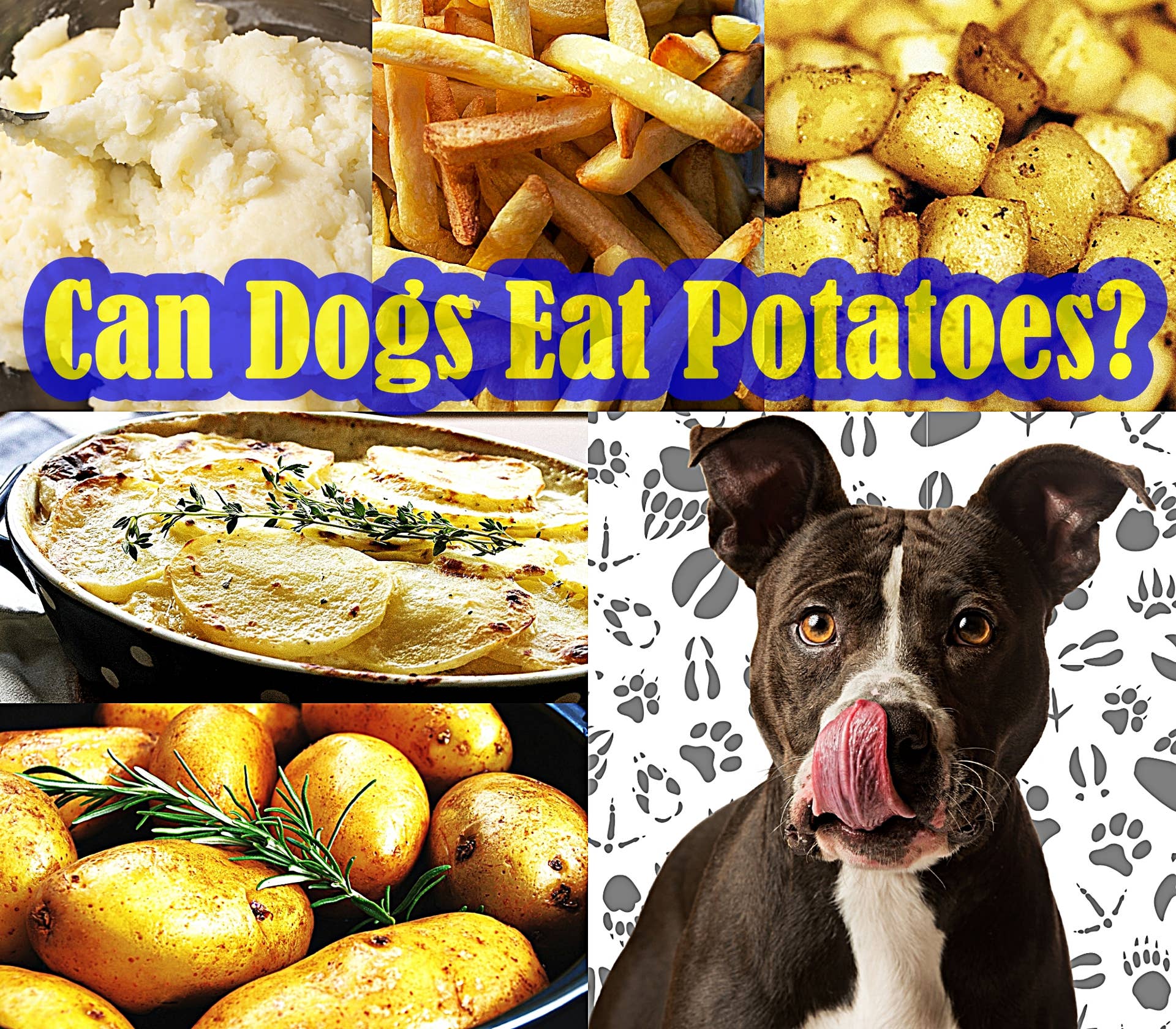
Credit: paradepets.com
Digestive Concerns For Dogs
Dogs can eat raw potatoes without skin, but it’s not ideal. Raw potatoes contain solanine, which can upset their stomachs. Cooking the potatoes reduces solanine levels, making them safer for your furry friend. Always consult your vet before adding new foods to your dog’s diet.
Digestive Concerns for Dogs When considering whether to feed your dog raw potatoes without skin, it’s crucial to understand the potential digestive issues. While potatoes are a common vegetable in many households, their compatibility with a dog’s digestive system is not guaranteed. Dogs have different digestive processes than humans, and what seems harmless to us might be problematic for them.Impact On Stomach
Raw potatoes, even without skin, can be tough on a dog’s stomach. Dogs might struggle to digest raw foods, which can lead to discomfort. You may notice your dog experiencing bloating or even mild stomach aches after consuming raw potatoes. A friend of mine once shared her experience of feeding her dog a small piece of raw potato. She thought it was a healthy treat, but her dog ended up with an upset stomach. This made her reconsider, and she switched to cooked vegetables, noticing an improvement in her dog’s digestion.Possible Gastrointestinal Issues
Feeding raw potatoes to dogs can lead to gastrointestinal issues. Some dogs may experience diarrhea or vomiting after consuming them. This is because raw potatoes contain solanine, a compound that can irritate a dog’s digestive tract. If you notice your dog showing signs of gastrointestinal distress, it might be time to reconsider their diet. Instead of raw potatoes, you could offer your dog cooked vegetables like carrots or peas, which are easier to digest. Have you ever thought about how a simple change in your pet’s diet can make a significant difference in their well-being? Always monitor your dog’s reaction to new foods, and consult with your veterinarian if you have concerns. Your pet’s health is paramount, and understanding their dietary needs is a step towards ensuring they live a happy, healthy life.Toxicity Risks
Raw potatoes pose toxicity risks for dogs due to certain compounds. These compounds can lead to health issues. Understanding these risks is crucial for pet safety.
Solanine Poisoning
Solanine is a natural chemical in potatoes. It protects the plant from pests. Unfortunately, it poses a risk to dogs. Eating raw potatoes can lead to solanine poisoning. This chemical is more concentrated in raw potatoes, especially in green parts. Cooking reduces solanine levels, making them safer.
Symptoms To Watch For
Watch for signs of solanine poisoning in your dog. Symptoms include:
- Vomiting and diarrhea
- Weakness and lethargy
- Confusion or unsteady movements
- Drooling excessively
If any symptoms appear, contact a veterinarian. Early action can prevent serious health issues. Always monitor your dog’s diet closely. Keep raw potatoes out of their reach. Prioritize their health and safety with informed choices.

Credit: www.dogster.com
Alternatives To Raw Potatoes
Raw potatoes can cause issues for dogs. They contain solanine, which is toxic. There are safer alternatives to raw potatoes that dogs can enjoy. Let’s explore some options that are healthy and tasty for your furry friend.
Safer Vegetable Options
Several vegetables are safe for dogs. Carrots are a great choice. They are crunchy and full of vitamins. They help improve dental health in dogs. Sweet potatoes are another option. They are rich in fiber and antioxidants. Green beans are low in calories and high in iron. They make a good snack for dogs.
- Carrots
- Sweet Potatoes
- Green Beans
Cooked Potato Benefits
Cooked potatoes are safer for dogs. Cooking reduces solanine levels. Boiled or baked potatoes are best. They are easy to digest. Cooked potatoes provide energy. They are rich in vitamins C and B6. These vitamins support your dog’s immune system.
| Benefits | Description |
|---|---|
| Easy Digestion | Cooked potatoes are simple to digest for dogs. |
| Energy Source | Rich in carbohydrates, cooked potatoes offer energy. |
| Vitamins | Provides essential vitamins for a healthy immune system. |
Safe Feeding Practices
Raw potatoes without skin can be harmful to dogs. Solanine, a compound found in raw potatoes, may cause digestive issues. Always cook potatoes before offering them to your pet to ensure safety.
Feeding dogs raw potatoes can be safe if done correctly. Potatoes are rich in vitamins and minerals. Yet, they contain solanine, which can be harmful in large amounts. Safe feeding practices help avoid potential health risks. Below are guidelines for feeding raw potatoes without skin.Moderation Guidelines
Offer small portions to your dog. A few small bites are enough. Monitor your dog’s reaction after eating. Watch for any signs of discomfort or allergies. Do not make raw potatoes a regular meal. Use them as an occasional treat.Proper Preparation Methods
Wash potatoes thoroughly to remove dirt. Peel the skin to reduce solanine content. Cut into small, bite-sized pieces. This makes them easier to chew and digest. Ensure no green spots remain on the potato. Green spots indicate higher solanine levels. Safe feeding practices benefit both you and your pet. They ensure your dog enjoys a healthy treat. Always prioritize your dog’s well-being.Veterinary Advice
When considering adding raw potatoes without skin to your dog’s diet, it’s crucial to seek veterinary advice. Dogs have different digestive systems than humans, and what might seem harmless can sometimes lead to health issues. Veterinarians can provide you with tailored advice based on your dog’s specific needs and health conditions, ensuring their diet is both safe and nutritious.
When To Consult A Vet
If your dog has a history of digestive problems, or if they are currently on medication, consulting a vet is essential before introducing raw potatoes. Digestive issues like bloating or upset stomach can be exacerbated by certain foods. Additionally, if your dog exhibits any unusual behavior or symptoms after eating new foods, a visit to the vet can help pinpoint the cause and prevent future issues.
Veterinarians can also assess whether raw potatoes offer any nutritional benefits for your dog’s specific dietary needs. They might recommend alternatives that provide similar nutrients without potential risks.
Recommended Dietary Adjustments
When considering dietary changes, gradual adjustments are often best. Your dog might not be accustomed to raw vegetables, and a sudden switch could lead to digestive discomfort. Start by mixing small amounts of raw potato into their regular food and observe their reaction.
If your dog enjoys the addition and shows no adverse effects, gradually increase the quantity over time. Keep an eye out for any changes in energy levels, stool consistency, or appetite, as these can indicate how well they are tolerating the new food.
Have you noticed any changes in your dog’s behavior or health with new foods? Share your experiences and insights with your vet to tailor the diet further, ensuring it meets your dog’s unique health requirements.
Frequently Asked Questions
Can Dogs Eat Raw Potatoes Safely?
Raw potatoes can be harmful to dogs due to solanine. This compound can cause digestive issues and other health problems. It’s best to avoid feeding your dog raw potatoes. If you suspect your dog has eaten raw potatoes, consult your veterinarian for guidance.
What Happens If A Dog Eats Raw Potatoes?
If a dog eats raw potatoes, it may experience vomiting, diarrhea, or lethargy. These symptoms are due to solanine poisoning. In severe cases, it can lead to more serious health issues. Always monitor your dog closely and seek veterinary advice if symptoms appear.
Are Potatoes Without Skin Safer For Dogs?
Potatoes without skin still contain solanine, which is toxic to dogs. Cooking potatoes reduces solanine levels, making them safer. Always cook potatoes before offering them to your dog. Avoid adding seasonings, as some can be harmful to dogs.
How To Prepare Potatoes For Dogs?
To prepare potatoes for dogs, peel and cook them thoroughly. Boil or bake without seasoning until soft. Ensure they are cool before serving. Avoid adding butter, salt, or other seasonings. Serve in moderation as part of a balanced diet.
Conclusion
Raw potatoes without skin aren’t safe for dogs. They’re hard to digest. Solanine, found in raw potatoes, can harm your dog. Cooking potatoes removes solanine. Always consult your vet before changing your dog’s diet. Keep your furry friend healthy and happy.
Feed them safe, nutritious food. There are many dog-friendly treats available. Choose wisely for their well-being. Your dog’s health should always come first. Stay informed. Make educated choices. A healthy dog is a happy companion. Remember, a balanced diet ensures a long, joyful life for your pet.


