Are Christmas Trees Poisonous to Dogs? Discover Truth
Senior Canine Nutritionist & Dog Behavior Specialist at Cozy Dog Go Wellness Lab
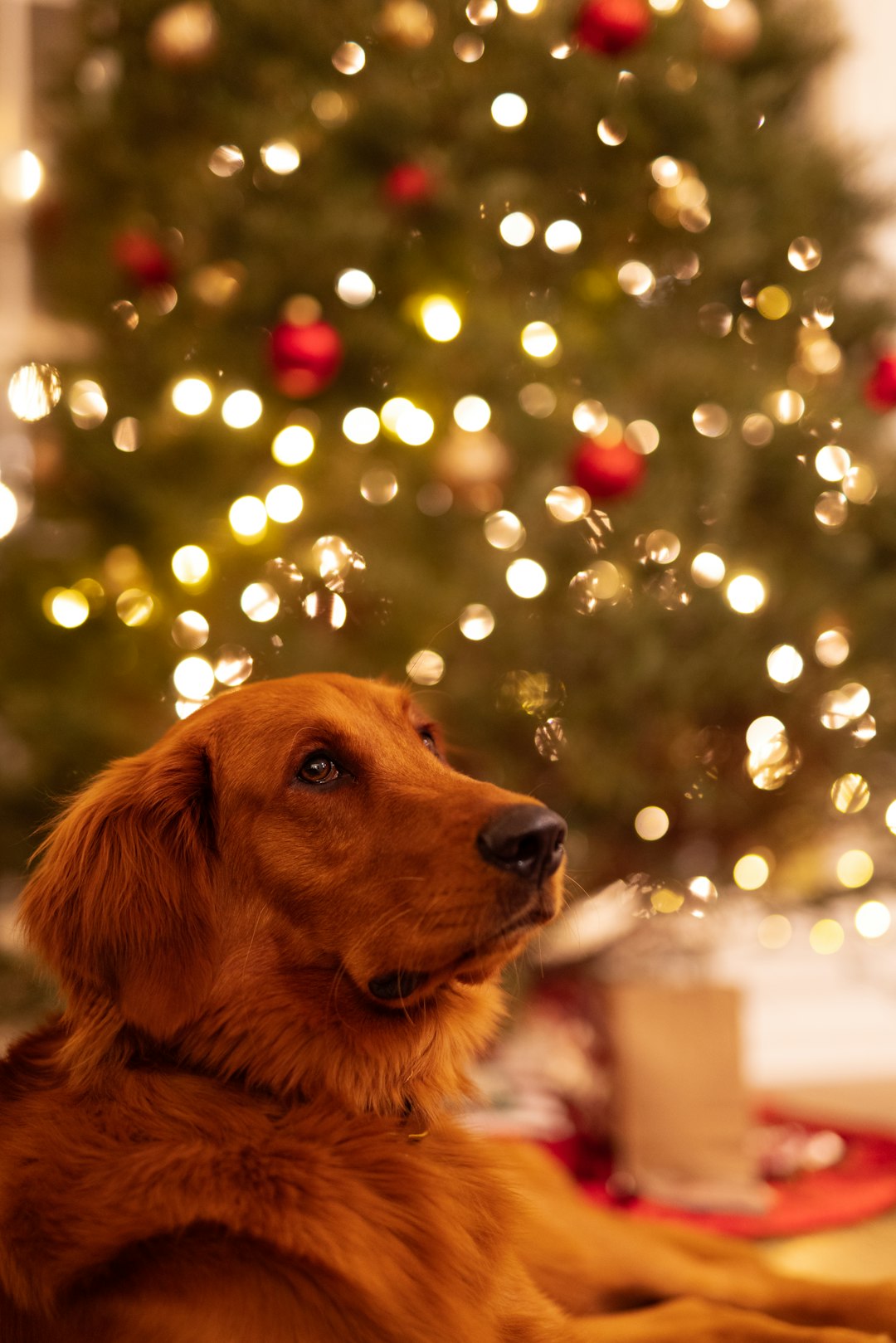
Imagine it’s the holiday season, and you’ve just put up your beautifully decorated Christmas tree. The twinkling lights and shiny ornaments bring joy to your home.
But amidst the festive cheer, there’s a question nagging at you: “Are Christmas trees poisonous to dogs? ” If you’re a pet owner, this concern is valid. Your furry friend is part of your family, and ensuring their safety is your top priority.
As you watch your dog curiously sniffing around the tree, you can’t help but wonder if those pine needles or tree water pose a risk. You might even worry about the tempting ornaments that your dog could mistake for toys. You’re not alone in this concern. Many pet owners face the same dilemma during the holidays. You want to enjoy the season without the anxiety of potential harm to your beloved pet. We’ll explore everything you need to know about Christmas trees and their potential risks to your dog. You’ll find out how to keep your furry friend safe while still enjoying the festive spirit. Keep reading to discover simple tips and expert advice that can help you protect your pet and ensure a worry-free holiday season.
Common Christmas Tree Types
Choosing a Christmas tree is a cherished tradition. But if you have a dog, you might wonder about their safety. Let’s explore common Christmas tree types and their effects on dogs.
Natural Trees
Natural trees are popular for their fresh scent and classic look. Common types include fir, pine, and spruce. They can pose risks to dogs. Pine needles can cause mouth irritation. They might also cause stomach issues if swallowed. Ensure fallen needles are cleaned regularly. Tree water can contain fertilizers or bacteria. These can be harmful if ingested by pets.
Artificial Trees
Artificial trees offer a safer alternative. They are made from non-toxic materials. Dogs are less likely to ingest harmful parts. Despite this, decorations might still pose a threat. Ensure ornaments are securely attached. Avoid placing enticing items within reach. Artificial trees require minimal maintenance, making them a pet-friendly choice.
Potential Hazards From Natural Trees
Christmas trees can pose a risk to dogs. Pine needles may cause digestive issues if ingested. Tree water often contains fertilizers or preservatives, which can be harmful.
Potential Hazards from Natural Trees Natural Christmas trees bring warmth and cheer. Their scent fills homes with joy. But hidden dangers lurk for curious dogs. Understanding these hazards can ensure a safe holiday season.Pine Needles And Sap
Pine needles are sharp and can puncture a dog’s skin. If swallowed, they may cause digestive issues. The sap from pine trees can stick to fur. Dogs may lick the sap, leading to upset stomachs. Some saps contain irritants. These can cause skin rashes or allergic reactions.Tree Water Contaminants
Water at the base of the tree can be tempting. Dogs may drink it, unaware of the risks. Tree water often contains fertilizers or pesticides. These chemicals can harm your pet. Bacteria grow in stagnant water. It can lead to infections or illnesses. Keep the water covered to protect your dog.Dangers Of Artificial Trees
Artificial Christmas trees can pose hidden dangers to dogs. While they offer convenience, these trees may contain risks for your furry friend. It’s crucial to understand what makes these trees potentially hazardous.
Materials Used
Many artificial trees are made from plastic or PVC materials. These materials can be toxic if ingested by dogs. Some trees may also contain metal parts. Metal parts can be harmful if chewed. Chemicals used in tree production can emit fumes. These fumes may irritate a dog’s respiratory system.
Choking Hazards
Artificial trees often have small detachable parts. These parts can pose choking hazards to dogs. Decorations and fake needles can be easily swallowed. This can lead to choking or intestinal blockage. Keep an eye on dogs around these trees. Ensure they do not ingest any pieces.
Symptoms Of Poisoning In Dogs
Christmas trees can pose a risk to dogs. Dogs may show various symptoms if they ingest pine needles or other tree parts. Understanding these symptoms helps in quick response.
Digestive Issues
Dogs may experience vomiting after eating pine needles. Diarrhea is another common symptom. Some dogs might have a reduced appetite. Watch for signs of stomach pain. A swollen belly can indicate trouble.
Skin Irritation
Direct contact with pine needles can cause skin irritation. Dogs may scratch or bite the affected area. Redness on the skin can be a sign. Swelling may occur around the irritated spot. Check for any rashes developing.
Preventive Measures
Christmas trees can pose risks for dogs if ingested. Pine needles might irritate a dog’s stomach. Secure trees to prevent tipping accidents.
Preventive Measures Christmas trees can pose risks to dogs. They may chew on branches or ingest needles. The sap can be irritating and some trees are toxic. Taking preventive measures ensures a safe holiday season.Safe Tree Placement
Choose a location away from where your dog spends most time. Ensure the tree is stable and won’t tip over easily. Avoid placing it near stairs or furniture your dog can climb. Use barriers like baby gates if needed. Keep lights and decorations out of reach. Dogs may chew wires or swallow ornaments. Consider hanging delicate items higher on the tree.Monitoring Pets
Keep an eye on your dog around the tree. Supervise them and watch for signs of distress or interest in the tree. Training can help teach your dog to avoid the area. Use commands like “leave it” or “stay away.” Consider using pet-safe deterrents to keep them away. Bitter sprays can discourage chewing on branches. Provide toys and treats to distract them from the tree.Alternative Pet-safe Decorations
Many Christmas trees, like pine and fir, can be harmful to dogs if ingested. Opt for pet-safe decorations to avoid any risks. Consider using artificial trees or non-toxic plants to keep the holiday spirit alive without endangering your furry friends.
Decorating for the holidays is a joyous occasion, but as a pet owner, you might be concerned about the safety of your furry friends. Traditional Christmas decorations can pose risks to pets, particularly dogs. Fortunately, there are several pet-safe alternatives that allow you to enjoy festive decor without compromising your dog’s well-being. Let’s explore some options that bring holiday cheer while ensuring your pet’s safety.Non-toxic Ornaments
When decking out your tree, choose ornaments made from non-toxic materials. Consider using wooden ornaments, felt decorations, or fabric-covered baubles. These not only add charm but also keep your dog safe if they decide to investigate with their teeth. Avoid glass ornaments, which can shatter and cause injuries. Instead, opt for shatterproof plastic ornaments that look just as beautiful. Remember to secure ornaments higher up on the tree, out of reach from curious paws.Pet-friendly Plants
While poinsettias and mistletoe are popular holiday plants, they can be harmful to dogs if ingested. Substitute these with pet-friendly plants like spider plants or Boston ferns. These options are not only safe but also add a refreshing touch of greenery to your decor. Consider using rosemary or lavender as festive greenery. These plants are not only safe for dogs but can also fill your home with a delightful aroma. Do you have a favorite pet-safe plant that you use during the holidays? Share your ideas and inspire others to create a pet-friendly festive haven!Frequently Asked Questions
Are Christmas Trees Toxic To Dogs?
Yes, some Christmas trees can be toxic to dogs. Fir tree oils may cause vomiting and diarrhea. Pine needles can also irritate their stomach. It’s best to keep dogs away from the tree and clean up fallen needles promptly to prevent ingestion.
Can Dogs Eat Christmas Tree Needles?
No, dogs should not eat Christmas tree needles. Ingesting needles can irritate their stomach and cause digestive issues. They can also pose a choking hazard or cause internal damage. Always keep the area around your Christmas tree clean and monitor your dog closely.
What Symptoms Indicate Tree Poisoning In Dogs?
Symptoms of tree poisoning in dogs include vomiting, drooling, and diarrhea. You may also notice lethargy or difficulty breathing. If you suspect your dog has ingested tree material, contact a veterinarian immediately for appropriate treatment and advice.
How Can I Protect My Dog From Tree Hazards?
To protect your dog, keep the tree area secure and clean. Use barriers to prevent access and regularly sweep fallen needles. Consider using artificial trees or non-toxic species. Always supervise your dog around the tree to ensure their safety.
Conclusion
Christmas trees can be harmful to dogs. Pine needles may irritate their mouth. Some trees have toxic chemicals. Dogs might eat decorations, causing blockages. Always supervise your pet around the tree. Consider using a pet-safe barrier. Choose non-toxic decorations. Clean up fallen needles promptly.
Keep water additives away from pets. Consult a vet if your dog ingests something harmful. Safety ensures a joyful holiday for all. Enjoy the festive season with care.

Similar Posts