Are Real Christmas Trees Safe for Dogs: Essential Tips
Senior Canine Nutritionist & Dog Behavior Specialist at Cozy Dog Go Wellness Lab
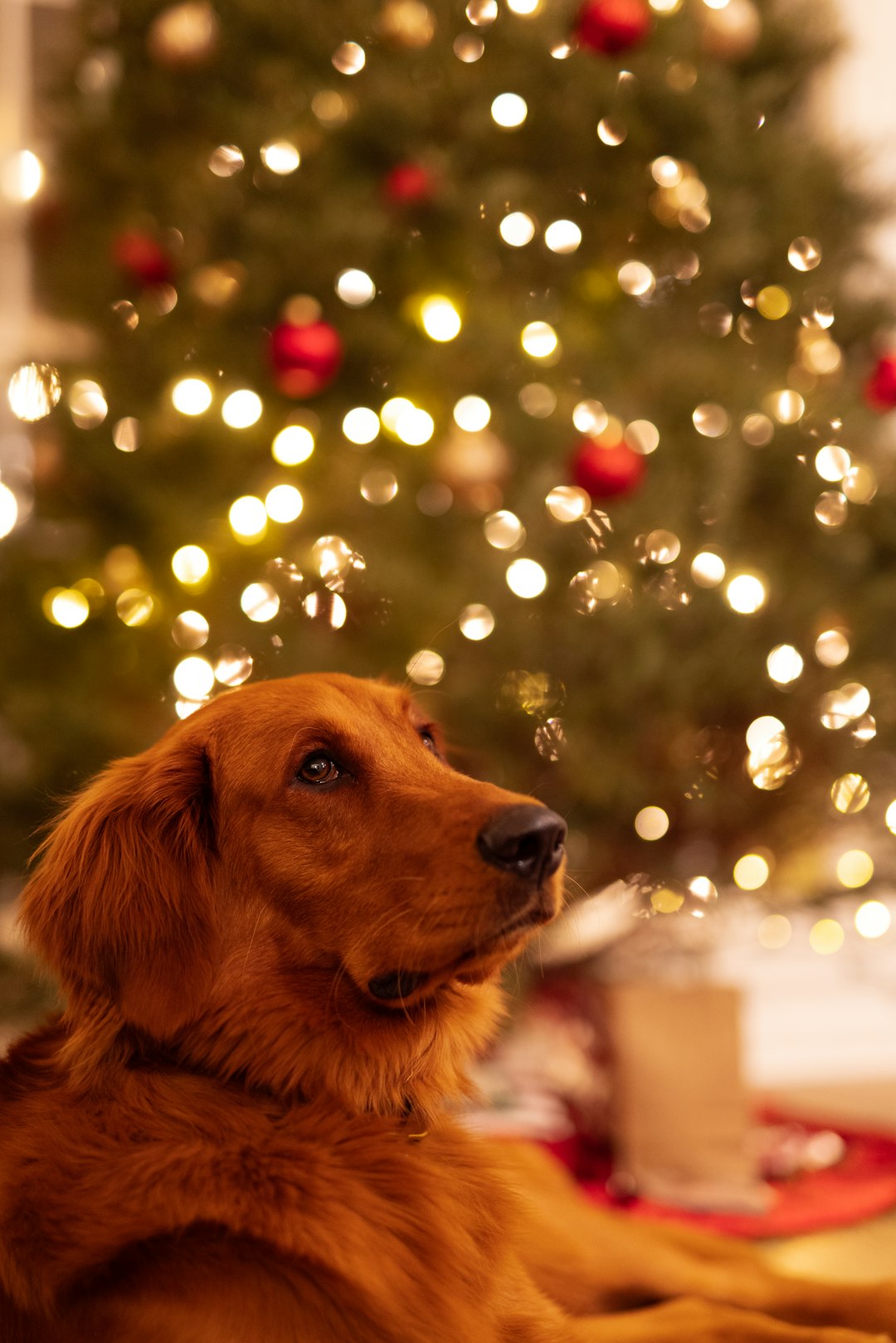
Christmas is a magical time of the year. You can almost feel the excitement in the air as you decorate your home and prepare to celebrate with loved ones.
But if you’re a dog owner, you might be wondering whether your festive centerpiece—a real Christmas tree—is safe for your furry friend. This question is more common than you think, and you’re definitely not alone in seeking answers. Real Christmas trees bring a fresh scent and traditional beauty into your home.
Yet, they can pose potential hazards for dogs, from needles that can be harmful if ingested to water additives that might be toxic. Your dog is an important part of your family, so understanding the risks and knowing how to keep them safe is crucial. Curious about how to ensure a happy holiday for both you and your dog? Keep reading to discover practical tips and insights that will help you create a festive environment that’s both beautiful and safe.
Benefits Of Real Christmas Trees
Real Christmas trees can be safe for dogs with proper care. Ensure the tree is stable to prevent tipping. Keep water additives out of reach, as they can be harmful if ingested. Regularly clean fallen needles to avoid ingestion and potential digestive issues.
Real Christmas trees offer several benefits, enhancing your festive season experience. They bring a touch of nature into your home, creating a warm and inviting atmosphere. Their natural aroma and beauty make them a popular choice among many families. Besides their aesthetic appeal, real trees also contribute positively to the environment. Understanding these benefits can help you decide if a real tree suits your family, especially if you have pets like dogs.Natural Aesthetics
A real Christmas tree provides a genuine natural look. Its vibrant green needles and unique shape add charm to your living space. Each tree has its own distinct character, offering a personalized feel. The fresh scent of pine fills the air, enhancing the festive mood. This natural fragrance is both refreshing and calming.Environmental Impact
Real trees are renewable resources. They are grown on farms specifically for the holiday season. This means no forests are harmed. While growing, these trees absorb carbon dioxide and release oxygen. This process helps improve air quality. After the holidays, real trees can be recycled or repurposed. They can be turned into mulch or compost, benefiting the environment. Buying a real tree supports local farmers and the economy.Potential Risks To Dogs
As the holiday season approaches, many dog owners face the dilemma of choosing between a real or artificial Christmas tree. While real trees add a charming, authentic touch to your festive décor, they can pose certain risks to your furry friends. Understanding these potential hazards is crucial to ensuring a safe holiday environment for both your pets and family. Let’s dive into some of the risks associated with real Christmas trees and how you can mitigate them.
Pine Needles And Toxins
Real Christmas trees, particularly pine varieties, can shed needles that may be harmful to your dog. These needles are sharp and can irritate your dog’s mouth, throat, and stomach if ingested. You might notice your dog coughing or experiencing digestive issues if they have consumed pine needles. It’s essential to keep the area around your tree clean and check your dog’s behavior during this time.
Moreover, some types of pine trees contain natural oils and toxins that can be harmful to dogs. While the risk is relatively low, it’s worth considering if your dog is prone to chewing on tree branches or leaves. Keeping an eye on your dog’s interactions with the tree and providing safe chew alternatives can help prevent any adverse effects.
Water Additives
The water in your Christmas tree stand might seem harmless, but it can pose hidden risks to your dog. To keep trees fresh, some people add preservatives or fertilizers to the water. If your dog drinks this water, they could ingest these chemicals, leading to vomiting or other health issues. It’s crucial to cover the tree stand or make it inaccessible to your pet.
Even if you don’t use any additives, stagnant water can still be a breeding ground for bacteria. Curious dogs may be tempted to drink it, risking exposure to potential pathogens. Regularly changing the water and ensuring the stand is securely covered can help prevent these risks.
Is your dog particularly curious about the Christmas tree? Share your experiences and tips in the comments below. Your insights might help fellow pet owners keep their furry friends safe this holiday season!
Choosing A Dog-friendly Tree
Real Christmas trees can be safe for dogs with careful selection. Opt for non-toxic varieties like spruce, fir, or pine. Keep ornaments and needles out of reach to ensure a pet-friendly holiday environment.
Choosing a Dog-Friendly Tree Selecting a Christmas tree when you have a dog requires more than just finding the perfect shape and size. You need to ensure the tree you choose is safe for your furry friend. Not all trees are created equal when it comes to dog safety. Dogs are naturally curious and may chew on branches or needles, so it’s essential to choose wisely. Here’s how you can make an informed decision for a festive and safe holiday season.Types Of Trees
When looking for a dog-friendly tree, understanding the types available can be a game changer. Common options include pine, spruce, and fir trees. Each of these has different characteristics that can impact your dog. For instance, pine trees have long needles, which can be a choking hazard if your dog decides to chew on them.Safe Varieties
Certain varieties are safer than others for homes with dogs. Fir trees, such as the Noble Fir, have softer needles and produce less sap, reducing the risk of your dog ingesting something harmful. Spruce trees, while beautiful, often have sharp needles that can be problematic. A good rule of thumb is to test the needle’s softness before purchasing. Consider using a table or list to explore the different types available at your local tree farm. Knowing which varieties are less likely to cause problems can make your decision easier. Are you prepared to make your Christmas both festive and safe? Remember, a little research can go a long way in keeping your dog happy and healthy this holiday season.Tree Placement And Safety
Welcoming a real Christmas tree into your home can bring festive joy, but if you have a dog, ensuring the tree’s safety is crucial. Tree placement plays a significant role in keeping your furry friend safe, preventing accidents, and maintaining the holiday spirit without any mishaps. Let’s delve into key aspects of positioning your tree securely and avoiding decorations that could pose risks to your dog.
Secure Positioning
Position your Christmas tree in a corner or against a wall where it’s less likely to tip over. This strategic placement not only prevents accidents but also limits access for curious pups. You might want to consider anchoring the tree to the wall or ceiling using hooks or ties to increase stability.
Think about your dog’s usual path around the house. Is there a way to place the tree away from their favorite lounging spot or their race track? This simple observation can save you from potential chaos.
Reflecting on last Christmas, a friend of mine anchored their tree with fishing line after their dog knocked it over during an excited play session. That small adjustment made all the difference in keeping the tree upright for the rest of the holiday season.
Avoiding Decorations
While decorations add to the festive cheer, they can also be hazardous for dogs. Avoid using edible ornaments or ones that look like toys, as these can tempt your dog to pull them down or chew on them. Glass ornaments are also risky; consider using shatter-proof options instead.
Think of decorations like tinsel and garlands—these can be choking hazards if your dog decides to play with them. Opt for alternatives like ribbons or bows, which are less likely to cause harm.
Do you really need to decorate the lower branches of your tree? Keeping these bare or using safe, dog-friendly ornaments can help minimize risks. After all, isn’t your pet’s safety worth a little less sparkle at the bottom?
Maintaining A Safe Environment
Real Christmas trees can be safe for dogs with proper precautions. Secure the tree to prevent tipping. Keep pine needles off the floor, as they can be harmful if ingested.
Maintaining a Safe Environment Creating a safe environment for your dog during the festive season is essential. Real Christmas trees can add beauty to your home, but they also pose potential risks to curious pets. With a few precautions, you can ensure your furry friend enjoys the holiday safely.Monitoring Dog Behavior
Keep an eye on your dog’s interactions with the Christmas tree. Some dogs may be tempted to chew on branches or drink the tree water. These actions can lead to digestive issues or worse. Consider setting boundaries with a baby gate or using pet deterrent sprays on lower branches. Training your dog to stay away from the tree can also help. This is a great opportunity to reinforce commands like “leave it” or “stay.”Regular Cleanup
Fallen pine needles can be hazardous if ingested by dogs. Make it a routine to sweep or vacuum the area around the tree. This not only prevents ingestion but also keeps your home neat. Additionally, check the tree water regularly. It can become contaminated with bacteria or chemicals from preservatives. Ensure it’s covered or inaccessible to pets. Have you ever noticed how quickly dogs learn from their environment? It’s amazing how a few consistent actions can shape their behavior. Keeping a clean and monitored space will protect them from any holiday mishaps.Alternatives To Real Trees
Decorating for Christmas can be tricky for dog owners. Real trees may pose risks, like pine needles and toxic sap. Luckily, there are safer options that can keep the holiday spirit alive without endangering your furry friend.
Artificial Trees
Artificial trees are a great alternative. They don’t shed needles and are non-toxic. Choose a tree with a stable base. This prevents tipping if your dog bumps into it. Opt for a smaller size if space is limited. You can still decorate it beautifully without risking your dog’s safety.
Pet-friendly Decorations
Decorate with pet-safe materials. Avoid tinsel, which can be harmful if ingested. Use shatterproof ornaments instead of glass ones. Ribbons and bows are safer than hooks or wires. Place fragile decorations higher up, out of your dog’s reach.
Frequently Asked Questions
Are Real Christmas Trees Toxic To Dogs?
Real Christmas trees like fir, spruce, and pine are generally non-toxic. However, ingestion of pine needles can cause mild irritation. It’s always wise to monitor your dog around the tree. Ensure fallen needles are cleaned regularly to prevent any accidental ingestion.
Can Dogs Chew On Christmas Tree Branches?
Dogs should not chew on Christmas tree branches. Chewing can lead to digestive issues or mouth injuries. The branches may contain sap or oils that could upset your dog’s stomach. It’s best to discourage this behavior and provide safe chew toys instead.
How To Keep Dogs Away From Christmas Trees?
To keep dogs away, use barriers or baby gates around the tree. You can also spray tree branches with pet-safe deterrents. Providing engaging toys can distract dogs from the tree. This keeps your dog safe and prevents tree damage.
Do Tree Ornaments Pose A Risk To Dogs?
Yes, ornaments can pose a risk to dogs. They may be tempted to chew or swallow them, causing choking or digestive issues. Choose shatterproof ornaments and hang them high out of your dog’s reach to prevent accidents.
Conclusion
Real Christmas trees can be safe for dogs with care. Choose non-toxic trees like firs or spruces. Keep decorations out of your dog’s reach. Secure the tree to prevent it from tipping over. Clean up fallen needles regularly. They can cause stomach issues if eaten.
Monitor your dog around the tree. Supervise their interactions. By taking these steps, you ensure a safe holiday environment. Enjoy the festive season with peace of mind. Your furry friend will thank you. Happy holidays to you and your pup!

Similar Posts