Are Flea Collars Safe for Dogs? Uncover the Truth
Are you worried about your dog scratching more than usual? Fleas might be the sneaky culprits causing your furry friend discomfort.
If you’re considering flea collars as a solution, you’re not alone. Many pet owners wonder, “Are flea collars safe for dogs? ” You want the best for your four-legged family member, and choosing the right flea prevention method is crucial.
We’ll dive into the safety and effectiveness of flea collars, exploring what you need to know to keep your dog happy and healthy. Stick around to discover the facts that will help you make an informed decision for your pet’s wellbeing.

Credit: www.amazon.com
Flea Collar Basics
Flea collars serve as a common solution for dog owners. They offer a convenient way to control fleas. These collars release active ingredients that repel or kill fleas. Understanding the basics helps in choosing the right one for your furry friend.
How Flea Collars Work
Flea collars release chemicals that spread through your dog’s skin. This process creates a protective barrier against fleas. Some collars kill fleas on contact. Others repel fleas before they bite. The collar’s effectiveness depends on its ingredients and your dog’s size.
Types Of Flea Collars
Flea collars come in various types, each with unique benefits.
- Repellent Collars:These collars emit a gas that keeps fleas away. They are best for preventing infestations.
- Treatment Collars:These contain insecticides that kill existing fleas. They work by spreading chemicals through the dog’s fur.
- Natural Collars:Made from essential oils, these are ideal for sensitive dogs. They provide a chemical-free flea control option.
Choosing the right type depends on your dog’s needs and lifestyle. Always consult your vet for the best advice.

Credit: www.amazon.com
Potential Risks
Flea collars are a popular choice for many pet owners, but have you ever stopped to consider the potential risks they may pose to your furry friend? While they promise to keep fleas at bay, it’s crucial to understand the ingredients and possible health concerns. Before slipping a collar around your dog’s neck, let’s explore what goes into these products and what you should be aware of.
Chemical Ingredients
Flea collars often contain insecticides designed to repel or kill fleas. Common chemicals include imidacloprid, flumethrin, and tetrachlorvinphos. These ingredients are effective in flea prevention but can also be harmful if your dog has a sensitivity or if the collar is misused.
Have you ever read the ingredient list on a flea collar package? It’s a good habit to get into. Understanding what these chemicals do can help you make informed decisions about your dog’s health.
Health Concerns
Some dogs may experience adverse reactions to flea collars, including skin irritation, redness, or hair loss. In severe cases, exposure to the chemicals can lead to neurological issues or gastrointestinal distress. If your dog starts showing unusual symptoms after wearing a collar, it’s important to consult your vet immediately.
Is the convenience of a flea collar worth the potential health risks? Weighing the pros and cons can help you decide the best course of action for your pet. Remember, every dog is unique, and what works for one might not be suitable for another.
Safety Guidelines
Flea collars are a popular choice for controlling pests on dogs. But are they safe? Understanding safety guidelines can help protect your furry friend. Follow these tips for proper usage and monitoring.
Proper Usage
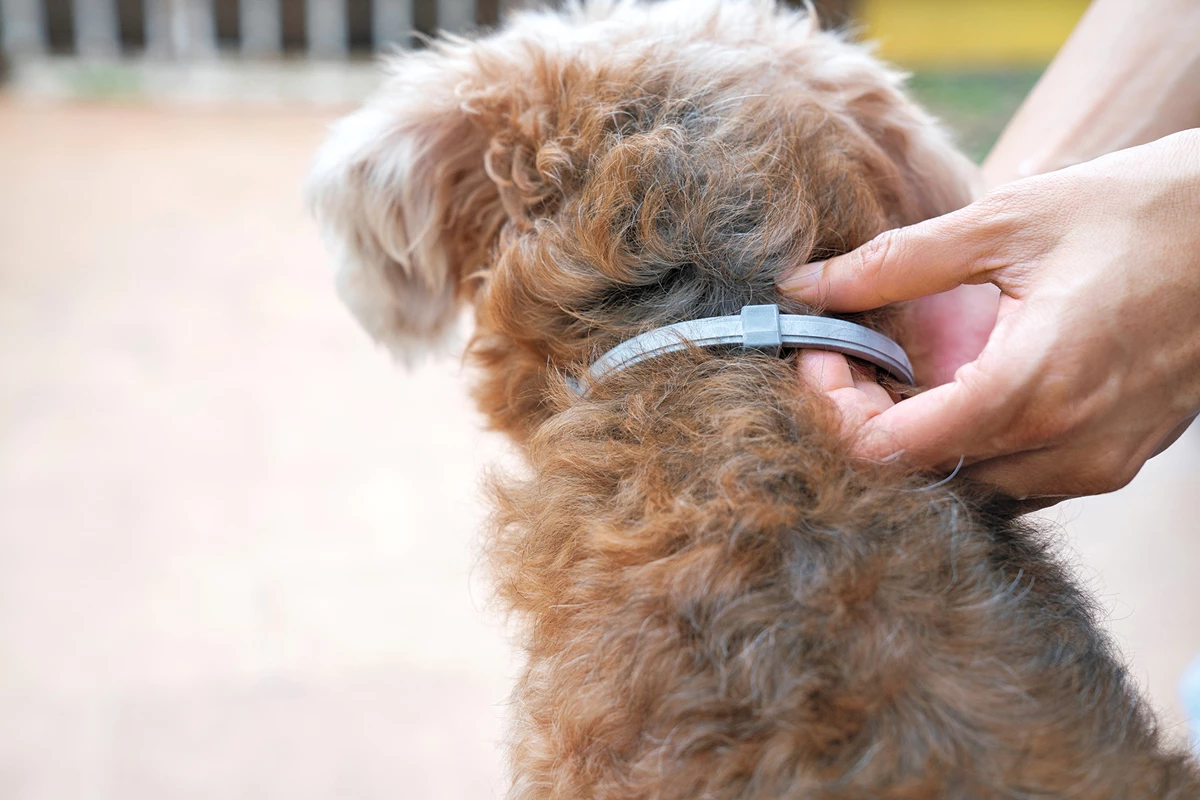
Ensure the collar fits snugly but comfortably. It should allow room for two fingers between the collar and neck. Read the instructions carefully before using. Some collars need activation by stretching. Avoid using multiple flea treatments together. This can increase risk of side effects.
Monitoring And Precautions
Watch for signs of irritation or allergic reactions. These include redness, itching, or swelling. If you notice any of these, remove the collar immediately. Consult your vet if symptoms persist. Regularly check the collar’s condition. Replace if damaged or worn out. Keep an eye on your dog’s behavior. Unusual changes can indicate a problem.

Credit: www.wondercide.com
Alternatives To Flea Collars
Flea collars have long been a popular choice for keeping pesky parasites away from our furry friends. However, concerns about their safety and effectiveness have led many pet owners to search for alternatives. Whether you’re looking for a more natural approach or a topical solution, there are plenty of options available to keep your dog flea-free without a collar. Let’s explore some of these alternatives and see what might work best for your canine companion.
Topical Treatments
Topical treatments are a straightforward way to combat fleas. These solutions are applied directly to your dog’s skin, usually between the shoulders, where they spread throughout the skin’s oils. Popular brands offer treatments that can last up to a month, providing consistent protection. If you’ve ever felt overwhelmed by the variety in stores, remember to focus on your dog’s specific needs and consult your vet for recommendations.
Look for products that contain active ingredients like fipronil or imidacloprid, which are effective in killing fleas and preventing infestations. The ease of application and quick action make topical treatments a favored choice among dog owners seeking convenience and reliability.
Natural Remedies
For those who prefer a chemical-free approach, natural remedies can offer a surprising level of protection against fleas. Essential oils, such as lavender or cedarwood, have repellent properties that can be safe and effective when used correctly. Mixing these oils with water and lightly misting your dog’s coat can create a barrier against fleas.
Another option is to add brewer’s yeast to your dog’s food. This dietary supplement is believed to create an unfavorable environment for fleas. It’s fascinating how simple changes in diet can impact your dog’s flea situation. Have you considered how your dog’s diet might be affecting their overall health, including flea resistance?
While natural remedies can be effective, it’s crucial to ensure that they are safe for your dog. Always test a small area first and watch for any adverse reactions.
Exploring these alternatives not only helps you tailor the best solution for your pet but also empowers you to make informed choices about their health and well-being. Which option resonates with you and your furry friend? Share your thoughts and experiences in the comments below!
Expert Opinions
Many dog owners worry about the safety of flea collars. They want their pets safe and free from pests. Experts have shared their thoughts on this matter. Let’s explore what veterinarians and pet owners think.
Veterinarian Perspectives
Veterinarians often recommend flea collars. They find them effective in controlling fleas. They ensure collars contain safe ingredients. Not all collars are suitable for every dog. Veterinarians suggest checking for allergies first. A vet visit can help determine the best option. Some collars may irritate sensitive skin. Vets advise monitoring any reactions carefully.
Pet Owner Experiences
Pet owners have varied experiences with flea collars. Some find them very useful. Their dogs stay flea-free for months. Others report issues with skin irritation. Choosing the right collar is important. Reading labels helps in understanding the ingredients. Owners should watch for any unusual symptoms. Regular checks ensure the dog stays healthy. Many share positive results online. Collars can be a convenient solution.
Making An Informed Choice
Choosing flea collars for dogs involves understanding their safety. Research active ingredients and consult your veterinarian. Ensure the collar is suitable for your dog’s size and age.
Making an informed choice about flea collars for your dog is crucial for their health and safety. With a variety of products available, it’s important to weigh the pros and cons of each option. Your decision should be guided by understanding the specific needs and circumstances of your furry friend.Evaluating Risks Vs. Benefits
Flea collars can be effective in repelling and killing fleas, offering your dog relief from these pesky parasites. However, like any product, they come with potential risks. Some dogs may experience skin irritation or allergic reactions. To make an informed choice, consider the severity of your dog’s flea problem. If your dog’s environment is heavily infested, the benefits of using a flea collar might outweigh potential risks. Always consult with your veterinarian for advice tailored to your dog’s specific health needs.Tailoring Solutions For Your Dog
Every dog is unique, and what works for one may not work for another. Consider your dog’s size, breed, age, and health status when choosing a flea collar. Puppies and senior dogs may require different products than healthy adult dogs. Are you aware of your dog’s sensitivities? Some collars contain chemicals that might not suit dogs with sensitive skin. Opt for hypoallergenic options or natural alternatives if your dog has a history of allergies. Lastly, observe your dog’s behavior and health regularly. If you notice any adverse reactions, discontinue use immediately and consult your vet. Making a tailored choice ensures your dog’s safety and comfort.Frequently Asked Questions
Are Flea Collars Safe For All Dog Breeds?
Flea collars are generally safe for most dog breeds. However, some dogs may have sensitive skin. Always consult your vet before using a flea collar. Ensure the collar fits properly and is not too tight.
Can Flea Collars Cause Skin Irritation In Dogs?
Yes, flea collars can sometimes cause skin irritation in dogs. This is usually due to allergies or sensitivities. If irritation occurs, remove the collar immediately. Consult your veterinarian for alternative flea prevention solutions.
How Long Can A Dog Wear A Flea Collar?
Most flea collars are designed to last between 3 to 8 months. This depends on the brand and type. Always follow the manufacturer’s instructions for the best results. Check regularly for any signs of discomfort or irritation.
Do Flea Collars Effectively Prevent Ticks?
Flea collars can be effective in preventing ticks, depending on the product. Some collars target both fleas and ticks. Always choose a reputable brand and check reviews. Consult your vet for recommendations tailored to your dog’s needs.
Conclusion
Flea collars can be safe for dogs. Choose the right collar. Check for allergies. Read labels carefully. Follow instructions. Monitor your dog’s skin. Flea collars protect against pests. They can be convenient. Regular checks ensure safety. Consult your vet for advice.
Many options are available. Select one that fits your dog’s needs. Safety matters most. Protect your furry friend. Keep them healthy and happy. Your dog’s well-being is important. Always prioritize their health. Stay informed and make wise choices. Your dog’s comfort matters.
Choose wisely and enjoy peace of mind.