How Do I Use Dog Nail Clippers: Expert Tips Unveiled
Senior Canine Nutritionist & Dog Behavior Specialist at Cozy Dog Go Wellness Lab
Are you struggling with the daunting task of trimming your dog’s nails? You’re not alone.
Many dog owners find themselves anxious or unsure about using nail clippers on their furry friends. Yet, keeping your dog’s nails trimmed is crucial for their comfort and health. Imagine your dog walking painlessly, free from the discomfort of overgrown nails.
Picture the confidence you’ll feel, knowing you can care for this aspect of your pet’s well-being at home. In this guide, you’ll discover simple, stress-free techniques to effectively and safely use dog nail clippers. Get ready to transform nail-trimming time into a positive experience for both you and your pet.

Credit: www.petcloud.com.au
Choosing The Right Nail Clippers
Using dog nail clippers correctly ensures a safe grooming experience for pets. Hold the paw firmly and clip the nail at a slight angle, avoiding the quick. Regular trimming prevents discomfort and maintains healthy paws.
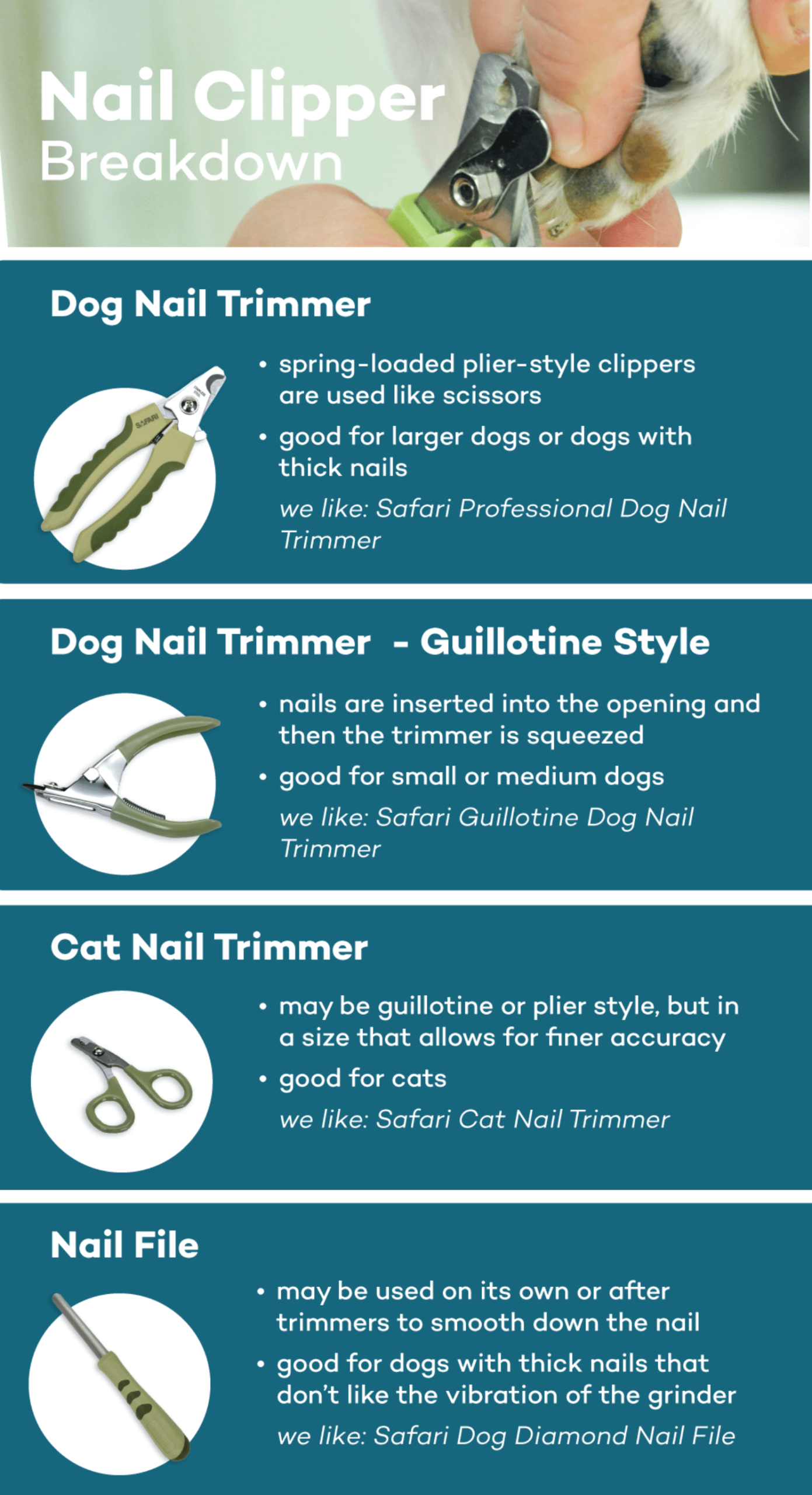
Choosing the right nail clippers for your dog can make all the difference in ensuring a smooth and stress-free grooming experience. Not all clippers are created equal, and picking the wrong type can lead to discomfort for your furry friend or even injury. Let’s explore the different types of nail clippers available and the factors you should consider when selecting the perfect pair.Types Of Nail Clippers
There are several types of nail clippers designed specifically for dogs: – Guillotine Clippers: These are great for small to medium-sized dogs. They have a hole where you insert the nail and then squeeze the handle to cut. – Scissor Clippers: Ideal for larger dogs, these work like a pair of scissors and are perfect for thicker nails. – Grinder Tools: These are electric or battery-powered and file down the nail gradually. They’re good for dogs that are nervous about clipping. Each type has its pros and cons, so consider your dog’s size and temperament when choosing.Factors To Consider
Several factors can guide your decision: – Dog Size and Nail Thickness: Larger dogs typically have thicker nails, requiring stronger clippers like scissor types. Smaller dogs might do better with guillotine clippers. – Comfort and Grip: Look for clippers with non-slip grips. A comfortable grip ensures you can hold the clippers steady, reducing the risk of slipping. – Safety Features: Some clippers come with safety guards to prevent cutting too much nail. This is especially useful if you’re new to grooming. – Noise Level: If you opt for a grinder, ensure it’s quiet enough not to scare your dog. A noisy tool can make the process more stressful. Choosing the right tool isn’t just about efficiency; it’s about ensuring a positive experience for both you and your dog. Have you considered what might work best for your pet’s unique needs?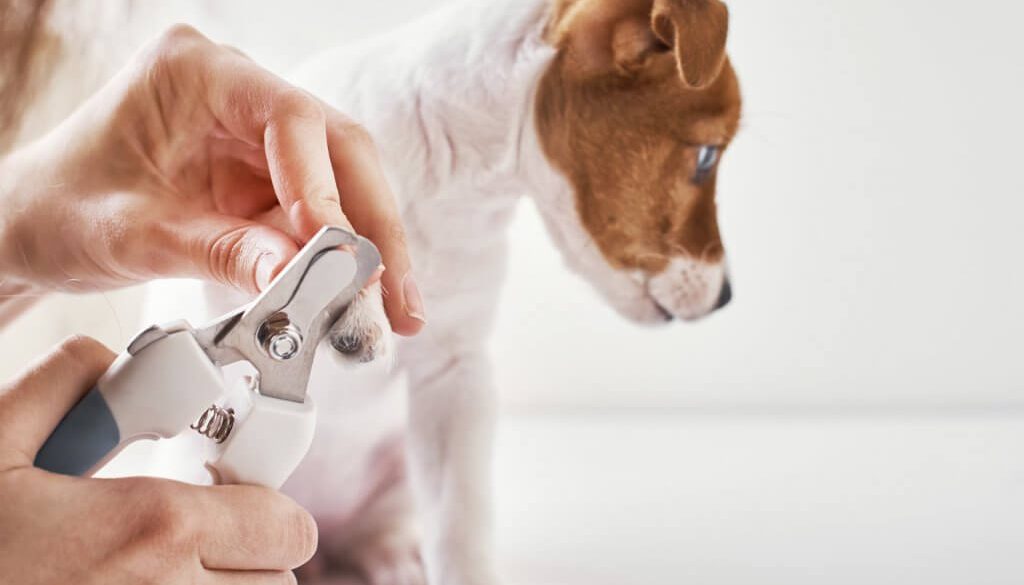
Credit: vetpetacademy.com
Preparing Your Dog
Using dog nail clippers correctly ensures your pet’s comfort and safety. First, get your dog comfortable with the clippers. Trim a little at a time to avoid cutting too much.
Preparing your dog for nail clipping is crucial. It ensures a stress-free experience for both you and your furry friend. Many dogs feel anxious during grooming sessions. With the right preparation, you can ease their discomfort and make the process smoother.Creating A Calm Environment
A calm environment helps your dog relax. Choose a quiet spot free from distractions. Soft lighting and soothing music can enhance the atmosphere. Avoid sudden movements or loud noises. Speak in gentle tones to reassure your pet. Your dog should feel safe and secure. A calm setting is vital for a successful nail clipping session.Gathering Necessary Supplies
Having the right tools nearby saves time. Gather your supplies before starting. You’ll need dog nail clippers suited to your dog’s size. Have a nail file ready for smoothing edges. Keep styptic powder close in case of bleeding. A towel or blanket can provide comfort. Treats are essential for rewarding good behavior. They help maintain a positive experience.Step-by-step Clipping Process
Trimming your dog’s nails can seem daunting. Yet, with the right steps, it becomes manageable. A calm environment is crucial. Gather your supplies beforehand. You’ll need dog nail clippers, a file, and some treats. Now, let’s explore the process together.
Inspecting The Nails
Start by examining your dog’s nails. Check for any cracks or splits. Healthy nails are smooth and even. Look for the quick, a sensitive area with nerves and blood vessels. In light-colored nails, it appears pink. In dark nails, it’s harder to see. Trim cautiously to avoid hurting your pet.
Positioning The Clippers
Get your dog comfortable. Hold their paw gently but firmly. Keep the clippers at a right angle to the nail. This angle gives a clean cut. Ensure you have a steady grip. Avoid sudden movements that can startle your dog. Calm reassurance helps keep them still.
Clipping Techniques
Begin trimming small sections of the nail. Cut a little at a time. This prevents cutting into the quick. If unsure, stop and check the nail. Use a file to smooth rough edges. Provide treats and praise to reinforce positive behavior. Repeat this process for each nail.

Credit: www.amazon.com
Avoiding Common Mistakes
Using dog nail clippers can be tricky. Many pet owners make common mistakes. Avoiding these errors ensures your dog’s comfort. It also prevents injuries during nail trimming.
Identifying The Quick
The quick is the sensitive part of the nail. It contains nerves and blood vessels. Cutting into the quick causes pain and bleeding. To identify it, look for a pinkish area inside the nail. Trim a small part of the nail first. Check for signs of the quick. If you see a pale circle, stop trimming.
Preventing Splitting And Cracking
Splitting occurs when nails are clipped incorrectly. Use sharp clippers to avoid this issue. Dull blades cause uneven pressure. This leads to cracking. Hold the clippers steady while trimming. Clip in one quick motion. Slow or hesitant cuts increase the risk of splits. Trim nails regularly to reduce brittleness. Brittle nails split easily.
Handling Difficult Dogs
Using dog nail clippers requires patience and calm. Begin by gently holding the paw and reassuring your dog. Position the clippers correctly, avoiding the quick, and trim slowly to prevent discomfort.
Handling difficult dogs during nail clipping can be a challenging task. Every dog is unique, and some might exhibit anxiety or fear. This makes the process more daunting for both you and your furry friend. However, with patience and the right techniques, you can manage these situations effectively.Managing Anxiety
Anxiety in dogs can manifest as trembling, hiding, or even growling. It’s crucial to first create a calm environment. Use a quiet room away from loud noises and distractions. Consider using calming aids like a Thundershirt or pheromone sprays. These can help reduce stress and make your dog feel more secure. My dog used to tremble at the sight of clippers, but after introducing a calming spray, the difference was noticeable. Remember to observe your dog’s body language. If they seem overly stressed, take a break. It’s better to pause and try again later than to force the situation.Using Positive Reinforcement
Positive reinforcement can transform a difficult grooming session into a positive experience. Start by showing your dog the clippers and rewarding them with treats. This helps them associate the clippers with something positive. Gradually increase their exposure. Clip just one nail and reward them immediately. Over time, your dog will become more comfortable with the process. Engage your dog with their favorite toys or treats during the session. This keeps their attention on something enjoyable. Ask yourself, what does your dog love most? Use it to your advantage. Consistency is key. Regularly practice this routine to build a positive habit. Your dog will eventually look forward to nail clipping sessions as another opportunity to earn treats and praise.Post-clipping Care
Dog nail clippers should be used with care to ensure your pet’s comfort. After clipping, check for any sharp edges and smooth them with a nail file. Apply a soothing balm if needed to prevent irritation.
After successfully trimming your dog’s nails, post-clipping care is crucial to ensure your furry friend stays comfortable and free from any complications. This part of the process is often overlooked, but it plays a vital role in maintaining your dog’s paw health. Paying attention to the details can make a world of difference.Checking For Bleeding
Once you’ve finished clipping, inspect each nail carefully. Look for any signs of bleeding, particularly if you have cut too close to the quick. If you notice any bleeding, apply a styptic powder or cornstarch to the nail to stop it. Always keep these supplies handy before you start clipping. It’s better to be prepared than to scramble around when an issue arises. If the bleeding doesn’t stop after a few minutes, consult your vet for further advice.Providing Comfort
Post-trim, your dog might feel a bit uneasy or sensitive around their paws. Offer them some comfort by gently massaging their paws. This not only soothes them but also helps you check for any lingering discomfort or pain. Reward your dog with a treat or extra cuddle time to reassure them. Positive reinforcement helps create a pleasant association with nail clipping. Have you noticed how your dog responds to different treats? Choose their favorite to make the experience as positive as possible. Taking these small steps can transform nail trimming from a dreaded chore into a bonding experience. What more could you do to make this process smoother for both you and your dog?When To Seek Professional Help
Trimming your dog’s nails can be a tricky task. Sometimes, it might be necessary to seek professional help. Knowing when to turn to a groomer or vet is crucial. This ensures your dog’s comfort and safety during nail trimming.
Signs Of Distress
Dogs may show signs of distress during nail clipping. Look for trembling or excessive panting. Whining or yelping may indicate pain or discomfort. Struggling and pulling away are clear signs too. If your dog shows these behaviors, professional help is wise.
Benefits Of Professional Grooming
Professional groomers have experience and skills. They can handle anxious dogs calmly. They use equipment designed for comfort and safety. Trimming by a pro reduces the risk of injury. It can save time and stress for both you and your dog. Regular visits can also keep your dog’s nails healthy.
Frequently Asked Questions
What Are The Types Of Dog Nail Clippers?
There are three main types: guillotine, scissors, and grinders. Guillotine clippers work well for small breeds. Scissors are ideal for larger, thicker nails. Grinders smooth nails and reduce splintering. Choose based on your dog’s size and nail thickness.
How Often Should I Clip My Dog’s Nails?
Typically, trim your dog’s nails every 3 to 4 weeks. This prevents overgrowth and discomfort. Frequency depends on your dog’s activity level. Active dogs may need less frequent trims. Always check nails regularly for signs of overgrowth.
Are Dog Nail Clippers Safe To Use?
Yes, when used correctly, they are safe. Ensure you use the right type and size for your dog. Avoid cutting the quick, as it can bleed. Trim small amounts and watch your dog’s reaction.
How Do I Keep My Dog Calm During Clipping?
Start by getting your dog used to handling its paws. Use treats and praise as positive reinforcement. Gradually introduce the clippers and take breaks if needed. Consider using calming aids like sprays or collars.
Conclusion
Using dog nail clippers becomes easy with practice. Start slow and steady. Familiarize your dog with the tool first. Always check for the quick before cutting. Use treats to encourage calm behavior. Trim nails regularly to avoid discomfort. Choose clippers that suit your dog’s nail size.
Keep clippers clean and sharp. Happy paws mean a happy pet. Your dog will thank you! Follow these tips for a stress-free experience. Enjoy bonding while keeping your dog’s nails healthy.

Similar Posts