Are Service Dogs Required to Wear a Vest: Essential Guide
Senior Canine Nutritionist & Dog Behavior Specialist at Cozy Dog Go Wellness Lab
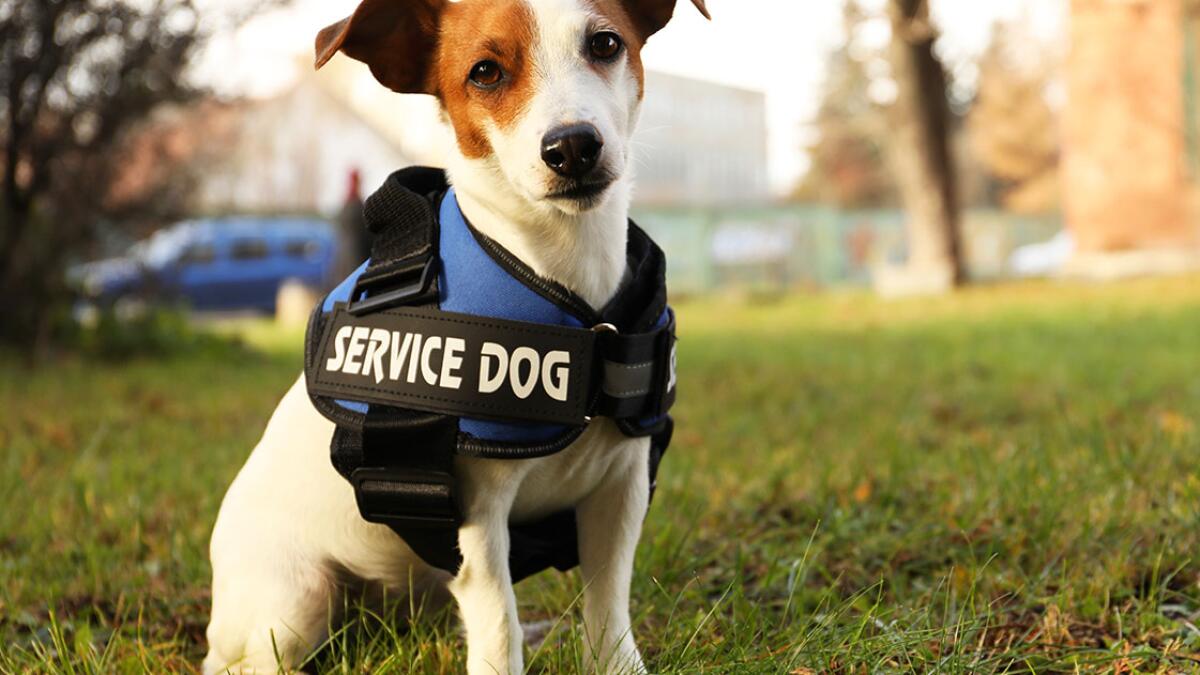
Imagine walking into a store and spotting a dog in a brightly colored vest. Your first thought might be, “Is that a service dog?”
Many people wonder if these special dogs must wear a vest to be recognized. This curiosity often leads to confusion, especially when you see a dog without one. You might worry about breaking a rule or misunderstanding the law. Are you interested in knowing if service dogs are required to wear a vest?
Understanding this could help you feel more confident and informed when you encounter service dogs in public. Dive into this article to clear up the mystery and discover what truly matters for these incredible animals. Let’s untangle the facts together.
Legal Requirements
Service dogs are not legally required to wear vests. Identifying gear is optional, though it helps in public recognition. Always ensure your service dog complies with local regulations.
Understanding the legal requirements for service dogs can be crucial for both handlers and those interacting with these remarkable animals. One common question is whether service dogs are legally required to wear a vest. The answer is not as straightforward as you might think. While some people believe a vest is necessary to identify a service dog, the actual legalities tell a different story.Federal Laws
Under the Americans with Disabilities Act (ADA), service dogs are not required to wear a vest, ID tag, or specific harness. The ADA focuses on the function of the dog rather than its appearance. The key requirement is that the dog must be trained to perform tasks directly related to the handler’s disability. Imagine you are in a bustling airport, and you spot a small dog without a vest quietly guiding its owner. Legally, that dog is fulfilling its role as a service animal, and no vest is needed. The absence of a vest does not diminish its legitimacy as a service dog under federal law.State Variations
While federal laws set the foundation, individual states can have their own regulations. Some states may encourage or require service dogs to wear a vest or have some form of identification. However, these requirements are not universal. It’s essential to check the specific laws in your state. For instance, in some regions, having a vest can help prevent misunderstandings in public spaces. Always being informed about local regulations can ensure smooth interactions and access. Consider this: if you’re traveling across states, how will you navigate the differing rules? Understanding both federal and state laws allows you to be better prepared, ensuring your service dog can assist you without unnecessary hassle.Benefits Of Wearing A Vest
Service dogs wearing vests are easily recognized in public settings, enhancing their visibility. A vest can signal their working status, helping people understand the dog’s role and importance.
Wearing a vest offers numerous benefits for service dogs. These benefits extend beyond mere aesthetics, providing practical advantages for both the handler and the dog. A vest can significantly aid in communication and enhance the dog’s ability to perform its duties effectively.Public Recognition
A service dog vest helps in identifying the dog as a working animal. This recognition is crucial for preventing unnecessary distractions and interactions. Imagine you’re out shopping, and a well-meaning stranger approaches your dog to pet it. A vest can reduce such instances by signaling that your dog is on duty and needs to focus. Moreover, a vest can help educate the public about the important role service dogs play in assisting individuals with disabilities.Safety And Protection
A vest can offer added safety for your service dog. Many vests come equipped with reflective strips, making the dog visible in low-light conditions. This visibility is particularly important in busy streets or crowded areas, where accidents can happen. Additionally, a vest can provide physical protection. It can act as a barrier against harsh weather conditions and minor abrasions, ensuring your dog’s comfort and well-being. Have you ever considered how much a simple vest can contribute to your dog’s safety?Common Misconceptions
Common misconceptions about service dogs can often lead to confusion and misunderstanding. One prevalent myth is that service dogs are required to wear a vest. This belief can cause unnecessary challenges for service dog handlers. Knowing the truth behind these misconceptions can help create a more inclusive environment for everyone.
Identifying Service Dogs
Many people assume a vest is the only way to identify a service dog. This misconception stems from the widespread use of vests for easy recognition. However, a service dog’s legitimacy isn’t determined by its attire. A service dog can perform its duties without any special gear. They are trained to assist with specific tasks that mitigate their handler’s disability, regardless of their appearance.
Imagine a scenario where you see a dog without a vest helping someone navigate a crowded street. Would you question its authenticity? The absence of a vest doesn’t diminish the dog’s ability to assist. It’s crucial to understand the dog’s role, not its accessories.
Access Rights
Another common misconception is that service dogs need a vest to have access rights. In reality, under the Americans with Disabilities Act (ADA), service dogs have the same rights whether they wear a vest or not. They can accompany their handler to public places, including restaurants and stores, without facing discrimination.
Have you ever hesitated to approach someone with a service dog, fearing you might infringe on their rights? Knowing that the ADA protects these dogs and their handlers can empower you to engage respectfully. It’s not the vest that grants access but the dog’s trained ability to assist its handler.
Understanding these misconceptions is vital for fostering acceptance and support for service dog handlers. Next time you see a service dog, take a moment to appreciate its role beyond the attire it may or may not be wearing.
Credit: www.tiktok.com
Frequently Asked Questions
Do Service Dogs Need To Wear Vests?
No, service dogs are not legally required to wear vests. A vest can help identify them, but it’s not mandatory. The Americans with Disabilities Act (ADA) doesn’t specify a dress code. Many handlers use vests for visibility, but it’s a personal choice rather than a legal requirement.
Why Do Service Dogs Wear Vests?
Service dogs wear vests for easy identification. Vests can signal their working status to the public. This helps minimize distractions and ensures the dog can perform its duties effectively. Vests can also display important information, such as the handler’s contact details or the dog’s specific service.
What Color Vest Do Service Dogs Wear?
Service dogs can wear vests of any color. There’s no standard color requirement for service dog vests. Colors are often chosen based on personal preference or visibility. Some organizations might have specific colors for their service dogs, but it’s not legally mandated.
Can A Service Dog Work Without A Vest?
Yes, service dogs can work without a vest. Their ability to perform tasks doesn’t depend on wearing a vest. The ADA does not require service dogs to wear any specific attire. Vests can be helpful for identification, but they are not essential for a dog’s functionality.
Conclusion
Service dogs don’t need to wear vests by law. Vests can help identify them, though. They make it clear that the dog is working. This helps avoid confusion in public places. Some handlers choose vests for added visibility. Others prefer not to.
Each handler decides what’s best for their dog. Respect and understanding are key. Always remember, service dogs are essential partners. They assist people in need every day. Offering them respect is important.

Similar Posts