How to Calm a Reactive Dog: Expert Tips Revealed
Senior Canine Nutritionist & Dog Behavior Specialist at Cozy Dog Go Wellness Lab
Imagine walking your dog in the park, enjoying a sunny day, when suddenly, your furry friend starts barking uncontrollably at a passing stranger or another dog. Sound familiar?
If your dog often reacts strongly to everyday situations, you know how stressful and challenging these moments can be. But here’s the good news: you’re not alone, and there are effective strategies to help calm your reactive dog. This guide is designed just for you, offering practical tips to turn those tense moments into peaceful experiences.
Stay with us, and you’ll discover how to transform your dog’s behavior and create a more harmonious life for both of you. Your journey to a calmer, happier dog starts here.
Understanding Dog Reactivity
Understanding dog reactivity involves recognizing triggers and calmly addressing them. Consistent training and positive reinforcement help soothe anxious behaviors. Ensure a safe environment to gradually reduce stress and improve your dog’s comfort.
Understanding dog reactivity is crucial for pet owners. Reactive dogs often respond intensely to specific triggers. This could be other dogs, people, or noises. Such reactions may include barking, lunging, or growling. These behaviors are not signs of aggression. Rather, they indicate stress or discomfort. Identifying the cause is the first step to calming your dog.What Causes Dog Reactivity?
Reactivity often stems from fear or anxiety. Some dogs may have had negative experiences. Others might be genetically predisposed. Lack of socialization can also contribute. Understanding these causes helps in managing reactivity effectively. Recognizing signs of reactivity is essential. Common signs include barking and growling. Lunging at triggers is another indicator. Watch for raised fur or a stiff body. These signs show your dog feels threatened or uneasy.The Difference Between Reactivity And Aggression
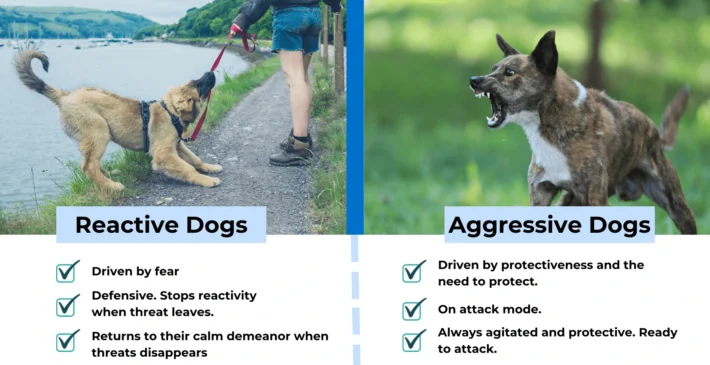
Reactivity and aggression are not the same. Reactive dogs react to stimuli out of fear. Aggressive dogs aim to cause harm. Knowing this difference helps in choosing the right approach.How Environment Affects Reactivity
The environment plays a role in reactivity. Crowded or noisy places can increase stress. Quiet, calm settings may reduce triggers. Adjusting the environment can help manage your dog’s reactions.The Importance Of Early Socialization
Socialization is key in reducing reactivity. Expose puppies to various situations early. This helps them grow into confident adults. Well-socialized dogs are less likely to become reactive.Signs Of A Reactive Dog
Growling, barking, or lunging can signal a reactive dog. Calming them involves patience, consistent training, and understanding their triggers.
Understanding the signs of a reactive dog helps in managing their behavior. Dogs react to various stimuli, which can be overwhelming for them. Recognizing these signs is the first step in calming your pet.Body Language Changes
A reactive dog often displays noticeable body changes. Raised hackles or a stiff posture are common. Their ears might be pinned back. Watch for these physical cues.Excessive Barking
Frequent barking is a sign of reactivity. The dog feels threatened or anxious. This vocalization is their way of expressing discomfort.Lunging Or Pulling
Reactive dogs may lunge at people or other animals. This behavior often occurs during walks. It’s a sign they feel insecure or nervous.Growling Or Snarling
Growling indicates a defensive stance. The dog warns others to stay away. This is a clear sign of reactivity.Fidgeting Or Pacing
A reactive dog may pace or fidget. They can’t settle down. This behavior shows they are agitated.Tense Facial Expressions
Facial tension is another sign. Look for tight lips or wide eyes. These expressions show discomfort or stress.Ignoring Commands
A reactive dog might ignore commands. They focus on the perceived threat. This makes them less responsive to your voice.Sudden Aggression
Aggression can appear suddenly. The dog may snap or bite. This is a serious sign of reactivity. Understanding these signs helps manage a dog’s behavior effectively. Recognize what triggers these reactions. It is key to helping your dog stay calm.Causes Of Reactivity
Understanding the triggers of reactivity helps in calming a dog. Fear, lack of socialization, and anxiety are common causes. Identifying these elements is key to creating a calming environment for your pet.
Understanding the causes of reactivity in dogs is crucial for effectively managing and calming your furry friend. Reactivity can stem from various factors, and identifying these can be the first step towards helping your dog feel more at ease. Whether it’s a genetic predisposition, lack of proper socialization, or past traumatic experiences, each aspect plays a significant role in shaping your dog’s behavior. Let’s delve deeper into these causes to better understand what’s driving your dog’s reactive behavior.Genetic Influences
Some dogs are genetically predisposed to reactivity. Breeds that are known for their protective instincts or high energy levels might show more reactive tendencies. If you have a dog breed that was originally bred for guarding or herding, they may naturally be more alert and responsive to stimuli. Consider a Border Collie that seems to react sharply to every movement. Their genetic makeup often causes them to be vigilant and responsive. If you suspect genetics are playing a role, research your dog’s breed characteristics to tailor your approach to calming them.Lack Of Socialization
Socialization during a puppy’s early development is crucial. Dogs that haven’t been exposed to a variety of environments, people, and other animals can become reactive. Imagine a dog that was mostly kept indoors during its formative months; it might become anxious or overly excited when faced with new experiences. To address this, gradually introduce your dog to different settings and social situations. Start small, like meeting other dogs or taking short walks in busy areas. Over time, your dog may become more comfortable and less reactive as they learn to navigate these environments.Traumatic Experiences
Past trauma can leave a lasting impact on a dog’s behavior. If a dog has experienced frightening situations or neglect, they may react defensively in similar scenarios. Think about a rescue dog that shies away from certain sounds or people—this could be a sign of past trauma. Recognizing these triggers allows you to work on desensitizing your dog. Use positive reinforcement to create new, positive associations with their triggers. Consider what makes your dog nervous and ponder ways to make those experiences less intimidating. Are you able to pinpoint the root cause of your dog’s reactivity? Reflect on your dog’s history and behavior to find clues that might guide you in calming them effectively.Credit: www.instagram.com
Effective Calming Techniques
Calming a reactive dog involves understanding their triggers and providing consistent training. Use gentle commands and positive reinforcement to build trust. Regular exercise helps release excess energy, reducing reactivity.
Calming a reactive dog can be a rewarding journey for both you and your furry friend. It requires patience, consistency, and a willingness to try different techniques. Fortunately, there are effective methods to help your dog feel more secure and less reactive in various situations. As you explore these techniques, remember that each dog is unique and what works for one may not work for another. Let’s dive into some actionable strategies that can make a significant difference in your dog’s behavior.Using Positive Reinforcement
Positive reinforcement is a powerful tool for calming a reactive dog. By rewarding desired behaviors, you encourage your dog to repeat them. This means offering treats, praise, or playtime whenever your dog remains calm in a situation that would usually trigger reactivity. Imagine your dog barking at the mail carrier. Next time, try redirecting their focus with a treat as soon as they notice the carrier. Gradually, they’ll associate the presence of the mail carrier with positive experiences instead of anxiety. Consistency is key here. Make sure everyone in your household is on the same page with rewarding calm behaviors. Are you ready to turn your dog’s stressful moments into opportunities for learning and growth?Desensitization Strategies
Desensitization involves exposing your dog to triggers at a low intensity until they become less sensitive. Start by identifying what sets your dog off. Is it other dogs, loud noises, or strangers? Once you know, you can begin gradual exposure. Consider a dog that barks at other dogs during walks. Begin by walking your dog at a distance where they’re calm upon seeing another dog. Over time, decrease the distance while maintaining their calm demeanor. It’s like building tolerance; slow and steady wins the race. How can you apply this approach in your dog’s daily routine to reduce their reactivity?Counterconditioning Methods
Counterconditioning changes your dog’s emotional response to a trigger. If your dog reacts fearfully, the goal is to shift that response to one of neutrality or even happiness. Suppose your dog is scared of thunder. During a storm, play their favorite music or give them their favorite toy. This helps them associate the sound of thunder with something positive. Have you noticed any small changes in your dog’s behavior when you try different strategies? Sometimes the tiniest shift can lead to big improvements.Importance Of Routine And Structure
Establishing a consistent routine helps calm reactive dogs by providing predictability and reducing anxiety. Structure in daily activities fosters a sense of security, enabling better behavior and a more relaxed demeanor.
Creating a routine and structure for your reactive dog is not just beneficial—it is essential. Dogs thrive on predictability, and knowing what to expect next can significantly reduce their anxiety and reactivity. By establishing a consistent schedule, you provide a sense of security that can lead to a calmer, more confident dog.Establish A Consistent Daily Schedule
A regular routine helps your dog understand when to expect meals, walks, and playtime. This consistency reduces uncertainty, which is a common trigger for reactive behavior. Consider setting fixed times for feeding and walking your dog. This not only helps in managing their energy levels but also builds trust, as your dog learns to rely on you for their needs.Set Clear Boundaries And Expectations
Boundaries are crucial for a reactive dog. They need to know what’s allowed and what’s not. Consistent rules help your dog understand your expectations, reducing the stress of guessing what behavior is appropriate. For example, if your dog jumps on guests, calmly redirect them to a designated spot. Over time, they will learn the expected behavior, leading to less reactive episodes.Use Positive Reinforcement
Reward your dog for following the routine and staying calm. Positive reinforcement encourages your dog to repeat desired behaviors. Keep treats or their favorite toy handy to immediately reward good behavior. This not only helps in training but also strengthens your bond with your dog. They will associate calm behavior with positive outcomes, making them more likely to remain composed in various situations.Incorporate Mental And Physical Activities
A well-structured routine includes both mental and physical exercises. A tired dog is a calm dog. Engaging your dog in activities like puzzle toys or obedience training can provide mental stimulation. Physical exercise, such as a daily walk or play session, helps expend energy that might otherwise be channeled into reactive behavior. Balancing these activities can make a significant difference in your dog’s demeanor.Evaluate And Adjust Your Routine As Needed
Routines are not static. They should evolve as your dog’s needs change. Regularly evaluate how your routine is working and be willing to make adjustments. If you notice increased reactivity, it might be time to tweak your schedule or introduce new activities. Listening to your dog’s cues is vital in maintaining a routine that benefits both of you. Are you ready to start implementing a routine that could transform your dog’s behavior?Role Of Professional Help
Calming a reactive dog can be challenging. Professional help can be essential. Experts bring valuable skills to address complex issues. They understand dog behavior deeply. Their experience can make a big difference. A professional’s guidance can ease the training process. It also ensures safety for both dog and owner.
Hiring A Dog Trainer
A skilled dog trainer can work wonders. They teach essential commands to manage reactivity. Trainers use positive reinforcement techniques. This builds trust between you and your dog. Consistent training sessions help reduce stress. It’s important to choose a certified trainer. Check their experience with reactive dogs.
Consulting A Behaviorist
A behaviorist digs deeper into your dog’s mindset. They analyze triggers causing reactivity. Behaviorists create tailored plans for behavioral change. These plans often include exercises and routines. They also educate owners about dog psychology. Consulting a behaviorist can lead to long-term improvements. It’s a worthwhile investment for lasting peace.
Managing The Environment
Calm a reactive dog by creating a safe, quiet space at home. Limit distractions and use gentle, consistent commands. Positive reinforcement with treats encourages calm behavior.
Managing the environment for a reactive dog is a vital step towards ensuring their calmness and well-being. Your dog’s surroundings can significantly influence their behavior, either triggering anxiety or promoting peace. By carefully controlling their environment, you can help reduce stress and foster a sense of security.Creating Safe Spaces
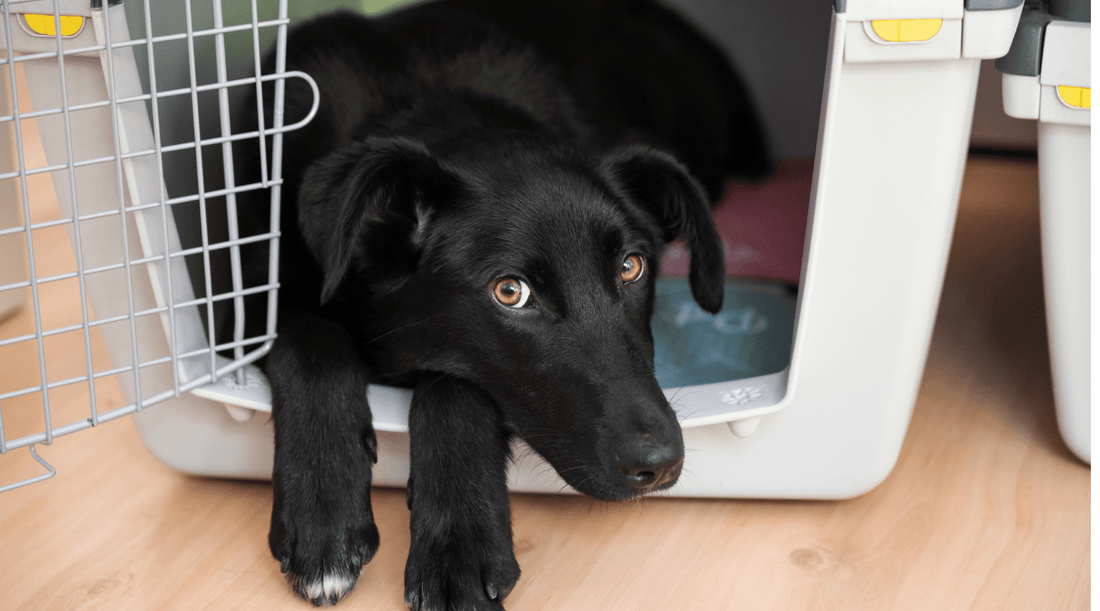
Creating a safe space for your dog can be a game-changer. Think of it as their personal sanctuary where they can retreat whenever they feel overwhelmed. This could be a cozy corner with their favorite bed and toys, or a designated room away from noise and distractions. Consider using barriers like baby gates to define these areas. A consistent safe space helps your dog know where to go when they need a break. Have you noticed a particular spot your dog gravitates towards? That might be the perfect place to start.Avoiding Triggers
Identifying and avoiding triggers is crucial for managing a reactive dog. Pay attention to what sets your dog off. Is it the sound of the doorbell or the sight of other dogs during walks? Once you know the triggers, work on minimizing exposure. Use strategies like taking alternative routes during walks or playing soft music to mask loud noises. The aim is to make their world as predictable and calm as possible. How can you modify your routines to better suit your dog’s needs? Remember, patience and observation are key. Creating an environment that supports your dog’s calmness requires ongoing adjustments and attention to detail. Your efforts can make a world of difference in your dog’s life.Building Confidence In Your Dog
Calming a reactive dog involves understanding triggers and promoting a sense of safety. Consistent training and positive reinforcement can build trust. Gradual exposure to stressors helps in reducing anxiety, ensuring a more confident and relaxed companion.
Building confidence in your reactive dog can transform your pet’s behavior. A confident dog is less anxious and more relaxed. This helps reduce reactivity and fosters a calmer demeanor. Confidence-building activities are essential for your dog’s emotional well-being. They can lead to a happier, healthier relationship between you and your pet.Understanding Your Dog’s Triggers
Knowing what provokes your dog is the first step. Observe your dog in different situations. Identify what makes them anxious or aggressive. This understanding allows you to address their fears effectively.Creating A Safe Environment
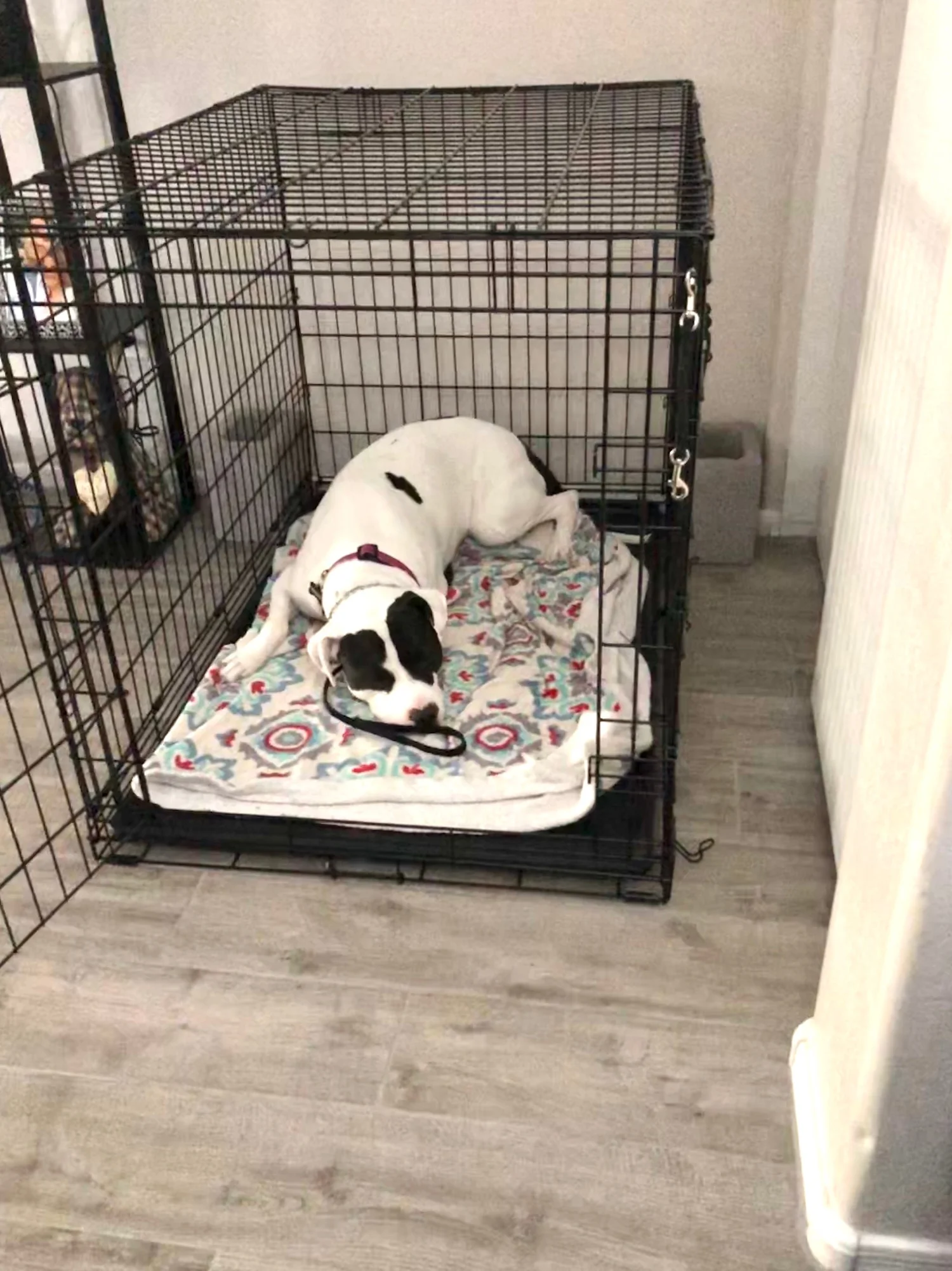
A safe space is crucial for a dog’s confidence. Designate a quiet area where your dog feels secure. This can be a cozy corner or a comfortable crate. Ensure it’s free from loud noises and disturbances.Positive Reinforcement Training
Use positive reinforcement to encourage good behavior. Reward your dog when they respond calmly. Treats, praise, or playtime work well. This strengthens their confidence in responding appropriately.Gradual Exposure To Triggers
Exposing your dog to triggers slowly is vital. Start with a controlled environment. Gradually introduce them to situations that cause stress. This method helps your dog adapt without overwhelming them.Engaging In Confidence-boosting Activities
Activities like agility training can boost confidence. These exercises challenge your dog physically and mentally. Completing tasks successfully builds self-esteem and courage.Consistency And Patience
Be consistent with training routines. Your dog needs time to learn and adapt. Patience is key in reinforcing positive behaviors. Celebrate small victories to motivate your dog.Seeking Professional Guidance
Sometimes expert help is needed. A professional trainer can offer tailored advice. They provide strategies specific to your dog’s needs. This support can be invaluable in building your dog’s confidence.Long-term Strategies For Behavioral Change
Helping a reactive dog requires patience and commitment. Long-term strategies can transform your dog’s behavior. These strategies focus on consistency and progress monitoring. Implementing these methods will gradually build your dog’s confidence.
Consistency In Training
Consistency is key in training a reactive dog. Dogs learn best through repetition. Set a daily routine for training sessions. Keep commands and signals the same. This helps your dog understand expectations. Regular practice makes the behavior stick. Avoid sudden changes in training methods. Stick to a plan and be patient.
Use positive reinforcement consistently. Reward your dog for good behavior. Treats and praise work wonders. This encourages your dog to repeat the desired actions. Consistent rewards help reinforce learning. Over time, your dog will respond better to cues.
Monitoring Progress
Track your dog’s improvement over time. Keep a journal to note behaviors. Write down successful moments and challenges. This helps identify patterns and triggers. Adjust strategies based on this information.
Set achievable goals for your dog. Celebrate small victories in training. Gradual progress builds confidence. Review the journal regularly. This ensures you stay on the right path. Adjust training as needed to fit your dog’s pace.
Consistent monitoring helps identify what works best. Adapt and refine techniques to suit your dog. Patience and observation lead to positive changes.
Credit: smart.dhgate.com
Frequently Asked Questions
What Triggers A Dog To Become Reactive?
Reactive behavior in dogs can be triggered by fear, frustration, or anxiety. Environmental factors, such as unfamiliar surroundings or loud noises, may also contribute. Identifying specific triggers can help in managing and calming your dog. Consistent training and positive reinforcement are key to reducing reactivity.
How Can I Calm A Reactive Dog Quickly?
To calm a reactive dog quickly, use a calm voice and avoid sudden movements. Distracting the dog with treats or a favorite toy can help refocus their attention. Consistent training and desensitization techniques can also be effective in managing reactivity over time.
Are Certain Dog Breeds More Reactive?
Yes, some dog breeds are naturally more reactive than others. Breeds like Border Collies and German Shepherds may exhibit higher reactivity levels. Understanding your dog’s breed traits can help tailor your approach in managing their behavior effectively. Socialization and training are crucial for all breeds.
Can Professional Training Help Reactive Dogs?
Professional training can significantly help reactive dogs by providing expert guidance and support. Trainers can identify triggers and develop personalized strategies to manage reactivity. They can teach you effective techniques for calming and redirecting your dog’s behavior, leading to a more relaxed and manageable pet.
Conclusion
Helping a reactive dog takes patience and understanding. Small steps lead to big changes. Consistency is your best friend in this journey. Observe your dog’s triggers and adjust accordingly. Safe spaces can provide comfort during stressful times. Keep training sessions short and positive.
Reward calm behavior with treats and praise. Your bond with your dog will strengthen over time. Remember, every dog is unique. Some methods might work better than others. Stay patient and seek professional help if needed. Your effort makes a happier and calmer dog.
You both deserve peace and joy.

Similar Posts