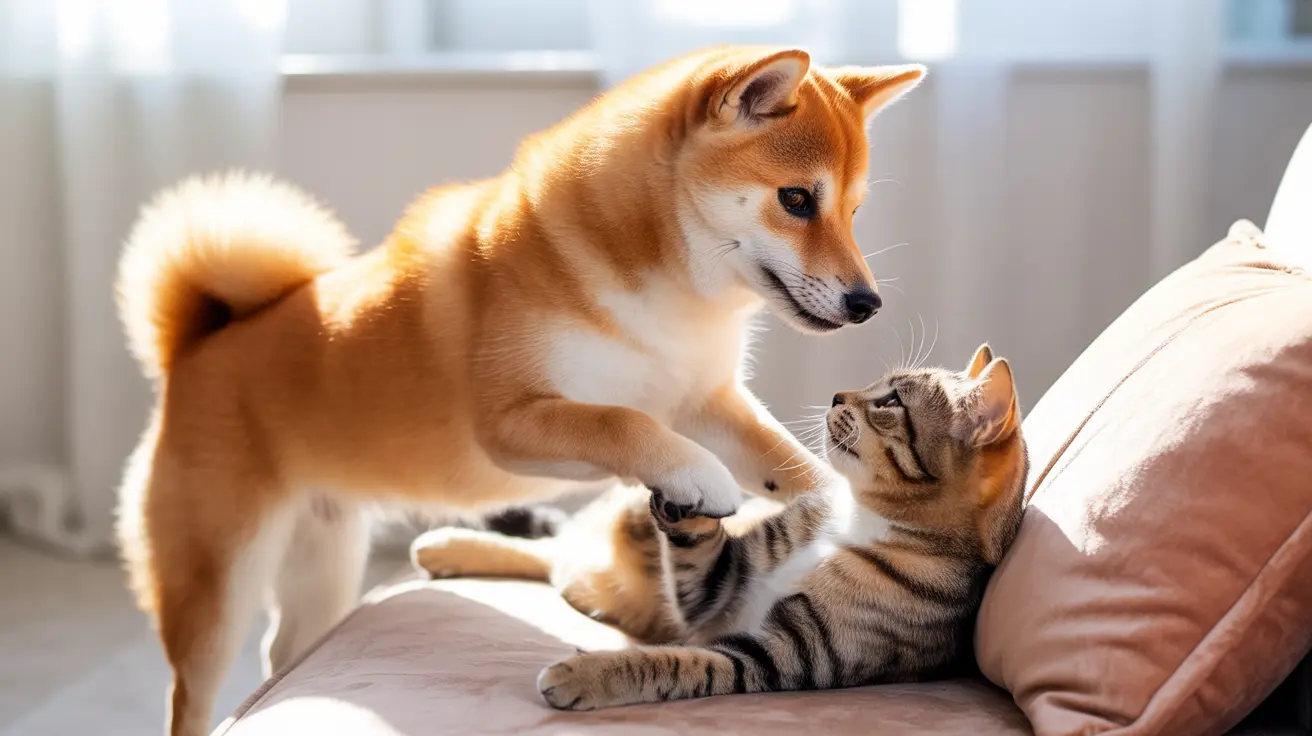
Can a Dog Mate With a Cat: Exploring the Myth
Have you ever wondered about the curious world of animal reproduction and whether a dog can mate with a cat? It might sound like a bizarre question, but it’s one that piques the curiosity of many pet lovers and animal enthusiasts.
You’re not alone in your curiosity, and this intriguing topic opens up a fascinating discussion about biology, genetics, and the boundaries of nature. Imagine the possibilities and surprises that could arise if such cross-species mating were possible. Would it create a whole new type of pet?
Or is it just a myth? Your mind might be racing with questions, and you’re eager to discover the truth behind this conundrum. We’re going to unravel the mysteries and myths surrounding this topic. You’ll gain insights into the biological differences between dogs and cats, and why nature has its own unique rules. Get ready to dive deep and uncover the facts, because the answers may surprise you!

Credit: www.livinggems.com.au
Cross-species Breeding Myths
The idea of dogs mating with cats is a myth. These species have different reproductive systems and genetics. Cross-species breeding between dogs and cats is biologically impossible.
Cross-species breeding myths have fascinated and puzzled people for generations. The idea of a dog mating with a cat is one of those myths that often sparks curiosity and raises eyebrows. While it makes for interesting conversation, the reality is that biological barriers make such pairings impossible. Understanding the origins and misconceptions surrounding these myths can help clear up any confusion.Origins Of The Myth
The origins of this myth likely stem from observing unusual friendships between different species. A dog and a cat living together harmoniously might spark the imagination. Stories and folklore have long embellished such relationships, further perpetuating the idea. People often look for explanations when they see something unexpected. This curiosity can lead to the spread of myths, even when there’s no scientific basis.Common Misconceptions
A common misconception is that any two animals can breed if they seem to get along. However, friendship does not translate to biological compatibility. Dogs and cats belong to different species with distinct genetic makeups. Another misconception is that behaviors such as grooming or playing are indicators of mating potential. These actions are merely social behaviors and do not imply reproductive capability. Consider the biological differences that keep species apart. Asking why some myths persist can challenge your understanding and help you separate fact from fiction. Understanding these distinctions can prevent the spread of misinformation.
Credit: www.yahoo.com
Biological Differences
Understanding the biological differences between dogs and cats helps clarify why they cannot mate. Despite some similarities, they belong to entirely different species. This distinction involves their genetics and reproductive systems.
Genetic Incompatibility
Dogs and cats have different chromosomes. Dogs have 78 chromosomes, while cats have 38. This significant genetic gap prevents them from producing offspring together. Chromosomes carry the DNA that defines each species. A vast difference like this makes mating biologically impossible.
Reproductive Systems
The reproductive systems of dogs and cats are not compatible. Each species has evolved to reproduce within its kind. Dogs have a specific reproductive cycle, and so do cats. Their mating behaviors and cycles do not align. These differences ensure they cannot reproduce together.
Scientific Perspective
When it comes to the intriguing question of whether a dog can mate with a cat, the scientific perspective provides clarity and insight. While the idea might spark curiosity, biology tells a different story. Understanding the scientific basis behind this question not only satisfies curiosity but also reinforces respect for nature’s boundaries.
Expert Opinions
Veterinarians and animal biologists agree that dogs and cats cannot mate to produce offspring. This is due to the distinct biological differences between the two species. Their reproductive systems are incompatible, and their genetic makeup is too different to allow for successful mating or hybridization.
Imagine asking a renowned veterinarian, and they would likely smile at the notion, explaining the importance of species-specific mating patterns. Such insights remind us of the fascinating complexity of nature’s design.
Scientific Studies
Scientific studies reinforce the impossibility of dogs and cats mating. Research consistently shows that the genetic barriers between species are too great to overcome. Chromosomal differences play a crucial role; dogs have 78 chromosomes, while cats have 38, making any form of interbreeding biologically unfeasible.
Consider the implications: understanding these differences can deepen your appreciation for the evolutionary paths that led to the diverse species we see today. It raises an interesting question—how do these intricate systems develop, and what other surprises does nature hold?
Impact Of Misinformation
The idea that a dog can mate with a cat is a myth. This misinformation can lead to confusion and misunderstandings about animal biology. It affects how people view their pets and influences decisions related to animal care. Understanding the impact of such myths is crucial for promoting accurate knowledge and better animal welfare.
Animal Welfare Concerns
Misinformation about cross-species mating can harm animals. Owners might attempt to breed incompatible species. This can cause stress and health issues for the animals. Confusion may lead to improper care and treatment. Animals need specific environments for their well-being. Misguided beliefs can disrupt their natural habitats.
Public Awareness
Educating the public about animal biology is essential. Awareness campaigns can dispel myths and promote factual understanding. People should know the differences between species. Accurate knowledge helps in responsible pet ownership. It ensures animals are treated with respect and care. Correct information leads to better decisions regarding animal welfare.
Promoting Accurate Information
A dog cannot mate with a cat due to biological differences. Dogs and cats have incompatible reproductive systems. Sharing accurate information helps prevent misconceptions about animal biology.
Promoting accurate information about animal reproduction is essential. Many people wonder if a dog can mate with a cat. Clarifying this is crucial to prevent confusion. Sharing correct knowledge helps prevent misinformation and supports animal welfare.Educational Resources
Reliable resources educate about animal biology and behaviors. Books and online articles provide factual information. Libraries and educational websites are great places to start. These resources explain why dogs and cats cannot mate successfully. Genetic differences make it impossible for them to produce offspring. Using credible sources builds understanding and dispels myths.Role Of Veterinarians
Veterinarians play a key role in spreading accurate information. They understand animal biology thoroughly. Pet owners trust veterinarians for expert advice. Vet clinics often host workshops and seminars. These sessions educate the public about animal reproduction. Direct interaction with vets helps clear doubts and misconceptions. Their insights guide pet owners to make informed decisions.
Credit: ktul.com
Frequently Asked Questions
Can A Dog And Cat Reproduce Together?
No, a dog and cat cannot reproduce together. They belong to different species with incompatible DNA. Successful mating requires genetic compatibility. Dogs and cats have different reproductive systems and cannot produce offspring. Each species has its own unique traits and characteristics.
Why Can’t Dogs And Cats Mate?
Dogs and cats can’t mate due to species differences. They have distinct reproductive systems and genetic makeup. Successful mating needs genetic compatibility, which they lack. This prevents interbreeding between them, ensuring distinct species traits are maintained.
Are There Hybrids Of Dogs And Cats?
No, there are no hybrids of dogs and cats. Species differences prevent hybridization. Genetic incompatibility stops interbreeding between dogs and cats. Hybrids require compatible genes, which these species lack. Each species retains its unique genetic traits.
Can Dogs And Cats Be Friends?
Yes, dogs and cats can be friends. With proper introduction, they can coexist peacefully. Compatibility depends on individual personalities and environment. Positive experiences and shared spaces foster friendship. Many households successfully keep both pets together.
Conclusion
Dogs and cats can’t mate. Their genetics don’t match. They belong to different species. Each has unique mating needs. Nature set boundaries for a reason. This keeps species healthy and strong. Respect their differences. Celebrate their unique qualities. Enjoy their companionship in your home.
Understanding them leads to better care. Be informed. Make wise choices for your pets. Their happiness depends on you. Keep learning about your furry friends. They bring joy and love to life.


