Can a Wolf Mate With a Dog: Unveiling the Truth
Senior Canine Nutritionist & Dog Behavior Specialist at Cozy Dog Go Wellness Lab
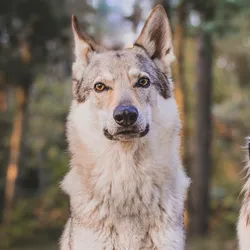
Have you ever wondered if a wolf can mate with a dog? This intriguing question taps into our curiosity about the mysteries of nature and the fascinating world of animals.
Imagine the possibilities and the unique characteristics that could arise from such a pairing. You might be surprised to learn that this topic is not just a myth but a scientific reality. We’ll explore the fascinating interactions between wolves and dogs, uncovering what makes their relationship so unique.
Whether you’re an animal lover, a curious mind, or someone who simply wants to know more about the world around you, you’ll find this exploration enlightening. Are you ready to uncover the truth and satisfy your curiosity? Let’s dive in and discover the captivating story behind wolves, dogs, and their potential to mate.

Credit: wagwalking.com
Wolf And Dog Ancestry
The ancestry of wolves and dogs is intriguing. These two animals share a deep evolutionary connection, making their relationship complex. Despite their differences, wolves and dogs are part of the same family tree. This shared ancestry raises questions about their ability to interbreed.
Evolutionary Background
Wolves and dogs evolved from a common ancestor. This ancient creature roamed the earth thousands of years ago. Over time, wolves remained wild, adapting to harsh environments. Dogs, on the other hand, became companions to humans. Their paths diverged, yet their genetic roots remain intertwined.
Genetic Similarities
Wolves and dogs share many genetic traits. Their DNA is remarkably similar, allowing them to mate successfully. Despite their genetic connection, behavioral differences are evident. Wolves are independent and wild. Dogs are social and domesticated. These genetic similarities are why wolf-dog hybrids exist.
Biological Compatibility
Wolves and dogs can mate due to their close genetic relationship. Both belong to the Canis genus, allowing them to produce fertile offspring known as wolf-dog hybrids. These hybrids exhibit traits from both parents, creating unique characteristics.
Biological compatibility between wolves and dogs is a topic that often intrigues animal enthusiasts and pet owners alike. While they share a common ancestor, the question arises: can these two species produce offspring? Understanding the biological aspects of their compatibility sheds light on this fascinating inquiry.Reproductive Systems
Wolves and dogs have similar reproductive systems, which facilitate the possibility of mating. Both species are part of the Canidae family, sharing anatomical and physiological traits. Female dogs, like female wolves, experience an estrus cycle, commonly known as being in heat. This cycle is crucial as it determines when they are fertile and able to conceive. Male wolves and dogs also have compatible reproductive organs, making mating physically possible. However, successful mating isn’t just about physical compatibility; timing and behavior also play significant roles.Hybrid Viability
When wolves and dogs do mate, the resulting offspring are known as wolf-dog hybrids. These hybrids can inherit traits from both parents, leading to a unique mix of characteristics. A friend of mine once adopted a wolf-dog hybrid, and it was fascinating to see traits like a wolf’s keen instincts combined with a dog’s loyalty. However, the viability of these hybrids can be unpredictable. Some hybrids may struggle with health issues or behavioral challenges. This unpredictability raises questions about whether it’s ethical or practical to encourage such crossbreeding. Would you be prepared for the unique challenges a wolf-dog hybrid could present? Understanding the biological compatibility between wolves and dogs is only part of the equation. Being informed about the responsibilities and potential issues is crucial before considering such a unique pet.Wolfdog Hybrids
Wolfdog hybrids emerge when wolves and dogs mate, producing unique offspring. These hybrids blend canine and wolf traits, showcasing diverse appearances and behaviors. Understanding their genetics and needs is crucial for those interested in these fascinating animals.
Wolfdog hybrids are fascinating creatures born from the union of wolves and dogs. These animals carry traits from both parents, making them unique and intriguing. They exhibit characteristics that intrigue animal lovers and researchers alike.Physical Characteristics
Wolfdog hybrids display a striking appearance. Their size can vary widely based on their parentage. Generally, they are larger than most domestic dogs. Their fur is dense and often has a mix of colors, similar to wolves. Some may have longer snouts and larger heads. Their eyes can be piercing and often resemble the wolf’s gaze, giving them a wild look. Their legs are sturdy, built for endurance and agility. The tail can be bushy, adding to their majestic appearance.Behavioral Traits
The behavior of wolfdog hybrids is a blend of wild and domestic. They may exhibit a strong pack mentality, needing social structure. Loyalty is a key trait, often forming strong bonds with their owners. They tend to be cautious and may be wary of strangers. Training them requires patience and understanding. Their intelligence can lead to clever problem-solving. They often need ample space to roam and exercise. Playful yet cautious, they can challenge owners with their dynamic behavior.
Credit: wlockett.medium.com
Legal And Ethical Considerations
Wolf-dog mating raises legal and ethical issues. Laws vary on breeding hybrids, and ethical concerns focus on animal welfare. Responsible breeding ensures the safety and well-being of both species.
Considering the possibility of a wolf mating with a dog opens up a fascinating discussion about the legal and ethical implications. While the prospect might intrigue some, it’s crucial to understand the broader context that governs such occurrences. From regulations to ethical concerns, these factors play a vital role in guiding responsible decisions regarding wolf-dog hybrids.Regulations And Ownership
Laws about wolf-dog ownership vary significantly across regions. Some places have strict bans, while others allow it under specific conditions. Before deciding to own a wolf-dog hybrid, check your local laws and regulations. They often dictate the level of care and containment required to ensure public safety and animal welfare. Engage with local wildlife agencies to better understand the responsibilities. Owning such an animal can be complex and demands serious commitment.Ethical Concerns
Ethically, the question arises whether it’s right to breed a wild animal with a domestic one. Wolf-dogs can inherit unpredictable traits, making them challenging to manage. Consider the welfare of both the wolf and dog involved. Are they being bred for the right reasons, or merely for novelty? You may also ponder the impact on local ecosystems if a wolf-dog were to escape. The ethical implications are as important as the legal ones, calling for thoughtful reflection. Perhaps you’ve encountered a wolf-dog and wondered about its origin. Reflect on these legal and ethical aspects to understand the bigger picture. In navigating these waters, always prioritize informed and responsible choices.Impact On Wildlife
Wolves and dogs can mate, creating hybrids with unique traits. This union affects wildlife significantly. The impact varies, influencing ecosystems and conservation efforts.
Ecological Implications
Wolf-dog hybrids can disrupt local ecosystems. They might compete with native wildlife for food and territory. This competition can lead to a decline in native species. Hybrids may also introduce new diseases, affecting wildlife health. Their presence can alter predator-prey dynamics, causing imbalances. These changes can ripple through the ecosystem, affecting biodiversity.
Conservation Efforts
Preserving pure wolf populations is crucial for biodiversity. Conservationists work to prevent hybridization. They monitor wolf packs to ensure genetic purity. Efforts include habitat protection and public awareness campaigns. Educating people about the risks of wolf-dog hybrids is vital. These initiatives help maintain ecological balance.
Popular Myths And Misconceptions
There are many myths surrounding the idea of wolves mating with dogs. These stories often blur the lines between fact and fiction. People believe these myths without questioning their validity. Let’s explore common misconceptions and clarify them.
Media Influence
Movies and TV shows often portray wolves and dogs as close relatives. This portrayal suggests easy interbreeding. Stories in media create dramatic tales of wolf-dog hybrids. These tales captivate audiences but often lack scientific backing. The media’s portrayal fuels public belief in these myths. People may think these hybrids are more common than they are. Media influences perceptions of animal behavior and relationships.
Scientific Clarifications
Science offers clear answers about wolf-dog mating possibilities. Wolves and dogs share genetic ancestry, allowing them to breed. This possibility doesn’t mean it’s frequent or simple. Mating between wolves and dogs requires specific conditions. Both animals must be compatible and willing partners. Hybrids may face challenges in the wild due to mixed traits. Understanding the science helps debunk myths about their relationships.
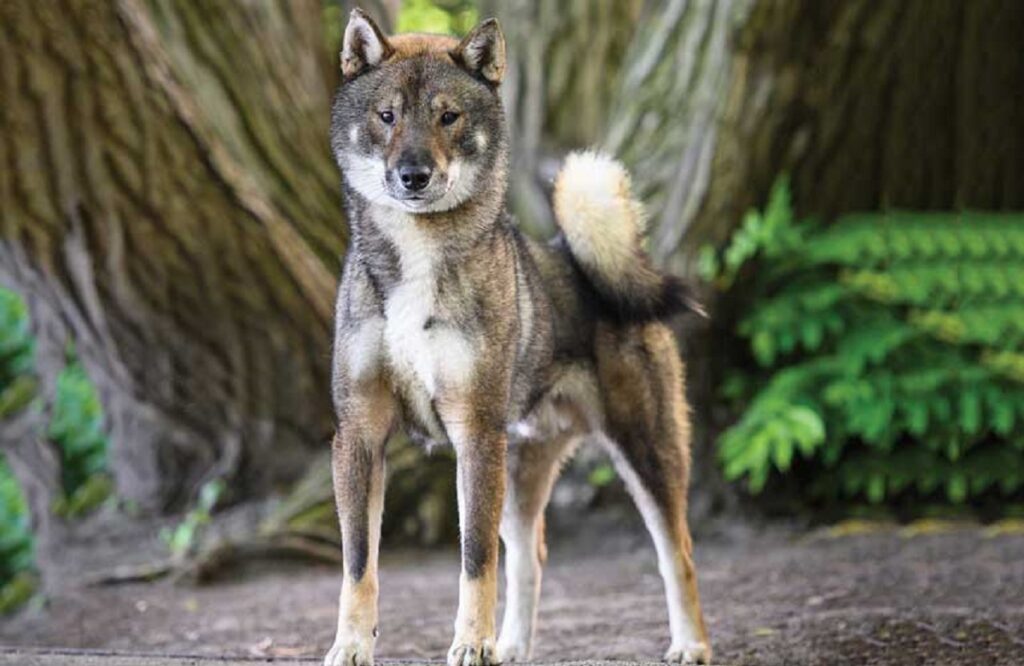
Credit: worldanimalfoundation.org
Frequently Asked Questions
Can Wolves And Dogs Interbreed Naturally?
Yes, wolves and dogs can interbreed naturally. They belong to the same species, Canis lupus, which allows them to mate. The offspring, known as wolf-dogs, inherit traits from both parents. However, their behavior and temperament can be unpredictable due to mixed genetics.
Are Wolf-dogs Legal To Own As Pets?
Wolf-dogs are legal in some areas but restricted in others. Laws vary depending on the country, state, or city. Potential owners should check local regulations and consider the challenges of owning such a hybrid. Wolf-dogs require experienced handling due to their wild instincts.
What Are The Challenges Of Owning A Wolf-dog?
Owning a wolf-dog can be challenging due to their wild instincts. They often require special care, training, and secure enclosures. Their behavior can be unpredictable, and they may not be suitable for families with children or other pets. Proper research and preparation are essential.
How Do Wolf-dogs Differ From Regular Dogs?
Wolf-dogs differ from regular dogs in behavior, appearance, and needs. They exhibit more wild instincts and can be less predictable. Their physical traits might include a larger size and more wolf-like features. They require experienced handling and special care compared to typical domestic dogs.
Conclusion
Wolves and dogs can mate and produce offspring. These offspring are known as wolfdogs. They inherit traits from both parents. Wolfdogs can be unpredictable due to this mix. They often require special care and understanding. Not all places allow wolfdogs as pets.
Research local laws before deciding. Consider their unique needs and behaviors. They are not like regular dogs. Owning a wolfdog can be challenging. It’s important to be prepared. Always prioritize the well-being of the animal. Understanding their nature is key.
A responsible approach ensures a harmonious relationship.

Similar Posts