Can Dogs Have Nutritional Yeast: A Healthy Choice?
Have you ever wondered if your furry friend can enjoy the benefits of nutritional yeast just like you do? You’re not alone.
Many dog owners are curious about introducing this popular health supplement into their pet’s diet. Imagine enhancing your dog’s meals with a sprinkle of nutritional yeast, potentially boosting their health and happiness. But, is it safe? Can it provide the same benefits to dogs as it does to humans?
You’re about to uncover the truth behind nutritional yeast for dogs. Get ready to dive deep into the potential advantages, possible risks, and expert opinions that will help you make an informed decision for your canine companion. Keep reading to discover how this yeast could transform your dog’s diet and overall well-being!
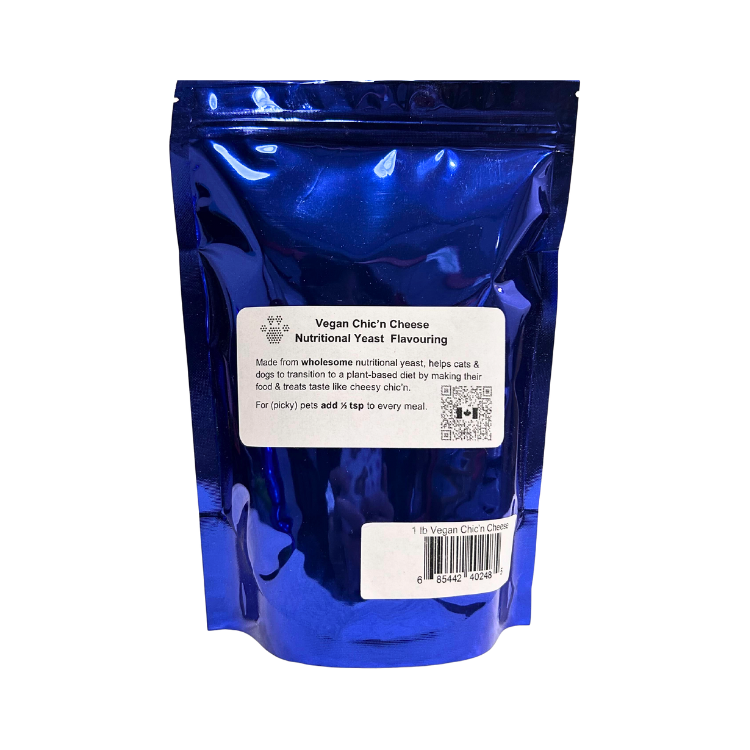
Credit: vegansupply.ca
Nutritional Yeast Basics
Have you ever wondered if dogs can enjoy some of the same healthy foods we do? Nutritional yeast is a popular addition to human diets, praised for its cheesy flavor and health benefits. But can our furry friends partake in this savory treat too? Let’s dive into the basics of nutritional yeast to find out more.
What Is Nutritional Yeast?
Nutritional yeast is a deactivated yeast, specifically from the species Saccharomyces cerevisiae. Unlike the yeast used in baking, this form doesn’t contribute to leavening. Instead, it’s often used as a seasoning, beloved for its cheesy and nutty taste.
It comes in the form of flakes or powder and is usually sprinkled over food. You might have seen it in health food stores or as an ingredient in vegan recipes. It’s a versatile addition to many dishes, but what about its place in a dog’s diet?
Nutritional Profile
Nutritional yeast is packed with B-vitamins, including B12, which is essential for energy production and maintaining a healthy nervous system. It’s also a great source of protein, offering all nine essential amino acids.
Moreover, it contains minerals like zinc, selenium, and manganese, contributing to overall health. The presence of dietary fiber can aid digestion, potentially benefiting dogs with sensitive stomachs. However, always consider your dog’s specific health needs before adding new supplements to their diet.
Have you tried giving nutritional yeast to your dog? If so, how did they react? Understanding its nutritional profile can help you make informed decisions about your pet’s diet.
Benefits For Dogs
Nutritional yeast is safe for dogs in small amounts. It provides B-vitamins and promotes a healthy coat. Always consult a vet before adding it to your dog’s diet to ensure it’s suitable for their specific needs.
Nutritional yeast is not just a trendy superfood for humans; it can also offer a host of benefits for your furry friend. Packed with essential nutrients, this yellow powdery substance can be a great addition to your dog’s diet. But why should you consider sprinkling it over your dog’s meal? Let’s delve into the benefits and see how it can contribute to your dog’s overall health and wellness.Rich In B Vitamins
Nutritional yeast is a powerhouse of B vitamins, which are crucial for your dog’s energy levels, metabolism, and overall well-being. These vitamins support the nervous system and help maintain healthy skin and coat. Imagine your dog with a shiny, vibrant coat, thanks to a simple sprinkle of nutritional yeast. B vitamins also play a role in reducing stress levels, which can be particularly beneficial if your dog is prone to anxiety.Protein Content
Did you know that nutritional yeast is a good source of protein? This makes it an excellent choice for dogs that need a little extra boost in their diet. Protein is essential for muscle growth and repair, and it can be particularly beneficial for active dogs or those recovering from an illness. Including nutritional yeast in your dog’s meal could help improve their strength and vitality, making playtime even more fun.Immune System Boost
A robust immune system is key to keeping your dog healthy and happy. Nutritional yeast contains antioxidants and other compounds that can help strengthen your dog’s immune system. Have you ever noticed your dog bouncing back quickly from minor ailments? A strong immune system could be the reason. By adding nutritional yeast, you might be giving your dog the tools they need to fight off infections and stay in peak condition.Safety Concerns
Nutritional yeast is popular among pet owners for its benefits. Yet, its safety for dogs raises concerns. It’s crucial to understand potential risks before adding it to your dog’s diet.
Potential Allergic Reactions
Some dogs may be allergic to yeast. Symptoms include itching, redness, or swelling. Watch your dog closely after introducing nutritional yeast. If symptoms appear, stop giving it and consult your vet.
Appropriate Dosage
Feeding the right amount is key. A small dog needs less than a larger one. Start with a tiny amount and observe any changes. Your vet can help determine the right dosage for your pet.
How To Introduce Nutritional Yeast
Sprinkle a small amount of nutritional yeast over your dog’s food to enhance flavor and provide extra vitamins. Monitor their reaction and consult a vet if unsure about allergies or sensitivities. Nutritional yeast can be a healthy supplement for dogs when introduced gradually and in moderation.
Introducing nutritional yeast to your dog’s diet can be a delightful experience for both you and your furry friend. This savory, cheese-like ingredient offers a wealth of benefits, including essential vitamins and minerals. But how do you ensure a smooth transition for your dog? Let’s explore some practical ways to introduce nutritional yeast to your pet’s meals.Mixing With Dog Food
Start by adding a small amount of nutritional yeast to your dog’s regular food. Sprinkle a teaspoon over their kibble or wet food and mix it well. This way, the yeast blends seamlessly with the flavors they’re already familiar with. Gradually increase the amount over a few days if your dog enjoys the taste. Aim for about a tablespoon for medium to large dogs. For smaller breeds, half a tablespoon should suffice. Adjust based on your pet’s size and preference.Monitoring Dog’s Reaction
Observe your dog closely after introducing nutritional yeast. Look for any signs of allergies or digestive discomfort, such as vomiting or diarrhea. If you notice any adverse reactions, stop feeding nutritional yeast immediately and consult your vet. A positive reaction might include a shiny coat and increased energy levels. Keep an eye out for these positive changes, as they indicate that your dog is benefiting from the new addition to their diet. Have you ever wondered how your dog might react to a new flavor? Watching their excitement can be a rewarding experience.Veterinarian Opinions
Dogs are curious creatures, and their dietary habits often leave us wondering about the safety of certain foods. Nutritional yeast has garnered attention in recent years, sparking debates among pet owners about its benefits and risks. Understanding what veterinarians think about introducing nutritional yeast into your dog’s diet can provide clarity and peace of mind. Let’s delve into their insights.
What Vets Recommend
Veterinarians generally approach nutritional yeast with caution. While it is a source of B-vitamins and can enhance the flavor of dog food, moderation is key. Vets often suggest small amounts as a supplement rather than a primary food source. They advise monitoring your dog’s response to ensure there are no adverse reactions, such as upset stomachs or allergies.
One vet shared a case where a client used nutritional yeast to improve their dog’s appetite. It worked wonders, but the vet emphasized the importance of gradual introduction. Are you considering it for your pet? A chat with your vet can help tailor the best approach for your furry friend’s needs.
Considerations For Specific Breeds
Different breeds may react differently to nutritional yeast. Smaller dogs might be more sensitive to dietary changes, while larger breeds could handle it better. Vets highlight that breeds prone to yeast infections, like Bulldogs, should be cautious. Adding yeast might exacerbate their condition rather than help.
If you have a breed with specific dietary requirements, such as a Dalmatian with kidney issues, consulting your vet is crucial. They can guide you on how nutritional yeast might fit into your dog’s diet. Have you noticed any breed-specific quirks in your dog’s eating habits?

Credit: www.nextritionpet.com
Alternatives To Nutritional Yeast
Dogs enjoy tasty treats, but nutritional yeast might not suit all. Some dogs may be allergic or sensitive to it. Luckily, there are other options available. Let’s explore a few alternatives that can provide similar benefits.
Other Nutritional Supplements
Several supplements can support your dog’s health. Fish oil is a popular choice. It provides essential omega-3 fatty acids. These help maintain a shiny coat and support joint health. Spirulina is another great option. It’s a blue-green algae packed with protein and vitamins. It’s known to boost immunity and improve gut health.
Probiotics are vital for digestive health. They balance the gut flora, preventing stomach issues. You can find them in capsule or powder form. Always consult your vet before introducing a new supplement.
Natural Food Sources
Whole foods can also enhance your dog’s diet. Eggs are a superb protein source. They are rich in vitamins and minerals. Cooked eggs can be a nutritious treat. Sweet potatoes are great too. They are high in fiber and provide essential vitamins. Dogs love their natural sweetness.
Carrots are another healthy option. They are low in calories and high in beta-carotene. Chewing on them also promotes dental health. Pumpkin is beneficial for digestion. It is rich in fiber and can help with both constipation and diarrhea.

Credit: www.dogster.com
Frequently Asked Questions
Is Nutritional Yeast Safe For Dogs?
Yes, nutritional yeast is generally safe for dogs in moderation. It can be a valuable source of vitamins, particularly B-vitamins. However, always consult your veterinarian before introducing any new supplement to your dog’s diet to ensure it aligns with their health needs.
Can Dogs Benefit From Nutritional Yeast?
Dogs can benefit from nutritional yeast as it provides essential B-vitamins. These vitamins support healthy skin, coat, and immune system. Additionally, nutritional yeast can enhance the flavor of their meals, encouraging picky eaters to enjoy their food more.
How Much Nutritional Yeast Can Dogs Eat?
The amount of nutritional yeast a dog can eat varies. Generally, a teaspoon per day is enough for small dogs. Larger dogs may require more, but it’s best to consult your vet for specific advice tailored to your dog’s needs.
Are There Any Side Effects For Dogs?
Yes, excessive consumption of nutritional yeast can cause digestive issues in dogs. Symptoms may include diarrhea or stomach upset. Always introduce nutritional yeast slowly and observe your dog for any adverse reactions.
Conclusion
Nutritional yeast can benefit dogs in moderation. It’s rich in vitamins. Many dogs enjoy its cheesy flavor. Ensure your dog isn’t allergic before use. Always consult your vet first. They know your dog’s unique needs. Remember, balance is key in a dog’s diet.
Too much of anything isn’t good. Nutritional yeast is a supplement, not a meal. Use it wisely as part of a varied diet. Keep your dog’s health a priority. They rely on you for safe choices. Happy, healthy dogs make the best companions.