Have you ever walked into a room and discovered a wet spot on the floor, courtesy of your house-trained dog? It’s baffling, isn’t it?
You did everything right—training, patience, and more training. Yet, here you are, wondering why your loyal companion seems to have forgotten their manners. You’re not alone. Many dog owners face this puzzling issue and question what went wrong. Could it be a medical problem?
Stress? Or maybe a change in routine? Understanding why your house-trained dog is urinating indoors is crucial for both your peace of mind and your dog’s well-being. Stick around as we unravel the mystery behind this behavior and discover practical solutions to restore harmony in your home.
Common Causes Of Urination In Trained Dogs
House-trained dogs may urinate indoors due to stress, health issues, or changes in routine. Medical conditions like urinary tract infections can also cause accidents. Understanding the root cause can help in managing the situation effectively.
Understanding why a house-trained dog suddenly starts urinating indoors can be challenging. Various factors can lead to this unexpected behavior. Identifying the root cause is crucial for finding a solution. Here, we explore some common reasons.Medical Issues
Medical problems often cause sudden urination changes. Dogs might suffer from urinary tract infections, bladder stones, or diabetes. These conditions can make them lose control. Pay attention to changes in urination patterns. Frequent urination or discomfort could indicate a problem. Consult a veterinarian if you suspect a medical issue. Early diagnosis can prevent complications.Behavioral Factors
Behavioral changes can also trigger urination indoors. Anxiety and stress often lead to such behavior. Dogs may feel anxious due to separation or new household members. Marking territory is another common reason. Unfamiliar smells or visitors can prompt this response. Addressing behavioral issues requires patience. Positive reinforcement helps in correcting undesired actions.Environmental Changes
Changes in the environment often confuse dogs. Moving to a new home or rearranging furniture can upset them. Dogs thrive on routine and familiarity. A sudden change in their surroundings can lead to stress. This stress may cause them to urinate indoors. Maintaining a consistent routine helps reduce anxiety. Introduce changes gradually to ease their transition.Age-related Problems
Aging dogs may face urinary incontinence. Senior dogs often experience weakened bladder muscles. This makes it hard for them to control urination. Cognitive decline can also affect their behavior. Older dogs might forget their training. Regular vet check-ups can help manage age-related issues. Special care and understanding are essential for older pets.Medical Conditions To Consider
When your house-trained dog starts urinating indoors, it might be more than just a behavioral issue. Medical conditions could be playing a significant role. Understanding these health concerns can be crucial in addressing the problem effectively. Let’s dive into some medical conditions that could cause your dog to urinate indoors.
Urinary Tract Infections
Urinary tract infections (UTIs) are common in dogs and can lead to frequent urination. If your dog suddenly starts having accidents, a UTI might be the culprit. Look out for signs like straining to urinate or blood in the urine.
UTIs can be painful, and your dog might not understand what’s happening. A quick visit to the vet can help diagnose the issue. Treatment usually involves antibiotics, which can alleviate symptoms quickly.
Diabetes
Diabetes can cause increased thirst and urination in dogs. If your dog is drinking more water than usual and urinating indoors, diabetes could be a possibility. You might notice weight loss despite a healthy appetite.
Managing diabetes in dogs involves regular vet visits and possibly insulin injections. It’s important to address this condition early to prevent complications.
Kidney Disease
Kidney disease can affect dogs of any age, leading to increased urination. If your dog is having more accidents and seems lethargic, kidney issues might be at play. You may also notice changes in their appetite and weight.
Early detection is key in managing kidney disease. Regular vet check-ups and dietary changes can help maintain your dog’s quality of life.
Hormonal Imbalances
Hormonal imbalances, such as those caused by Cushing’s disease, can lead to excessive urination. If your dog seems hungry and thirsty all the time, it might be worth considering hormonal issues.
These imbalances can be tricky to diagnose. A vet can conduct tests to determine the cause and suggest appropriate treatment options.
Could a medical condition be the reason behind your dog’s unexpected accidents? Observing your dog’s behavior and consulting with a vet can provide clarity and relief for both you and your furry friend.
Behavioral Triggers
Sudden changes in routine can cause stress, leading a house-trained dog to urinate indoors. Medical issues like infections might also trigger unexpected accidents. Identifying specific triggers is key to addressing the problem effectively.
Behavioral triggers can be perplexing when a house-trained dog starts urinating indoors. While these triggers may seem sudden or unexpected, they often reveal underlying issues that need addressing. Understanding these behavioral causes is crucial in helping your furry friend return to their usual habits.Anxiety And Stress
Anxiety and stress are common reasons for unexpected indoor urination. Changes in the household, such as moving to a new place or adding a new pet, can unsettle your dog. Even loud noises like thunderstorms or fireworks can create enough stress to trigger accidents inside. Consider your dog’s environment. Is there something new or different that might be causing distress? Identifying stressors can help you find ways to comfort and reassure your pet.Territorial Marking
Dogs are naturally territorial animals. They might feel the need to mark their space if they sense a new intruder, be it another animal or even a visitor. This behavior is their way of saying, “This is my area.” Look for patterns. Is your dog urinating near doors or windows where they can see outside? Understanding this can help you manage their instincts better.Attention-seeking Behavior
Sometimes, a dog might urinate indoors simply to get your attention. If they feel neglected or are not getting enough interaction, this might be their way of making sure you notice them. Ask yourself: Are you spending enough quality time with your dog? Engaging more with your pet might reduce their need to act out for attention. Understanding these triggers can empower you to help your dog overcome these challenges. Adjusting your approach based on your dog’s behavior can make a significant difference in their happiness and your household’s harmony.Impact Of Environmental Changes
Environmental changes can confuse a house-trained dog, leading to unexpected urination. Sudden shifts in temperature or new surroundings may stress your pet, affecting its bathroom habits. Understanding these factors can help address the issue effectively.
Environmental changes can significantly impact a dog’s behavior, even if they are house trained. Your furry friend may start urinating indoors due to stress or anxiety triggered by alterations in their surroundings. Understanding these changes can help you address the issue effectively and restore harmony in your home.New Household Members
Introducing new members to your household can unsettle your dog. Whether it’s a baby, a roommate, or even another pet, your dog might feel threatened or uncertain. They might urinate indoors as a way to mark their territory or express their anxiety. It’s crucial to give your dog time to adjust and provide extra attention and reassurance. Have you noticed your dog being more clingy or distant?Altered Routine
Dogs thrive on routine, and any disruption can confuse them. A change in feeding times, walking schedules, or sleeping arrangements might lead to stress-induced accidents. Consistency is key, so try to maintain their usual schedule as much as possible. Consider this: how would you feel if your daily routine was suddenly turned upside down?Relocation Stress
Moving to a new home can be overwhelming for your dog. The unfamiliar smells and surroundings can cause anxiety, leading to indoor urination. Allow your dog to explore the new environment gradually and create a safe space for them with familiar items. Have you ever noticed how comforting a familiar scent can be during stressful times? By addressing these environmental changes thoughtfully, you can help your dog adapt more smoothly and reduce indoor accidents.Age-related Challenges
Aging may affect bladder control in dogs. Older dogs might struggle with urination due to weakened muscles or health issues. Consult a vet to rule out infections or other medical concerns.
Age-related challenges can impact a dog’s ability to control urination. Both young and senior dogs face unique hurdles. Understanding these can help manage the situation better.Puppyhood Accidents
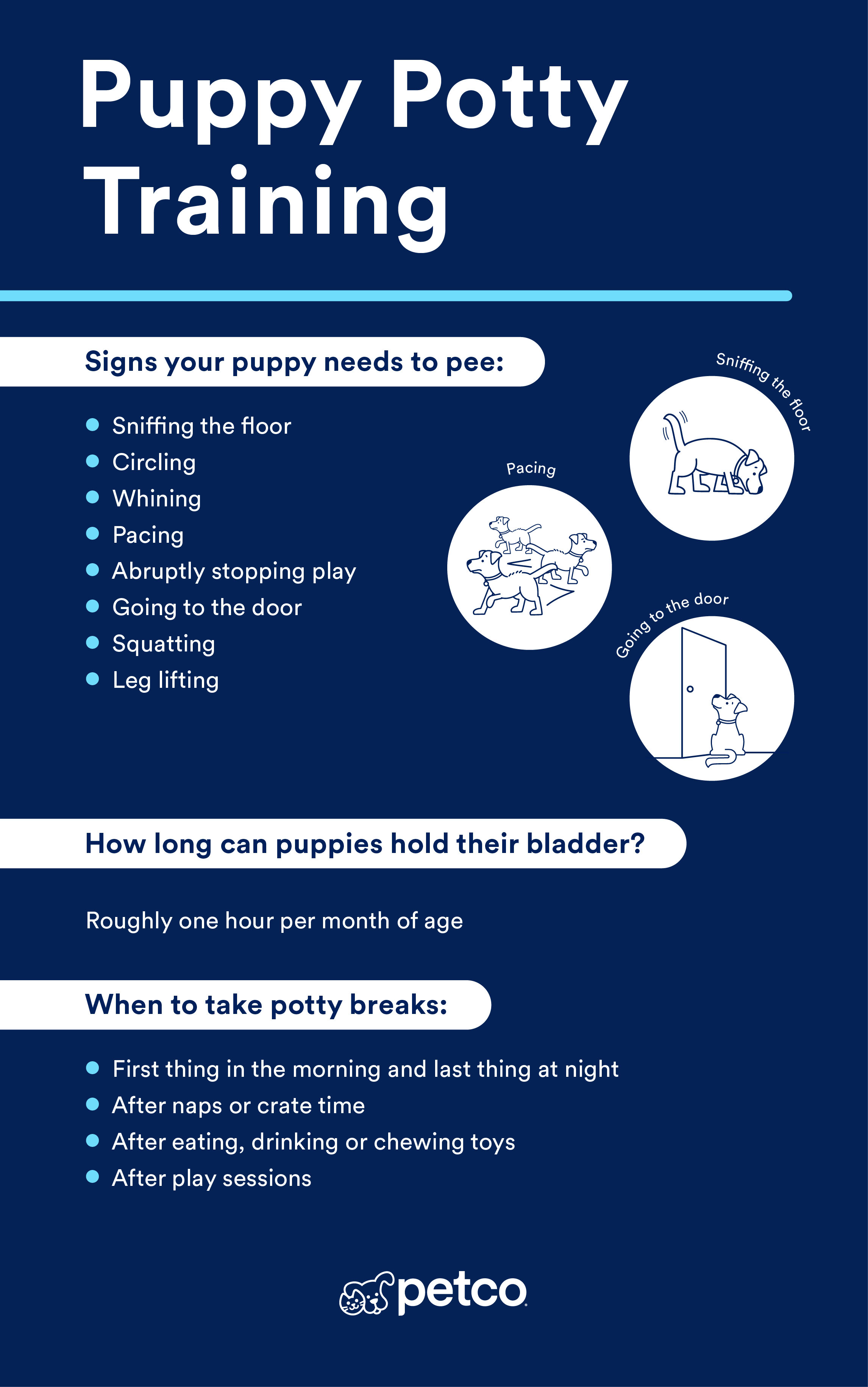
Puppies are still learning bladder control. They might have accidents inside the house. It’s important to be patient. Consistent training helps them understand where to go. Frequent bathroom breaks are necessary. This reduces the chance of indoor accidents.Senior Dog Incontinence
Older dogs may experience incontinence. This is often due to weakened bladder muscles. Health issues can also contribute. Regular vet check-ups are crucial. Medications or special diets might be needed. Providing easy access to outdoor areas can help. It gives them quick relief without stress.
Credit: pupford.com
Assessing The Situation
When a house-trained dog starts urinating indoors, it can be puzzling. Understanding the cause is key to resolving the issue. Observing your dog’s behavior helps identify any changes or triggers. Take a step-by-step approach to assess the situation effectively.
Monitoring Frequency
Keep track of how often your dog urinates inside. Is it happening daily or just occasionally? Frequent urination can indicate a health problem or a behavioral issue. Note the time of day and any specific activities beforehand. This information is valuable for understanding your dog’s needs.
Identifying Patterns
Look for patterns in your dog’s behavior. Does indoor urination occur after meals or playtime? Identifying patterns can help pinpoint the reason behind the behavior. Consider factors like diet changes, increased water intake, or stress. Observing these details can guide you toward a solution.
Consulting A Veterinarian
If the issue persists, consulting a veterinarian is wise. A vet can check for medical conditions affecting your dog. They can offer advice on managing anxiety or other potential causes. Professional guidance ensures your dog remains healthy and happy.
Solutions And Training Techniques
Dealing with a house-trained dog that suddenly urinates indoors can be frustrating. Understanding the reasons behind this behavior is crucial. Fortunately, with the right solutions and training techniques, you can address this issue. From reinforcing good habits to creating consistent routines, there are several strategies to explore.
Reinforcing Good Habits
Reward your dog when it urinates outside. Use treats and praise immediately after successful trips. Consistency in rewarding reinforces desirable behavior. Avoid punishing accidents indoors. This can create fear and confusion. Instead, calmly clean the area and try again.
Behavioral Modification
Identify triggers causing indoor accidents. Stress, changes in environment, or medical issues might be factors. Consult a vet to rule out health problems. Once identified, gradually expose your dog to these triggers. Use positive reinforcement to change its reaction. Training classes can also help adjust behaviors. Professional trainers provide guidance and support.
Creating A Consistent Routine
Set regular feeding and bathroom schedules. Dogs thrive on routine and predictability. Take your dog out first thing in the morning. Schedule breaks after meals and before bedtime. Consistency helps prevent accidents and builds trust. Use a specific command for bathroom trips. This reinforces the purpose of outdoor time.
Veterinary Treatments
House trained dogs may urinate indoors due to stress, medical issues, or old age. Changes in routine or environment can also trigger this behavior. Consulting a veterinarian helps identify the underlying cause and find suitable treatments.
When your house-trained dog begins urinating unexpectedly, it can be concerning. This behavior might indicate underlying health issues that require veterinary attention. Exploring various veterinary treatments could help address this problem effectively. Consulting a vet can offer clarity and assist in finding a suitable treatment path for your furry friend.Medication Options
Veterinarians often start with medication to tackle urinary issues. Antibiotics may be prescribed if an infection is detected. Sometimes, anti-inflammatory drugs can help if inflammation is the culprit. Imagine finding a simple pill that restores your dog’s usual habits. Wouldn’t that be a relief? Discuss with your vet about possible medications and their effects. It’s crucial to understand how these medications can impact your dog’s health.Surgical Interventions
In more severe cases, surgery might be necessary. For example, bladder stones can cause frequent urination and might require removal through surgical procedures. Surgery is a significant step but can be life-changing for your dog. While it might sound daunting, consider the long-term benefits. Ensure you discuss all potential risks and recovery processes with your vet. Understanding these can help you make informed decisions.Alternative Therapies
Alternative therapies can also be explored to complement traditional treatments. These might include acupuncture or herbal supplements, which can provide relief for some dogs. Imagine a natural approach that supports your dog’s healing process. This might be an option worth considering. Speak to your vet about safe alternative therapies. They can guide you on what might work best for your pet without compromising their health. Ultimately, it’s about finding the right balance of treatments tailored to your dog’s needs. What approach will you choose to ensure your furry friend is back to their usual self?Preventive Measures
Preventing your house-trained dog from urinating indoors requires proactive measures. Consistent care and attention can ensure your pet stays healthy and comfortable. Understanding and addressing possible causes is key to prevention.
Regular Health Check-ups
Schedule regular vet visits for your dog. Health problems can cause sudden urination issues. Early detection is crucial. A vet can identify infections or diseases quickly. Regular check-ups keep your dog healthy and happy.
Stress Reduction Strategies
Stress can lead to urination problems in dogs. Identify stressors in your home. Loud noises, new pets, or changes in routine may stress your dog. Create a calm environment. Maintain a predictable daily schedule for your pet.
Environmental Enrichment
Provide mental and physical stimulation for your dog. Boredom can lead to unwanted behaviors. Use toys, puzzles, and regular playtime. Create a stimulating environment. An enriched environment keeps your dog engaged and content.
Credit: pottybuddy.co
Credit: www.petco.com
Frequently Asked Questions
Why Is My Dog Urinating Inside Suddenly?
Sudden urination inside may be due to anxiety, health issues, or environmental changes. Consult a vet to rule out medical conditions. Additionally, consider any recent changes in your dog’s environment or routine that could cause stress.
Could A Health Issue Cause This Behavior?
Yes, health issues like urinary tract infections or diabetes can cause increased urination. These conditions may lead to accidents indoors. It’s important to have your dog checked by a veterinarian if this behavior is new or unusual.
Is Anxiety Causing My Dog’s Urination Problem?
Anxiety or stress can lead to inappropriate urination. Changes in the household, loud noises, or separation anxiety may trigger this behavior. Providing a calm and consistent environment can help alleviate stress for your dog.
Can Changes In Routine Affect House-trained Dogs?
Yes, changes in daily routine can confuse house-trained dogs, leading to accidents. Consistency is key for maintaining good habits. If your schedule has changed, try to gradually transition your dog to the new routine.
Conclusion
Understanding why a trained dog urinates indoors is crucial. Health issues like infections might be the cause. Stress and anxiety can also lead to accidents. Changes in routine or environment may confuse your dog. Observing behavior helps identify the issue.
Consult a vet for health concerns. Training reinforcement might be needed. Patience and understanding are key. Addressing the problem early helps. Your dog needs comfort and support. A happy pet makes a happy home. Always nurture the bond with your furry friend.


