
Imagine having a loyal companion by your side who can sense when you’re about to experience a seizure. It’s not just a dream; it’s a reality with seizure alert dogs.
These incredible animals can offer you peace of mind, allowing you to live a more independent and confident life. If you’re curious about how to train a seizure alert dog, you’re in the right place. This article will walk you through the essential steps to transform a regular dog into a lifesaving partner.
You’ll discover practical tips that can make a significant difference in your daily life. Stay with us to learn how you can take control of your health and enhance your safety with the help of a devoted four-legged friend. Your journey to training a seizure alert dog begins here, and it promises to be both rewarding and empowering.
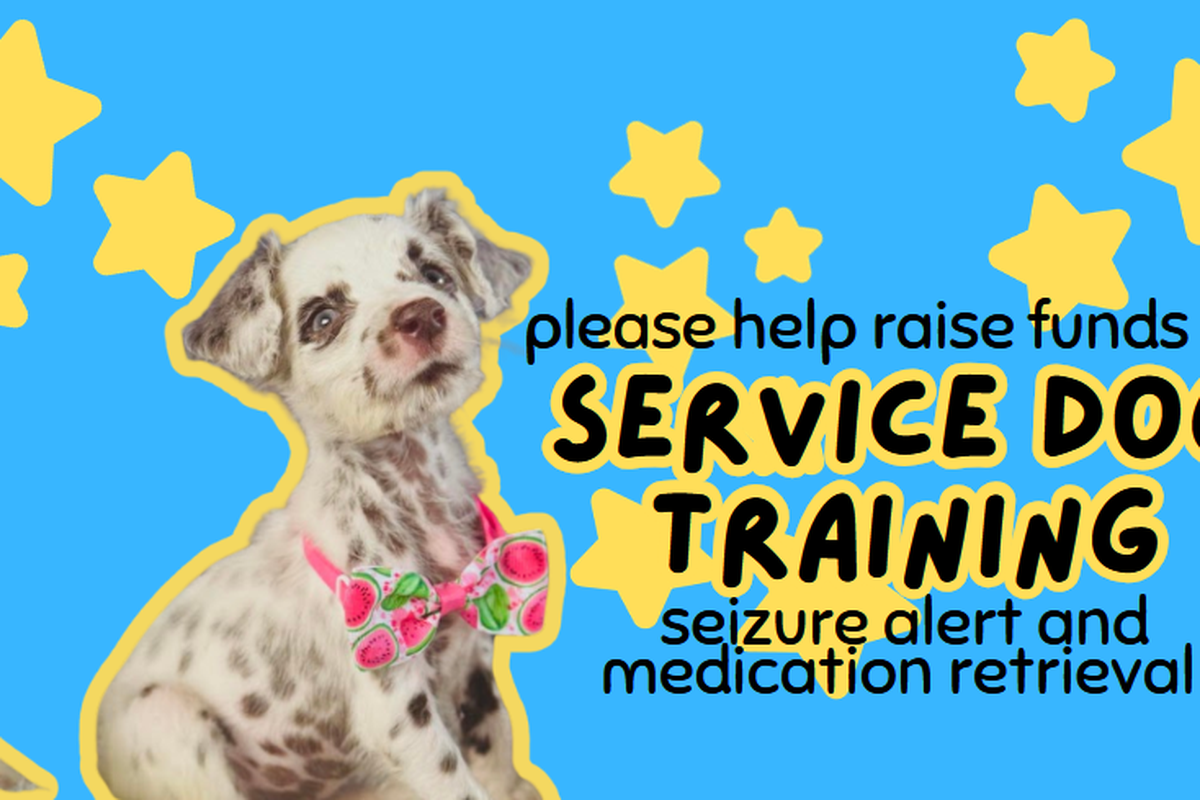
Credit: www.gofundme.com
Choosing The Right Breed
Selecting a suitable breed is crucial for training a seizure alert dog. Breeds like Labrador Retrievers and Golden Retrievers are known for their intelligence and calm nature. Their natural instincts and ability to learn quickly make them ideal candidates for this important role.
Choosing the right breed for a seizure alert dog is crucial, as not every dog has the innate ability to detect seizures. Some breeds are naturally more adept due to their heightened senses and specific traits. It’s essential to consider these characteristics when selecting your future seizure alert companion.Breeds Known For Seizure Detection
Certain breeds are renowned for their exceptional ability to detect seizures. Labrador Retrievers, Golden Retrievers, and German Shepherds often top the list. These breeds possess not only a keen sense of smell but also a strong desire to please their owners. Did you know that Poodles and Collies also make excellent seizure alert dogs? Their intelligence and trainability make them standout candidates. It’s fascinating how some mixed breeds, especially those with a combination of the aforementioned genes, can also excel in this role.Temperament And Behavior Traits
Temperament is just as important as breed when selecting a seizure alert dog. Look for dogs that are calm, attentive, and have a strong bond with their handler. These traits ensure that they can focus on detecting subtle changes in their owner’s condition. A seizure alert dog should also be friendly and non-aggressive. They need to remain composed in various environments, from crowded public spaces to quiet home settings. Consider a personal story: a friend once shared how her Labrador’s gentle nature helped her feel at ease even during social events. Do you have a preferred breed in mind? It’s vital to assess individual dogs, not just breeds, as personality can vary widely even within a specific breed. Remember, the right temperament can make all the difference in a successful partnership with your seizure alert dog.Basic Obedience Training
Basic obedience training forms the foundation for any service dog, including seizure alert dogs. It equips the dog with necessary skills, ensuring they can respond appropriately in different situations. This type of training focuses on essential commands and maintaining consistency and patience.
Essential Commands
Teaching essential commands is crucial for effective communication. Commands like “sit,” “stay,” and “come” are fundamental. These commands help manage the dog’s behavior in various environments. Use positive reinforcement to encourage learning. Treats and praise work well as rewards. Keep training sessions short and engaging. This helps maintain the dog’s attention.
Consistency And Patience
Consistency and patience are key in training. Regular training sessions reinforce learning and build habits. Use the same commands and gestures each time. This reduces confusion for the dog. Be patient, as learning takes time. Not all dogs learn at the same pace. Celebrate small successes and progress. This boosts the dog’s confidence and motivation.
Understanding Seizure Alerts
Training a seizure alert dog involves recognizing early signs and using positive reinforcement. Consistent practice helps the dog identify specific changes in behavior or scent. These loyal companions can greatly assist in alerting their owners before a seizure occurs.
Understanding Seizure Alerts Seizure alert dogs have a special skill. They can sense seizures before they happen. This ability helps their owners stay safe. Training these dogs requires understanding what they perceive. It involves teaching them to notify their human companions effectively. Knowing how dogs detect seizures is the first step in this training.What Dogs Sense
Dogs have heightened senses. They pick up on subtle changes in human behavior or body chemistry. Some dogs notice changes in scent or movement. These changes might indicate a seizure is coming. Dogs might also sense shifts in heart rate or breathing patterns. Understanding what dogs perceive helps in training them effectively.Typical Alert Behaviors
Alert behaviors vary among seizure alert dogs. Some dogs bark persistently before a seizure. Others nuzzle or paw at their owner. A few might circle or pace nervously. Each dog has unique behaviors. Trainers observe and reinforce these natural instincts. Consistent training helps dogs alert their owners reliably.
Credit: www.facebook.com
Specialized Training Techniques
Training a seizure alert dog requires specialized techniques. These techniques build on the dog’s natural abilities. They help the dog recognize and respond to seizures. The process involves careful planning and practice. Two key methods are scent training and behavior reinforcement. These methods play a crucial role in developing a reliable alert dog.
Scent Training
Scent training focuses on teaching dogs to detect specific smells. Dogs have an exceptional sense of smell. This makes them ideal for detecting changes in a person’s scent before a seizure. Start by collecting samples of the scent during a seizure. Use these samples during training sessions. Gradually introduce the dog to the scent. Reward them when they show interest. Over time, they learn to associate the scent with a seizure. This prepares them to alert their owner.
Behavior Reinforcement
Behavior reinforcement helps the dog understand what actions are desired. Use positive reinforcement to encourage the right behavior. Reward the dog when they alert you to a potential seizure. This can be a treat or praise. Consistent reinforcement strengthens the connection. The dog becomes more confident in their alerting skills. Establish clear commands for the alert behavior. This ensures the dog knows what is expected. With repetition, the dog becomes a reliable seizure alert companion.
Working With Professional Trainers
Training a seizure alert dog is a journey that requires patience, dedication, and expertise. While you might have a strong bond with your dog, working with professional trainers can significantly enhance the training process. These experts bring specialized knowledge and experience to the table, ensuring your dog is prepared to assist you effectively. But how do you find the right trainers and make the most out of collaborative sessions?
Finding Qualified Trainers
Start your search by looking for trainers with specific experience in training seizure alert dogs. Check their credentials and certifications. You can consult local veterinary offices or disability organizations for recommendations.
Consider trainers who have a proven track record. Ask for testimonials from previous clients. A trainer’s familiarity with different breeds and their adaptability is crucial.
Don’t hesitate to interview potential trainers. Discuss their methods and ensure they align with your goals. You want someone who is patient, understanding, and committed to your dog’s success.
Collaborative Training Sessions
Collaborative sessions should be a partnership between you and the trainer. Be actively involved in the process. Your input is valuable because you know your dog’s personality best.
Regular updates and feedback from the trainer are essential. These sessions should include structured exercises tailored to your dog’s needs. Keep track of progress and celebrate milestones.
Engage in open communication with the trainer. Ask questions and share observations. This collaboration ensures that training is efficient and effective, ultimately benefiting you and your dog.
Have you found ways to enhance your dog’s training experience? Share your thoughts and insights with others. Your experiences could help someone else on their journey with their seizure alert dog.
Socialization And Environment
Training a seizure alert dog involves more than just teaching them to recognize signs of a seizure. It’s about preparing them for the world they will navigate alongside you. Socialization and environment play crucial roles in shaping a dog’s ability to respond calmly and effectively in various situations. A well-socialized dog is confident and adaptable, essential traits for a seizure alert dog. Let’s explore how you can create a robust foundation through socialization and environment.
Exposing To Various Settings
Introducing your seizure alert dog to different environments is essential for their development. Start by taking short trips to places with varying levels of activity, like a quiet park and a bustling city street. This helps your dog become accustomed to different sights, sounds, and smells.
Consider how these experiences might make your dog more resilient. Are they comfortable with loud noises or crowded spaces? Gradually increase exposure to new settings, ensuring each visit is a positive experience. Reward calm behavior with treats and praise, reinforcing their confidence.
Interacting With People And Animals
Engaging with people and other animals is another critical aspect of socialization. Organize playdates with other dogs to help your dog learn social cues and communication. This interaction teaches them how to behave appropriately around other animals.
Invite friends over frequently, allowing your dog to meet different people. Each interaction should be friendly and non-threatening, helping your dog build trust and comfort with new faces. Reflect on how each interaction shapes their behavior. Do they greet strangers with curiosity or hesitance? Your guidance can foster a friendly and approachable demeanor.
Every encounter is a stepping stone in your dog’s journey to becoming a reliable seizure alert companion. How can you create more opportunities for them to thrive in diverse environments and interactions?
Monitoring Progress
Monitoring progress in training a seizure alert dog is essential. Keep track of the dog’s responses and improvements. Regular practice sessions help identify areas needing more attention.
Monitoring progress is a crucial aspect of training a seizure alert dog. Observing changes helps ensure the dog’s growth and readiness. Tracking improvements and adjusting methods are vital steps in this journey.Tracking Behavioral Improvements
Keeping a detailed log is helpful. Note any signs of progress. Record the dog’s reactions to seizures. Look for signs like increased alertness. Document any new behaviors that show awareness. This helps assess the dog’s development over time. Consistent tracking aids in understanding the dog’s learning curve.Adjusting Training Methods
Adapting training techniques is essential. If progress stalls, try new approaches. Some dogs need more patience and repetition. Others may respond better to different stimuli. Evaluate what works best for your dog. Alter the environment if needed. Change rewards or cues to better suit the dog’s needs. This ensures effective learning and faster progress.
Credit: www.facebook.com
Health And Well-being
Training a seizure alert dog is a journey that requires attention to both the dog’s skills and its health and well-being. A healthy dog is more attentive, energetic, and capable of responding to your needs. Prioritizing your dog’s health ensures that it can perform its duties effectively and lead a fulfilling life.
Regular Veterinary Check-ups
Frequent visits to the vet are crucial in maintaining your seizure alert dog’s health. Regular check-ups help catch potential health issues early, ensuring they don’t interfere with training. Consider scheduling these visits every six months to keep your dog in top shape.
Nutrition And Exercise
A balanced diet fuels your dog’s energy and focus. Consult with your vet to find the best diet tailored for your dog’s breed and activity level. High-quality proteins and essential nutrients are key components.
Incorporate daily exercise to keep your dog fit and mentally stimulated. Whether it’s a brisk walk or a game of fetch, physical activity is essential. How does your dog’s routine look today, and are you incorporating enough variety?
Legal And Certification Considerations
Training a seizure alert dog involves understanding legal requirements and certifications. These ensure the dog’s effectiveness and compliance with regulations. Certification guarantees the dog is well-trained to assist individuals with seizures, providing safety and reliability.
Training a seizure alert dog is a rewarding journey that can significantly enhance the life of someone with epilepsy. However, before diving into the training process, it’s crucial to understand the legal and certification considerations that will ensure your service dog is recognized and protected under the law. These considerations not only safeguard your rights but also guarantee that your furry companion is appropriately certified to assist you.Service Dog Certification
Certifying your seizure alert dog as a service dog is an essential step in this process. Certification helps you validate your dog’s training and capabilities, ensuring you can access public spaces without unnecessary obstacles. To certify your dog, you may need to provide evidence of training and possibly undergo assessments to confirm your dog’s ability to alert and respond to seizures. Documentation is key. Keep records of your dog’s training sessions, achievements, and any endorsements from professional trainers.Understanding Legal Rights
Knowing your legal rights as a handler of a seizure alert dog can empower you in various public settings. The Americans with Disabilities Act (ADA) provides comprehensive guidelines that protect you from discrimination. Under ADA, your service dog must be allowed in most public places, including restaurants, hotels, and transport systems. Have you ever faced resistance when bringing your service dog into a public place? Understanding your rights can help you confidently address such situations. Equipping yourself with knowledge about your legal rights ensures you can advocate for both yourself and your service dog effectively.Building A Strong Bond
Building a strong bond with a seizure alert dog is essential. This connection forms the foundation for effective training and a successful partnership. A deep bond ensures the dog remains attentive and responsive to its owner. This bond develops through trust, communication, and daily interaction. Let’s explore these critical components.
Trust And Communication
Trust is the backbone of any strong relationship. Consistent actions build trust over time. Dogs need to feel safe and understood. Use calm and clear commands. Praise them often for good behavior. This builds confidence in their role. Communication should be simple and consistent. Dogs understand tone and body language well. Use these tools to convey messages. This strengthens mutual understanding.
Daily Interaction And Care
Daily interaction fosters a deeper bond. Spend quality time with your dog each day. Play games, go for walks, or just relax together. These activities build a sense of companionship. Regular care is also crucial. Ensure your dog receives proper nutrition and hygiene. This shows your commitment to their well-being. Regular vet check-ups keep them healthy and active. Care and interaction create a loyal and trusting relationship.
Frequently Asked Questions
What Breeds Are Best For Seizure Alert Dogs?
Breeds like Golden Retrievers, Labrador Retrievers, and German Shepherds are often ideal for seizure alert training. These breeds are known for their intelligence and sensitivity, making them more attuned to detecting seizures. Their loyal and protective nature makes them reliable companions for individuals with epilepsy.
How Do Seizure Alert Dogs Detect Seizures?
Seizure alert dogs detect seizures through behavioral changes, scent, or subtle physical cues. They can sense changes in their owner’s body chemistry or movements. Training focuses on recognizing these indicators and responding appropriately. This early detection can provide valuable time for preparation and safety measures.
Can All Dogs Be Trained For Seizure Alerts?
Not all dogs are suitable for seizure alert training. Dogs need a calm temperament, keen senses, and ability to learn complex tasks. Professional trainers assess a dog’s capacity to detect seizures. It’s important to choose a dog with the right characteristics for effective training and reliable alertness.
How Long Does Seizure Alert Dog Training Take?
Seizure alert dog training typically takes several months to over a year. The duration depends on the dog’s breed, temperament, and learning ability. Consistent and patient training is crucial. Professional trainers often tailor programs to the dog’s specific needs to ensure successful seizure detection.
Conclusion
Training a seizure alert dog requires patience and dedication. Each step builds a strong bond between you and your dog. Consistency is key in guiding your dog to recognize seizures. Use positive reinforcement to encourage desired behaviors. Celebrate small victories in the training process.
Remember, each dog learns at its own pace. Seek professional guidance if needed. Your efforts can improve safety and peace of mind. With time and care, your dog becomes a reliable companion. A friend who alerts and comforts during seizures.
This journey strengthens the connection and trust between you and your dog.


