
Are you looking to enhance the safety of your home or business? Training a security dog might be the perfect solution.
Imagine having a loyal companion that not only provides you with peace of mind but also acts as a reliable guardian. You might be wondering where to start or how to ensure your dog becomes the best protector it can be.
You’ll discover effective techniques to train your security dog, transforming it into a vigilant and well-disciplined protector. Unlock the secrets to building a strong bond and instilling the necessary skills in your dog, so you can feel secure at all times. Don’t miss out on these essential tips that could make all the difference.
Credit: worldanimalfoundation.org
Choosing The Right Breed
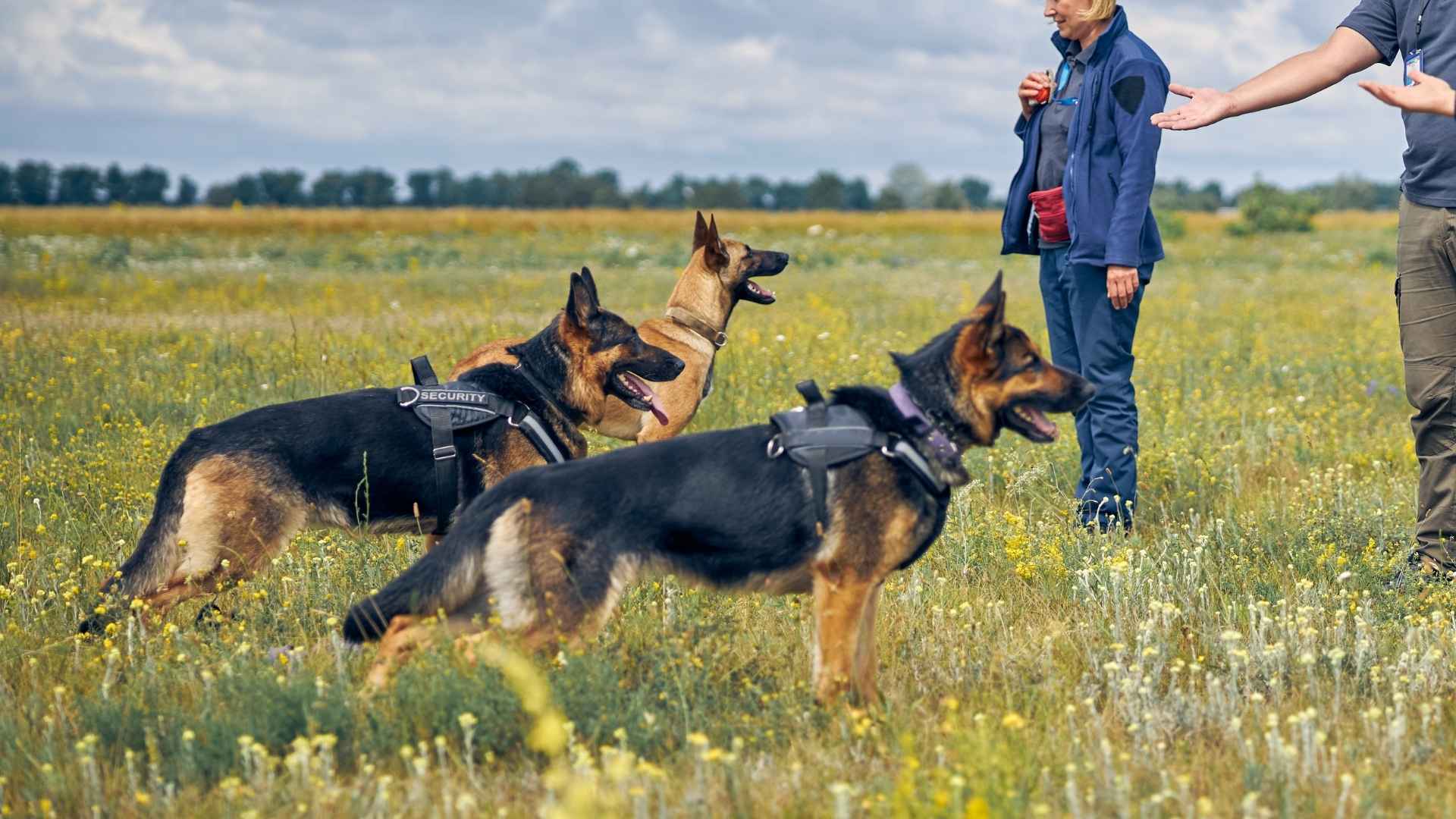
Selecting the right breed is crucial for training a security dog. Some breeds naturally excel in protection roles. German Shepherds and Rottweilers are popular choices due to their intelligence and loyalty.
Choosing the right breed is a critical step in training a security dog. Not all dog breeds are naturally suited for security roles, and picking the right one can make or break your training efforts. The breed you choose should align with your specific security needs, lifestyle, and environment.Understanding The Role
Before selecting a breed, think about what you need from a security dog. Are you looking for a guard dog to protect your property or a personal protection dog to accompany you? Different breeds excel in different roles, so clarity here will guide your choice.Researching Breed Traits
Some breeds are known for their protective instincts and intelligence. German Shepherds, Belgian Malinois, and Rottweilers are popular choices due to their strength and trainability. It’s essential to understand the typical traits of these breeds to ensure they align with your expectations.Evaluating Your Environment
Consider your living situation and environment. Larger breeds need ample space to roam and exercise, while others might adapt well to smaller homes. Your neighborhood’s climate can also impact which breed will thrive.Considering Temperament
Temperament is crucial in security dogs. You want a dog that is assertive but not overly aggressive. Breeds like Doberman Pinschers are known for their balanced temperament, making them great for security without being a liability.Health And Longevity
Choose a breed known for its health and longevity. Some breeds are prone to health issues that could limit their effectiveness as security dogs. Research common health concerns associated with each breed to make an informed decision.Training Requirements
Different breeds have varying training needs. Some may learn quickly, while others require more time and patience. Consider how much time you can dedicate to training and whether the breed’s learning style matches your schedule.Seeking Professional Guidance
Consulting with a professional dog trainer or a breeder can provide valuable insights. They can help you understand a breed’s needs and suitability for security training. Their experience can be a guiding light in your decision-making process. Remember, choosing the right breed is not just about finding a dog that looks intimidating. It’s about finding a loyal companion that fits your lifestyle and can effectively meet your security needs. Are you ready to make that choice?Basic Obedience Training
Training a security dog begins with basic obedience skills. Teaching commands like sit, stay, and come ensures effective communication. Consistent practice and positive reinforcement create a well-disciplined partner.
Basic Obedience Training is the cornerstone of any successful security dog training program. It’s where you lay the groundwork for more advanced skills by teaching your dog to understand and respond to fundamental commands. These basic skills ensure your dog can react appropriately in varied situations, making your bond stronger and more effective.Commands And Responses
When training a security dog, establishing clear commands is crucial. Start with simple commands like “sit,” “stay,” and “come.” Each command should be paired with a specific hand signal to reinforce verbal cues. Use positive reinforcement such as treats or praise when your dog correctly responds. For instance, when your dog sits on command, reward immediately to solidify the behavior. Consistent responses to commands build trust and reliability. As your dog masters each command, gradually introduce distractions to test their focus.Consistency In Training
Consistency is key in training a security dog. Practice commands daily, maintaining a routine that your dog can depend on. This reinforces learning and prevents confusion. Avoid changing command words or signals once established. Imagine teaching a child to read—would you change the alphabet every week? Regular sessions should be short but frequent, keeping your dog’s attention and enthusiasm high. Consistency breeds confidence, and a confident dog is a reliable security partner.Socialization Skills
Training a security dog requires strong socialization skills. Introduce them to various environments and people. This helps them remain calm and focused during their duties.
Socialization skills are crucial in shaping your security dog’s behavior and ensuring they perform their duties effectively. A well-socialized security dog can adapt to various situations and environments, making them more reliable and less prone to stress. Let’s explore how you can enhance these skills in your security dog.Exposure To Different Environments
Introduce your security dog to a variety of settings. Take them on walks in both urban and rural areas, letting them experience different sights, sounds, and smells. This exposure will help them become comfortable and confident in any situation. Vary the times of your outings to include day and night experiences. This helps your dog adjust to different lighting and activity levels. Have you ever noticed how different a bustling city feels at night? Your dog needs to be prepared for that change too.Interacting With People And Animals
Encourage your dog to meet diverse groups of people. From children to adults, your dog should be comfortable and composed around all types. This interaction is vital for a security dog that might encounter various people during their duties. Similarly, introduce your dog to other animals. Whether it’s other dogs at a park or cats in the neighborhood, these experiences teach your dog how to react calmly and appropriately. It’s essential for them to distinguish between a threat and a friendly encounter. Training a security dog isn’t just about teaching commands. Socialization is equally important, if not more so. Are you ready to invest the time in making your dog a well-rounded protector?Advanced Protection Techniques
Training a security dog requires patience and consistency. Focus on obedience skills and socialization. Introduce scent detection and protection exercises gradually.
Advanced protection techniques are crucial for a well-trained security dog. These techniques enhance the dog’s ability to protect and respond to threats effectively. Training in these areas requires patience and precision. A skilled trainer ensures the dog understands commands and reacts appropriately. This section delves into two key aspects: Bite Work Fundamentals and Controlled Aggression.Bite Work Fundamentals
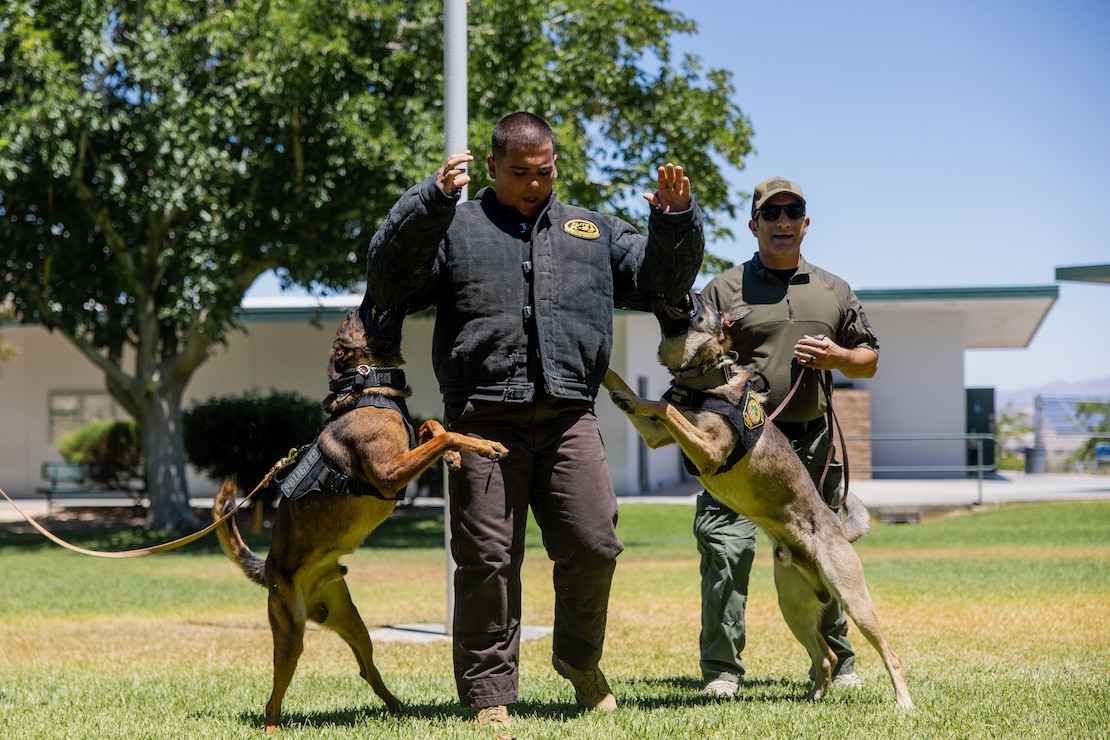
Bite work is essential for a security dog’s protection skills. This training teaches the dog when to bite and release. Start with a protective sleeve for safe practice. Use consistent commands to direct the dog. Praise the dog for correct responses to reinforce learning. Gradually introduce real-life scenarios to simulate threats. This helps the dog learn to identify and neutralize potential dangers.Controlled Aggression
Controlled aggression ensures the dog remains calm and focused. Teach the dog to respond to specific threats without unnecessary aggression. Begin with basic obedience to establish control. Use commands to trigger and stop aggressive behaviors. It’s crucial the dog learns the difference between play and serious situations. Regular training sessions are vital to maintain this skill. Controlled aggression ensures the dog acts only when needed, ensuring safety for everyone involved.Scent Detection Training
Scent detection training builds a security dog’s confidence and skills. Use positive reinforcement to encourage scent identification. Practice with different scents to enhance the dog’s ability to detect threats effectively.
Training a security dog for scent detection is a fascinating and rewarding journey. This specialized training transforms your furry friend into a vigilant protector, capable of identifying various scents with precision. Whether you’re looking to enhance your dog’s natural abilities or cultivate an expert scent detector, understanding the essentials of scent detection training is key. Engaging your dog in this process requires patience, consistency, and a keen understanding of their unique abilities. Are you ready to explore how your dog can become a master at scent detection?Building Scent Recognition
Start with simple scent games to build your dog’s recognition skills. Use everyday items like socks or toys infused with specific scents. Reward your dog with treats or praise when they successfully identify the target scent. This reinforces their learning and builds a positive association with scent detection. Gradually introduce more complex scents, such as essential oils or specific objects used in real-world scenarios. Monitor your dog’s progress and adapt your training techniques to suit their unique learning style. Remember, each dog has its own pace; patience and consistency are crucial.Tracking And Searching Exercises
Once your dog is comfortable with scent recognition, it’s time to move onto tracking exercises. Use a favorite treat or toy to lay a scent trail. Encourage your dog to follow the trail using their nose. This practice hones their ability to track scents over distances and through various terrains. Introduce search exercises by hiding scented items in different locations. Make the challenge more engaging by varying the difficulty of the hiding spots. Celebrate your dog’s success to boost their confidence and enthusiasm for the task. Engage with your dog during these exercises; your involvement enhances their motivation and strengthens your bond. What surprises will you uncover as your dog masters the art of scent detection?
Credit: www.youtube.com
Handler And Dog Communication
Effective communication between handler and dog is key to training a security dog. Consistent commands and positive reinforcement help build trust and obedience. A calm demeanor from the handler encourages the dog to focus on tasks and respond effectively.
In the world of security dog training, effective communication between handler and dog is crucial. A well-trained security dog relies on clear signals from its handler. This connection ensures the dog understands commands and responds swiftly. Building this communication takes time, patience, and consistency. Good communication strengthens the bond and boosts the dog’s confidence. It also enhances the dog’s ability to perform tasks accurately.Reading Body Language
Handlers must understand their dog’s body language. Dogs communicate a lot through their movements and gestures. A wagging tail might indicate happiness or alertness. Raised hackles can show the dog feels threatened. Recognizing these signs helps handlers respond appropriately. This understanding reduces misunderstandings during training sessions. It also helps in real-life security situations.Verbal And Non-verbal Cues
Both verbal and non-verbal cues play a role in training. Verbal cues include short, distinct commands like “sit” or “stay.” Consistency in tone and volume is key. Non-verbal cues involve hand signals or body posture. These cues can be useful in noisy environments. Dogs often respond well to a combination of both. Mixing verbal with non-verbal signals can enhance communication. Practicing these cues regularly ensures the dog remains sharp and attentive.Physical Conditioning
Training a security dog involves structured physical conditioning to build strength and endurance. Consistent routines, including running and obstacle courses, help maintain peak fitness. These activities ensure the dog remains agile and alert for effective security duties.
Physical conditioning is a cornerstone of training a security dog. It’s not just about building strength, but also about ensuring your dog has the stamina to perform tasks effectively. A well-conditioned dog is more agile, responsive, and capable of protecting you when needed.Strength And Agility Workouts
Building strength in your security dog involves regular resistance exercises. Use tug-of-war games to build muscle while also reinforcing obedience commands. Incorporate agility courses with jumps, tunnels, and weave poles to enhance their flexibility and speed. Think about the last time you faced a physically demanding task; your dog needs similar challenges. Use exercises that mimic real-world scenarios they might face. Consistent training in varied environments will ensure they are ready for anything.Endurance Building
Endurance is crucial for a security dog to maintain performance over extended periods. Start with daily walks and gradually increase the distance to build cardiovascular health. Integrate interval training by alternating between brisk walks and short sprints. Consider how you feel after a long day on your feet; your dog needs to handle long hours too. Swimming is an excellent low-impact option that builds stamina without stressing their joints. Regularly assess their endurance levels and adjust the training intensity to keep them challenged. Incorporating these physical conditioning routines will not only enhance your dog’s security skills but also strengthen your bond. Are you ready to see your dog transform into a powerhouse protector?Legal And Ethical Considerations
Training a security dog is a rewarding journey, but it’s essential to consider the legal and ethical responsibilities involved. As you embark on this path, keeping in mind the laws and ensuring humane practices will safeguard both you and your canine companion. These considerations not only protect the well-being of your dog but also ensure that you are compliant with regulations.
Understanding Laws And Regulations
Before you start training your security dog, familiarize yourself with local and national laws regarding working animals. Different regions have specific requirements for registration, certification, and training standards. Ignorance of these laws can lead to hefty fines or even legal action.
Consult local authorities or professional trainers to understand these regulations better. You might need specific permits or documents to legally train and deploy your security dog. Have you ever considered the impact of not adhering to these rules?
Ensuring Humane Training Practices
Humane training is crucial for the mental and physical health of your security dog. Avoid harsh methods that can cause distress or injury. Positive reinforcement techniques not only ensure ethical treatment but also strengthen the bond between you and your dog.
Consider the use of rewards such as treats, toys, or affection to encourage desired behaviors. This approach makes training a positive experience for your dog. Have you witnessed the difference in behavior when a dog is trained with kindness versus coercion?
By prioritizing these legal and ethical considerations, you contribute to a safer environment for your community and a happier life for your dog. How do you plan to integrate these practices into your training routine?
Credit: www.lawenforcement.marines.mil
Frequently Asked Questions
How Do I Start Training A Security Dog?
Begin with basic obedience training, including commands like sit and stay. Progress to specialized security tasks. Use consistent positive reinforcement to build trust and confidence. Gradually introduce real-world scenarios to enhance their skills. Regular practice and patience are key to successful training.
What Breeds Are Best For Security Dogs?
German Shepherds, Belgian Malinois, and Rottweilers are popular choices. They have natural protective instincts, intelligence, and physical strength. Consider a breed that fits your environment and needs. Each breed has unique traits that can be beneficial for security roles.
How Long Does Security Dog Training Take?
Training duration varies based on the dog’s breed and experience. Basic training can take a few months. Specialized security training may take several months to a year. Regular practice ensures proficiency. Consistency and patience are essential throughout the training process.
Can A Family Pet Become A Security Dog?
Yes, with proper training, a family pet can be a security dog. Ensure your pet is healthy and has a suitable temperament. Start with basic obedience before progressing to security tasks. Balance security training with family-friendly interactions for a well-rounded pet.
Conclusion
Training a security dog requires time and patience. Consistent practice helps build strong skills. Always use positive reinforcement to encourage good behavior. Keep sessions short to maintain focus and interest. Remember, each dog learns at its own pace. Be patient and adjust techniques as needed.
Working with a professional trainer can offer valuable insights. Safety should always remain a top priority. A well-trained security dog becomes a reliable companion. Protecting your home and loved ones effectively. Enjoy the process and bond with your dog. The journey is as important as the destination.


