How to Train My Dog Not to Bite: Expert Tips
Are you tired of those little nips from your furry friend? Worried about your dog’s biting habits and unsure how to tackle them?
You’re not alone. Many dog owners face this challenge, and it’s crucial to address it early. Imagine the peace of mind knowing your dog interacts safely with everyone around. Training your dog not to bite is more than just curbing a behavior; it’s about building trust and a loving bond.
This guide is packed with straightforward tips that you can apply right away. By the end, you’ll feel confident and equipped to teach your dog better habits. Dive in to discover how you can transform your dog into the gentle companion you know they can be.
Understanding Dog Behavior
Training your dog not to bite involves understanding the root cause of the behavior. Consistent, positive reinforcement techniques can help in correcting this habit effectively. Socializing your dog with people and other pets is crucial for building trust and reducing aggressive tendencies.
Understanding the behavior of your dog is crucial if you want to train them not to bite. Dogs communicate in ways that are different from humans, and biting can be a signal of something more profound than just aggression. By grasping these nuances, you can address the root causes and cultivate a trusting relationship with your furry friend.Reasons Dogs Bite
Dogs bite for various reasons, and not all are due to aggression. Sometimes, they bite out of fear or anxiety, especially if they feel cornered or threatened. Puppies, on the other hand, often bite while teething or during play as a natural way to explore their environment. Consider the context in which your dog is biting. Is it during playtime, or does it occur when they meet strangers? Understanding the reason behind the bite can help you address the behavior more effectively.Identifying Triggers
To train your dog not to bite, pinpointing the triggers is essential. Observe your dog’s reactions in different situations. Do they become aggressive around other animals, or is it specific noises that set them off? Once you identify these triggers, you can work on desensitizing your dog to them. For instance, if your dog bites when startled by loud noises, gradually introducing them to such sounds at a lower volume can help them adjust. Additionally, keep a close watch on their body language. Are their ears pinned back, or is their tail tucked between their legs? These signs can give you valuable insights into their emotional state and help prevent biting incidents before they occur. Do you notice any patterns or specific scenarios that lead to biting? Understanding these can be a game-changer in your training efforts.Socialization Techniques
Socializing your dog is a crucial step in training them not to bite. By exposing your furry friend to various experiences, you help them understand how to behave in different situations. This process not only reduces aggression but also builds their confidence and trust in you.
Introducing To New Environments
Start by taking your dog to different places where they can safely explore new sights, sounds, and smells. Consider a local park or a pet-friendly store. These environments are rich with new stimuli that can help your dog learn to remain calm.
Gradually increase the complexity of the environments. Try visiting busier areas like city streets or a farmer’s market. This will teach your dog to be comfortable even amidst chaos.
Always keep an eye on their body language. If they seem overwhelmed, give them space and time to adjust. How does your dog react when faced with unfamiliar surroundings?
Interacting With People And Animals
Encourage your dog to meet new people and animals regularly. This can be done through playdates with other dogs or inviting friends over to your home. The key is to make these interactions positive and rewarding.
Use treats and praise to reinforce calm behavior. If your dog shows signs of anxiety or aggression, redirect their attention to something positive. This helps them associate new faces with good experiences.
Observe your dog’s comfort level and adjust accordingly. What types of interactions does your dog enjoy the most? Remember, every positive encounter is a step towards reducing their tendency to bite.
Positive Reinforcement Training
Training your dog not to bite can be a challenging yet rewarding journey. Positive reinforcement is a powerful method that encourages your furry friend to exhibit desirable behaviors by rewarding them. This approach not only strengthens the bond between you and your dog but also makes learning a fun and engaging experience for both of you. Imagine a training session where your dog eagerly anticipates your cues because they know good things await them. That’s the magic of positive reinforcement.
Rewarding Good Behavior
Think about the joy you feel when someone acknowledges your efforts. Dogs are similar; they thrive on recognition. Whenever your dog shows restraint, offer immediate praise. This could be a verbal affirmation or a gentle pat. Consistency is key. The more often you reward good behavior, the quicker your dog learns what you expect.
Timing matters. Reward your dog right after they exhibit the desired behavior. This helps them associate the action with the positive outcome. Remember, your goal is to create a clear connection between their actions and your response.
Using Treats Effectively
Treats are a fantastic tool in positive reinforcement training. But are you using them to their full potential? Choose treats that your dog finds irresistible. These will motivate them to follow your lead. Keep the treat size small; you want your dog focused on the training, not the meal.
Engage your dog by varying the rewards. Sometimes use a treat, other times a toy or praise. This keeps them guessing and attentive. Create a reward hierarchy. Save the best treats for breakthroughs in behavior. This way, your dog knows the bigger the effort, the sweeter the reward.
Training a dog not to bite using positive reinforcement requires patience and consistency. Are you ready to transform your dog’s behavior with kindness and rewards?

Credit: www.youtube.com
Consistency And Patience
Building a well-behaved dog requires consistency and patience. Regular training helps your dog understand boundaries. Stay calm and reward good behavior to reinforce positive actions.
Training your dog not to bite requires a strong foundation of consistency and patience. These are not just virtues but essential tools in your training arsenal. Without them, the process can become frustrating for both you and your dog. Imagine trying to learn a new skill with a teacher who keeps changing the rules. Your dog feels the same way when the training isn’t consistent. Regular routines and calm reactions build trust and understanding. Let’s dive into how you can make these principles work for you.Establishing A Routine
Creating a predictable routine helps your dog know what to expect. Dogs thrive on structure and clear guidelines. Start by setting specific times for feeding, walks, and training sessions. Repetition is your ally here. Consistent schedules make your dog feel secure and more willing to learn. If you train your dog every day at the same time, they will anticipate and look forward to it. You might notice small improvements each day. Celebrate these wins, no matter how minor they seem.Maintaining Calmness
Your dog senses your mood and energy levels. A calm demeanor can help keep your dog relaxed and receptive. If you lose your cool, it might confuse or scare your dog, making training less effective. Take deep breaths and try to stay patient, especially when your dog is struggling to learn. Think of it as a partnership where both of you are learning from each other. When your dog bites, respond calmly. Say “no” firmly, but without anger. Redirect their attention to a toy or another activity. Your calm, consistent reaction helps them understand what behavior is acceptable. Have you ever noticed how your dog mirrors your emotions? Use this to your advantage by maintaining a positive and composed attitude.Professional Training Assistance
Training a dog not to bite can be a challenging task, and sometimes, despite your best efforts, you might find that professional training assistance is necessary. It’s essential to acknowledge when your dog’s behavior requires expertise beyond your knowledge. Professional trainers bring a wealth of experience and specialized techniques that can make a significant difference in correcting biting behaviors. But how do you know when it’s time to seek help, and how do you choose the right trainer for your furry friend?
When To Seek Help
You may have tried various methods to stop your dog from biting, but the behavior persists. This might be a sign that it’s time to seek professional help. If your dog’s biting is aggressive or causes injury, it’s crucial to consult a trainer immediately.
Observe the triggers for your dog’s biting. Is it happening during play, or are there specific situations that lead to this behavior? Identifying patterns can guide you in deciding whether professional intervention is needed. Have you considered how severe the biting is? If it’s causing harm or escalating, don’t wait to get assistance.
Choosing The Right Trainer
Not all trainers are created equal. Look for a trainer with specific experience in dealing with biting behaviors. Check their credentials and ask about their approach to handling aggressive dogs. Do they use positive reinforcement, or are their methods more rigid?
Ask for recommendations from friends or your veterinarian. A trainer with positive reviews from trusted sources can provide peace of mind. Have you thought about observing a training session? Seeing the trainer in action can offer insights into their techniques and effectiveness.
Choosing the right trainer is not just about their methods but also how comfortable you and your dog feel with them. Your dog should respond positively to the trainer’s techniques, and you should feel supported and informed throughout the process.
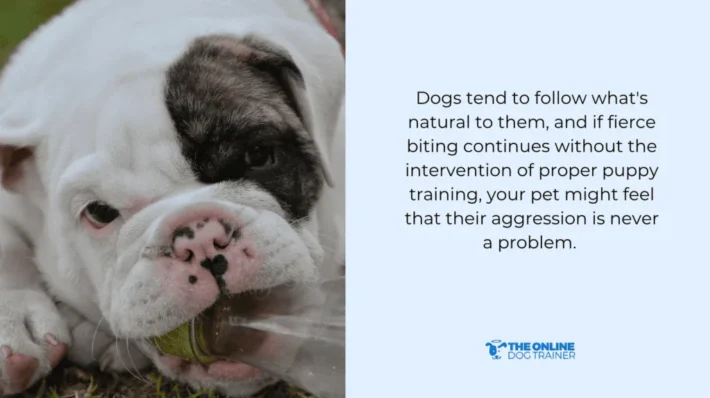
Credit: theonlinedogtrainer.com
Safety Measures
Training a dog not to bite involves consistent reinforcement of positive behaviors. Utilize rewards and gentle corrections to guide your pet. Always supervise interactions with children and strangers, ensuring safety for everyone involved.
Training your dog not to bite is a crucial part of ensuring a safe environment for everyone involved, including your furry friend. It’s not just about teaching obedience; it’s about instilling trust and ensuring safety. Implementing certain safety measures can be a game-changer in this process. Let’s explore how you can effectively incorporate these strategies to make sure your dog stays calm and others stay safe.Using Muzzles And Leashes
Muzzles and leashes are not just tools; they are your allies in managing and training your dog. A muzzle can prevent your dog from biting in situations where it feels threatened or anxious. It’s important to introduce the muzzle in a positive way, associating it with treats and praise. A leash, on the other hand, gives you control over your dog’s movements. It can be particularly useful during training sessions or in situations where your dog might feel overwhelmed. Remember the time your dog lunged at a squirrel? A firm grip on the leash can prevent such incidents from escalating into something more serious.Supervising Interactions
Being proactive about supervising your dog’s interactions is vital. Whether it’s with strangers, children, or other animals, your presence can deter potential biting incidents. Make it a point to observe your dog’s body language—are they tense or relaxed? Consider a scenario where your dog is meeting a new friend. Stand close by and watch how they react. If you sense unease, redirect their attention with a toy or a command. Your vigilance can prevent situations from spiraling out of control and help your dog learn appropriate behavior. Supervision isn’t just about prevention; it’s about learning. Each interaction is an opportunity to understand your dog better and adjust your training methods accordingly. Are you noticing patterns in their behavior? Use these insights to fine-tune your approach, ensuring a safer environment for everyone.Monitoring Progress
Training your dog not to bite is a journey that requires patience and consistency. Monitoring your dog’s progress is essential to ensure you’re on the right track and making adjustments as needed. This process not only helps in achieving the desired behavior but also strengthens your bond with your furry friend. Let’s dive into how to effectively monitor the progress of your dog’s training.
Tracking Behavioral Changes
Observing changes in your dog’s behavior is crucial. Keep a journal to note any instances of biting or aggressive behavior. Have you noticed a decrease in these episodes? Celebrate these small victories as they indicate progress.
Use a checklist to track specific behaviors you want to change. Is your dog reacting calmly to strangers now? Document such moments. It can be encouraging to see how far your dog has come.
Consider using a video to record training sessions. Sometimes seeing is believing. Watch these recordings to identify patterns or triggers that you might have missed initially.
Adjusting Training Methods
As you monitor progress, be prepared to adjust your training methods. If certain techniques aren’t yielding results, it’s okay to try something new. Experiment with positive reinforcement strategies like treats or praise.
Listen to your dog. Are they responding better to certain commands or rewards? Adapt your approach based on their preferences. This personalization can accelerate learning.
Engage with professional trainers if needed. They can offer insights and alternative methods that you might not have considered. How can their expertise enhance your dog’s training journey?
Remember, patience is key. Adjustments might take time, but they can lead to more effective training outcomes. Your commitment to understanding and adapting to your dog’s needs is invaluable.

Credit: www.youtube.com
Frequently Asked Questions
Why Does My Dog Bite?
Dogs bite due to fear, pain, or unfamiliar situations. It’s a natural defense mechanism. Understanding the trigger helps in training. Socialization and positive reinforcement can reduce biting tendencies effectively.
How Can I Stop My Dog From Biting?
Use consistent training methods, rewarding good behavior, and discouraging biting gently. Redirect their attention with toys. Enroll in obedience classes for professional guidance. Consistency is key.
What Age Should I Start Bite Training?
Start bite training as early as 8 weeks old. Early training helps establish good habits. Use positive reinforcement techniques. Consistency and patience are essential for success.
Is Professional Help Needed For Biting Issues?
If biting persists, seek professional help. A dog trainer can provide tailored solutions. They address behavioral issues effectively. Early intervention prevents future problems.
Conclusion
Training your dog not to bite takes patience. Consistency is key. Use positive reinforcement to encourage good behavior. Reward calm actions. Avoid physical punishment as it can increase aggression. Understand your dog’s triggers. Work on socializing your pet with people and other dogs.
This helps reduce fear and anxiety. Seek professional help if needed. A trainer can provide guidance. Remember, training is a journey. Stay committed and patient. Your dog’s behavior will improve over time. Celebrate small successes along the way. Your dedication will pay off with a well-behaved companion.
Enjoy the bond you build with your dog.