
Are you struggling with training your dog and looking for effective solutions? A dog training collar might be just what you need to enhance your pup’s learning experience.
Imagine a world where your furry friend listens to your commands, stays safe, and thrives in your environment. You can achieve this by mastering the use of a dog training collar. This tool is not just about discipline; it’s about communication and building a strong bond with your pet.
By the end of this article, you’ll be equipped with the knowledge to use a dog training collar effectively, helping you transform your training sessions into successful adventures. Dive in and discover how you can make a positive impact on your dog’s behavior and your relationship with them.
Choosing The Right Training Collar
Selecting the ideal dog training collar requires understanding your dog’s needs and behavior. Ensure the collar fits properly and use it consistently to reinforce training commands.
Choosing the right training collar for your dog is a crucial decision that can significantly impact the effectiveness of your training sessions. Not all collars are created equal, and what works for one dog might not be suitable for another. Understanding the different types and knowing what factors to consider will ensure you make the best choice for your furry friend.Types Of Dog Training Collars
There are several types of dog training collars available, each designed for specific training purposes.- Flat Collars:These are basic collars, suitable for everyday use and for dogs who already know basic commands.
- Martingale Collars:Ideal for dogs with narrow heads, like greyhounds, as they prevent slipping out without choking.
- Choke Chains:Used for quick corrections, but they require careful handling to avoid injury.
- Prong Collars:Designed for strong pullers, these distribute pressure evenly around the neck.
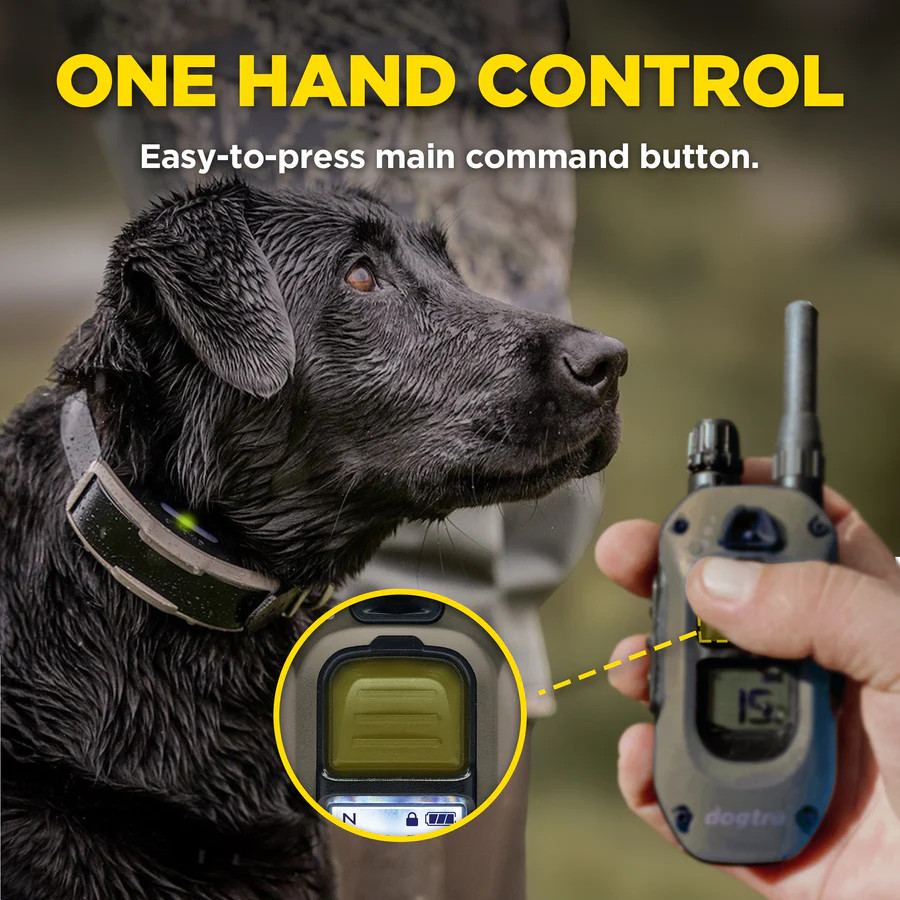
- Electronic Collars:Used for remote training, often equipped with vibration or beep options to alert the dog.
Factors To Consider
When selecting a training collar, there are several factors you should keep in mind to ensure it suits both you and your dog.- Size and Fit:The collar should fit snugly but not tightly. Measure your dog’s neck and refer to size charts for guidance.
- Dog’s Temperament:A sensitive dog may respond better to a gentle collar, while a more stubborn dog might need something firmer.
- Training Goals:Define your objectives. Are you teaching basic commands or correcting a specific behavior?
- Material:Consider durability and comfort. Collars made from nylon or leather are generally comfortable and long-lasting.
- Safety Features:Some collars have reflective materials or quick-release buckles for added safety during walks.
Credit: www.rayallen.com
Introducing The Collar To Your Dog
Introduce your dog to the training collar gradually. Allow them to sniff and explore it first. Use positive reinforcement, like treats, to create a positive association with the collar. Attach the collar gently, ensuring it fits comfortably without being too tight.
Introducing a dog training collar to your furry friend can be a daunting task. However, with the right approach, it can become a smooth and positive experience for both you and your dog. A training collar is not just a tool; it’s a way to communicate and strengthen your bond. Let’s explore how you can make this introduction as seamless as possible.First Impressions Matter
Your dog’s first encounter with the training collar is crucial. Make it a positive experience. Lay the collar on the ground and let your dog sniff and inspect it. This helps them get familiar with the new object without feeling threatened. You might even want to associate the collar with a treat or their favorite toy. This creates a positive connection in their mind. Remember, your dog is more likely to accept the collar if they see it as something non-threatening and beneficial. Consider the environment as well. Introduce the collar in a calm and familiar setting. A relaxed atmosphere will help your dog feel at ease, making them more receptive to new experiences.Fitting The Collar Properly
A proper fit is essential for the collar to work effectively. Measure your dog’s neck accurately. You should be able to fit two fingers comfortably between the collar and your dog’s skin. This ensures the collar is snug but not too tight. An improperly fitted collar can cause discomfort or even harm. Check the fit regularly as your dog grows or changes weight. Adjust as needed to maintain comfort and efficacy. Think about the material of the collar, too. Opt for something soft yet durable. This ensures your dog can wear it for extended periods without irritation. Would you feel comfortable wearing something that’s too tight or itchy? Neither would your dog.Training Techniques With Collars
Training collars can be effective tools for teaching dogs. They offer various techniques to help modify behavior. Understanding how to use them effectively is key. It ensures the safety and well-being of your furry friend. Let’s explore some training techniques with collars.
Positive Reinforcement Strategies
Positive reinforcement encourages good behavior in dogs. Use treats or praise when your dog behaves well. When the collar is on, reward them for actions like sitting or staying. This builds a positive association with the collar. Dogs learn quickly when rewards are involved. Keep sessions short to maintain their interest.
Corrective Measures And When To Use Them
Sometimes, corrective measures are necessary. These should be used carefully and sparingly. A gentle pull on the collar can correct unwanted behavior. It’s important to act quickly. Timing is crucial for your dog to understand. Never use harsh corrections or punishment. The goal is to guide, not scare. Always follow up with positive reinforcement.
Ensuring Safety And Comfort
Using a dog training collar can be an effective tool in your pet’s education journey, but ensuring safety and comfort is crucial. You want your furry friend to feel secure, not anxious. A collar should be a gentle guide, helping to instill positive behaviors without causing distress or harm.
Monitoring Your Dog’s Reaction
As you introduce the collar, keep a close eye on how your dog responds. Does he seem comfortable, or is he showing signs of stress? Look for subtle signs of discomfort like excessive scratching or reluctance to wear the collar. It’s essential to adjust the settings to suit your dog’s needs, as each dog reacts differently.
Consider starting with the lowest setting to gauge your dog’s reaction. If your dog seems unfazed, gradually increase the intensity, but always prioritize his comfort. Trust your instincts—if something seems off, pause and reassess. Your dog’s well-being is the priority.
Avoiding Common Mistakes
Missteps in using a training collar can lead to setbacks. Avoid leaving the collar on for too long; prolonged use can cause irritation. Remember, the collar is a training tool, not a permanent accessory. Regular breaks ensure your dog’s comfort.
Another common mistake is using the collar as a punishment. This can instill fear rather than encourage learning. Instead, use it to reinforce positive behavior. Wouldn’t you prefer your dog to associate the collar with rewards rather than reprimands?
Finally, ensure the collar fits correctly. A snug fit is essential but should not be too tight. You should be able to slide two fingers between the collar and your dog’s neck. A proper fit enhances effectiveness and ensures safety.
Progress Tracking And Adjustments
Tracking progress in dog training requires patience and attention. A training collar can help measure your dog’s improvement over time. It allows you to make necessary adjustments to your approach.
Recognizing Improvement Signs
Look for signs that show your dog is learning. These include responding to commands more quickly. Your dog might also show less resistance to the collar. Increased focus during training sessions is another positive sign. Note these improvements to help refine your training strategy.
Adapting Training Methods
If progress stalls, consider adjusting your methods. Try varying the intensity of the collar’s signals. Experiment with different command techniques. Each dog responds differently, so stay flexible. Tailor your approach to match your dog’s needs. This keeps training effective and engaging.

Credit: manuals.plus
Consulting Professionals
Using a dog training collar can be a helpful tool. But it’s crucial to know the proper techniques. Consulting professionals can offer valuable guidance. They ensure you use the collar effectively and humanely. Professional trainers have the experience to tailor advice to your dog’s needs. This personalized approach can make a big difference. Let’s explore when you should seek expert advice and how to find the right trainer.
When To Seek Expert Advice
Not all dogs respond the same way to training collars. Some may need specialized techniques. Seek expert advice if your dog shows signs of stress. Unwanted behaviors that persist may also require professional input. A trainer can assess your dog’s behavior and collar use. They provide tailored solutions that suit your dog’s temperament. It’s better to consult early before issues escalate.
Finding The Right Trainer
Finding the right trainer is essential for success. Look for trainers with certifications and experience. They should specialize in humane training methods. Ask for recommendations from fellow dog owners. Read reviews online to gauge the trainer’s reputation. Meeting the trainer before committing is wise. Discuss your dog’s needs and training goals. Ensure their methods align with your values. This ensures a positive experience for both you and your dog.

Credit: www.walmart.com
Frequently Asked Questions
What Is A Dog Training Collar?
A dog training collar is a tool used for training. It helps reinforce commands and correct unwanted behaviors. Different types include shock, vibration, and citronella collars. Always choose a collar suitable for your dog’s size and temperament.
How To Properly Fit A Dog Training Collar?
Proper fitting is crucial for effectiveness and safety. Ensure the collar sits high on the neck, snug but not tight. You should be able to fit two fingers between the collar and your dog’s neck. Adjust as needed for comfort and control.
Are Dog Training Collars Safe For Puppies?
Training collars can be safe if used correctly. It’s vital to choose a collar designed for puppies. Start with the lowest setting and monitor your puppy’s response. Always consult a professional trainer before using a training collar on a puppy.
When Should I Use A Dog Training Collar?
Use a training collar when teaching commands and correcting behaviors. It’s best during controlled training sessions. Avoid overuse or relying solely on the collar. Complement collar use with positive reinforcement for best results.
Conclusion
Using a dog training collar can enhance your pet’s learning. It’s important to use it with care and understanding. Always start with the lowest setting to avoid distress. Consistency in training leads to better results. Patience is key in helping your dog learn new behaviors.
Remember, this tool is part of a broader training plan. Always pair it with positive reinforcement for best outcomes. Your dog will feel more secure and confident with clear guidance. Enjoy the process and celebrate small successes along the way.
Happy training!


