How to Train the Dog Not to Bark: Expert Tips
Senior Canine Nutritionist & Dog Behavior Specialist at Cozy Dog Go Wellness Lab

Imagine a peaceful home where you can relax without the constant noise of your dog barking at every passerby or rustling leaf. Sounds like a dream, right?
If you’re a dog owner, you’ve likely faced the challenge of managing your furry friend’s barking habits. But what if I told you that with a few simple techniques, you could train your dog to bark less and enjoy more quiet moments together?
In this guide, we’re diving into practical strategies to help you teach your dog when it’s okay to bark and when to stay calm. You’ll discover how to create a serene environment, reducing stress for both you and your pet. By the end of this article, you’ll be equipped with effective methods to transform your dog into a well-behaved companion. So, are you ready to unlock the secrets to a quieter home? Let’s get started!
Understanding Barking Behavior
Understanding why your dog barks is the first step towards training them not to. Barking is a natural behavior, a form of communication for dogs. To address it effectively, you need to explore the reasons behind your dog’s vocal expressions.
Reasons Dogs Bark
Dogs bark for a variety of reasons. Some bark to alert you to potential danger, such as an unfamiliar noise or presence. Others may bark out of boredom, seeking attention or stimulation.
Consider the environment and context when your dog barks. Is it the mailman triggering the alarm? Or perhaps it’s loneliness during your absence. Identifying the reason is crucial for addressing the behavior appropriately.
When Barking Becomes A Problem
Occasional barking is normal, but excessive barking can strain relationships with neighbors and disrupt your peace. It becomes problematic when it happens frequently and without apparent reason.
Imagine returning home to a slew of noise complaints. This not only stresses you but also points to an underlying issue with your pet’s behavior. Recognizing when barking shifts from communication to a problem helps you take timely action.
Have you ever found yourself shouting over your dog’s incessant barking? It’s not just annoying; it can indicate distress or unmet needs in your pet. Addressing excessive barking requires patience and understanding.
Credit: www.facebook.com
Professional Help
Seeking professional help for training a dog not to bark can be beneficial. Experts offer personalized strategies to address barking issues effectively. Tailored guidance ensures better communication between you and your pet.
Seeking professional help for training your dog not to bark can be a wise decision, especially if you’ve exhausted other methods without success. Professional trainers bring a wealth of experience and tools that can be instrumental in addressing persistent barking issues. Engaging a trainer might not just save you time but also ensure that your dog learns in a positive and effective manner.When To Consult A Trainer
If your dog’s barking is causing stress or disturbances, it might be time to consult a trainer. Consider professional help if the barking is aggressive or seems to stem from anxiety. A trainer can assess the situation and create a tailored plan to tackle the issue. Sometimes, what seems like a simple barking problem could be a sign of a deeper behavioral issue. Trainers can identify these nuances and address them effectively. Have you noticed that despite your efforts, the barking persists? A trainer’s expertise might be the missing piece in your strategy.Benefits Of Professional Training
Professional training offers several advantages that can make a significant difference.- Expertise: Trainers have a deep understanding of canine behavior and can apply techniques that work specifically for your dog.
- Consistency: Training sessions provide a structured environment where your dog can learn consistently.
- Personalized Approach: Each dog is unique, and trainers can adapt their methods to suit your dog’s personality and needs.
Maintaining Progress
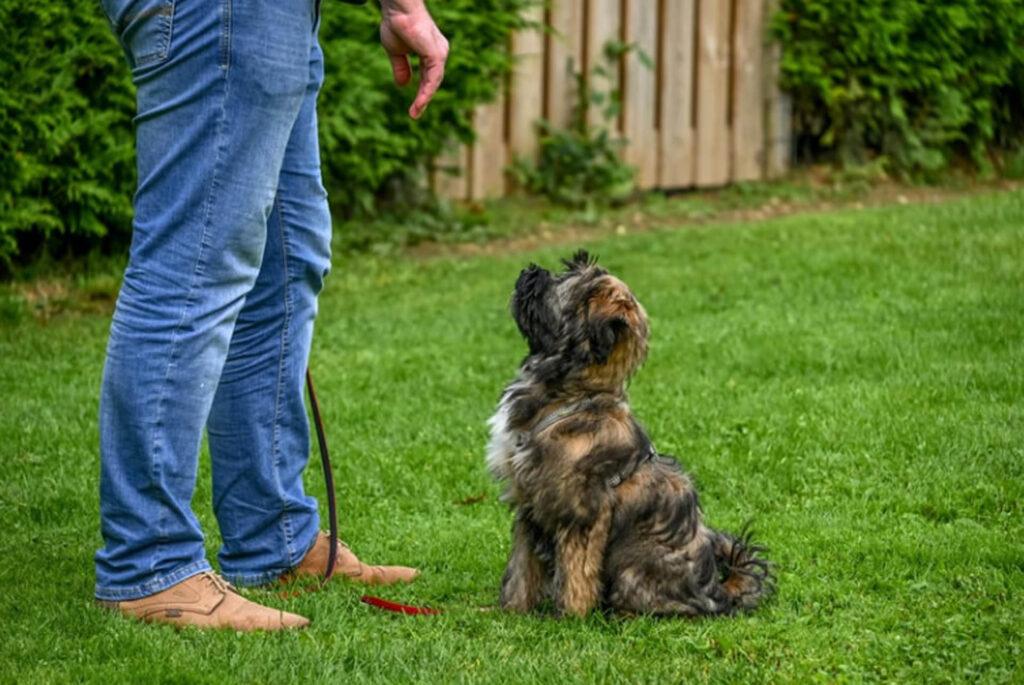
Training a dog not to bark involves consistency and patience. Reinforce quiet behavior with treats and praise. Redirect attention to toys or activities when barking begins.
Maintaining progress in dog training is vital. Consistency builds good habits and reduces barking. Dogs thrive on routine. Regular practice cements the lessons learned. This part of training requires patience and dedication.Regular Training
Regular training ensures your dog remembers what they’ve learned. Short, daily sessions work best. Keep sessions fun and engaging. Use treats and praise to reward good behavior. This strengthens the bond between you and your dog. Create a schedule. Stick to it. Repetition helps your dog understand expectations. Avoid long gaps between training. This may cause your dog to forget lessons.Adapting To New Situations
Dogs may bark in new environments. Adapt training techniques for different scenarios. Introduce your dog to new situations gradually. Use familiar commands in unfamiliar settings. This reassures your dog. Stay calm and patient. Your dog looks to you for guidance. Observe your dog’s reactions to new stimuli. Adjust your approach if needed. This helps maintain progress in varied environments. Consistency and adaptability in training are key. With these, your dog learns to bark less, no matter the situation.
Credit: theonlinedogtrainer.com
Frequently Asked Questions
How Can I Stop My Dog From Barking?
To stop your dog from barking, identify the trigger first. Train your dog using positive reinforcement techniques. Reward them for quiet behavior. Consistency is key in training. Use commands like “quiet” or “enough” during barking. Gradually, your dog will learn to associate silence with rewards.
What Causes Dogs To Bark Excessively?
Dogs bark excessively due to boredom, anxiety, or attention-seeking. Environmental changes might also trigger barking. Identifying the root cause is crucial. Once known, you can address the issue effectively. Providing mental stimulation and adequate exercise can significantly reduce excessive barking.
Are There Effective Dog Training Methods For Barking?
Yes, effective methods include positive reinforcement, desensitization, and command training. Positive reinforcement rewards quiet behavior. Desensitization involves gradual exposure to triggers. Command training uses specific words like “quiet” to control barking. Combining these methods often yields the best results.
Is It Possible To Train A Puppy Not To Bark?
Yes, it’s possible to train a puppy not to bark. Start with basic commands like “quiet. ” Use positive reinforcement to encourage silence. Be consistent with training. Puppies learn faster when training is consistent and rewarding. Early training can prevent future barking issues.
Conclusion
Teaching your dog not to bark takes patience and consistency. Practice daily and reward good behavior. Keep commands short and clear. Use positive reinforcement to encourage quiet times. Stay calm and avoid yelling, which can confuse your dog. Understand why your dog barks.
This helps in addressing the root cause. Adjust training techniques to fit your dog’s needs. Over time, you’ll notice improvement. Celebrate small successes along the way. Training strengthens the bond between you and your dog. A quiet dog means a peaceful home for everyone.
Keep working, and enjoy the journey with your furry friend.

Similar Posts