How to Train My Dog to Protect Me: Expert Tips
Imagine walking confidently with your furry friend by your side, knowing they are trained to keep you safe. That’s the power of a protective dog.
You might wonder how you can train your dog to protect you effectively. This guide is here to help you unlock that potential. You’ll learn simple steps to nurture your dog’s instincts and transform them into a loyal guardian. Whether you have a playful pup or a calm companion, you’ll find the secrets to turning them into your personal protector.
Dive in, and discover how you can build this incredible bond with your dog, ensuring you feel secure and cared for every day.
Choosing The Right Breed
Selecting the right dog breed is crucial for effective protection training. Consider breeds known for their protective instincts, like German Shepherds or Rottweilers. They tend to respond well to structured training programs.
Choosing the right breed for a protection dog is a crucial step in ensuring you have a loyal and effective guardian. Not all breeds are naturally inclined to protect their owners, so understanding the characteristics that make a good protection dog is essential. Let’s dive into what you need to consider when selecting the perfect breed for protection.Understanding Breed Temperament
Different breeds have distinct temperaments, and some are more predisposed to protection work than others. For example, German Shepherds are known for their intelligence and loyalty, making them excellent protectors. Consider what traits are important for your situation: do you need a dog that is naturally alert, strong, and courageous?Size And Strength Considerations
Size and strength play a significant role in a protection dog’s ability to deter potential threats. Larger breeds like Rottweilers or Doberman Pinschers often have the physical presence needed to intimidate intruders. Think about whether the breed you are considering matches your living space and lifestyle, as larger dogs require more room and exercise.Energy Levels And Exercise Needs
Protection dogs often have high energy levels, requiring regular physical activity to keep them healthy and engaged. Breeds like Belgian Malinois or Boxers thrive when they have a job to do and plenty of exercise. Are you ready to commit to daily walks, playtime, and training sessions to keep your dog in peak condition?Trainability And Intelligence
Training is a pivotal aspect of having a protection dog, so choosing a breed known for its trainability is wise. Breeds like the Labrador Retriever are not only intelligent but eager to please, making them easier to train. Ensure the breed you choose is receptive to learning commands and can handle the discipline required for protection work.Compatibility With Family And Environment
Your protection dog will be a part of your family, so it’s important to choose a breed that fits well with your household. Breeds like Bullmastiffs are known for being gentle with children while still providing security. Evaluate your living conditions and family dynamics to ensure the breed you choose will thrive in your home environment. By carefully evaluating these factors, you can select a breed that not only meets your protection needs but also becomes a beloved member of your family. Remember, the right breed will not only guard you but will also enrich your life with companionship and loyalty.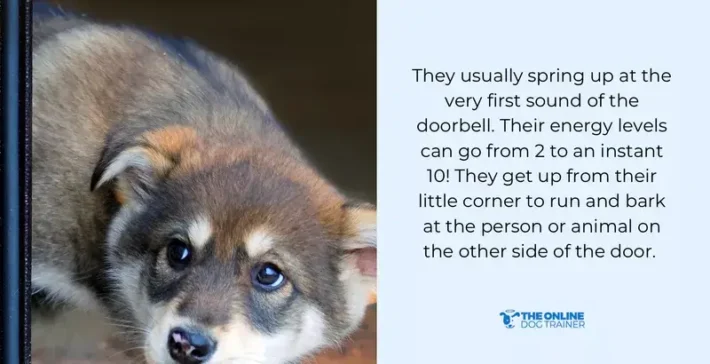
Credit: theonlinedogtrainer.com
Understanding Canine Behavior
Training a dog to protect you involves understanding canine behavior and building trust. Start with basic obedience skills, then introduce protection commands. Consistent practice with patience helps your dog learn its role as a protector.
Understanding your dog’s behavior is key to training them for protection. Dogs have innate instincts and cues that guide their actions. Recognizing these behaviors helps in channeling them effectively. It’s essential to distinguish between natural protective instincts and aggression. This knowledge ensures your dog protects without unnecessary aggression.Natural Protective Instincts
Many dogs have a natural urge to protect their family. Breeds like German Shepherds and Rottweilers often have strong protective instincts. These instincts stem from their history and breeding. Observing your dog’s behavior helps identify these traits. A protective dog may bark when strangers approach. They might stand between you and the perceived threat. These actions are signs of their protective nature. Training should enhance these instincts without causing harm.Signs Of Aggression Vs. Protection
It’s important to know the difference between aggression and protection. Aggression often involves excessive barking, growling, or biting. Protective behavior is usually more controlled. A protective dog will alert you to a threat. They may position themselves strategically without attacking. Aggression can stem from fear or anxiety. Understanding these signs helps in addressing them correctly. Training focuses on encouraging calm and controlled responses. This way, your dog protects you while remaining safe and obedient.Basic Obedience Training
Training a dog for protection starts with basic obedience. Teach commands like sit, stay, and come. Consistent practice builds trust and control, paving the way for advanced protection skills.
Basic obedience training is the foundation for a protective dog. It ensures your dog listens and responds to your commands. This builds trust and understanding between you and your pet. Through consistent practice, your dog learns to follow your lead, making them reliable protectors.Essential Commands
Teaching essential commands is crucial in obedience training. Focus on commands like sit, stay, and come. These help control your dog’s actions in various situations. Use clear and simple words. Reward your dog for following commands correctly. Praise and treats work well. Practice these commands daily. It strengthens your dog’s ability to protect you.Consistency And Patience
Consistency is key in training your dog. Train at the same time each day. Stick to the same commands. This helps your dog learn faster. Be patient. Dogs need time to understand and follow instructions. Frustration can hinder progress. Use positive reinforcement. It encourages your dog to repeat good behavior. Keep sessions short and enjoyable. This makes training effective and fun for both of you.
Credit: www.facebook.com
Advanced Protection Training
Training a dog to protect requires patience and consistency. Start with basic obedience commands like sit and stay. Gradually introduce protection exercises under professional guidance to ensure safety and effectiveness.
Advanced protection training enhances a dog’s natural instincts. It involves teaching dogs to protect their owners safely. This training requires time, patience, and expertise.Hiring A Professional Trainer
Hiring a professional trainer ensures effective training. Trainers have the necessary skills and experience. They can assess your dog’s temperament. Professional trainers use humane methods. They ensure your dog’s safety and well-being. Choose a certified trainer for best results. Research and read reviews before deciding.Training Tools And Techniques
Proper tools enhance training efficiency. Essential tools include leashes and collars. Use bite sleeves for safe practice. Clickers and treats motivate dogs. Consistent training is crucial for success. Techniques include obedience and focus exercises. Use commands like “stay” and “guard.” Practice in various environments. Ensure your dog feels comfortable and confident.Socialization Importance
Training your dog to protect you is not just about teaching commands; it’s about ensuring they’re socially adept. A well-socialized dog is more confident and less likely to react aggressively in unfamiliar situations. This confidence makes them better protectors as they can discern between real threats and harmless encounters.
Interacting With People
Introduce your dog to a variety of people, from children to adults, in different settings. This not only helps them understand human behavior but also teaches them to remain calm around strangers. When I first introduced my dog to my neighbors, I noticed he became less anxious and more observant.
Consider inviting friends over regularly to interact with your dog. Encourage gentle petting and calm interactions. This helps your dog learn to differentiate between friendly gestures and potential threats. You might ask yourself, how does your dog react to strangers at your doorstep?
Exposure To Different Environments
Vary your walking routes and visit different places like parks, busy streets, or quiet trails. This exposes your dog to different sounds, smells, and sights, enhancing their adaptability. I once took my dog to a bustling city center, and it was a valuable lesson in managing his excitement and curiosity.
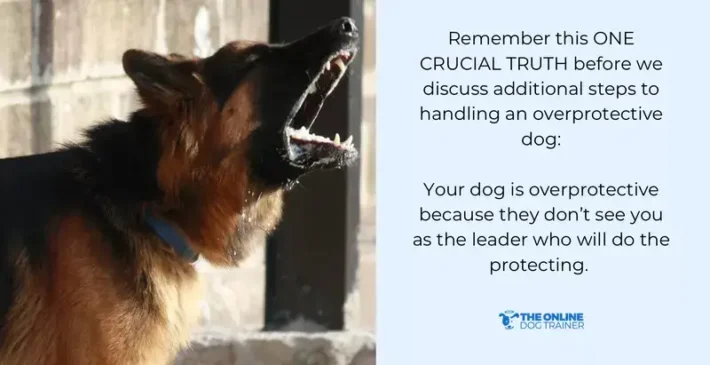
Gradually increase the complexity of environments. Start with quiet areas and slowly introduce busier locations. This progression helps your dog build resilience and stay focused on their protective role. What’s your dog’s reaction when a sudden loud noise breaks the calm? Observing this can offer insights into their comfort levels.
Credit: theonlinedogtrainer.com
Building A Strong Bond
Training a dog to protect requires patience and understanding. Start with basic obedience commands and build trust gradually. Consistent practice strengthens the bond and enhances your dog’s protective instincts.
Building a strong bond with your dog is the foundation of effective protection training. This connection is not just about commands and obedience; it’s about mutual respect and understanding. A well-bonded dog is more likely to respond positively to training and protect you effectively.Trust And Leadership
Your dog looks to you for guidance and security. Establishing trust is essential. Spend quality time together through walks, play, and simple training exercises. Lead with confidence, but avoid harsh discipline. Dogs respect leaders who are calm, assertive, and fair. How can you expect your dog to protect you if they fear you?Positive Reinforcement
Reward-based training encourages your dog to perform desired behaviors. Use treats, praise, or playtime as incentives. Consistency is key. Reinforce good behavior promptly. This approach fosters a positive learning environment and strengthens your bond. Remember, patience is crucial. Each dog learns at its own pace. Celebrate small victories to keep both you and your dog motivated.Safety And Legal Considerations
Training a dog for protection requires understanding safety and legal rules. Ensure your dog is not aggressive towards others. Consult local laws and a professional trainer for guidance.
Training your dog to protect you is a serious responsibility, and understanding the safety and legal considerations is crucial. A dog trained for protection needs to be managed with care and diligence. It’s not just about teaching commands; it’s about ensuring your dog acts safely and legally in any situation.Understanding Local Laws
Before you start training, it’s essential to know your local laws regarding protection dogs. Regulations can vary significantly from one place to another. Some areas might have strict rules about dog breeds that are allowed to be trained for protection purposes. Research whether you need any specific permits or certifications. In some regions, a trained protection dog is considered a liability unless registered. Ignorance of the law is not an excuse, and you could face fines or other legal consequences.Ensuring Control And Responsibility
A protection dog must be under your control at all times. This means your dog should respond reliably to commands like “sit,” “stay,” and “leave it” even in high-stress situations. Consistent training and reinforcement are key to maintaining this control. Consider the potential risks to others when training a protection dog. A well-trained dog should never act aggressively without a direct command. If your dog reacts unpredictably, it may put both you and others in danger. Training for protection should also include socialization. Your dog needs to differentiate between a genuine threat and an everyday encounter. Failing to do so might lead to unnecessary aggression. Have you ever thought about how your dog perceives strangers or unexpected situations? Understanding this can make training more effective and safe.Maintaining Training Consistency
Maintaining training consistency is key in teaching your dog to protect you. Regular practice helps reinforce commands and build trust. Consistent sessions ensure your dog understands its role and responsibilities.
Maintaining Training Consistency Training your dog to protect you requires dedication, patience, and most importantly, consistency. It’s not a one-time event but a continuous process. Without regular reinforcement, your dog might forget the skills you’ve diligently worked on.Regular Practice Sessions
Consistency in training means setting up regular practice sessions. These sessions don’t have to be lengthy. Just 10-15 minutes a day can make a significant difference in retaining your dog’s training. Incorporate protection exercises into your dog’s daily routine. This might include practicing commands like “stay,” “guard,” or “watch.” Use different environments for practice. This helps your dog learn to respond reliably regardless of location.Monitoring Behavior Changes
Always keep an eye on your dog’s behavior. Are they becoming overly aggressive or anxious? Adjust your training methods if needed to ensure a balanced approach. Watch for signs of stress or confusion. This might indicate that your dog doesn’t fully understand what is being asked. Celebrate positive behavior changes with treats and praise. This reinforces their learning and boosts confidence. Maintaining consistency in training not only helps in developing your dog’s protective skills but also strengthens your bond. How committed are you to making this a daily habit?Frequently Asked Questions
How Do I Start Training My Dog For Protection?
Begin with basic obedience training to establish control and communication. Gradually introduce protection-specific exercises, focusing on commands like “stay” and “guard. ” Use positive reinforcement to encourage desired behaviors. Always prioritize safety and consult a professional trainer for advanced protection training techniques.
What Breeds Are Best For Protection Training?
Breeds like German Shepherds, Rottweilers, and Doberman Pinschers are known for protection instincts. These breeds are intelligent, loyal, and naturally protective. They respond well to training and have the physical capabilities needed for protection work. Always consider a dog’s temperament and individual traits before starting training.
Can Any Dog Be Trained To Protect?
Most dogs can learn basic protection skills, but not all are suited for advanced training. A dog’s temperament, breed, and size play significant roles. Some dogs may excel in guarding, while others may not. It’s crucial to assess your dog’s natural instincts and consult a professional if needed.
How Long Does Protection Training Take?
Protection training duration varies based on the dog’s breed, age, and prior training. Typically, basic training takes several months. Advanced skills may require additional time. Consistency and patience are key. Regular practice and reinforcement help maintain and improve a dog’s protection abilities over time.
Conclusion
Training a dog for protection takes time and patience. Start with basic commands. Build a strong bond with your dog. Consistency is key. Reinforce positive behavior with treats and praise. Consult a professional trainer if needed. A well-trained dog boosts your confidence.
It ensures your safety. Remember, training should be fun for both of you. Always prioritize your dog’s well-being. Safety and trust come first. Your dog can be a loyal protector. With the right approach, you and your dog will succeed.
Enjoy the journey together.