
Imagine being greeted by the comforting presence of a therapy dog. Their gentle demeanor and unconditional love have a unique way of soothing our stresses and anxieties.
If you’re considering training a therapy dog, you’re about to embark on a fulfilling journey. Training these special companions isn’t just about teaching commands; it’s about nurturing a bond that can transform lives. As you begin this process, you’ll discover the profound impact a therapy dog can have, not only on the people they help but also on your life.
Your passion and dedication can mold a dog into a beacon of hope and healing. But how do you start? What steps ensure your dog is ready to provide comfort to those in need? In this guide, you’ll find the answers and practical tips to equip your dog with the skills they need to become a successful therapy dog. Dive in and uncover the secrets to creating a lifelong companion who makes a difference.
Therapy Dog Basics
Training a therapy dog can be a rewarding experience, both for you and the community you serve. Understanding the basics of what makes a therapy dog successful is the first step. These dogs are more than just pets; they are companions with a purpose, providing comfort and support to those in need.
Role Of Therapy Dogs
Therapy dogs play a critical role in emotional healing. They visit hospitals, schools, and nursing homes, bringing joy and comfort to people. Unlike service dogs, therapy dogs are not trained to perform specific tasks; instead, their presence alone provides therapeutic benefits.
Consider your own experiences with dogs. Have you ever noticed a sense of calm when a dog is around? Therapy dogs offer that relief to countless individuals. Their role is to be a source of unconditional love and emotional support.
Key Characteristics
Not every dog is suited for therapy work. Key characteristics include a calm temperament, sociability, and the ability to adapt to various environments. Dogs that are easily stressed or aggressive may not thrive in therapy roles.
- Calm Temperament:A therapy dog should remain composed in diverse settings.
- Sociability:They must enjoy interacting with people of all ages.
- Adaptability:Being comfortable in new environments is crucial.
Imagine a dog that loves meeting new people and remains unfazed by loud noises or crowded spaces. Such dogs have the potential to become wonderful therapy companions. Is your dog a natural at socializing and staying calm under pressure? They might just have what it takes to be a therapy hero.
Choosing The Right Dog
Choosing the right dog for therapy work is a crucial first step in training a therapy dog. This decision can impact the effectiveness of your training and the success of your therapy dog in providing comfort and support to those in need. It’s not just about picking a cute puppy; it’s about finding a dog with the right traits and temperament to excel in this role.
Suitable Breeds
While many breeds can make excellent therapy dogs, some are naturally more suited to this work. Labrador Retrievers and Golden Retrievers are popular choices due to their friendly nature and eagerness to please. Poodles, known for their intelligence and adaptability, are also excellent candidates.
Consider smaller breeds like Cavalier King Charles Spaniels, which are known for their affectionate demeanor. These breeds often thrive in environments where they provide emotional support, making them excellent companions for therapy sessions.
Temperament Considerations
Temperament is key when selecting a therapy dog. You want a dog that is calm, patient, and sociable. Dogs that are easily stressed or aggressive may struggle in therapy settings. Observe how the dog reacts to new people and environments.
It’s helpful to test the dog’s response to unexpected situations, like loud noises or sudden movements. A dog that remains calm and unflustered is likely to excel in therapy work. Reflect on your own experiences—have you ever met a dog that instantly made you feel at ease? That’s the kind of temperament you’re looking for.
Essential Training Commands
Training therapy dogs involves teaching them essential commands. These commands help control and guide the dogs during therapy sessions. They ensure the dogs respond calmly and appropriately in various situations. Mastery of these commands enhances the dog’s ability to assist people effectively. Let’s delve into some of these critical commands.
Sit And Stay
The “Sit” command is fundamental. It teaches dogs to rest on their haunches. Begin by holding a treat near the dog’s nose. Slowly move your hand upward. As the dog’s head follows, its bottom will lower. Once seated, reward them. Praise them verbally too. The “Stay” command follows “Sit.” Tell the dog to stay, then step back. Increase the distance gradually. Ensure the dog remains seated. Consistent practice helps reinforce this command.
Leave It
“Leave It” prevents dogs from picking up unwanted items. Start with a treat in both hands. Show one treat, but don’t give it. Say “Leave It” firmly. Wait for the dog to lose interest. Reward with the other hand’s treat. Keep sessions short. Repeat often to ensure learning. This command is crucial for safety. It stops dogs from grabbing harmful objects.
Calm And Relax
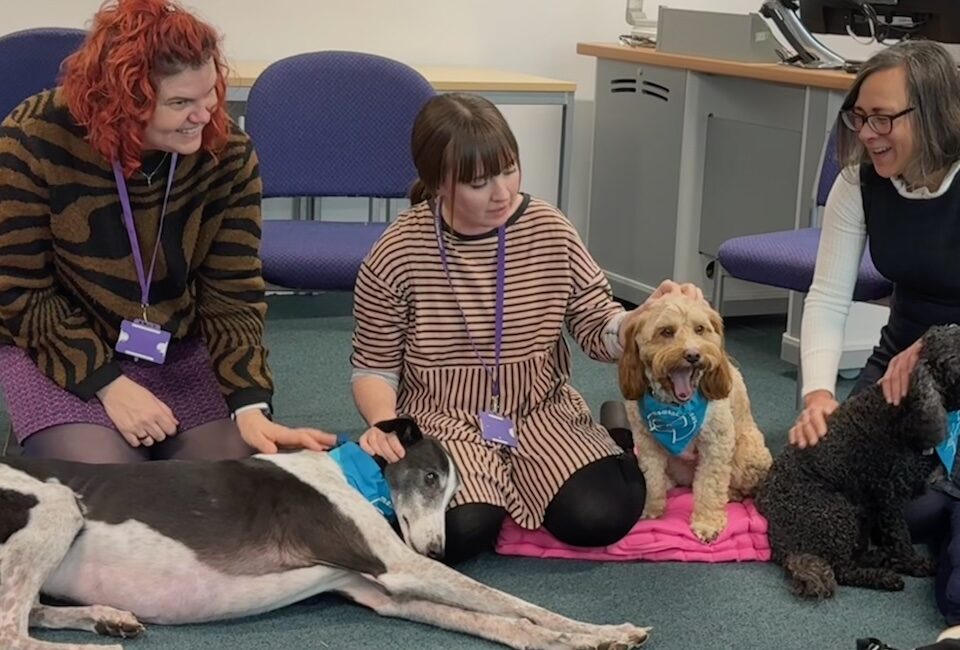
Teaching “Calm” or “Relax” is vital for therapy dogs. It helps reduce anxiety. Begin training in a quiet environment. Use a soothing voice. Reward calm behavior. Avoid rewarding excitement. Practice often. Use the command during play. Calm dogs provide better therapy support. Their relaxed demeanor comforts people.
Credit: www.momenttopaws.co.uk
Socialization Skills
Training therapy dogs involves teaching them socialization skills to interact calmly with people and environments. Positive reinforcement helps dogs build confidence and trust. Regular exposure to various situations enhances their ability to provide comfort and support effectively.
Socialization skills are crucial in training therapy dogs. These skills help dogs interact calmly with people and adapt to different environments. A well-socialized therapy dog remains calm and friendly in any situation. This enhances their ability to provide comfort and support.Interacting With People
Therapy dogs need to be comfortable around strangers. Begin by introducing your dog to family and friends. Gradually increase the diversity of people they meet. Encourage gentle interactions. Reward your dog with treats and praise for positive behavior. Exposure to different ages, genders, and ethnicities is beneficial. This helps your dog remain calm and friendly in varied social situations.Handling Different Environments
Dogs must adapt to various environments. Start with familiar places like your home or yard. Introduce them to new settings like parks, shops, and offices. Let them experience diverse sounds, smells, and sights. Practice simple commands in each setting. This builds confidence and reduces anxiety. Observe your dog’s reactions and adjust exposure accordingly. A therapy dog needs to feel comfortable wherever it goes.Desensitization Techniques
Desensitization techniques are key in training therapy dogs. These methods help dogs adapt to various situations, ensuring they remain calm and supportive. A therapy dog’s ability to handle different environments is crucial for their role in aiding humans. Using these techniques, trainers can prepare dogs to face common scenarios they might encounter.
Exposure To Noises
Dogs need to be comfortable around loud sounds. Start with soft noises and gradually increase the volume. Use recordings of common sounds like traffic, alarms, and crowds. Play these sounds during playtime or feeding, creating positive associations. Reward calm behavior with treats or praise.
Acclimating To Medical Equipment
Therapy dogs often visit hospitals or clinics. Familiarize them with medical equipment like wheelchairs, crutches, and IV stands. Introduce equipment gradually, allowing dogs to sniff and explore. Create a relaxed environment to ease anxiety. Encourage interactions with equipment using treats and gentle praise.
Credit: www.servicedogcertifications.org
Positive Reinforcement
Positive reinforcement is a cornerstone of training therapy dogs. This approach involves rewarding desirable behaviors, encouraging dogs to repeat them. It’s not just about giving treats; it’s about understanding how rewards can shape a dog’s behavior and foster a bond of trust and cooperation. By focusing on positive reinforcement, you help create a confident and well-adjusted therapy dog.
Using Treats Effectively
Effective treat use isn’t about constant feeding; it’s about strategic reward. Choose high-value treats that your dog loves to keep them motivated.
Start with small, bite-sized pieces to prevent overfeeding. Timing is crucial—reward immediately after the desired behavior so your dog makes the connection.
Mix up the treat types occasionally to maintain interest. Ever thought about using carrots or apple slices? They can be healthy alternatives to traditional treats.
Praise And Affection
Treats aren’t the only tool in your kit. Your voice and touch are powerful motivators. Dogs thrive on praise and affection, sometimes more than treats.
Use a cheerful tone and enthusiasm when your dog performs well. Words like “good boy” or “well done” can go a long way.
Physical affection, like a gentle pat or a belly rub, reinforces positive behavior. Have you noticed how a dog’s tail wags with sincere praise? That joy is a sign of effective training.
Advanced Training Methods
Training therapy dogs involves more than basic obedience skills. Advanced training methods help them excel in specialized tasks. These techniques enhance their ability to support individuals in various settings. They require patience and consistency but yield rewarding results. Let’s explore some key advanced training methods.
Task-specific Training
Task-specific training targets unique duties therapy dogs perform. They learn actions tailored to individual needs. For instance, guiding a person with mobility issues. This includes retrieving items or opening doors. Another task may involve providing physical support during a walk. Trainers use repetition and positive reinforcement. This ensures dogs execute tasks reliably.
Scent And Alert Training
Scent training taps into a dog’s natural abilities. They identify and respond to specific scents. This is crucial in medical alert roles. Dogs learn to detect changes in body chemistry. It helps them alert handlers to medical emergencies. They may detect low blood sugar or seizures. Alert training pairs scent detection with a response action. The dog communicates the issue clearly to the handler. Consistent practice sharpens their scent detection skills.

Credit: www.youtube.com
Certification Process
Training a therapy dog is a journey that culminates in the certification process. Certification ensures that your dog is capable of providing comfort and support to those in need. It is a critical step that validates your dog’s skills and temperament, making them ready for therapeutic work.
Testing Requirements
To achieve certification, your dog must pass a series of tests. These tests assess their behavior, obedience, and ability to interact calmly with strangers. Typically, the evaluation includes tests for basic commands like sit, stay, and come, as well as more specific scenarios like walking through a crowd or sitting quietly while being petted by unfamiliar people.
Some organizations may require additional tests to ensure your dog can handle various environments, such as hospitals or schools. Each test is designed to simulate real-life situations your therapy dog will encounter. Successfully passing these tests demonstrates your dog’s readiness to provide therapeutic support.
Maintaining Certification
Certification isn’t a one-time achievement; it requires ongoing commitment. Your dog must continue to exhibit the calm and gentle demeanor required for therapy work. This means regular training sessions to reinforce good behavior and keep their skills sharp.
Many certifying organizations require re-evaluation every one to two years. This ensures your dog remains suitable for therapy work as they age. Staying proactive with training and re-certification helps maintain the trust and effectiveness of your therapy dog.
Have you ever considered what it takes to keep your therapy dog in top form? Regular practice and engagement are key. By doing so, you ensure that your dog remains a reliable source of comfort and joy to those they serve.
Ongoing Support And Care
Therapy dogs need continuous support and care to thrive. These loyal companions deserve regular attention to their health and training needs. Consistent care ensures they remain effective and happy in their roles.
Regular Health Check-ups
Regular veterinary visits are essential for therapy dogs. These check-ups help detect health issues early. Keeping vaccinations up-to-date protects them from diseases. Dental health is also crucial. Clean teeth prevent infections and discomfort. A balanced diet supports their overall well-being. Consult a vet for dietary advice tailored to their needs.
Continued Training And Enrichment
Therapy dogs require ongoing training to maintain their skills. Practice commands regularly to keep them sharp. Introduce new environments for mental stimulation. Puzzle toys can challenge their minds. Socialization with other dogs enhances their adaptability. Training sessions should be fun and engaging. Positive reinforcement encourages good behavior and boosts confidence.
Frequently Asked Questions
What Are Therapy Dogs Used For?
Therapy dogs provide comfort and support to individuals facing emotional challenges. They help reduce stress, anxiety, and depression. These specially trained dogs visit hospitals, schools, and nursing homes. Their presence can improve mood and promote healing. Therapy dogs are known for their calming effects and unconditional love.
How To Start Training Therapy Dogs?
Begin training therapy dogs with basic obedience skills. Focus on commands like sit, stay, and come. Socialize them with diverse environments and people. Use positive reinforcement techniques, including treats and praise. Gradually introduce therapy-specific tasks. Consistent practice and patience are essential.
Consider enrolling in professional therapy dog training programs.
What Breeds Make Good Therapy Dogs?
Many breeds make excellent therapy dogs, including Labradors, Golden Retrievers, and Poodles. These breeds are known for their friendly and gentle nature. Mixed breeds can also excel in therapy roles. The key is their temperament, trainability, and sociability. Always consider a dog’s personality over breed when choosing a therapy dog.
Are Therapy Dogs Different From Service Dogs?
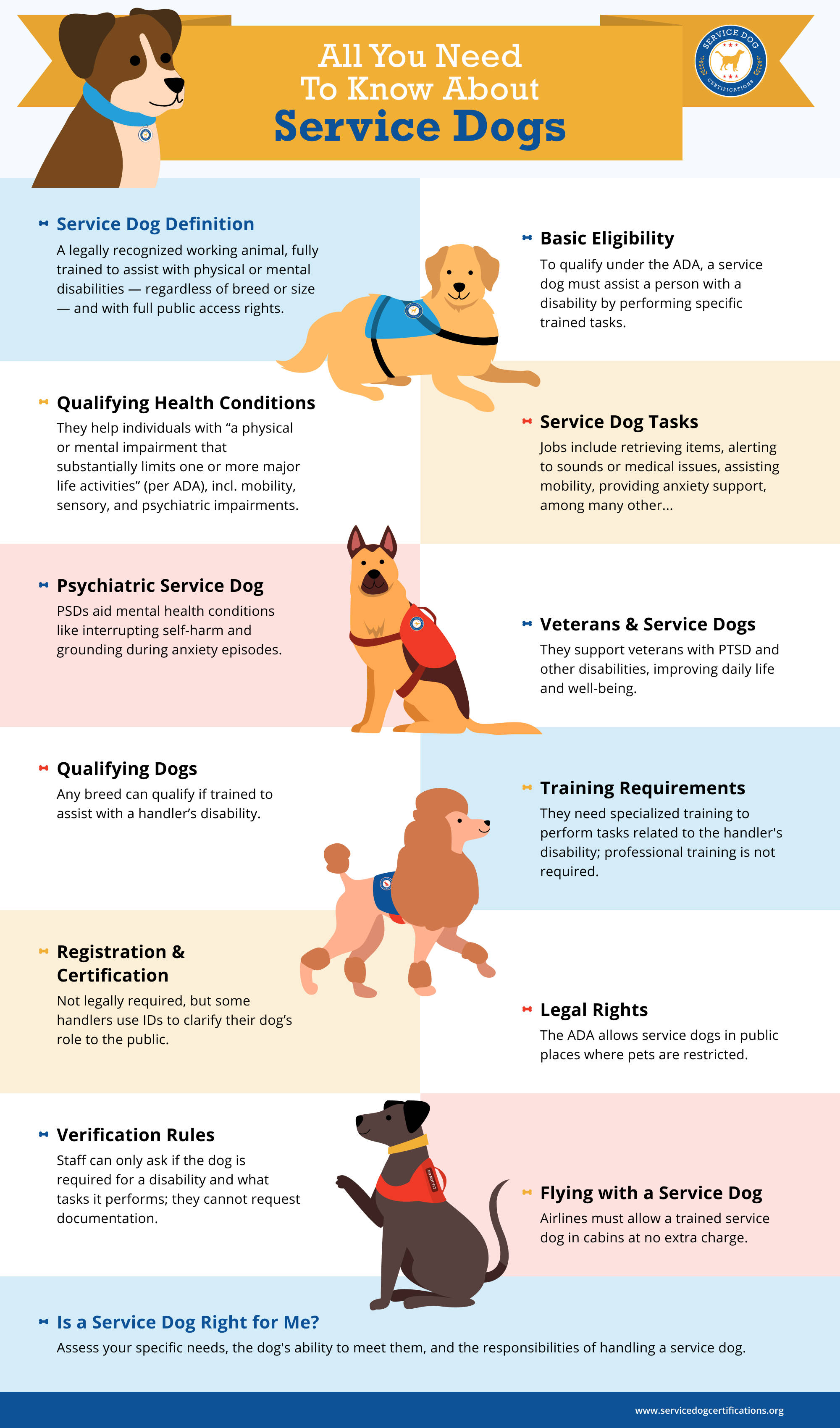
Yes, therapy dogs differ from service dogs. Therapy dogs provide emotional support to groups. Service dogs assist individuals with specific disabilities. Therapy dogs need no special rights or access. Service dogs have legal access to places like restaurants and stores.
Both require training, but their roles and privileges vary significantly.
Conclusion
Training therapy dogs requires patience and consistency. Start small and build trust. Use rewards to encourage good behavior. Always stay calm and positive. Keep sessions short to avoid stress. Socialize them with different people and places. This helps them adapt.
Practice commands regularly for better results. Remember, each dog is unique. They learn at their own pace. Celebrate progress, no matter how small. Training is a journey, not a race. With dedication, your dog can become a wonderful therapy companion.
Enjoy the bond you create along the way.


