
Imagine you’re enjoying a peaceful afternoon at home when suddenly, your dog starts barking at a passerby. It’s a familiar scenario, isn’t it?
You might even feel a little embarrassed or frustrated. But don’t worry, you’re not alone, and there’s a solution. By understanding why your dog barks at people and learning effective training techniques, you can bring harmony back to your home.
Imagine the relief of walking your dog without the constant worry of unexpected barking. Picture the calmness of having guests over, knowing your dog will greet them politely. You’ll discover simple, proven methods to train your dog to stop barking at people, turning those tense moments into tranquil ones. Are you ready to transform your dog’s behavior and enjoy peace of mind? Let’s dive in!
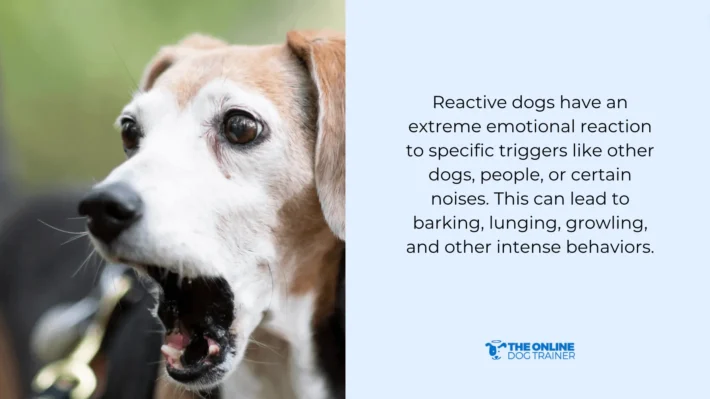
Credit: theonlinedogtrainer.com
Understanding Dog Barking
Training your dog not to bark at people involves patience and consistency. Use positive reinforcement to reward quiet behavior. Gradually expose your dog to people, increasing the intensity slowly.
Understanding why your dog barks is the first step towards curbing this behavior. Dogs bark for a variety of reasons, and grasping these can help you address the issue effectively. Let’s take a closer look at why your furry friend might be vocalizing more than you’d like.Reasons For Barking
Dogs use barking as a primary form of communication. They might bark to alert you of a stranger, express excitement, or even signal discomfort or fear. For instance, a delivery person approaching your door could trigger a bark, as your dog senses an unfamiliar presence. Sometimes, barking is a call for attention. If your dog barks when they want to play or need food, it’s their way of saying, “Hey, notice me!” Barking can also be a response to boredom, where your dog uses it as a form of self-entertainment.Natural Dog Behavior
It’s essential to understand that barking is a natural behavior for dogs. They are naturally inclined to vocalize, much like how humans use speech. Expecting a dog to never bark is like expecting a child to never talk. Dogs have been bred for centuries to perform tasks that require barking. Herding dogs, for example, often bark to control livestock. Recognizing this natural tendency helps you set realistic expectations and goals for training. When you hear your dog barking, try to decipher what they’re trying to tell you. Is it a warning? Are they just excited to see you? Understanding the context can provide valuable insights into addressing excessive barking.Identifying Triggers
Recognizing what causes your dog to bark at people is key to effective training. Common triggers include strangers, loud noises, or sudden movements. Once identified, you can work on desensitizing your dog to these stimuli.
Identifying why your dog barks at people is crucial. It helps in addressing the issue effectively. Dogs bark for different reasons. Understanding these triggers can make training easier. Recognizing patterns is the first step to a quieter pup.Common Triggers
Dogs often bark due to fear or excitement. A stranger approaching can cause fear. Excited barking may happen during playtime or greetings. Loud noises or sudden movements can also be triggers. Some dogs bark to protect their territory. They feel the need to guard their home or family.Observing Your Dog
Watch your dog’s behavior closely. Note what happens before they bark. Pay attention to their body language. Are their ears up or tail wagging? This can reveal if they feel scared or excited. Keep a journal of these observations. Write down specific situations and times. This helps identify patterns. Identifying patterns leads to better training strategies.Training Techniques
Training your dog not to bark at people requires consistency and patience. Use positive reinforcement to reward quiet behavior, and teach your dog to focus on you instead. Gradually expose your dog to different people and situations to build confidence and reduce barking triggers.
Training your dog not to bark at people can be a rewarding journey for both you and your furry friend. It’s not just about curbing a behavior; it’s about building a deeper understanding and trust between you and your dog. Are you ready to explore effective techniques that can make a real difference? Let’s dive into some powerful strategies that will help your dog keep calm in social settings.Positive Reinforcement
Positive reinforcement is a technique that encourages desired behavior through rewards. When your dog refrains from barking at people, immediately reward them with a treat or praise. This creates a positive association with staying quiet, motivating them to repeat the behavior. Think of it as a win-win situation. Your dog gets a tasty treat, and you get a peaceful outing. Every time your dog sees someone and remains calm, it’s an opportunity to reinforce good behavior. Be consistent with rewards to strengthen this new habit.Desensitization Methods
Desensitization involves gradually exposing your dog to stimuli they would typically react to, in a controlled manner. Start by introducing your dog to people at a distance where they remain calm. Gradually decrease the distance as your dog becomes more comfortable. Have you ever noticed your dog’s reaction when someone suddenly appears? By slowly introducing them to new people, you can prevent overwhelming them. This approach helps your dog adapt to different situations without triggering barking.Command Training
Command training focuses on teaching your dog specific cues to follow. Commands like “quiet” or “calm” can be invaluable. Begin training in a quiet environment, then gradually introduce distractions as your dog masters the commands. Imagine your dog calmly sitting beside you while people pass by. It’s possible with consistent command training. Practice regularly, and soon your dog will understand and respond to your cues even in busy settings. Wouldn’t it be wonderful to enjoy a peaceful walk with your dog, without the stress of them barking at strangers? Implement these techniques, and watch your dog’s behavior transform. Have you tried any of these strategies before? Share your experiences and tips in the comments below!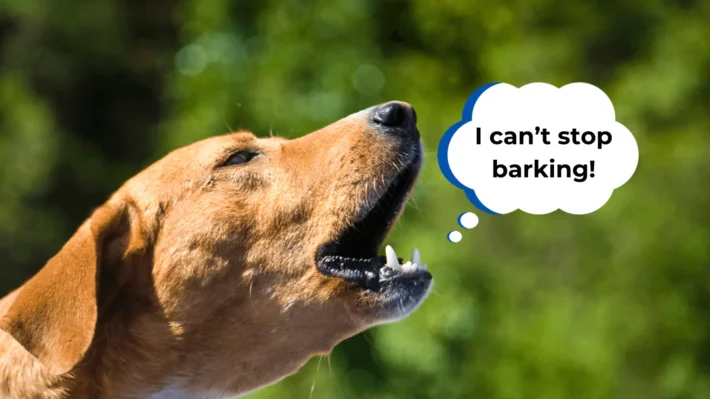
Credit: theonlinedogtrainer.com
Consistency And Patience
Teaching your dog not to bark at people demands consistency and patience. Establish a routine with consistent commands and positive reinforcement. Gradually expose your dog to different people, rewarding calm behavior to foster trust and understanding.
Consistency and patience are the cornerstone of training your dog not to bark at people. These qualities help reinforce positive behaviors and build trust between you and your furry friend. Training a dog requires dedication and understanding, just like nurturing any meaningful relationship.Building Routine
Establishing a routine is crucial for your dog’s learning process. Dogs thrive on predictability. Setting specific times for walks, meals, and training sessions helps them know what to expect. Consistency in these routines reduces anxiety and confusion. If your dog knows that barking leads to a timeout or ignoring, they will gradually learn to associate silence with rewards. Celebrate small victories. Every time your dog refrains from barking, offer praise or treats. It reinforces good behavior and encourages repetition.Maintaining Patience
Training your dog requires patience, especially if they have a strong habit of barking. Change won’t happen overnight, and setbacks are inevitable. Stay calm and composed during training sessions. Dogs are sensitive to your emotions; frustration can lead to confusion and prolong the process. Consider each training session as a step forward, regardless of the outcome. Reflect on what triggers your dog’s barking and adjust your approach accordingly. Are you willing to adjust your expectations and enjoy the journey with your dog? Patience is not just about waiting; it’s about understanding and working through challenges together.Professional Help
Training your dog not to bark at people can be challenging, and sometimes, despite your best efforts, you may find yourself stuck. This is where professional help can be a game-changer. Bringing in a trainer not only offers you fresh perspectives but also equips you with tried-and-tested techniques tailored to your dog’s unique needs.
When To Seek Help
Recognizing when to seek professional help is crucial in your dog’s training journey. If you’ve tried various methods and your dog continues to bark excessively, it might be time to consult a professional.
Consider reaching out if the barking escalates into aggressive behavior or if it disrupts your day-to-day life significantly. Delaying can make the problem worse, so act promptly.
Have you ever felt overwhelmed by your dog’s behavior? Seeking help earlier rather than later can save both you and your dog from frustration.
Choosing A Trainer
Finding the right trainer requires some research. Look for trainers with credentials and positive reviews from other dog owners. A good trainer should have experience with similar issues and be willing to tailor their approach to your dog’s specific needs.
Ask potential trainers about their methods and ensure they align with your values and expectations. Are they patient? Do they use positive reinforcement? These are key factors to consider.
Wouldn’t it be reassuring to know your trainer is committed to your dog’s well-being? A trial session can help you gauge compatibility before committing long-term.
Long-term Strategies
Training a dog not to bark at people requires consistent reinforcement and patience. Reward calm behavior and redirect attention when barking occurs. Regular socialization helps your dog become comfortable around people, reducing excessive barking.
Long-term strategies for training your dog not to bark at people involve patience, consistency, and a tailored approach. Unlike quick fixes, these methods require a commitment to understanding your dog’s behavior over time. They ensure that your dog learns to respond calmly to strangers, making life easier for both of you.Monitoring Progress
Keeping track of your dog’s progress is crucial. Set specific goals and note any changes in your dog’s behavior. Use a simple journal or a mobile app to record observations—how often your dog barks, in what situations, and any improvements. Celebrate small victories to stay motivated. Did your dog stay calm during a walk past a neighbor? That’s a win! By regularly reviewing your notes, you’ll identify patterns and triggers, guiding you in refining your training approach.Adjusting Techniques
Not every strategy will work for every dog. Be open to tweaking your methods based on your observations. If a particular technique isn’t yielding results, it’s time to try something new. Perhaps your dog responds better to positive reinforcement rather than corrective measures. Or maybe introducing a command word helps focus their attention. Ask yourself: Is your dog more responsive in the morning or evening? Adjusting your training schedule could make a significant difference. Remember, flexibility is key in developing effective long-term strategies.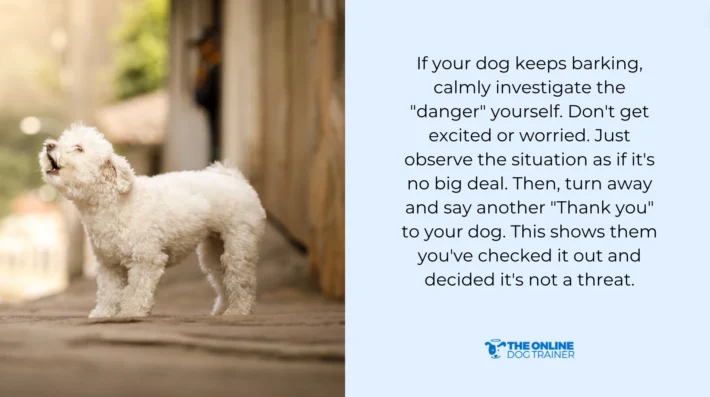
Credit: theonlinedogtrainer.com
Frequently Asked Questions
How Can I Stop My Dog From Barking At Strangers?
To stop your dog from barking at strangers, use positive reinforcement. Reward them for calm behavior when strangers are nearby. Consistent training and socialization are key. Gradually expose them to new people in controlled environments. Patience and persistence will help your dog learn to remain calm around strangers.
Why Does My Dog Bark At People On Walks?
Dogs often bark at people on walks due to excitement or fear. They may feel the need to protect you. Training them to focus on you with treats or commands can help. Teach them to walk calmly beside you. This reduces their tendency to bark at passersby.
Can Professional Training Help Reduce Barking At People?
Yes, professional training can be effective in reducing barking. Trainers can provide personalized strategies for your dog. They teach obedience and socialization techniques to manage barking. Professional guidance ensures consistent progress. It also helps address underlying behavioral issues.
Is Socialization Important For Preventing Barking At People?
Socialization is crucial for preventing barking at people. It helps dogs become comfortable with various environments and people. Introduce your dog to different situations gradually. Positive experiences reduce fear and anxiety, leading to less barking. Early socialization is most effective, but it’s never too late to start.
Conclusion
Teaching your dog not to bark at people takes patience and consistency. Practice regularly to reinforce good behavior. Praise and reward your dog for staying calm. Use clear commands to guide them. Understand your dog’s triggers and work on them.
Gradually expose them to different situations. Stay calm and patient during training sessions. Remember, progress might be slow, but it’s worth it. A well-behaved dog enriches your life. Keep training fun and positive. Your dog will learn in time. Enjoy the journey of training together.
Celebrate small successes along the way.


