How to Train Dog to Stop Pulling on Leash: Expert Tips
Senior Canine Nutritionist & Dog Behavior Specialist at Cozy Dog Go Wellness Lab
Are you tired of your dog dragging you down the street during walks? You’re not alone.
Many dog owners struggle with leash pulling, and it can turn a leisurely stroll into a stressful tug-of-war. But imagine a world where walks are enjoyable, your dog trots beside you calmly, and you feel in control. Sounds like a dream, right?
Well, it’s time to turn that dream into reality. This guide will show you simple yet effective techniques to train your dog to stop pulling on the leash. You’ll learn how to transform every walk into a pleasant experience for both you and your furry friend. Ready to reclaim your walks and strengthen your bond with your dog? Let’s get started!
Understanding Leash Pulling
Teaching your dog to walk calmly on a leash is crucial. Begin with consistent training sessions and rewards. Use positive reinforcement to encourage good behavior, and gradually increase distractions to strengthen the skill.
Understanding why your dog pulls on the leash is the first step to addressing the behavior effectively. Leash pulling can stem from excitement, curiosity, or even anxiety. Imagine your dog’s perspective; the world is full of new smells, sights, and sounds, and every walk is an adventure waiting to happen. If your dog is pulling, they might be trying to chase after these stimuli or simply eager to explore.Why Do Dogs Pull On Leashes?
Dogs often pull on leashes due to their instinctual behavior. As pack animals, they naturally want to lead and explore their surroundings. This is especially true for high-energy breeds that thrive on physical activity. It’s crucial to recognize this natural tendency and learn how to channel it into more controlled walking.Recognizing The Signs Of Pulling
Being aware of your dog’s pulling behavior can help you nip it in the bud. Notice if your dog tends to pull more in certain environments or situations. Are they pulling towards other dogs, people, or perhaps just random spots on the sidewalk? Understanding these patterns can help you tailor your training approach.The Impact Of Pulling On Dogs And Owners
Leash pulling doesn’t just affect the dog—it impacts you too. It can make walks stressful and unenjoyable, leading to frustration for both parties. Consider how your dog’s pulling might be affecting your relationship and daily routine. Wouldn’t a more peaceful walk enhance your bond and improve your day? Recognizing this can motivate you to take action.Common Misconceptions About Leash Pulling
A common misconception is that pulling is a sign of a disobedient dog. In reality, it’s often a sign of a dog that hasn’t been taught how to walk properly on a leash. Reflect on whether your dog knows what you expect during a walk. Could it be that they simply need clearer guidance and training? By shifting this perspective, you can approach training with patience and understanding.Choosing The Right Equipment
Choosing the right equipment is crucial when you’re teaching your dog to stop pulling on the leash. It’s not just about comfort; the right gear can make training more effective and enjoyable for both you and your furry friend. Imagine going for a walk where your dog trots happily beside you rather than dragging you along. This dream walk starts with selecting the proper equipment tailored to your dog’s needs and size. Let’s dive into the various options available.
Types Of Collars
Collars come in various styles, each serving a different purpose. The classic flat collar is ideal for dogs who don’t pull excessively. If your dog is a puller, consider a martingale collar. This type tightens slightly when pulled, providing gentle control without choking. Avoid choke chains or prong collars—they may seem effective but can cause harm and discomfort.
Harness Options
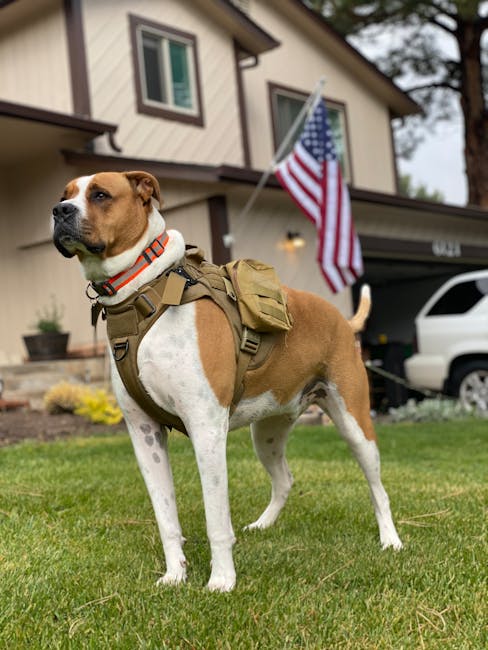
A harness can be a great alternative to collars, especially for dogs who pull. Front-clip harnesses are particularly effective, as they redirect your dog’s attention towards you rather than forward. My own dog started responding better once we switched to a front-clip harness, making walks more enjoyable. Back-clip harnesses, on the other hand, are more suited for dogs who don’t pull much, providing comfort without restraint.
Leash Length Considerations
Leash length can influence your control during walks. A standard 6-foot leash offers a balance between freedom and control, giving your dog room to explore without wandering too far. For larger or more energetic dogs, a shorter leash might be preferable to maintain better control. Consider what feels best for you and your dog. Would a longer leash give your dog too much freedom? Or would a shorter leash help you manage those unexpected sprints?
Choosing the right equipment is not just about buying what’s popular; it’s about understanding what works best for your dog. By selecting the right collar, harness, and leash, you can transform your walks into a pleasant shared experience. Your dog will thank you for it, and your arm muscles will too!
Positive Reinforcement Techniques
Positive reinforcement techniques help train dogs to stop pulling on the leash effectively. Rewarding good behavior with treats or praise encourages them to walk calmly. Consistent positive feedback makes leash training a pleasant experience for both owner and dog.
Positive reinforcement techniques are a powerful way to train your dog to stop pulling on the leash. By focusing on rewarding good behavior rather than punishing bad ones, you create an encouraging environment for your dog. This approach not only strengthens your bond but also makes walks more enjoyable for both of you.Reward-based Training
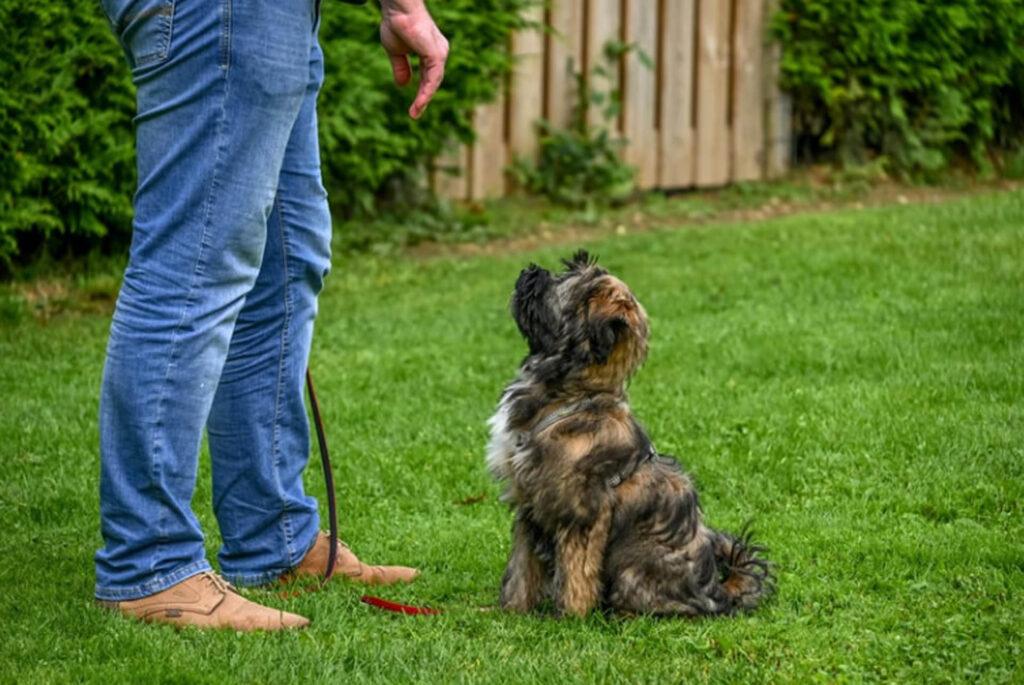
Reward-based training involves giving your dog a treat or praise whenever they walk calmly beside you. This teaches them that staying close brings positive outcomes. Use small, tasty treats that your dog loves. Every time they stop pulling, reward them immediately. This reinforces the behavior you want and encourages them to repeat it. Imagine your dog walking like a pro by your side, knowing they’re doing a great job.Clicker Training Basics
Clicker training uses a small device that makes a distinct sound to mark desirable behavior. Each time your dog walks without pulling, click the device and follow with a treat. The click tells your dog exactly what they did right. It’s like capturing a snapshot of the perfect behavior. This technique can be especially effective if your dog responds well to sounds.Timing And Consistency
Timing is crucial in positive reinforcement. Deliver rewards immediately after the desired behavior to make the connection clear. If your dog walks well for even a few steps, reward them promptly. Consistency is equally important. Train regularly and be patient. You might wonder, how long will it take for my dog to master this? It varies, but with persistence, you’ll start seeing improvements. Remember, dogs thrive on routine. Make training a part of your daily walks and stick to your plan. Are you ready to transform your walks into a more harmonious experience? By applying these techniques, you can guide your dog towards better leash manners.Establishing Loose-leash Walking
Teach your dog loose-leash walking by rewarding calm behavior. Hold treats in your hand to encourage slower pace. Stop walking if your dog pulls, and resume when the leash is relaxed.
Establishing Loose-Leash Walking Walking with your dog should be a relaxing and enjoyable experience, not a tug-of-war. Loose-leash walking is the key to achieving this harmony. It requires patience and consistency but the payoff is immense. Imagine strolling through the park without constantly battling for control. It’s entirely possible with the right techniques.Teaching Heel Command
The “heel” command is a powerful tool to encourage your dog to walk calmly beside you. Begin by standing still and calling your dog to your side. Reward them with a treat when they’re in the correct position. Practice this consistently. Reinforcement is crucial, so praise them enthusiastically every time they succeed. Try adding short walks where you focus solely on this command. Gradually extend these walks as your dog becomes more accustomed to staying by your side. Are you ready to see your dog respond with less pulling and more attention?Practicing In Controlled Environments
Start your training in a quiet, distraction-free area like your backyard. This helps your dog focus on you, rather than external stimuli. Use this environment to reinforce the “heel” command and reward your dog for maintaining a loose leash. Once your dog shows improvement, slowly introduce mild distractions. This could be a quiet street or a park during off-peak hours. The key is gradual exposure. How does your dog react when a squirrel scampers by?Gradual Progression To Busy Areas
After mastering loose-leash walking in controlled environments, it’s time to venture into busier areas. Begin with short trips to places with moderate activity. Keep your expectations realistic; this new challenge will test your dog’s focus. Increase the complexity slowly, perhaps moving from a quiet neighborhood to a bustling park. Monitor your dog’s behavior and adjust accordingly. Are they maintaining the loose leash, or are they reverting to pulling? Use these observations to refine your approach. By following these steps, you’ll transform your dog’s walks into a peaceful experience for both of you.Addressing Common Challenges
Training a dog to stop pulling on the leash involves patience and consistency. Reward calm behavior, use gentle corrections, and practice regularly. A well-fitted harness can help guide your dog more effectively.
Addressing Common Challenges Training a dog to stop pulling on the leash can be difficult. Many dog owners face common challenges that can complicate this process. Recognizing these issues and adopting strategies to manage them is key. Dogs have different temperaments and distractions can easily divert their attention. Some breeds are naturally strong pullers, making training more complex. Understanding these challenges helps create an effective plan. Let’s explore how to tackle these obstacles.Dealing With Distractions
Dogs are naturally curious. On walks, they encounter various sights and smells. These distractions can hinder training efforts. Use positive reinforcement to maintain focus. Carry treats and reward good behavior. Practice commands regularly. Keep sessions short to hold their attention. Gradually increase exposure to distractions. This helps your dog learn to stay focused.Handling Strong Pullers
Some dogs are strong pullers. They may tug fiercely on the leash. Adjusting your approach is essential. Use a front-clip harness to reduce pulling power. It redirects the force towards you. This makes it easier to control. Practice the “stop and go” method. When your dog pulls, stop walking. Wait until they return to your side. Only move forward when the leash is slack. Consistency is crucial here.Adjusting For Different Dog Breeds
Every dog breed has unique traits. Some are more prone to pulling. Adjust training techniques based on breed characteristics. Large breeds may require stronger equipment. Smaller breeds benefit from lighter gear. Research your dog’s breed. Understand their behavior and needs. Tailor your approach to suit them. Patience and persistence are vital for success.Credit: www.youtube.com
Frequently Asked Questions
How To Stop My Dog Pulling On Leash?
Training your dog to stop pulling requires patience and consistency. Begin by using positive reinforcement techniques. Reward your dog when they walk beside you without pulling. Use commands like “heel” to guide them. Gradually increase walking duration while maintaining control.
Avoid harsh corrections, as they can create fear.
What Leash Is Best For Training?
A no-pull harness is ideal for training. It provides better control and reduces pulling. Unlike traditional leashes, it distributes pressure evenly, minimizing discomfort. Choose a harness that fits well and is comfortable. Ensure it’s durable and easy to adjust. The right leash can enhance training effectiveness.
Why Does My Dog Pull On Leash?
Dogs often pull due to excitement or a lack of training. They may be eager to explore and move faster. Pulling can also be a response to overstimulation or anxiety. Regular training, patience, and consistent practice can help reduce this behavior.
Understanding your dog’s triggers is crucial for effective training.
How Long Does Leash Training Take?
Leash training duration varies based on the dog’s age and temperament. Some dogs adapt within weeks, while others may take months. Consistency and regular practice are key to success. Short, frequent training sessions are more effective than long ones. Patience and positive reinforcement accelerate progress.
Conclusion
Teaching your dog not to pull on a leash takes patience. Consistency is key. Use positive reinforcement and rewards to encourage good behavior. Practice in familiar environments first. Gradually introduce distractions as your dog improves. Short, daily sessions work best.
Always stay calm and patient. Your dog will learn over time. Celebrate small victories along the way. Remember, every dog learns at their own pace. Enjoy the journey and bond with your furry friend. Soon, walks will become more enjoyable for both of you.
Happy training!

Similar Posts