How to Train Your Dog Not to Pull When Walking: Expert Tips
Senior Canine Nutritionist & Dog Behavior Specialist at Cozy Dog Go Wellness Lab
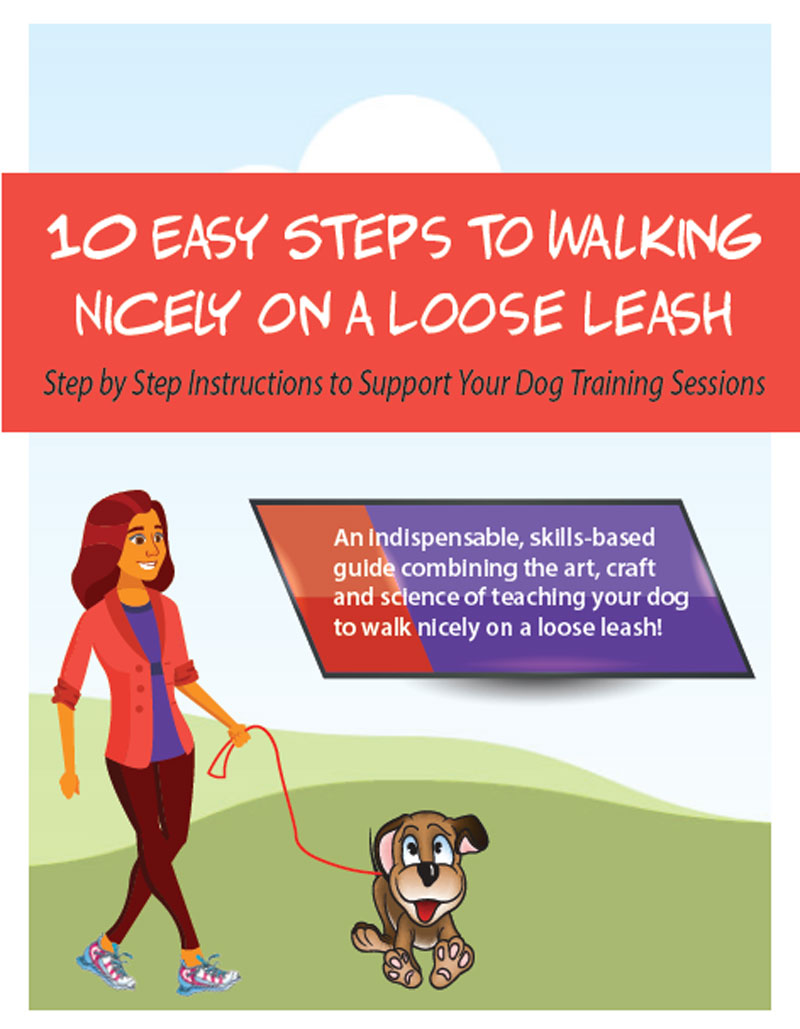
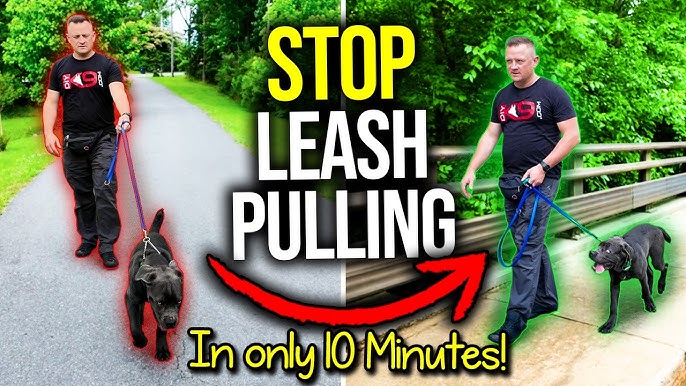
Imagine enjoying a peaceful walk with your dog without the constant tugging and pulling. If your walks have turned into a battle, you’re not alone.
Many dog owners face this frustrating issue, but the good news is that you can train your dog to walk calmly by your side. This guide is here to help you transform your walks from chaotic to calm. You’ll discover easy techniques that work, making your strolls enjoyable for both you and your furry friend.
Dive in to learn how to make your walks more harmonious and stress-free, keeping your dog’s happiness and your comfort at the forefront.
Credit: www.linkedin.com
Positive Reinforcement Techniques
Teach your dog to walk calmly using positive reinforcement techniques. Reward them with treats or praise when they walk without pulling. Consistent rewards encourage good behavior and create enjoyable walks for both of you.
Training your dog not to pull on the leash can be a rewarding experience for both you and your furry friend. Positive reinforcement techniques are highly effective in teaching your dog to walk calmly by your side. These methods focus on rewarding good behavior, encouraging your dog to repeat it. By using positive reinforcement, you build a bond of trust and cooperation with your pet.Treat-based Rewards
Treats are a powerful motivator for most dogs. When your dog walks without pulling, reward them with a small, tasty treat. This tells your dog that walking calmly is a behavior that pleases you. Choose treats that are small and low in calories, as you’ll be using them frequently during training sessions. Consistency is key. Carry treats with you on every walk, and be ready to reward immediately when your dog behaves well. Over time, your dog will associate loose-leash walking with positive outcomes.Praise And Affection
While treats are effective, your dog also craves your approval. Compliment your dog with cheerful words and a gentle pat when they walk beside you without pulling. Your tone of voice can communicate happiness and encouragement, reinforcing good behavior. Affection can be as rewarding as treats. Some dogs respond even better to a combination of both. Consider what your dog loves most—maybe it’s a belly rub or a scratch behind the ears. Use these as rewards to make your dog eager to please. Have you ever noticed how your dog’s eyes light up when they receive praise? Harness that joy to reinforce the behavior you want. Positive reinforcement is about making training enjoyable for both you and your dog. What will you try on your next walk?Correcting Pulling Behavior
Walking your dog should be a delightful experience, not a constant tug-of-war. Correcting pulling behavior is crucial for ensuring both you and your furry friend enjoy your strolls together. But how exactly do you teach your dog to walk politely on a leash without pulling?
Stopping And Resetting
One effective way to address pulling is to stop whenever your dog begins to pull. It’s a simple yet powerful technique. When your dog feels the tension in the leash, stop walking and stand still. This action signals to your dog that pulling won’t get them where they want to go.
Once the leash is slack again, reset by calling your dog back to your side. You might find it helpful to use a command like “heel” or “come.” This consistent stopping and resetting can teach your dog that staying close leads to progress.
Have you ever tried stopping and resetting with your dog? It might seem tedious initially, but many dog owners find it remarkably effective over time. Could this method be the key to transforming your walks?
Changing Directions
Another technique to curb pulling is to change directions unexpectedly. If your dog starts pulling, simply turn around and walk in the opposite direction. This unpredictability can make your dog pay more attention to your movements.
Changing directions keeps your dog focused on you, rather than the exciting distractions ahead. It’s a gentle reminder for them that you are the leader during walks. This approach not only reduces pulling but also strengthens your bond with your dog.
Consider trying this on your next walk. You may find that changing directions can add an element of fun and surprise for both you and your pet. How might this technique improve your walking experience?
Consistency And Patience
Training your dog not to pull on the leash requires consistency and patience. Use clear commands and repeat them during each walk. Reward your dog for staying by your side to encourage good behavior.
Training your dog not to pull on the leash requires consistency and patience. These two elements are key to developing lasting habits. Consistent training reinforces the behavior you want. Patience helps you stay calm and focused. Together, they create a positive learning environment for your dog. Regular training sessions help your dog understand expectations. Your dog learns better with repeated practice. Be patient. Results may take time.Daily Practice
Dedicate time each day for leash training. Short, consistent sessions work best. Aim for 10-15 minutes daily. Repetition helps your dog remember commands. Practice in different environments. This helps your dog adapt to various settings. Reward your dog for good behavior. Treats or praise can motivate them.Managing Frustration
Feeling frustrated is normal during training. Stay calm and composed. Dogs sense your emotions. If you feel overwhelmed, take a break. Return to training when you’re calm. Set realistic goals for each session. Celebrate small successes. They build up to bigger achievements. Remember, patience leads to progress.Seeking Professional Help
Consulting a professional dog trainer can be beneficial for teaching your dog not to pull on walks. Experts provide personalized strategies, ensuring effective training tailored to your dog’s needs. Their guidance can lead to more enjoyable and stress-free walks for both you and your furry friend.
Seeking professional help can make a big difference in training your dog. If your dog pulls during walks, expert advice might be the solution you need. Professionals offer guidance tailored to your dog’s needs. They use proven techniques to help both you and your pet.Dog Trainers
Dog trainers focus on teaching your pet proper walking behavior. They use methods that encourage calmness and obedience. Trainers help your dog learn to walk beside you without pulling. They often conduct sessions in various environments. This ensures your dog adapts to different walking situations. Working with a trainer can boost your confidence. It also strengthens the bond between you and your dog.Behavioral Specialists
Behavioral specialists address deeper issues that cause pulling. They assess your dog’s behavior and identify triggers. Specialists provide strategies to modify unwanted habits. They focus on long-term solutions rather than quick fixes. Their expertise can be vital for dogs with anxiety or past trauma. With their help, you can achieve a peaceful walking experience.Frequently Asked Questions
Why Does My Dog Pull On The Leash?
Dogs often pull due to excitement or lack of training. They may want to explore or chase something. Proper leash training and consistent practice can help reduce pulling. Using positive reinforcement techniques can also encourage your dog to walk calmly beside you.
How Can I Stop My Dog From Pulling?
Start by using a short leash and practice consistent training. Reward your dog when they walk beside you without pulling. Consider using training aids like a head collar or harness. Regular training sessions will reinforce good walking behavior.
What Is The Best Leash For Training?
A short, non-retractable leash is ideal for training. It provides better control and helps maintain a consistent walking pace. Choose a leash made of durable material. A comfortable handle will make walks enjoyable for both you and your dog.
Can Leash Pulling Be Harmful To Dogs?
Yes, leash pulling can cause physical harm. It may lead to neck injuries and breathing issues. Using a harness can distribute pressure more evenly. Training your dog not to pull is essential for their safety and comfort.
Conclusion
Training your dog not to pull takes patience and consistency. Practice daily for best results. Use positive reinforcement like treats and praise. This encourages good behavior during walks. Keep walks enjoyable and stress-free for both of you. Stay calm and patient.
Changes won’t happen overnight. Celebrate small successes. They matter a lot. A well-behaved dog makes walks enjoyable. It strengthens your bond, too. Your efforts will pay off in the end. Happy walking!

Similar Posts