How to Train My Dog to Guard: Ultimate Guide
Senior Canine Nutritionist & Dog Behavior Specialist at Cozy Dog Go Wellness Lab
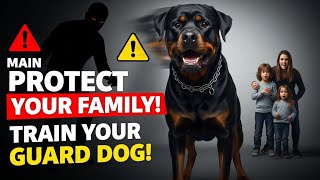
Imagine having a loyal companion who not only keeps you company but also stands ready to protect you and your home. Training your dog to guard is an empowering step that can enhance your sense of security.
You’re not just teaching obedience; you’re nurturing a bond of trust and responsibility. As you read on, you’ll discover simple yet effective methods to transform your furry friend into a reliable guardian. This guide will equip you with the tools and techniques to harness your dog’s natural instincts, ensuring that your home remains a safe haven.
Dive in, and unlock the potential of your canine protector today.
Choosing The Right Breed
Selecting the ideal breed is crucial for effective guard dog training. Some breeds naturally possess protective instincts, enhancing their guarding abilities. Consider temperament, size, and energy levels to match your lifestyle and training goals.
Choosing the right breed for a guard dog is crucial. Each breed has unique qualities suited for different tasks. Some dogs have natural instincts for guarding. Others are strong and bold. Understanding these traits helps you select the perfect companion.Natural Instincts
Some breeds have innate guarding instincts. They tend to be alert and protective. Breeds like German Shepherds excel in this aspect. They naturally sense danger and react swiftly. Doberman Pinschers are also known for their keen awareness. These breeds can be trained more easily due to their instincts.Size And Strength
Consider the size and strength of the breed. Larger dogs are often more intimidating. Breeds like Rottweilers possess great physical power. Their size alone can deter intruders. Mastiffs are robust and muscular, making them excellent guard dogs. Strength is an asset in situations demanding physical presence.Temperament Considerations
Temperament plays a key role in guard dog selection. Some dogs are calm yet alert. Others might be too aggressive. Breeds like Boxers balance friendliness with protectiveness. They are loyal and good family dogs. A well-tempered dog adapts better to training. Choose breeds that are confident and stable in behavior.
Credit: www.youtube.com
Basic Obedience Training
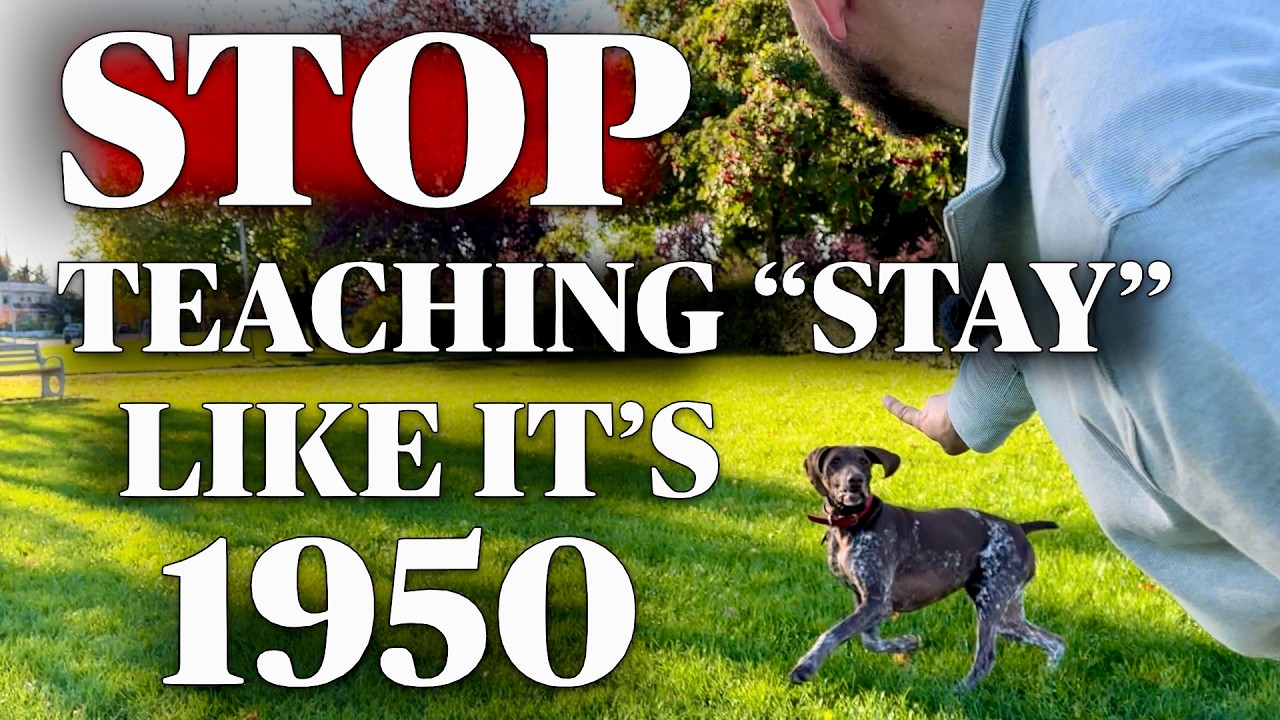
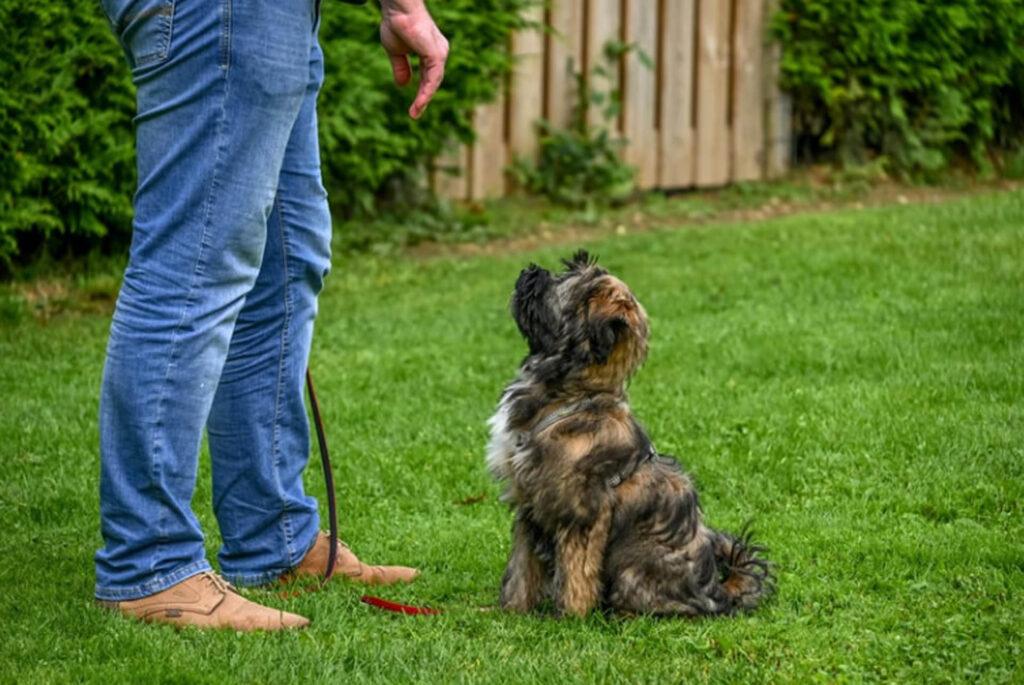
Training a dog to guard involves teaching basic commands like “sit” and “stay. ” Reward obedience with treats and praise. Gradually introduce guard tasks by encouraging alertness and barking at strangers.
Training your dog to guard is a rewarding process that begins with solid basic obedience training. Establishing a foundation of obedience not only ensures your dog’s safety but also strengthens the bond between you and your furry friend. Before delving into advanced guarding techniques, it’s essential to master some fundamental skills that will set you both up for success.Essential Commands
Start by teaching your dog key commands such as “sit,” “stay,” “come,” and “down.” These commands are the building blocks of good behavior and will be crucial as you advance to guarding tasks. Practice each command in different settings to ensure your dog can obey regardless of distractions. Use clear, consistent language. For example, if “stay” is the command, stick with it instead of switching to “wait” or “hold.” This consistency helps your dog understand exactly what you expect.Positive Reinforcement
Reward-based training is particularly effective for teaching obedience. Use treats, praise, or a favorite toy to reward your dog for following commands. This positive reinforcement encourages them to repeat desired behaviors. Imagine how much more motivated you feel when your efforts are appreciated. Your dog feels the same way. Celebrate small wins with a treat or a scratch behind the ears.Consistency And Patience
Consistency is key to successful training. Dedicate a specific time each day to practice commands with your dog. This routine reinforces learning and helps your dog anticipate what’s expected. Remember, patience is your best friend. Dogs learn at their own pace, and it’s normal for them to make mistakes. Instead of getting frustrated, ask yourself what you can do differently to help your dog understand.Socialization Techniques
Teach your dog to guard by introducing controlled socialization techniques. Expose them to different environments and people. Reward calm behavior and reinforce commands consistently.
Socializing your dog is a crucial step in training them to guard effectively. A well-socialized dog will be confident, less anxious, and more reliable in unfamiliar situations. It involves exposing your dog to various environments, animals, and people to ensure they can handle different scenarios calmly and assertively.Introducing New Environments
Start by gradually exposing your dog to different environments. Begin with quiet, familiar areas like your backyard or a local park. Once they’re comfortable, introduce busier places like city streets or crowded parks. Ensure your dog is on a leash during these outings for safety. This allows you to control the situation and guide your dog through any anxiety they might feel. Observe how your dog reacts to these new settings. Praise and reward them when they remain calm, reinforcing positive behavior.Interaction With Other Animals
Introduce your dog to other animals in a controlled setting. Start with a friend’s pet who is known to be friendly and calm. Watch their body language. If your dog shows signs of aggression or fear, calmly redirect their attention and try again later. Use these interactions to teach your dog the difference between friend and foe. Reward friendly behavior with treats and praise.Handling Strangers
Introduce your dog to strangers in a safe environment. Invite a few friends over to meet your dog one at a time. Encourage your friends to approach slowly and offer treats. This helps your dog associate strangers with positive experiences. Teach your dog to remain calm and sit when meeting new people. This behavior will be crucial in ensuring they can distinguish between a friendly visitor and a potential threat. Socialization is not just a one-time event; it’s an ongoing process. How can you incorporate these techniques into your daily routine to build your dog’s confidence consistently?
Credit: www.youtube.com
Building Guarding Skills
Training your dog to guard requires patience and skill. Building guarding skills is a crucial step in ensuring your dog is prepared. It involves teaching your dog to be alert, control aggression, and recognize boundaries. Each aspect plays a vital role in developing a reliable guard dog.
Alertness Training
Alertness is key for any guard dog. Start with simple exercises. Teach your dog to respond to sounds. Use toys or sounds to grab attention. Reward your dog for noticing changes. Practice regularly to strengthen this ability. Gradually increase the complexity of the training. Introduce unfamiliar objects or sounds. This encourages your dog to be more observant. A watchful dog is a good guard.
Controlled Aggression
A guard dog needs controlled aggression. It should not be overly aggressive. Teach your dog to differentiate between friend and foe. Use command-based training to manage aggression. Reward calm behavior in stressful situations. This helps the dog learn restraint. Consistent practice is essential. Use positive reinforcement to encourage desired behaviors. Controlled aggression ensures your dog acts appropriately. It protects without posing a threat to friends.
Boundary Recognition
Boundary recognition is crucial for effective guarding. Train your dog to understand its territory. Use physical markers like fences or hedges. Walk your dog around these boundaries. Encourage it to patrol the area. Praise your dog for staying within limits. Reinforce this with repeated practice. Clear boundaries help your dog understand its guarding zone. It prevents unwanted wandering.
Advanced Protection Training
Advanced protection training helps dogs become reliable guardians. This training enhances their natural instincts and equips them with essential skills. It focuses on teaching dogs to protect their home and family effectively.
Professional Guidance
Seek expert advice for advanced protection training. Professional trainers offer tailored programs for your dog’s breed and temperament. They ensure your dog learns effective guarding techniques safely. Trainers help with obedience and command training, crucial for protection tasks.
Simulated Scenarios
Create controlled environments to test your dog’s skills. Simulated scenarios help the dog practice real-life guarding situations. Use props and role-playing to mimic potential threats. This practice builds your dog’s confidence and response ability.
Safety Protocols
Implement safety measures during training sessions. Always prioritize your dog’s safety and well-being. Use protective gear if necessary for trainers and dogs. Maintain a calm and controlled environment to prevent accidents. Regularly assess your dog’s stress levels to ensure a positive experience.
Maintaining Health And Fitness
Training your dog to guard involves patience and consistency. Start with basic obedience commands like sit and stay. Gradually introduce protective behaviors by using positive reinforcement. Socialize your dog to help them distinguish between friendly and threatening situations. Consistent training sessions can enhance your dog’s natural guarding instincts.
Maintaining your dog’s health and fitness is crucial when training them to guard. A strong, healthy dog is more alert, energetic, and capable of performing its protective duties effectively. Let’s explore how you can ensure your dog stays in top shape.Proper Nutrition
Feeding your dog the right diet is the foundation of their health. Make sure to provide a balanced diet rich in protein, healthy fats, and carbohydrates. Consult your vet to determine the best food options tailored to your dog’s breed and age. Consistency is key. Feed your dog at the same times each day to establish a routine. Avoid giving them table scraps as this can disrupt their nutritional balance and lead to unwanted behaviors.Regular Exercise
Daily exercise is essential for your dog’s physical and mental well-being. Engage them in activities like walks, runs, or fetching games to keep them active. A well-exercised dog is less likely to develop behavioral issues and more likely to focus during training sessions. How much exercise does your dog really need? This can vary based on their breed and age. As a general rule, aim for at least 30 minutes to 2 hours of exercise daily.Routine Veterinary Care
Regular vet check-ups are vital in maintaining your dog’s health. These visits help catch potential health issues early, ensuring your dog remains fit for guarding duties. Keep your dog’s vaccinations up to date to protect them from diseases. Don’t forget dental care. Poor oral health can lead to serious problems, so ensure your dog’s teeth are checked regularly. By prioritizing their health, you ensure they are always ready to protect you and your home.Legal And Ethical Considerations
Training a dog to guard involves understanding legal and ethical considerations. Ensure the training complies with local laws to avoid liability. Prioritize humane methods that respect your dog’s well-being and ensure safety for everyone.
Training your dog to guard your home or property can be a rewarding endeavor. However, it’s crucial to consider the legal and ethical implications involved. Ensuring your dog is trained safely and within the boundaries of the law protects not only your pet but also your community.Understanding Liability
When your dog is trained to guard, there’s an inherent responsibility that comes with it. If your dog were to bite or attack someone, you could be held liable for any injuries. This liability can lead to significant legal and financial consequences. Consider how this responsibility extends beyond your property. Even if an incident occurs within your property boundaries, you might still face legal challenges. It’s essential to understand local laws and regulations related to dog bites and guard dogs.Training Within Legal Limits
Every region has specific laws regarding the training and use of guard dogs. Some areas might require permits or certifications to legally train a dog for protection. Familiarize yourself with these regulations to avoid any legal complications. Invest in professional training if necessary. A qualified trainer can ensure your dog learns the correct behaviors within legal parameters. This training helps prevent aggressive behavior that could lead to legal issues.Respecting Community Rules
Your neighbors’ comfort and safety should be a priority. A dog that barks excessively or shows aggression can become a point of contention within your community. Maintaining a positive relationship with your neighbors requires respecting their peace. Keep open communication with those around you. Let them know your intentions and ensure your dog’s behavior doesn’t disrupt the neighborhood. Are there specific community guidelines you need to follow regarding pets? Knowing these can help you prevent misunderstandings and foster goodwill. By considering these legal and ethical aspects, you can train your dog to guard effectively while maintaining harmony with the law and your community.Ongoing Training And Evaluation
Training a dog to guard requires consistent practice and evaluation. Begin with basic obedience commands to establish control. Gradually introduce protective behaviors, rewarding positive actions and adjusting techniques as needed.
Ongoing training and evaluation are key to a successful guard dog. Training doesn’t stop once your dog learns basic commands. Continuous practice ensures your dog maintains and improves their guarding skills. Regular evaluations help identify areas needing improvement. This way, you can keep your dog sharp and reliable.Monitoring Progress
Keep an eye on your dog’s behavior. Notice how they react to different situations. Are they alert or easily distracted? Track their improvements and setbacks. You can use a simple log or journal. Record their responses to various stimuli. This helps you understand their strengths and weaknesses.Refreshing Skills
Regularly revisit basic commands. Practice makes them second nature for your dog. This keeps their skills sharp and ready. Set aside time each week for training sessions. Vary the environment to test their adaptability. Reward positive behavior to reinforce learning.Adjusting Techniques
Be flexible with your training methods. Every dog learns differently. What works for one may not work for another. If your dog struggles with a command, try a new approach. Use positive reinforcement more effectively. Keep training sessions short and engaging. This maintains your dog’s interest and motivation.
Credit: pethelpful.com
Frequently Asked Questions
How Do I Start Training My Dog To Guard?
Begin by teaching basic obedience commands like sit, stay, and come. Use positive reinforcement techniques to build trust and confidence. Gradually introduce guarding exercises, ensuring your dog feels secure and understands its role. Consistency and patience are key to effective training.
What Breeds Are Best For Guarding?
Breeds like German Shepherds, Rottweilers, and Doberman Pinschers are known for their guarding abilities. These dogs naturally exhibit protective instincts and strong loyalty. However, individual temperament and training play crucial roles in developing a reliable guard dog.
Can I Train My Puppy To Guard?
Yes, start training your puppy with basic commands and socialization. Puppies learn quickly and can develop guarding instincts through positive experiences. Ensure training sessions are short and enjoyable, gradually introducing guarding tasks as your puppy matures.
How Long Does Guard Training Take?
Guard training varies based on the dog’s age, breed, and temperament. Typically, it takes several months to a year. Consistent practice, patience, and reinforcement are essential for successful training outcomes.
Conclusion
Training your dog to guard requires patience and consistency. Start with basic commands. Gradually introduce more complex tasks. Always use positive reinforcement. Praise and treats work wonders. Build a strong bond with your dog. Trust is key. Ensure your dog feels secure and loved.
This boosts their confidence. Be patient and persistent. Every dog learns at its own pace. Remember, a well-trained guard dog is a loyal protector. Enjoy the journey with your furry friend. Your efforts will pay off. Happy training!

Similar Posts