Can Dogs Take People Probiotics: Safety and Benefits Revealed
Imagine this: you’re standing in the supplements aisle, pondering your health while glancing over at your loyal furry friend. You think about how probiotics have transformed your digestion and overall well-being.
Then, you wonder—could your dog benefit from them too? This question isn’t just a fleeting thought. It’s something many pet owners are curious about. You love your dog and want the best for them. But what happens when we consider sharing our own health remedies with them?
Could your dog’s health improve with people probiotics, or is there a hidden risk? Don’t just brush this question aside. Dive in to discover the truth about canine consumption of human probiotics. Your pup’s health and happiness could depend on it. Let’s explore the science behind probiotics and whether they’re a safe and effective option for your beloved dog.
Credit: www.petmd.com
Dog Digestive Health
When discussing dog digestive health, it’s important to consider how their gut functions impact their overall well-being. Many dog owners notice that their pets sometimes suffer from digestive issues, which can be distressing for both the dog and owner. As a result, some wonder whether human probiotics can be beneficial for their canine companions. Understanding the importance of gut health and recognizing common digestive issues in dogs can help you make informed decisions about your pet’s health.
Importance Of Gut Health
Gut health is crucial for your dog’s immune system and energy levels. A balanced gut helps in nutrient absorption, maintaining a healthy weight, and managing allergies. If you’ve ever noticed your dog becoming lethargic or having inconsistent bowel movements, it might be time to evaluate their gut health.
The microbiome in your dog’s gut contains bacteria that play a vital role in digestion. When these bacteria are balanced, your dog is likely to feel more energetic and have a shinier coat. But what happens when this balance is disrupted?
Common Digestive Issues In Dogs
Digestive issues can manifest as vomiting, diarrhea, or bloating. These symptoms are not only uncomfortable for your dog but can also lead to more serious health problems. If your dog frequently experiences these issues, it might be time to assess their diet or consult a veterinarian.
Some dogs have sensitivities to certain foods, which can exacerbate digestive problems. Have you ever had to change your dog’s diet because they suddenly stopped eating their usual kibble? This might have been a sign of an underlying digestive issue.
Other common culprits include stress, lack of exercise, or even infections. Addressing these factors can sometimes alleviate digestive issues without the need for medication. However, when should you consider probiotics as a solution?
Probiotics For Pets
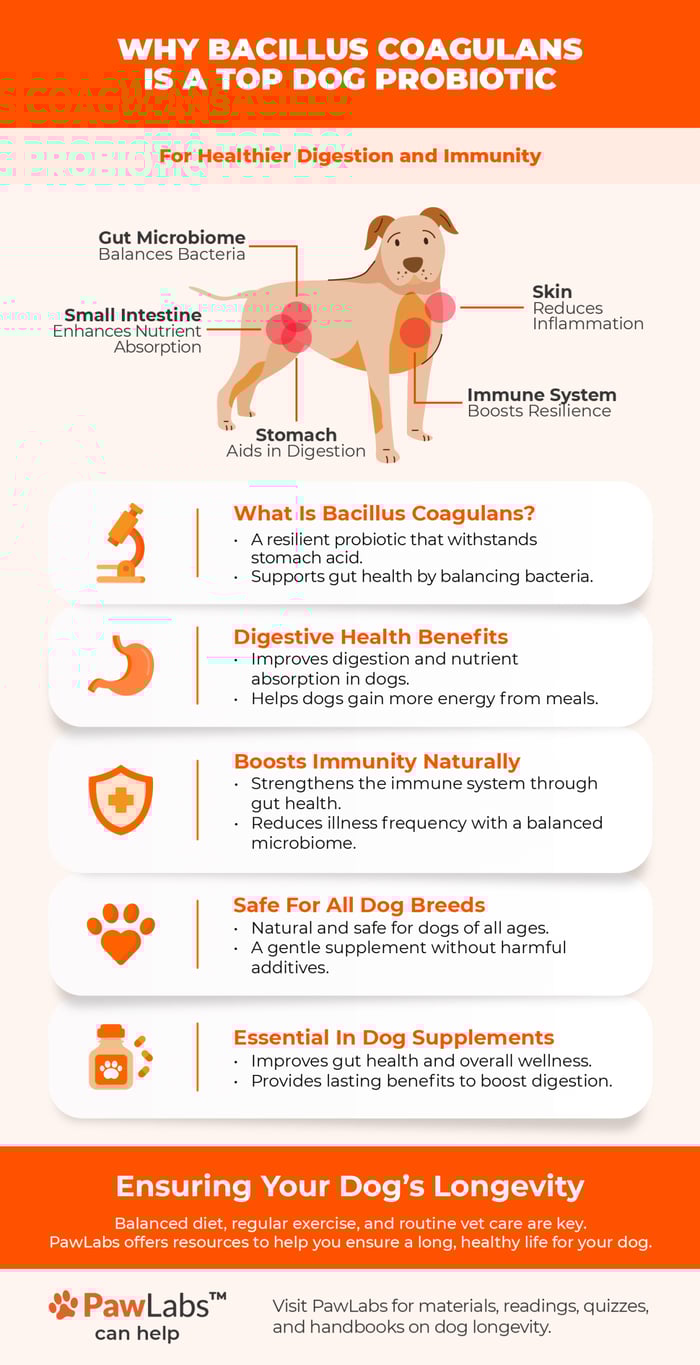
Probiotics for pets are gaining popularity among pet owners. They can help improve your pet’s digestive health and overall well-being. Dogs, like humans, can benefit from probiotics. These beneficial bacteria aid in digestion and boost immunity. Understanding the types of probiotics available for pets is essential.
What Are Probiotics?
Probiotics are live bacteria and yeasts that promote gut health. They are often referred to as ‘good’ or ‘friendly’ bacteria. Probiotics work by balancing the gut flora, which is crucial for digestion. In pets, they support healthy digestion and nutrient absorption. They can also help in boosting the immune system. Probiotics are found in some foods and supplements.
Types Of Pet Probiotics
There are various types of probiotics available for pets. Each type has unique benefits and applications. Some common types include:
- Lactobacillus:This type is often used for digestive health. It helps break down food and absorb nutrients.
- Bifidobacterium:Known for boosting the immune system. It aids in fighting off infections and harmful bacteria.
- Enterococcus:Useful for maintaining a healthy gut environment. It supports the balance of gut microbiota.
Choosing the right probiotic depends on your pet’s specific needs. Consult with a veterinarian for tailored advice.
Human Probiotics Vs. Dog Probiotics
Many pet owners wonder if it’s safe to give their dogs human probiotics, especially since they seem to work wonders for us. But before you share your probiotic stash with your furry friend, it’s crucial to understand the differences between human and dog probiotics. While both serve the purpose of promoting gut health, their formulations and effectiveness can vary greatly. Let’s dive into the specifics to help you make an informed decision.
Composition Differences
Human probiotics are tailored to the human digestive system, which is quite different from a dog’s. These probiotics often contain strains such as Lactobacillusand Bifidobacteriumthat are beneficial for humans. Dog probiotics, on the other hand, include strains like Enterococcus faecium, specifically suited for canine guts.
The balance of bacteria needed for optimal health in dogs is unique, and human formulations might not provide the necessary strains. A dog’s digestive system is shorter and more acidic, requiring a distinct bacterial composition. You wouldn’t wear shoes designed for someone else—your dog needs probiotics made just for them.
Effectiveness For Dogs
While human probiotics might seem appealing due to their availability, their effectiveness in dogs is uncertain. Dogs may not experience the same benefits because their microbiome is different. For instance, a probiotic that helps with human digestion might not address issues like a dog’s immune support or coat health.
Pet-specific probiotics are formulated to tackle issues that dogs commonly face, such as digestive upset from diet changes or stress-related gut imbalances. Ask yourself, is it worth risking your dog’s health by using a product not specifically designed for them? Stick to canine probiotics for proven results.
Consider talking to your vet about the best options for your dog. They can recommend a product that aligns with your dog’s specific health needs, ensuring your pet gets the best care possible.
Safety Of Human Probiotics For Dogs
As a dog owner, you’ve probably considered giving your furry friend a little extra boost with probiotics. These friendly bacteria have been known to support gut health in humans, so why not extend the benefits to dogs? However, it’s crucial to understand the safety of human probiotics for dogs before making any decisions. This section explores the potential risks and the importance of veterinary guidance.
Potential Risks
Giving your dog human probiotics might seem like a good idea, but it can pose several risks. The human digestive system is different from that of dogs, meaning the probiotics formulated for humans may not be effective, or worse, harmful to your pet. Specific strains that benefit humans might not be beneficial for dogs and could lead to digestive upset.
Moreover, the dosage is an important factor. Human probiotics come in doses designed for our body weight, not for smaller creatures like dogs. An incorrect dose could potentially cause more harm than good. Always be cautious about the ingredients as some probiotics contain artificial sweeteners like xylitol, which is toxic to dogs.
Veterinary Guidance
Before introducing any probiotics to your dog’s diet, it’s wise to consult your vet. A professional can guide you on the appropriate probiotic strains and dosages specifically suited for your dog’s needs. They can also help identify if your dog truly needs probiotics or if their digestive issues stem from another underlying problem.
Your vet may recommend a probiotic made specifically for dogs, ensuring the product is safe and effective. This tailored approach reduces the risk of any adverse reactions and promotes better health for your pet. Remember, your dog’s health is unique, and expert advice is invaluable in making the best choices.
Have you ever wondered if your dog’s digestive woes could be eased with the right probiotic? Consider reaching out to your vet today to explore safe and effective options designed just for them.
Benefits Of Human Probiotics For Dogs
Probiotics are friendly bacteria that help in maintaining gut health. Many people use them to improve digestion and boost immunity. Interestingly, these benefits extend to dogs. Human probiotics can be beneficial for dogs too. They help in balancing gut flora and enhancing overall health. Let’s explore how human probiotics can improve your dog’s well-being.
Improved Digestion
Dogs sometimes face digestion issues. Human probiotics can help in easing these problems. They aid in breaking down food effectively. This results in better nutrient absorption. Probiotics can help reduce bloating and gas in dogs. They also help in managing diarrhea and constipation. A balanced gut leads to a happier dog.
Enhanced Immunity
Probiotics can strengthen a dog’s immune system. A healthy gut plays a key role in immunity. Friendly bacteria help ward off harmful pathogens. This reduces the risk of infections. Dogs with stronger immunity are more active. They have a better chance at fighting diseases. Probiotics support your dog’s natural defenses. A healthy dog is a happy dog.

Credit: au.mightymunch.com
Choosing The Right Probiotic
Dogs can take people probiotics, but selecting the right one is crucial. Always consult a vet to ensure safety and effectiveness. Proper dosage and formulation are key to supporting your dog’s digestive health.
Choosing the right probiotic for your dog can be a game-changer for their health. While it might be tempting to share your own probiotics with your furry friend, it’s crucial to select a product specifically designed for dogs. Not all probiotics are created equal, and understanding the differences can ensure your pet receives the maximum benefits.Factors To Consider
When selecting a probiotic, consider your dog’s specific health needs. Does your dog suffer from digestive issues, or are you aiming for overall wellness? Check the strains of bacteria included, as certain strains address specific health concerns. Look at the CFU (colony-forming units) count. A higher CFU count typically indicates a more potent probiotic. However, more isn’t always better, so consult with your vet for the optimal dosage. Evaluate the form of the probiotic. Options include powders, chews, or even capsules. Your dog’s preference and ease of administration play a role in this choice.Recommended Brands
Several brands have earned a reputation for quality and effectiveness in dog probiotics. Purina Pro Plan FortiFlora is favored for its palatability and efficacy. Many dog owners rave about its ability to soothe sensitive stomachs. Zesty Paws Probiotic Bites are another popular option, especially for dogs who see supplements as treats. They come in flavors that appeal to even the pickiest eaters. Pet Ultimates Probiotics boast a high CFU count and a wide range of bacterial strains, making them a strong contender for tackling various digestive issues. Consider what aligns best with your dog’s needs and consult your vet for personalized advice. Are you ready to make this simple change for your pet’s health?Administering Probiotics To Dogs
Administering probiotics to dogs can support their digestive health. Many owners wonder if human probiotics are safe for dogs. While some probiotics overlap, dogs have specific needs. Understanding these needs helps in choosing the right probiotic.
Dosage Guidelines
Start with a small dose to see how your dog reacts. Consult your vet for specific dosage recommendations. Ensure the probiotics are suitable for canine use. Look for products with clear dosage instructions for dogs.
Monitoring Effects
Watch for changes in your dog’s digestion or behavior. Positive effects may include improved stool consistency and reduced gas. If adverse reactions occur, stop giving the probiotic. Keep track of any changes and consult your vet if needed.
Credit: pawlabs.co
Frequently Asked Questions
Can Dogs Safely Consume Human Probiotics?
Dogs can consume human probiotics, but it’s not always recommended. Human probiotics may not address specific canine needs. It’s best to consult your veterinarian before giving your dog human probiotics. They can guide you on the right type and dosage for your pet’s health.
Are Human Probiotics Beneficial For Dogs?
Human probiotics can offer some benefits to dogs, like improved digestion. However, they are not tailored for canine gut flora. It’s advisable to choose probiotics specifically formulated for dogs to ensure maximum efficacy and safety for your pet.
What Are The Risks Of Giving Dogs Human Probiotics?
Giving dogs human probiotics can lead to digestive upset or imbalance. Human probiotics may not cater to the specific strains beneficial for dogs. Always consult your vet before introducing any new supplements to your dog’s diet to avoid potential health issues.
How Do Canine Probiotics Differ From Human Ones?
Canine probiotics are specifically formulated with strains that benefit dogs. They cater to a dog’s unique gut environment and health needs. Human probiotics may lack these specific strains, making them less effective for dogs. Always choose probiotics designed for your pet’s species.
Conclusion
Dogs and people have different probiotic needs. Dogs should not take human probiotics without vet advice. These supplements might not suit their digestive systems. Consult your veterinarian for the best options. They can recommend a suitable dog-specific probiotic. This ensures your pet’s health and safety.
Remember, each dog is unique. Their needs can vary. Always prioritize their well-being. Choose the right probiotic for them. A healthy gut can lead to a happier dog. Keep your furry friend safe and healthy. Your vet knows what’s best for them.
Trust their expertise and guidance.