
How to Treat Dog Skin Infection at Home: Expert Tips
Your beloved furry friend deserves the best care possible, especially when dealing with uncomfortable skin infections. Discovering that your dog has a skin infection can be worrying, but the good news is that you can take effective steps right at home to help your pet heal.
Imagine seeing your dog happy and itch-free again. This is entirely achievable with some simple yet powerful remedies that you likely already have. You won’t want to miss out on these insights that can bring comfort and relief to your dog, while also saving you time and money.
Dive into this article to uncover how you can transform your home into a healing haven for your pup’s skin health.

Credit: furballstory.com
Common Causes Of Dog Skin Infections
Understanding common causes of dog skin infections is vital for effective home treatment. Allergies, parasites, and bacteria often lead to skin problems. Identifying and addressing these causes ensures your dog’s comfort and health.
Understanding the common causes of dog skin infections can help you address them effectively at home. Knowing what triggers these infections is the first step in preventing them. Let’s dive into some of the frequent culprits behind your furry friend’s skin troubles.Allergies And Irritants
Allergies are a prevalent cause of skin infections in dogs. Dogs can be allergic to various things, including pollen, certain foods, or even household cleaners. Have you noticed your dog scratching more during pollen season or after a meal? It might be time to explore potential allergens. Environmental irritants such as dust or mold can also lead to skin problems. Think about the products you use in your home. Could any of them be causing your dog’s discomfort?Parasites And Fleas
Parasites, particularly fleas, are notorious for causing skin infections. Fleas can lead to intense itching, resulting in your dog scratching and biting, which can break the skin and cause infections. Regularly check your dog’s coat for these tiny pests. Do you use preventive flea treatments? They can be a lifesaver in keeping these pesky critters at bay. Don’t forget about other parasites like ticks and mites, which can also cause skin issues.Fungal And Bacterial Infections
Fungal infections, such as ringworm, are another common problem. These infections thrive in warm, moist areas, so keeping your dog’s skin clean and dry can help prevent them. Bacterial infections often occur when there’s a break in the skin. Have you noticed any red, inflamed areas or unusual smells? These could be signs of a bacterial infection that might need attention. By understanding these common causes, you can take proactive steps to keep your dog’s skin healthy and infection-free. Are there any other triggers you should watch out for? Always be observant of changes in your dog’s behavior or appearance.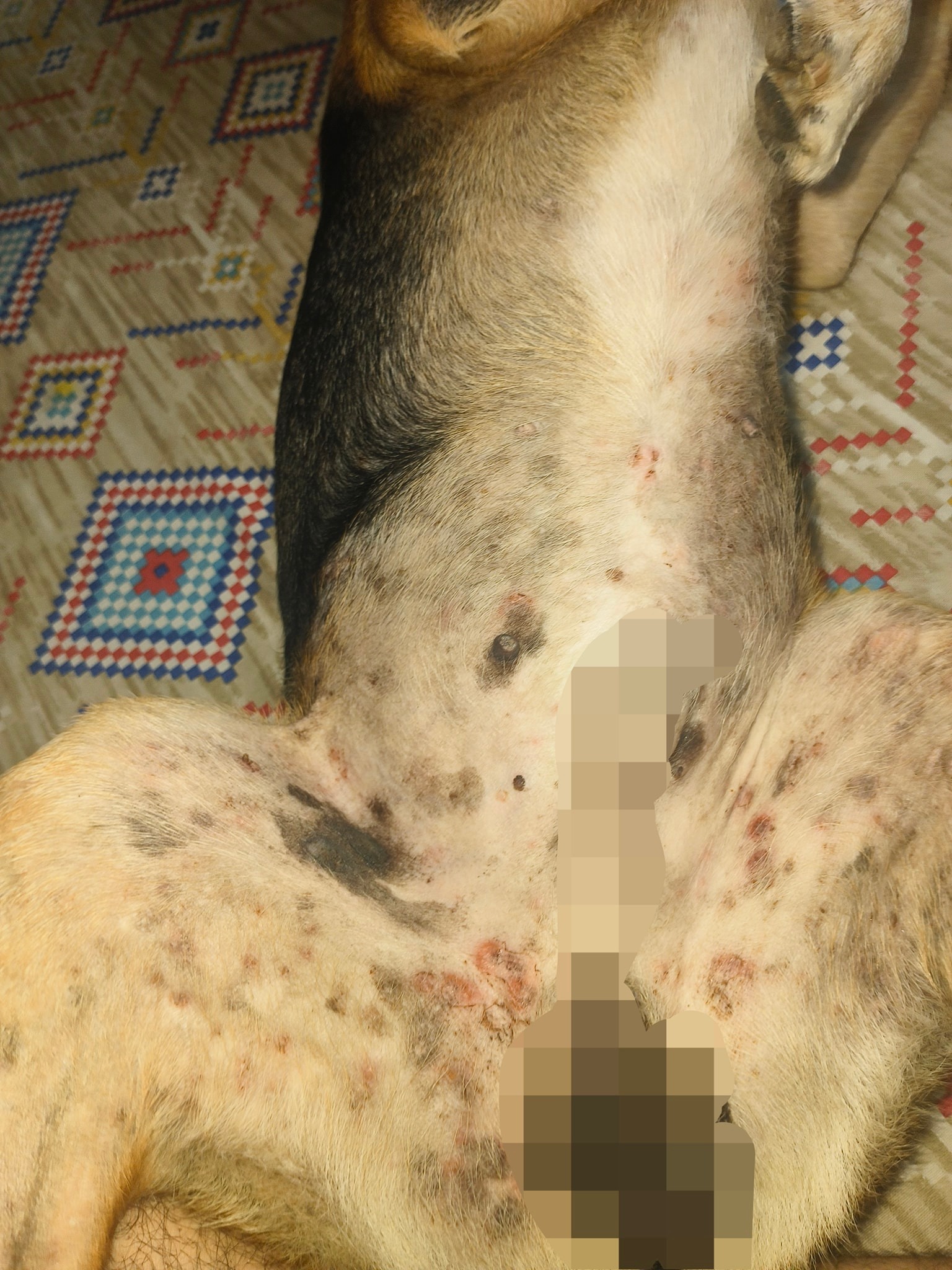
Credit: www.facebook.com
Symptoms To Watch For
Dog skin infections can be uncomfortable for your pet. Knowing the symptoms helps treat infections early. Spotting issues means a faster recovery for your furry friend. Stay observant and learn to identify signs of skin problems.
Itching And Scratching
Frequent itching can indicate skin infections. Your dog might scratch constantly. Itching is a common symptom. Check for excessive scratching. It might irritate the skin further. Scratching can worsen the infection. Look for signs of discomfort.
Redness And Swelling
Redness often accompanies skin infections. Swelling can occur around infected areas. Observe any changes in skin color. Swollen patches may feel warm. Red, swollen areas need attention. Act promptly to soothe your dog’s skin.
Hair Loss And Scabs
Hair loss is a clear sign of infection. Notice thinning or bald spots. Scabs might form as the skin heals. Check for crusty patches. Hair loss combined with scabs signals an issue. Address these symptoms quickly for recovery.
Home Remedies And Treatments
Treat dog skin infections at home with natural remedies. Use coconut oil to soothe irritation and promote healing. Regularly clean and dry the affected area to prevent bacterial growth.
Dealing with dog skin infections can be challenging, but there are several home remedies and treatments that might help alleviate your furry friend’s discomfort. While severe infections require veterinary attention, mild cases can often be managed with a few simple steps. Understanding how to approach these treatments can make a significant difference in your dog’s health and happiness.Proper Bathing Techniques
Bathing is essential, but doing it right is crucial. Use lukewarm water to soothe your dog’s skin. Choose a mild, hypoallergenic shampoo specifically designed for dogs. Avoid human shampoos, as they can be too harsh. During bath time, gently massage the shampoo into the fur, ensuring it reaches the skin. Rinse thoroughly to prevent residue buildup, which can worsen irritation. Consider adding an oatmeal-based shampoo to your routine, as oatmeal has natural soothing properties.Natural Topical Solutions
Natural remedies can offer relief. Aloe vera gel is a popular choice due to its cooling and healing properties. Apply a thin layer directly to the affected area, but ensure your dog doesn’t lick it off. Coconut oil is another excellent option. Its antibacterial and antifungal qualities can help combat infections. Rub a small amount onto the infected skin, allowing it to absorb fully. Have you ever tried a chamomile tea rinse? Brew a strong cup, let it cool, and apply it gently to your dog’s skin. Its anti-inflammatory benefits might surprise you!Dietary Adjustments
Your dog’s diet plays a vital role in skin health. Consider adding omega-3 fatty acids to their meals. These nutrients, found in fish oil supplements, can enhance skin condition and reduce inflammation. Ensure your dog is getting a balanced diet rich in vitamins and minerals. Foods like sweet potatoes and carrots are high in beta-carotene, promoting healthy skin. Have you noticed any food allergies? Sometimes, skin infections are triggered by food sensitivities. Experiment with an elimination diet to identify potential allergens. Could changing their diet be the key to healthier skin? Addressing dog skin infections at home requires patience and attention to detail. By implementing these strategies, you can help your pet feel more comfortable while keeping their skin healthy.
Credit: www.wondercide.com
When To Seek Veterinary Help
Understanding when to seek veterinary help for your dog’s skin infection is crucial. Home remedies can be effective, but there are times when professional care is necessary. Knowing the signs can save your dog from prolonged discomfort and potential complications.
Persistent Symptoms
If your dog’s skin infection symptoms persist despite home treatment, consult a vet. Watch for signs like redness, swelling, or itching that don’t improve. These symptoms might indicate a more serious issue requiring medical intervention.
Severe Reactions
Severe reactions demand immediate veterinary attention. Signs include intense pain, rapid swelling, or difficulty breathing. Such symptoms could indicate an allergic reaction or severe infection, needing urgent care.
Preventive Measures
Regularly check your dog’s skin for any changes. This helps catch issues early. Maintain proper hygiene to prevent infections. Use vet-approved products for skin care. Keeping your dog healthy reduces the risk of skin problems.
Preventing Future Infections
Cleanliness can prevent future infections in dogs. Regularly wash your dog’s bedding and grooming tools. Keeping your dog’s skin dry helps prevent bacterial growth.
Preventing future skin infections in dogs is crucial for their well-being. Consistent care and attention can significantly reduce the risk. Let’s explore some effective strategies.Regular Grooming Tips
Brush your dog’s coat regularly to remove dirt and dead hair. Use a gentle dog shampoo for bathing, avoiding harsh chemicals. Check their skin for any unusual spots or redness. Trim their nails to prevent scratching and skin damage. Keep their ears clean and dry, reducing the risk of infections. Regular grooming helps in early detection of skin issues.Healthy Environment
Ensure your dog’s living space is clean and dry. Wash their bedding frequently to prevent bacteria buildup. Keep their play area free from sharp objects and debris. Provide adequate shade to avoid sunburn. Ensure good ventilation indoors to prevent humidity. A healthy environment supports your dog’s skin health.Balanced Nutrition
Feed your dog a balanced diet rich in essential nutrients. Include omega-3 fatty acids to support skin health. Provide fresh water daily to keep them hydrated. Avoid feeding them human foods that may cause allergies. Consult your vet about appropriate supplements. Balanced nutrition strengthens your dog’s immune system.Frequently Asked Questions
What Are Common Signs Of Dog Skin Infection?
Common signs include itching, redness, swelling, and hair loss. You may also notice sores or scabs on the skin. Your dog might frequently scratch or lick the affected area. Identifying these signs early can help in prompt treatment and quicker recovery.
Can I Treat My Dog’s Skin Infection At Home?
Yes, minor skin infections can be treated at home. Clean the area with mild antiseptic soap and water. Apply a vet-recommended topical ointment. Ensure your dog doesn’t lick or scratch the area. If symptoms persist, consult a veterinarian.
What Home Remedies Help Dog Skin Infection?
Home remedies include coconut oil and aloe vera for soothing the skin. Oatmeal baths can reduce itching and inflammation. Always ensure your dog is not allergic to these remedies. Consult a vet before trying any new treatments for safety.
How Can I Prevent Dog Skin Infections?
Regular grooming and keeping your dog’s skin clean help prevent infections. Ensure a balanced diet to boost their immune system. Check for fleas and ticks regularly. Avoid allergens and irritants that can cause skin issues. Always consult your vet for personalized advice.
Conclusion
Treating dog skin infections at home can be manageable. First, identify the symptoms early. Clean the affected area gently. Use natural remedies like coconut oil or aloe vera. They soothe and heal the skin. Keep your dog clean and dry.
Regularly check for fleas and ticks. Prevent infection from spreading. Always consult your vet for severe cases. Keep your dog’s health a priority. A happy dog leads to a happy home. Remember, a little care goes a long way. With patience, your dog will feel better soon.


