How to Tighten a Dog Harness: Easy Step-by-Step Guide
Are you struggling with keeping your dog secure and comfortable during walks? A loose harness can be more than just a nuisance; it can compromise your pet’s safety and lead to unexpected escapes.
Imagine the peace of mind you’ll have knowing your furry friend is snug and secure while exploring the world by your side. In this guide, you’ll learn simple techniques to tighten a dog harness effectively. By the end, you’ll feel confident and empowered, ready to enjoy stress-free outings with your pup.
Don’t miss out on essential tips that will transform your walking experience. Dive in and discover how easy it can be to ensure your dog’s comfort and safety!

Credit: www.instagram.com
Choosing The Right Harness
Ensure the harness fits snugly around your dog’s body. Adjust the straps evenly to avoid discomfort. Check for gaps and tighten as needed for a secure fit.
Choosing the right harness for your dog is crucial. It ensures comfort and safety during walks. A well-fitted harness prevents injuries and enhances your dog’s walking experience. It also helps you control your dog better without causing harm.Types Of Dog Harnesses
There are several types of dog harnesses available. The back-clip harness is the most common. It is suitable for small to medium dogs. It offers comfort and ease of use. The front-clip harness helps reduce pulling. It is ideal for larger dogs that tend to pull. Dual-clip harnesses offer flexibility. You can switch between front and back clips. Step-in harnesses are easy to put on. They are great for dogs that dislike overhead harnesses.Importance Of Proper Fit
A properly fitted harness is essential for your dog’s well-being. It should not be too tight or too loose. A tight harness can cause discomfort and restrict movement. A loose harness can slip off, risking your dog’s safety. Measure your dog’s chest and neck for the best fit. Check the harness regularly to ensure it fits well. Adjust it as your dog grows or changes weight. A well-fitted harness allows freedom of movement. It helps distribute pressure evenly across the chest.
Credit: www.instagram.com
Preparing For Adjustment
Adjusting a dog harness might seem straightforward, but preparing properly can make the process much smoother for both you and your furry friend. A well-fitted harness not only ensures comfort but also enhances safety during walks. Taking a few preparatory steps will help you achieve the perfect fit without any hassle.
Gathering Necessary Tools
Before you start adjusting the harness, gather the essential tools to make the process efficient. A measuring tape is crucial to check your dog’s girth and ensure the harness isn’t too tight or loose. Keep a few treats handy to reward your pup for their patience. If it’s your first time adjusting a harness, a guide or manual can be helpful, especially for specific harness types. Have these items within reach to keep the adjustment process seamless.
Calming Your Dog
Ensure your dog is calm and relaxed before you begin. An excited or anxious dog can make adjustments difficult. Take a few minutes to pet them or engage in a short play session to ease any nerves. Speak softly and reassuringly to keep them comfortable. If your dog is particularly energetic, consider a quick walk or some playtime to burn off excess energy. A calm dog is more likely to cooperate, making the adjustment process smoother.
Have you ever wondered how your dog feels during harness adjustments? Understanding their perspective can make the experience more pleasant for both of you. By preparing thoughtfully, you can transform a mundane task into a bonding moment.
Identifying Loose Areas
Identifying loose areas in a dog harness ensures a snug fit for your pet’s comfort and safety. Check for gaps between the harness and your dog’s body. Adjust straps to eliminate looseness, allowing just two fingers to fit underneath.
Identifying loose areas in a dog harness is crucial for safety and comfort. A loose harness can lead to chafing and discomfort. It might even allow your dog to slip out. Regular checks can prevent these issues.Common Loose Points
Dog harnesses often have specific areas that loosen over time. – Chest Strap: This strap can slip, causing the harness to hang. It should be snug against the chest without restricting movement. – Neck Area: Check the neck area for gaps. A loose fit here might allow your dog to escape. – Belly Straps: These straps can become loose with wear. Ensure they sit comfortably without causing pressure.Signs Of Poor Fit
A poorly fitted harness shows certain signs. – Frequent Adjustments: If you constantly adjust the harness, it might be loose. – Harness Movement: The harness should stay in place. Excessive movement means it is too loose. – Chafing: Red marks or irritation can indicate a loose fit. These are signs the harness rubs against the skin. Regularly check these areas to ensure your dog’s harness fits well. A secure harness improves safety and comfort during walks.Step-by-step Tightening Process
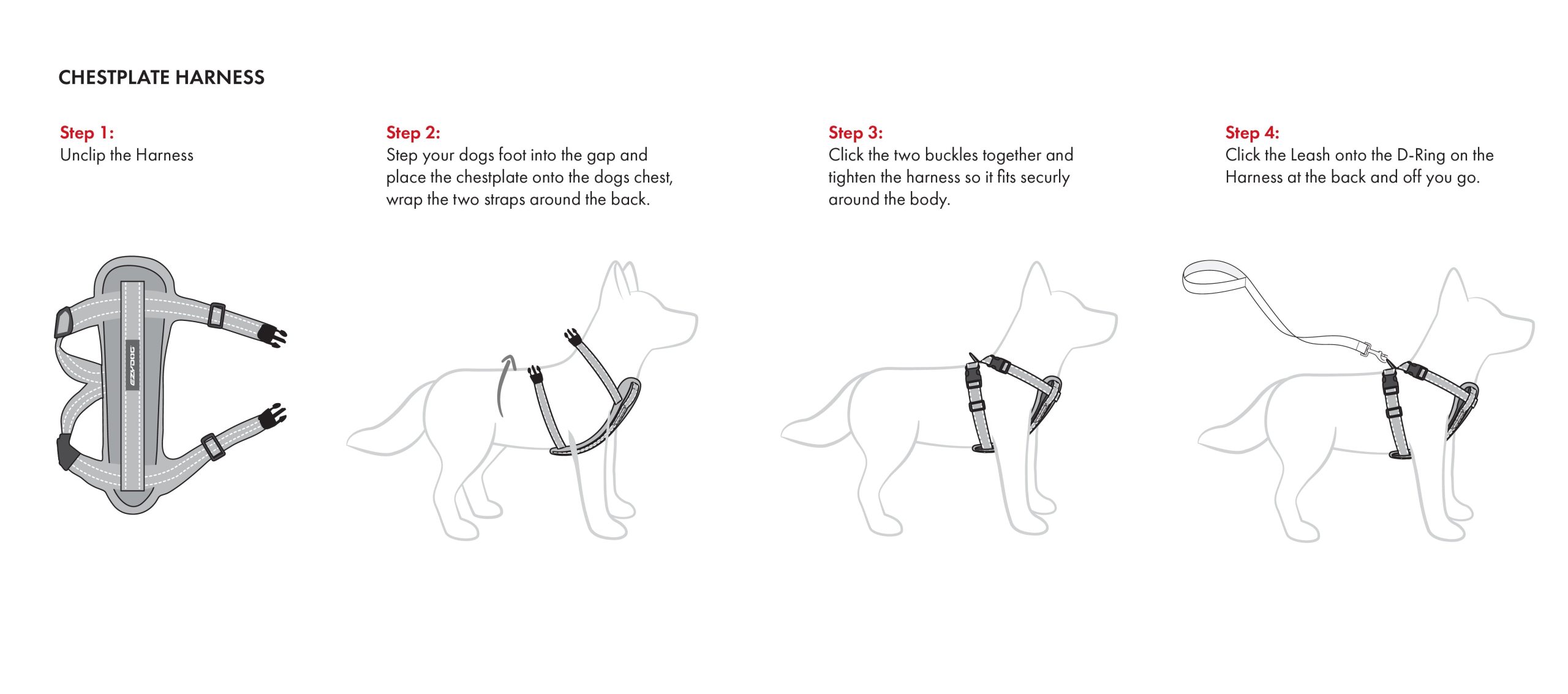
Ensuring your dog’s harness fits perfectly is crucial for both comfort and safety during walks. A well-adjusted harness prevents your dog from slipping out and ensures they feel secure. Let’s dive into the step-by-step tightening process to make sure your furry friend is ready for any adventure.
Adjusting Neck Straps
Start by positioning the harness so it sits comfortably around your dog’s neck. You should be able to fit two fingers snugly between the strap and your dog’s neck. This ensures it’s not too tight but also not too loose. If the strap feels loose, gently tighten it until you achieve this fit. Check for any signs of discomfort, such as excessive scratching or rubbing.
Securing Chest Straps
Next, focus on the chest straps. These are key to keeping the harness securely in place. Make sure the strap sits across the broadest part of your dog’s chest. Adjust the strap so it fits closely without pinching the skin. A well-adjusted chest strap should allow your dog to move freely without restraint. Does your dog seem comfortable and able to breathe easily? That’s a good sign your adjustment is spot-on.
Fine-tuning Side Straps
Finally, check the side straps. These straps connect the neck and chest areas, providing additional security. Ensure they are symmetrical on both sides, balancing the harness evenly. Adjust these straps so they are snug yet comfortable, allowing movement without restriction. This final adjustment ensures the harness remains stable as your dog moves. Remember, a happy dog is a comfortable dog, ready to explore the world with confidence.
Checking The Fit
Ensuring your dog’s harness fits correctly is crucial. A proper fit ensures safety and comfort for your furry friend. Regular checks are essential as your dog grows or the harness wears. Follow these guidelines to make sure the harness is snug yet comfortable.
Ensuring Comfort
Comfort is key for your dog’s happiness. Adjust the harness so it is not too tight. Slide two fingers between the harness and your dog’s body. If it’s too loose, tighten it slightly. If it’s too tight, loosen it a bit. Your dog should feel comfortable and be able to move freely.
Testing Mobility
Test your dog’s mobility after adjusting the harness. Let your dog walk around. Observe if the harness restricts movement. If it does, adjust accordingly. Your dog should be able to run and jump without discomfort. Mobility ensures your dog’s safety and freedom while wearing the harness.
Safety Tips
Ensure the harness fits snugly but comfortably around your dog’s body. Adjust the straps gradually, checking for tightness. Verify the fit by sliding two fingers under the harness; they should move easily but not loosely.
Ensuring your dog’s harness fits well is vital for safety. A proper fit keeps your dog secure and comfortable. It also prevents accidents during walks or adventures. Follow these safety tips to keep your furry friend safe.Avoiding Over-tightening
Over-tightening can cause discomfort and restrict movement. To avoid this, check the harness fit regularly. You should be able to slip two fingers under the straps. If not, loosen the harness slightly. A snug fit is important, but comfort matters too.Regular Fit Checks
Dogs grow and change weight, affecting harness fit. Regularly inspect the harness for signs of wear. Adjust the straps to fit your dog’s current size. This ensures safety and comfort during walks. Make it a habit to check before each outing.Troubleshooting Common Issues
Ensuring a snug fit for your dog’s harness is crucial for comfort and safety. Adjust the straps evenly to avoid pinching. Check for two-finger room between the harness and your dog’s body.
Troubleshooting common issues with a dog harness can be frustrating. Sometimes, even with the right size, problems arise. Understanding these issues helps ensure your dog stays safe and comfortable.Addressing Slippage
A harness that slips can be unsafe. Ensure it fits snugly on your dog. Check for loose straps that might need adjustment. Make sure the harness is not too tight or too loose. Consider a harness with a non-slip design for active dogs. These models often have extra padding. Adjust the buckles and sliders regularly. This prevents them from loosening during walks.Dealing With Discomfort
Discomfort can make a dog resist wearing a harness. Examine areas where the harness might rub or chafe. Look for red marks or irritation on your dog’s skin. A well-padded harness can reduce these problems. Opt for materials that are gentle on the skin. Adjust the fit to allow some room for movement. Avoid making it too tight, as it can restrict breathing. A properly fitted harness should allow two fingers to fit under it. Regularly check for any signs of wear or damage. Replace the harness if it shows signs of wear and tear.
Credit: www.instagram.com
Frequently Asked Questions
How Do I Know If My Dog’s Harness Is Too Loose?
A loose harness can lead to discomfort or escape. Check if you can fit two fingers between the harness and your dog. If it’s more than that, it might be too loose. Adjust the straps to ensure a snug fit without restricting movement.
What Are Signs Of A Tight Dog Harness?
Signs of a tight harness include chafing, indentations, or restricted movement. Your dog might show discomfort or reluctance to move. Ensure two fingers can fit between the harness and your dog’s body for a comfortable fit.
Can A Loose Harness Affect My Dog’s Behavior?
Yes, a loose harness can cause anxiety and discomfort. It may lead to pulling or escape attempts. Ensure the harness fits well to promote confidence and comfort during walks. A well-fitted harness can improve your dog’s behavior and walking experience.
How Often Should I Check My Dog’s Harness Fit?
Regularly check the harness fit, especially after walks or play. Dogs can grow or gain weight, affecting the fit. Adjust as needed to ensure comfort. Monthly checks are recommended, but more frequent if your dog is still growing or losing weight.
Conclusion
Tightening a dog harness is simple with the right steps. Ensure the harness fits snugly but comfortably. Check the straps regularly for security. Adjust as your dog grows or changes weight. A well-fitted harness keeps your dog safe on walks.
Remember, comfort is crucial for your pet’s happiness. Practice makes perfect, so take your time. Always observe your dog’s reaction to adjustments. Happy dogs make for happy walks. With these tips, you and your dog will enjoy safe adventures together.
Keep your furry friend’s safety a top priority. Enjoy your walks!