Can Flea Collars Make a Dog Sick? Uncover the Truth
Senior Canine Nutritionist & Dog Behavior Specialist at Cozy Dog Go Wellness Lab
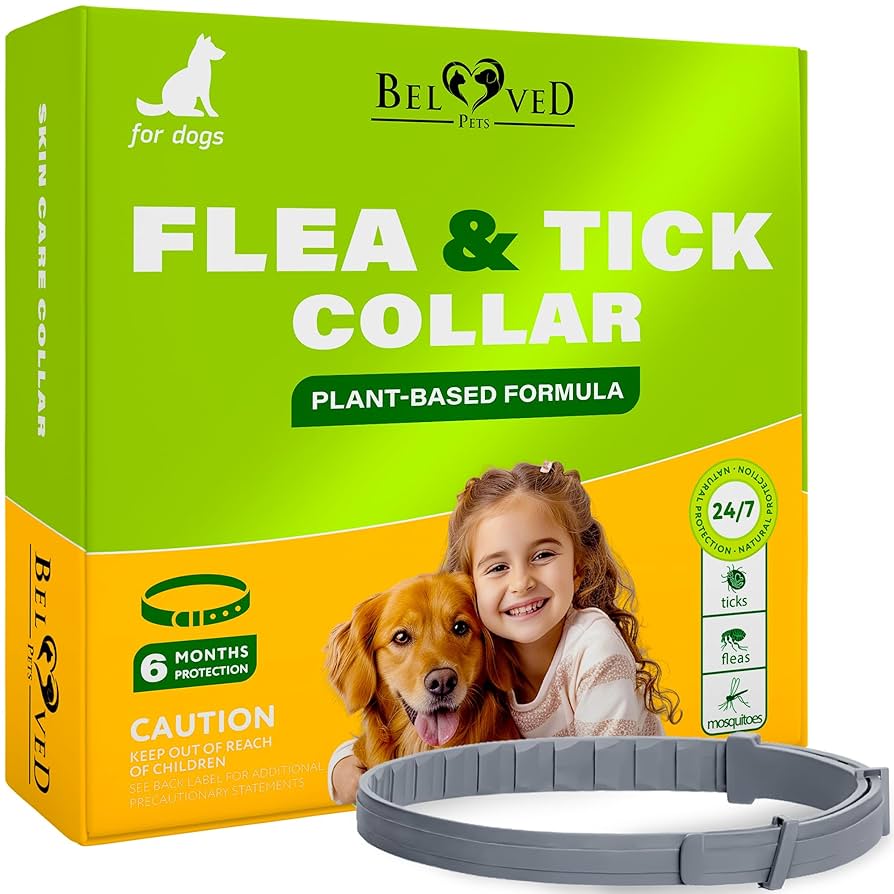
When it comes to keeping your furry friend happy and healthy, flea collars often seem like a convenient solution. But have you ever wondered if these collars could be doing more harm than good?
You’re not alone. Many pet owners like you are questioning the safety of flea collars and whether they might actually make your dog sick. This is a topic that deserves attention, as the well-being of your beloved pet is always a priority.
We’ll uncover the truth behind flea collars, exploring their potential risks and side effects. Stay with us as we delve into the details, so you can make an informed decision about how to best protect your dog.
Flea Collars: Purpose And Function
Flea collars are a popular choice among pet owners seeking to protect their furry friends from pesky parasites. These collars serve a critical purpose by providing a barrier of protection against fleas and ticks, which can cause discomfort and health issues for dogs. While they are effective tools, understanding their function and potential risks can help you make informed decisions for your pet’s well-being.
How Flea Collars Work
Flea collars are designed to release insecticides or repellents slowly over time. This creates a protective zone around your dog’s neck, preventing fleas and ticks from settling in. Some collars kill adult fleas and ticks, while others target larvae and eggs, disrupting the entire life cycle of these parasites. Imagine it as a safety shield that guards your dog from unwanted guests, offering peace of mind for both you and your pet.
It’s essential to ensure the collar fits correctly. A loose collar won’t be as effective, while a too-tight fit might cause irritation. You should be able to fit two fingers comfortably between the collar and your dog’s neck. Does your dog’s flea collar fit as it should?
Types Of Flea Collars
The market offers various types of flea collars, each catering to different needs and preferences. Some collars are infused with natural oils like citronella or eucalyptus, appealing to pet owners interested in a chemical-free approach. Others use synthetic chemicals like permethrin or pyrethroids, known for their potent insect-killing properties.
- Natural Ingredient Collars:Ideal for those looking for less chemical exposure. These may be less potent but offer a safer alternative for sensitive dogs.
- Chemical-Based Collars:Known for their effectiveness in severe infestations. However, they may pose risks of irritation or allergic reactions.
- Combination Collars:Merging natural and chemical components to balance effectiveness and safety.
Choosing the right type depends on your dog’s health, sensitivity, and the severity of the flea problem. Have you considered your dog’s specific needs when selecting a flea collar?

Credit: www.amazon.com
Potential Risks Of Flea Collars
Flea collars have long been a popular choice for keeping our furry friends pest-free. However, as a responsible pet owner, it’s crucial to understand the potential risks these products might pose. While they are effective, flea collars aren’t without their downsides. Let’s dive into some of the potential risks associated with using flea collars on dogs.
Chemical Exposure Concerns
Many flea collars contain chemicals like imidacloprid and flumethrin, designed to kill or repel fleas. While effective, these chemicals can sometimes be absorbed through your dog’s skin. This exposure might lead to health issues, especially if the dog is small or sensitive.
Have you ever noticed your dog scratching excessively after putting on a new collar? This could be a sign of irritation or an allergic reaction to the chemicals. It’s crucial to monitor your pet closely after introducing any new flea control product.
Consider consulting your veterinarian before choosing a flea collar. They can guide you on selecting a product with a safer chemical composition suitable for your dog’s specific needs.
Common Side Effects In Dogs
Flea collars can sometimes cause side effects in dogs. These might include skin irritations, such as redness or rashes, especially around the neck area. In more severe cases, symptoms like vomiting or lethargy could occur.
Have you ever felt uneasy seeing your dog uncomfortable or in distress? If your pet shows signs of discomfort or unusual behavior, it might be time to reconsider the flea collar. Removing the collar and washing the affected area with mild soap can help alleviate skin irritations.
Always keep an eye on your dog’s behavior after applying a new flea treatment. It’s better to be cautious than to deal with more serious health issues later. Your furry friend’s health and comfort should always be a top priority.
Signs Of Illness From Flea Collars
Flea collars are popular for keeping pests away from dogs. But they can sometimes cause health issues. It’s important to know the signs of illness from flea collars. This helps ensure your dog’s safety and well-being.
Symptoms To Watch For
Keep an eye on your dog after using a flea collar. Watch for these symptoms:
- Excessive scratching or itching
- Redness or swelling around the neck
- Vomiting or diarrhea
- Lethargy or unusual tiredness
- Loss of appetite
- Difficulty breathing
If you notice any of these symptoms, remove the collar. Observe your dog closely for any changes in behavior.
When To Contact A Veterinarian
Some symptoms require immediate attention from a veterinarian. Contact a vet if your dog shows:
- Severe allergic reactions
- Persistent vomiting or diarrhea
- Breathing difficulties
- Severe lethargy
These signs can indicate serious health issues. Early intervention can prevent complications. Always prioritize your pet’s health and consult a professional when in doubt.
Safe Alternatives To Flea Collars
Flea collars are popular, but they can sometimes make dogs sick. Pet owners seek safe alternatives to keep their furry friends healthy. There are natural remedies and prescription treatments that offer effective solutions. These options can help control fleas without causing harm to your pet.
Natural Remedies
Many pet owners prefer natural remedies for flea control. These solutions are gentle on your dog’s skin. Essential oils like lavender and lemongrass repel fleas. Mix them with water and spray on your dog’s coat. Regular grooming also helps. Use a flea comb to remove fleas and eggs. Bathing your dog with mild soap can reduce fleas. Diatomaceous earth is another option. Sprinkle it on your dog’s bedding to kill fleas.
Prescription Treatments
Prescription treatments are effective and safe. They are designed to protect your dog from fleas. Consult your vet for the best option. Oral medications can be given monthly. They work from inside to prevent flea infestations. Spot-on treatments are another choice. Apply them directly to your dog’s skin. These treatments kill fleas and prevent new ones. Follow your vet’s advice for the best results.
Choosing The Right Flea Collar
Choosing the right flea collar is essential for your dog’s health. Some collars can cause skin irritation or allergies. Always check the ingredients and consult your vet to ensure safety.
Choosing the right flea collar for your dog is crucial for their health. Not all flea collars are created equal. Some might be safe, while others can cause irritation or illness. Understanding the needs of your dog and the products available can help you make an informed decision.Factors To Consider
Consider the size and age of your dog. Puppies need different collars than adult dogs. Check the ingredients used in the collar. Some chemicals might be too strong for sensitive dogs. Look for collars that offer protection against ticks as well as fleas. Evaluate the longevity of the collar’s effectiveness. A collar that lasts longer might save you money and hassle.Consulting With Your Vet
Consult with your vet before choosing a flea collar. Vets have knowledge about different brands and their safety. They can recommend collars based on your dog’s health history. A vet can also advise on potential allergic reactions. Their guidance ensures you pick a safe and effective product.
Credit: www.hartz.com
Preventive Measures For Dog Safety
Flea collars can sometimes cause skin irritation or allergic reactions in dogs. Choosing collars with natural ingredients helps reduce risks. Regular monitoring for signs of discomfort ensures your pet stays healthy and safe.
Preventive Measures for Dog Safety Ensuring the safety of your furry friend is essential. Flea collars can help but they may also pose risks. Understanding preventive measures can safeguard your dog from potential hazards.Regular Health Check-ups
Regular visits to the vet are crucial. They help spot any adverse reactions early. A vet can check for allergies or skin irritations. They can advise on the best flea control options. Health check-ups offer peace of mind. They ensure your dog stays healthy and happy.Environmental Management
Keeping your dog’s environment clean reduces flea infestations. Vacuum carpets and wash pet bedding frequently. This minimizes flea eggs and larvae. Yard maintenance is also important. Keep grass short and remove debris. A clean environment supports your dog’s well-being.
Credit: www.ebay.com
Frequently Asked Questions
Can Flea Collars Cause Side Effects In Dogs?
Yes, flea collars can cause side effects in dogs. Some dogs may experience skin irritation or allergic reactions. Symptoms can include redness, itching, or hair loss around the collar area. If you notice any unusual behavior or discomfort, consult your veterinarian immediately to ensure your dog’s safety.
Are Flea Collars Safe For Puppies?
Flea collars may not be safe for young puppies. Puppies have sensitive skin and may react negatively to chemicals in flea collars. It’s essential to check the collar’s age recommendations and consult your veterinarian for safer alternatives suitable for puppies to ensure their health and well-being.
How Long Do Flea Collar Side Effects Last?
Flea collar side effects can last for a few days. However, the duration depends on the dog’s sensitivity and the severity of the reaction. If side effects persist or worsen, it’s crucial to remove the collar and consult a veterinarian to prevent further complications.
Can Flea Collars Cause Behavioral Changes?
Flea collars can sometimes cause behavioral changes in dogs. These may include restlessness, irritability, or lethargy. Such changes can result from discomfort or mild allergic reactions. If you notice significant behavioral shifts, it’s advisable to consult your veterinarian for a thorough evaluation and appropriate guidance.
Conclusion
Flea collars can sometimes make dogs sick. Watch for allergy signs. Skin irritation, vomiting, or drooling are common symptoms. Always monitor your dog’s reaction to new products. Consult a vet if symptoms appear. Choose collars wisely. Natural options may be safer for sensitive dogs.
Every dog is unique. What works for one might not suit another. Prioritize your pet’s health and comfort. Regular check-ups help ensure well-being. Protect your furry friend with informed decisions. A little research goes a long way. Keep your dog happy and healthy.
Your pet deserves the best care.

Similar Posts