How to Put on Harness Dog: Step-by-Step Guide
Senior Canine Nutritionist & Dog Behavior Specialist at Cozy Dog Go Wellness Lab
Are you struggling with how to put a harness on your dog? You’re not alone!
Whether you’re a new pet parent or have been around dogs for years, figuring out the perfect way to fit a harness can be tricky. But fear not! This guide is here to help you every step of the way.
Imagine being able to enjoy stress-free walks with your furry friend, knowing they’re safe and comfortable. By the end of this article, you’ll have mastered the art of harnessing, making your walks more enjoyable and worry-free. Ready to turn your dog’s walk into a pleasant experience? Let’s dive in!

Credit: www.youtube.com
Choosing The Right Harness
Ensure the harness fits snugly but comfortably around your dog’s body. Slide it over their head, adjusting straps for a secure fit. Check the placement to avoid chafing and ensure easy movement.
Choosing the right harness for your dog can make all the difference in your walking experience. Whether you’re training a puppy or walking an older dog, the right harness ensures safety and comfort. But how do you pick the perfect one for your furry friend?Types Of Dog Harnesses
There are several types of harnesses available, each designed for specific needs.- Back-Clip Harness:Ideal for small dogs or well-trained dogs, as it prevents leash tangling.
- Front-Clip Harness:Excellent for training and reducing pulling, giving you more control.
- Dual-Clip Harness:Offers the flexibility of both front and back clips, suitable for various situations.
- Step-In Harness:Convenient for dogs that dislike having things put over their heads.
Measuring Your Dog
Getting the right size is crucial for your dog’s comfort and safety. Use a measuring tape to determine the girth of your dog’s chest, just behind the front legs. This measurement will guide you in choosing the correct harness size. Most harnesses have adjustable straps, so double-check the fit to ensure it’s snug but not too tight. A well-fitted harness should allow you to slip two fingers between the harness and your dog’s body. Have you ever struggled with a harness that just didn’t fit right? Share your experiences in the comments below!Preparing For Harness Fitting
Getting your dog ready for a harness fitting involves several steps. A well-fitting harness ensures comfort and safety. This process starts with a calm environment. Let’s explore how to prepare your dog for their harness.
Calming Your Dog
A relaxed dog is easier to handle. Start by choosing a quiet area. Speak softly to reassure your pet. Give them gentle strokes to ease any anxiety. Offer a favorite treat to create positive associations.
Remember, patience is key. If your dog gets restless, take a short break. Keep the experience positive and stress-free.
Checking The Harness
Before fitting the harness, inspect it carefully. Ensure there are no damages or loose threads. Check that the buckles and straps work smoothly. This ensures your dog’s safety.
Adjust the harness size to match your dog’s body. It should not be too tight. You should fit two fingers between the harness and your dog’s skin. A good fit allows for comfort and freedom of movement.
By preparing well, you ensure a smooth harness fitting for your dog. A calm dog and a checked harness make the process easy.
Positioning The Harness
Place the harness on your dog’s back, making sure it fits snugly. Adjust the straps under the belly and secure the buckles. Ensure the harness sits comfortably without restricting movement.
Positioning the harness correctly on your dog is crucial for comfort and safety during walks. It’s not just about strapping it on; it’s about ensuring it fits snugly and aligns properly with your dog’s body. This section will guide you through the essential steps to achieve a perfect fit, making your next walk enjoyable for both you and your furry friend.Identifying The Front And Back
Understanding the design of your dog’s harness is key. Most harnesses have a clear distinction between the front and back. Look for labels or tags that indicate which side is which. If you’re unsure, check the manufacturer’s instructions or website for guidance. Some harnesses have a distinct color or pattern on the front, helping you identify it easily. Remember, the front part typically goes over the chest, while the back connects to the leash.Aligning With The Dog’s Body
Once you’ve identified the front and back, it’s time to align the harness with your dog’s body. Start by placing the front section over your dog’s chest. Ensure it’s centered and not twisted. The back section should naturally fall along your dog’s back. Adjust the straps, ensuring they are neither too tight nor too loose. You should be able to fit two fingers between the harness and your dog’s skin comfortably. Think about your own comfort when wearing a backpack. Would you prefer it snug and secure, or loose and dangling? Your dog likely feels the same way about their harness.Securing The Harness
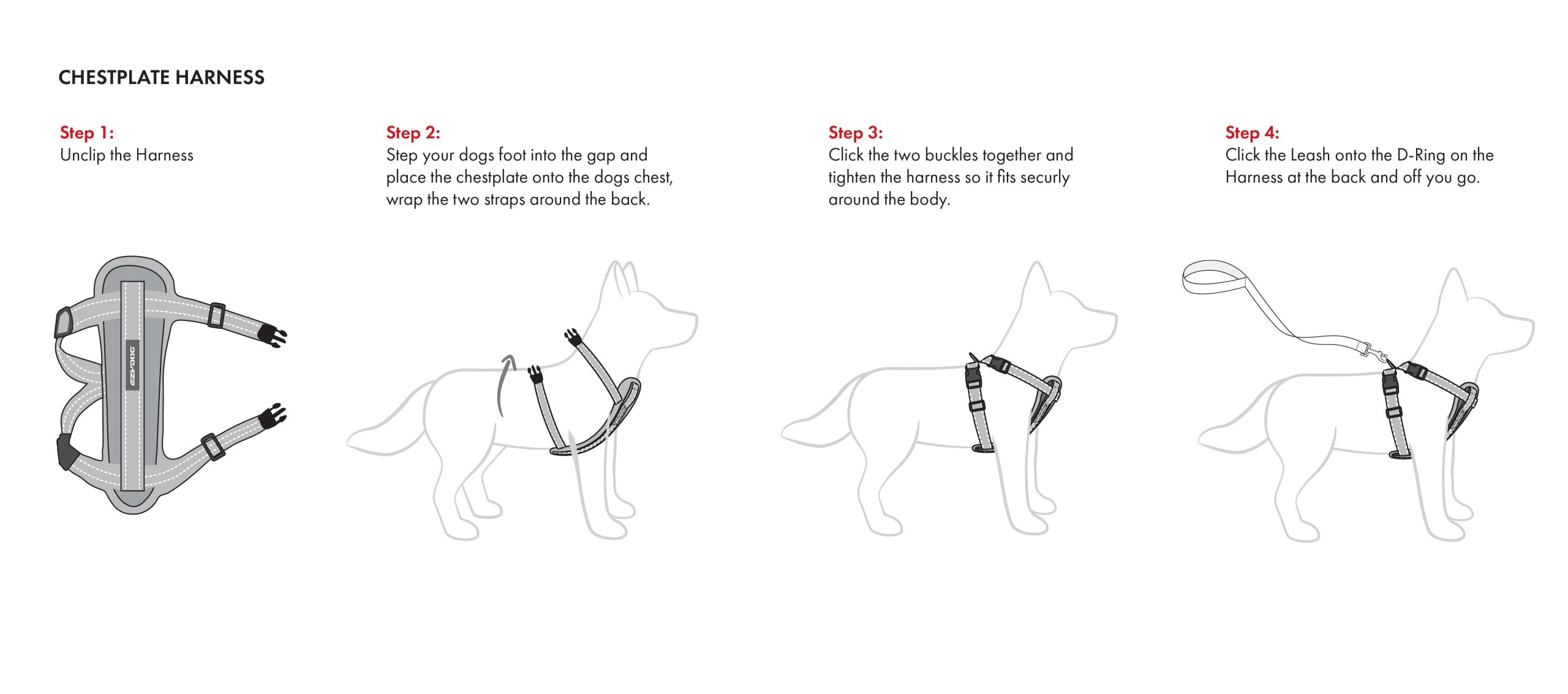
Ensure the harness is untangled and identify the neck loop. Slip it over your dog’s head. Adjust the straps snugly but comfortably around the chest and belly. Check for tightness with two fingers. Secure the buckles to keep your dog safe on adventures.
Securing the harness on your dog is a crucial step that ensures both safety and comfort during your walks. A properly secured harness not only prevents your furry friend from slipping out but also avoids putting unnecessary pressure on their neck. The process might seem daunting at first, but with a few simple adjustments, you can make it a breeze. Imagine the peace of mind knowing your dog is both secure and comfortable. Let’s dive into the essentials of securing a harness effectively.Adjusting Straps
Before securing the harness, adjust the straps to fit your dog snugly. The harness should be tight enough to prevent slipping but loose enough to allow two fingers to fit between the strap and your dog’s body. Start by loosening all the straps. Place the harness over your dog, ensuring that the D-ring for the leash is on the back. Gradually tighten each strap, constantly checking the fit with your fingers. A well-adjusted harness will stay in place even when your dog pulls or plays.Ensuring Comfort
Comfort is key for a happy walk. Once the straps are adjusted, observe your dog’s behavior. Are they showing signs of irritation, such as scratching or excessive licking? If so, it might be too tight or rubbing in uncomfortable spots. Adjust the straps accordingly and look for any red marks on their skin. Consider trying a different style if the harness still causes discomfort. Remember, a comfortable dog is more likely to enjoy walks and exercise. Wouldn’t you want your walks to be as enjoyable for your dog as they are for you?Checking Fit And Comfort
Ensuring the harness fits snugly is key for your dog’s comfort. Adjust straps so they don’t pinch or rub. Check if you can slide two fingers under the straps for a perfect fit.
Checking Fit and Comfort Ensuring your dog’s harness fits well is crucial for their safety. A poorly fitted harness can cause discomfort or even injuries. Begin by checking the straps. They should be snug but not tight. You should be able to fit two fingers between the harness and your dog’s skin. This ensures the harness is neither too loose nor too tight. Look for any signs of rubbing or chafing. These indicate the harness may be too tight or improperly adjusted.Testing Movement
Observe your dog’s movements with the harness on. Check if they can walk, run, and jump comfortably. The harness should not restrict their natural movements. If your dog seems hesitant or struggles, the fit might need adjustment. Watch for any signs of discomfort or irritation. These might include frequent scratching or licking around the harness area.Adjusting As Necessary
If the harness seems tight or loose, make adjustments. Most harnesses have adjustable straps. Use these to achieve a secure fit. Ensure the buckles and clips are correctly fastened. A well-fitted harness should stay in place without slipping. Regularly check the fit as your dog grows or changes weight. Adjust the harness to maintain comfort and safety.
Credit: edog.co.nz
Training Your Dog To Wear A Harness
Training a dog to wear a harness can be simple. Start by letting your dog sniff the harness. Gently place it over their head, offering treats for encouragement. Secure the harness, ensuring it’s snug but comfortable.
Training your dog to wear a harness can be a rewarding experience. It requires patience and understanding. A harness provides more control and comfort for your pet. But some dogs may resist wearing it. They need time to adjust to the new feeling. Introduce the harness slowly. Use positive reinforcement to make the process enjoyable.Positive Reinforcement Techniques
Reward your dog with treats when they see the harness. This helps them associate it with something positive. Praise them when they show interest in the harness. Keep your tone calm and encouraging. Use their favorite treats to maintain their interest.- Offer a treat when your dog sniffs the harness.
- Let them wear it for a few seconds, then reward them.
- Increase the time they wear it, giving treats often.
Gradual Introduction
Start by letting your dog see the harness. Let them sniff and examine it. Place the harness on their back without fastening it. Reward them with a treat. Next, fasten it for a short time. Gradually increase the duration.- Allow your dog to explore the harness on their own.
- Put it on without fastening, then praise them.
- Secure it briefly, increasing the time each day.
Troubleshooting Common Issues
Putting a harness on a dog can be tricky. Ensure the harness is correctly sized to avoid discomfort. Familiarize yourself with the harness design to easily identify the front and back sections.
Putting a harness on a dog can sometimes present challenges. Not all dogs take to a harness easily. Some may resist or experience discomfort. Identifying and solving these issues ensures a smooth process. Below, we explore common problems and their solutions.Dealing With Resistance
Dogs may resist wearing a harness. It’s often due to unfamiliarity or discomfort. Start by introducing the harness slowly. Allow your dog to sniff and inspect it. This builds familiarity and reduces anxiety. Positive reinforcement helps. Reward your dog with treats when they show interest in the harness. Gradually increase the duration they wear it indoors. Praise and treats reinforce good behavior. If your dog continues to resist, inspect the fit. A harness that’s too tight or too loose can cause discomfort. Adjust it for a snug fit. A snug fit allows movement without pressure. Ensure the harness doesn’t restrict breathing or movement. A comfortable harness boosts confidence and reduces resistance.Checking For Chafing
Chafing is a common issue with harnesses. It can irritate your dog’s skin. Regularly check your dog’s skin for redness or irritation. Areas around the neck, chest, and underarms are prone to chafing. Adjust the harness to prevent rubbing. A well-fitted harness minimizes movement and friction. Choose a harness made of soft material. Soft materials are gentle on the skin. If chafing persists, consider a different harness style. Some designs distribute pressure evenly, reducing skin irritation. Keep your dog’s coat clean and brushed. Dirt and knots can increase friction. Regular grooming helps maintain skin health. A comfortable dog enjoys walks more, enhancing the bonding experience.
Credit: ezydog.co.uk
Frequently Asked Questions
How Do I Choose The Right Harness Size?
Choosing the right harness size is crucial for comfort and safety. Measure your dog’s chest and neck, then compare it with the manufacturer’s sizing chart. Ensure the harness fits snugly but is not too tight. You should be able to fit two fingers between the harness and your dog’s body.
Can A Harness Hurt My Dog?
A properly fitted harness should not hurt your dog. Ensure it is not too tight to prevent chafing. Check for any signs of discomfort or irritation after use. Adjust the harness as needed and consult with your vet if your dog shows persistent discomfort.
How Often Should I Replace A Dog Harness?
Regularly inspect the harness for wear and tear. Replace it if you notice any damage, fraying, or weakened areas. Typically, a harness should be replaced every 6 to 12 months, depending on usage. Frequent checking ensures your dog’s safety and comfort during walks.
Is A Harness Better Than A Collar?
Harnesses distribute pressure evenly across the body, reducing strain on the neck. They provide better control, especially for dogs prone to pulling. Collars can cause neck injuries in some cases. Consider your dog’s behavior and health when choosing between a harness and a collar.
Conclusion
Putting on a dog harness doesn’t have to be tricky. With practice, it becomes quick and easy. Ensure the harness fits snugly but comfortably. Check for signs of discomfort or chafing. Adjust straps if needed. Your dog will soon feel secure and happy.
Walks will be more enjoyable for both of you. Remember to praise your dog during the process. Positive reinforcement builds trust. Always keep safety in mind. A well-fitted harness protects your dog. Happy walking!

Similar Posts