Can I Brush My Dogs Teeth: Essential Tips Uncovered
Have you ever wondered about the importance of brushing your dog’s teeth? It’s easy to overlook, but just like humans, dogs need regular dental care to stay healthy and happy.
You’re probably asking yourself, “Can I brush my dog’s teeth? ” The answer is a resounding yes, and it’s easier than you might think! Imagine your furry friend with fresh breath, a healthy smile, and fewer vet visits. By the end of this article, you’ll discover not only how to brush your dog’s teeth, but also why it can be a game-changer for their well-being.
Keep reading to unlock the secrets to a healthier, happier pup that everyone will notice!

Credit: www.instagram.com
Importance Of Dental Care For Dogs
Brushing your dog’s teeth is vital to prevent plaque and tartar buildup. Healthy gums and teeth support overall well-being. Regular dental care can also help avoid expensive vet bills in the future.
Dental care is as crucial for dogs as it is for humans. Neglecting your dog’s dental hygiene can lead to serious health issues. Regular brushing of your dog’s teeth is a simple yet effective way to maintain their overall health and happiness.Understanding The Risks Of Poor Dental Hygiene
Ignoring your dog’s dental care can result in tartar buildup. This can lead to gum disease or even tooth loss. Worse, bacteria from the mouth can enter the bloodstream, affecting vital organs like the heart and kidneys.Signs Your Dog Needs Dental Attention
Does your dog have bad breath? It’s not just a nuisance; it can signal dental problems. Other signs include red or bleeding gums and difficulty eating.Benefits Of Regular Brushing
Regular brushing can prevent plaque buildup and reduce the risk of dental disease. It also keeps your dog’s breath fresh and teeth strong. Brushing can become a bonding activity that your dog enjoys over time. Not all toothbrushes and toothpaste are suitable for dogs. Opt for a soft-bristled toothbrush designed for dogs. Choose a dog-friendly toothpaste with flavors like chicken or beef that your dog will love.Making Brushing A Positive Experience
Introduce brushing gradually to your dog. Start by letting them taste the toothpaste. Then, gently brush for a few seconds, gradually increasing the time as they get comfortable. Reward them with a treat or affection after each session.Consulting Your Veterinarian
Regular vet check-ups are essential for your dog’s dental health. Vets can provide professional cleanings and advice tailored to your dog’s needs. They can also detect early signs of potential dental issues.Common Dental Problems In Dogs
Brushing your dog’s teeth helps prevent common dental issues like plaque and gum disease. Regular brushing can improve your dog’s oral health, reducing bad breath and discomfort.
Dogs, like humans, face dental issues that can affect their overall health. Many dog owners are unaware of the common dental problems their pets might encounter. Understanding these issues is crucial for maintaining your dog’s oral health and preventing serious complications.Causes Of Plaque And Tartar
Plaque forms when food particles mix with saliva and bacteria. If not removed, it hardens into tartar. Tartar can cause bad breath and gum disease. Regular brushing helps prevent plaque buildup.Gum Disease In Dogs
Gum disease starts with gingivitis, an inflammation of the gums. It can progress to periodontitis, affecting the tissues supporting the teeth. Signs include red, swollen gums and bleeding. Early detection is key to treatment.Tooth Decay And Cavities
Dogs can develop cavities due to bacteria and poor diet. Decay leads to painful infections and tooth loss. Brushing and dental check-ups reduce the risk of cavities.Broken Teeth
Chewing on hard objects can break a dog’s teeth. Fractures expose the nerve, causing pain and infection. A vet can assess and treat broken teeth.Oral Tumors
Tumors can form in a dog’s mouth, affecting their health. Early signs include lumps or growths. Regular dental exams help in early detection and treatment.Bad Breath In Dogs
Bad breath is often a sign of dental problems. It may indicate plaque, gum disease, or an infection. Proper dental care can improve your dog’s breath significantly. Understanding these common dental problems can guide you in caring for your dog’s teeth. Regular brushing, dental check-ups, and a healthy diet are essential steps. Proper dental care ensures your furry friend maintains a happy and healthy life.Choosing The Right Tools
Choosing the right tools to brush your dog’s teeth can make all the difference in their oral health routine. Using the wrong tools can lead to discomfort or ineffective cleaning, which can deter you from maintaining this essential habit. So how do you pick the perfect tools for this task?
Dog-safe Toothpaste
Did you know that human toothpaste can be harmful to dogs? It’s essential to choose toothpaste specifically formulated for pets. Dog-safe toothpaste often comes in flavors like chicken or beef, which can make brushing a more enjoyable experience for your furry friend. Look for products with enzymatic action, as they help break down plaque and reduce bacteria.
Selecting The Right Toothbrush
Not all toothbrushes are created equal, especially when it comes to canine oral care. A good dog toothbrush should have soft bristles to prevent gum irritation. You might find that a finger brush is easier to use for smaller dogs or beginners as it offers greater control. Alternatively, a double-headed brush can clean both sides of the tooth at once, making the process quicker and more efficient.
Have you ever considered using a toothbrush specially designed for pets? These brushes are tailored to fit the contours of your dog’s mouth, ensuring a thorough clean. Remember, the right brush can make the difference between a successful tooth-brushing session and a struggle.
Credit: www.fetchpet.com
Step-by-step Brushing Technique
Brushing your dog’s teeth might seem like a daunting task, but with a simple step-by-step technique, it can become a routine part of their care. Just like humans, dogs need regular dental care to keep their teeth healthy and prevent gum disease. You might wonder how to start or if your dog will cooperate. Fear not, with the right approach, you can turn this into a bonding experience.
Preparing Your Dog
Start by getting your dog comfortable with the idea of having their mouth touched. Gently lift their lips and massage their gums with your finger. Try doing this several times a day until they are accustomed to the sensation.
Gather your supplies: a dog-friendly toothbrush, toothpaste, and a towel. Dog toothpaste comes in flavors like chicken or peanut butter, which can make the experience more enjoyable for them.
Choose a quiet time when your dog is calm. Avoid times when they are overly excited or tired, as they might be less cooperative.
Proper Brushing Method
Once your dog is prepared, begin by applying a small amount of toothpaste to the brush. Let them taste it to build interest.
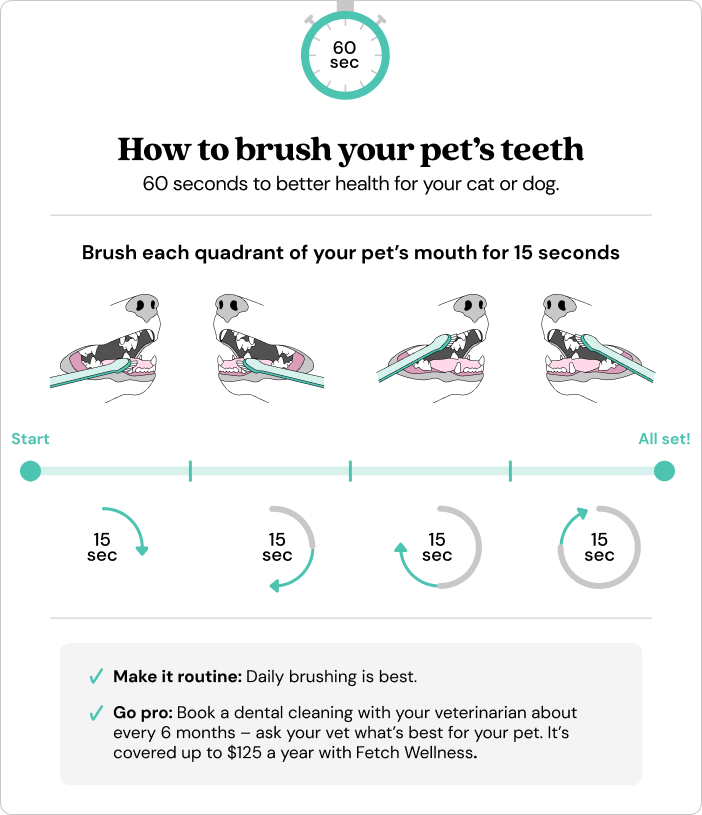
Hold the brush at a 45-degree angle to the teeth. Use gentle circular motions to clean the outer surfaces of the teeth. Focus on the gum line, as this is where plaque builds up.
Be patient and keep the sessions short initially. Gradually increase the duration as your dog becomes more comfortable. Praise them throughout to reinforce positive behavior.
Have you ever wondered what your dog thinks while you’re brushing their teeth? Consider how you can make the experience more enjoyable for them. A positive approach can transform dental care into a cherished routine, enhancing their overall health and happiness.
Frequency And Routine
Establishing a routine for brushing your dog’s teeth is essential for their dental health. Aim to brush them two to three times a week. Use dog-specific toothpaste and a soft brush to ensure comfort and effectiveness.
Brushing your dog’s teeth is crucial for their health. Regular brushing prevents plaque buildup and dental issues. Establishing a consistent routine is essential. It helps maintain oral hygiene and strengthens your bond with your dog.How Often To Brush
Most veterinarians recommend brushing your dog’s teeth daily. Daily brushing effectively removes plaque and reduces tartar buildup. If daily brushing seems too much, aim for a few times a week. This frequency helps keep your dog’s mouth healthy.Establishing A Routine
Creating a brushing routine makes the process easier. Choose a quiet time when your dog is calm. Start by letting them sniff the toothbrush and paste. Gradually increase brushing time as they get comfortable. Use positive reinforcement. Give treats or praise after brushing. Consistency is key to building a successful routine.Alternative Dental Care Options
Can I Brush My Dog’s Teeth Brushing your dog’s teeth is a simple way to maintain their oral health. Regular brushing can prevent plaque buildup and bad breath. Use a toothbrush and toothpaste made for dogs to ensure safety and effectiveness.
Caring for your dog’s dental health is crucial, but brushing their teeth can sometimes feel like a daunting task. Fortunately, there are several alternative dental care options that can help maintain your dog’s oral hygiene. By exploring these options, you can ensure your furry friend has a healthy mouth without the stress of daily brushing.Dental Treats And Chews
Dental treats and chews are a popular choice for maintaining your dog’s dental health. These products are designed to clean your dog’s teeth as they chew, reducing plaque and tartar buildup. Many brands offer treats with special textures or ingredients aimed at promoting dental health. Next time you visit the pet store, consider picking up dental chews that your dog will enjoy. Not only do they promote oral hygiene, but they also provide a fun and rewarding experience for your pet. Remember, though, to choose the right size and type for your dog’s breed and chewing habits.Professional Dental Cleaning
Professional dental cleaning is another effective way to ensure your dog’s teeth are in top condition. Veterinarians can perform thorough cleanings that reach areas a toothbrush might miss. This procedure is typically done under anesthesia for your dog’s comfort and safety. Regular professional cleanings can prevent serious dental issues and are a worthy investment in your dog’s overall health. Discuss with your vet how often your dog might need these cleanings, as frequency can vary based on your dog’s age, breed, and dental history. Could professional dental cleaning be the missing piece in your pet’s healthcare routine?Tips For Successful Dog Teeth Brushing
Brushing your dog’s teeth is important for their dental health. It prevents plaque and tartar buildup. With patience and the right approach, you can make it a positive experience.
Keeping Your Dog Calm
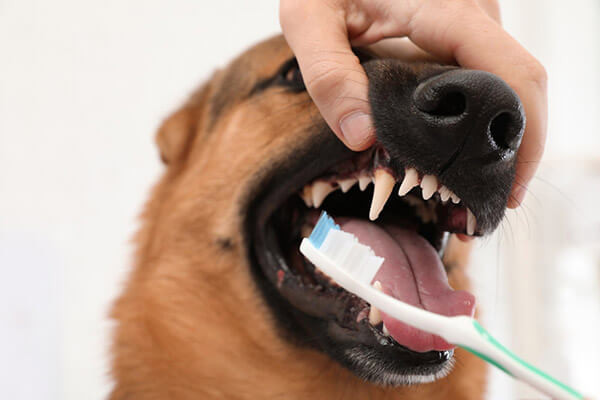
A calm dog is easier to work with. Choose a quiet place for brushing. Avoid distractions like loud noises or other pets. Gently hold your dog’s muzzle. Speak softly to them. Let them sniff the toothbrush and toothpaste. This helps them feel comfortable.
Positive Reinforcement
Reward your dog for good behavior. Use treats or praise. Start with short brushing sessions. Gradually increase the time as they get used to it. Consistency is key. Brush their teeth at the same time each day. Make it a fun routine.
Credit: www.scottsdaleveterinaryclinic.com
Signs Of Dental Issues
Recognizing signs of dental issues in your dog is crucial for maintaining their overall health. Dental problems can lead to pain, infection, and even affect other body systems if left untreated. Being observant and proactive can prevent serious complications down the line.
Symptoms To Watch For
Keep an eye out for changes in your dog’s behavior or physical appearance that might indicate dental issues:
- Bad breath:Persistent bad breath can be a sign of dental disease or infection.
- Red or bleeding gums:Gums that bleed easily or appear red and swollen could indicate gingivitis.
- Difficulty eating:If your dog is dropping food or avoiding harder treats, they might be experiencing pain.
- Excessive drooling:Increased drooling can be a symptom of oral discomfort.
- Pawing at the mouth:Frequent pawing or rubbing their face might signal dental pain.
When To Consult A Vet
If you notice any of the symptoms mentioned, it’s wise to consult a veterinarian. They can provide a thorough examination and recommend appropriate treatment.
- Persistent symptoms:If symptoms persist for more than a few days, seek veterinary advice.
- Unusual behavior:Any sudden change in your dog’s behavior could be linked to dental issues.
- Visible tooth damage:Broken or discolored teeth warrant a vet visit.
Regular dental check-ups can catch problems early. It’s better to address small issues before they develop into major concerns. Is your dog’s dental health on your radar?
Frequently Asked Questions
How Often Should I Brush My Dog’s Teeth?
Brushing your dog’s teeth daily is ideal for optimal oral health. If daily brushing isn’t possible, aim for at least three times a week. Regular brushing helps remove plaque, prevent tartar buildup, and reduce the risk of periodontal disease. Consistency is key to maintaining your dog’s dental hygiene.
What Tools Do I Need For Brushing?
You’ll need a dog-specific toothbrush and toothpaste. Human toothpaste can be harmful to dogs. Choose a toothbrush that’s comfortable for your dog’s size. Finger brushes or soft-bristled brushes are good options. Dog toothpaste often comes in flavors your dog may enjoy, making brushing easier.
Can I Use Human Toothpaste On My Dog?
No, human toothpaste is not safe for dogs. It often contains xylitol, which is toxic to them. Always use dog-specific toothpaste. These are formulated to be safe if swallowed and come in flavors dogs like. Using the right products ensures your dog’s safety and makes brushing more effective.
What If My Dog Resists Tooth Brushing?
Start slowly and be patient with your dog. Let them get used to the toothbrush and toothpaste. Reward them with treats and praise for positive behavior. Gradually increase the brushing time as they become more comfortable. Consistency and positive reinforcement are key to overcoming resistance.
Conclusion
Brushing your dog’s teeth keeps them healthy and happy. It prevents plaque and bad breath. Start slowly and use dog-friendly toothpaste. Make it a fun routine with treats and praise. Regular vet check-ups are crucial too. Good dental care avoids costly treatments.
Plus, it prolongs your dog’s life. Remember, your pet’s smile is worth it. A little effort goes a long way. Your furry friend deserves the best care. Happy brushing!