How Do I Become a Dog Groomer: A Step-by-Step Guide
Senior Canine Nutritionist & Dog Behavior Specialist at Cozy Dog Go Wellness Lab

Are you passionate about dogs and looking for a career that lets you work with them every day? Becoming a dog groomer might be the perfect path for you.
Imagine turning your love for pets into a fulfilling job that not only keeps dogs looking their best but also contributes to their overall health and happiness. Whether you already have some grooming skills or are starting from scratch, this guide will walk you through the steps to become a professional dog groomer.
You’ll learn what it takes, the skills you need, and how to make your mark in the pet care industry. Stick around to discover how you can turn your passion into a rewarding career that makes tails wag with joy!
Understanding Dog Grooming
Dreaming of becoming a dog groomer? Start by learning about different breeds and their grooming needs. Next, enroll in a grooming course to gain hands-on experience and certification.
Understanding dog grooming is essential for anyone entering this field. Dog grooming involves more than just a trim or bath. It ensures a dog’s health and happiness. Grooming helps prevent skin conditions and other health issues.What Is Dog Grooming?
Dog grooming involves maintaining a dog’s cleanliness and appearance. It includes bathing, brushing, and trimming fur. Groomers also clean ears and trim nails. Each breed has specific grooming needs. Understanding these needs is crucial.Benefits Of Dog Grooming
Regular grooming offers many benefits for dogs. It keeps their coat healthy and shiny. Grooming also reduces shedding and prevents matting. Regular checks can identify skin issues early. It improves a dog’s comfort and quality of life.Tools Used In Dog Grooming
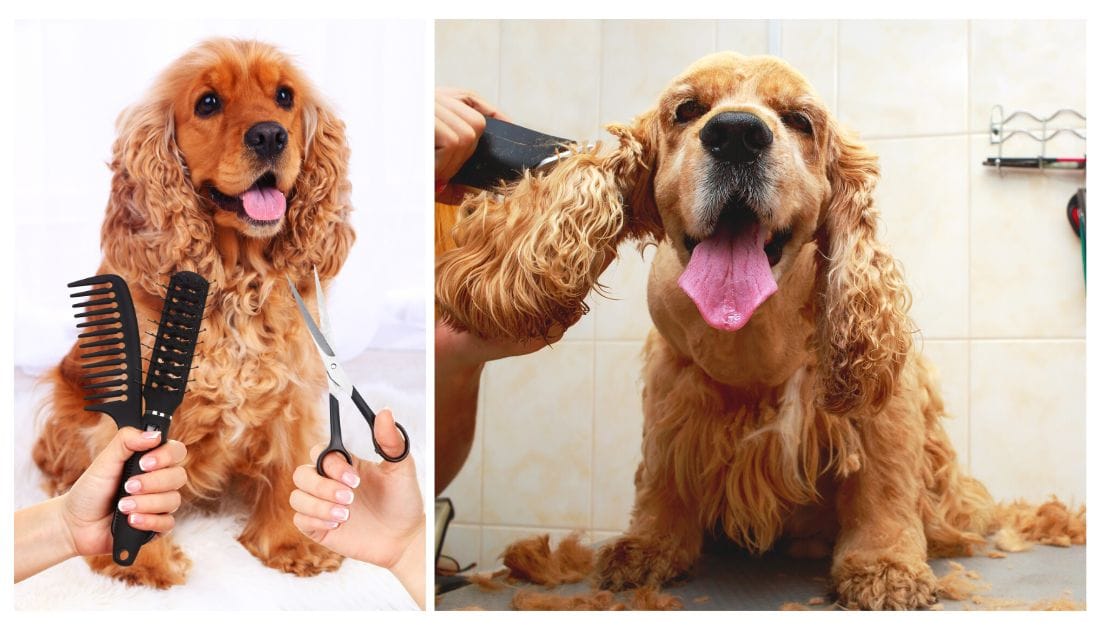
Many tools are essential in dog grooming. Brushes and combs are basic tools. Clippers and scissors are needed for trimming. Nail clippers help maintain paw health. Ear cleaners and shampoos are also important. Each tool serves a specific purpose. Proper use of tools ensures effective grooming.Skills Required For Dog Grooming
Dog groomers need several skills to succeed. Patience is key when handling dogs. Good communication helps in understanding client needs. Attention to detail is crucial for precise grooming. Physical stamina is needed for long grooming sessions. A love for animals is a must.Different Styles And Techniques
Each dog breed may require different grooming styles. Techniques vary based on fur type and length. Some breeds need regular trims, others need special cuts. Knowing these styles ensures proper grooming. Keeping up with trends is also important. It helps in meeting client expectations.Skills Required
Developing skills in dog grooming requires patience, attention to detail, and a love for animals. Training includes learning about canine anatomy, hygiene, and the use of grooming tools. Good communication and customer service skills are essential for interacting with pet owners effectively.
To become a successful dog groomer, mastering specific skills is essential. Your ability to handle different breeds and mastering grooming techniques will set you apart in this competitive field.Handling Different Breeds
Each dog breed has unique characteristics that affect grooming. Understanding these traits helps in delivering personalized care. For instance, some breeds like the Poodle require regular trimming, while others like the Labrador Retriever may need more attention to shedding. You need to be patient and adaptable. Dogs react differently to grooming, and knowing how to calm an anxious Chihuahua or a boisterous Boxer can make the process smoother for both you and the pet. Consider volunteering at local shelters to gain experience with various breeds. It’s a great way to learn and practice how to handle different dogs in a real-world setting. This exposure will make you more confident and versatile as a groomer.Mastering Grooming Techniques
Precision is key in dog grooming. Each cut or trim should enhance the dog’s appearance while ensuring their comfort. You need to master techniques such as clipping, scissoring, and even hand-stripping for certain breeds. Invest in quality tools. Sharp scissors and efficient clippers are not just conveniences—they are necessities for achieving professional results. Poor tools can lead to uneven cuts and discomfort for the dog. Continuous learning is crucial. Attend workshops, watch online tutorials, and seek mentorship from experienced groomers. These avenues provide insights into advanced techniques and trends in grooming, keeping your skills sharp and up-to-date. What unique skills do you think will make you stand out as a dog groomer?Educational Pathways
Exploring educational pathways to become a dog groomer begins with enrolling in grooming courses or workshops. Gaining hands-on experience through apprenticeships enhances skills and understanding of grooming techniques.
Embarking on a career as a dog groomer is an exciting journey. It combines creativity, precision, and a genuine love for animals. But how do you get started? The path to becoming a skilled dog groomer often involves multiple educational routes. From formal certification courses to hands-on experience, each step plays a crucial role in shaping your expertise and success in this rewarding field.Certification Courses
Enrolling in a certification course is a popular choice for aspiring dog groomers. These courses provide structured learning and cover essential topics such as dog anatomy, grooming techniques, and breed-specific styles. They can be found at community colleges, vocational schools, or even online platforms. Completing a certification course not only equips you with knowledge but also boosts your credibility. Many employers prefer certified groomers, and clients trust professionals who have undergone formal training. Certification can be your stepping stone to a thriving grooming career.On-the-job Training
Another valuable educational pathway is on-the-job training. This approach allows you to learn directly from experienced groomers in a real-world setting. It’s an opportunity to observe, practice, and refine your skills under the guidance of seasoned professionals. Starting as an apprentice or an assistant in a grooming salon can provide you with invaluable hands-on experience. You’ll encounter different dog breeds, temperaments, and grooming challenges, all of which enhance your learning. Plus, this path often leads to job offers and networking opportunities in the industry. Have you ever considered which educational pathway suits your learning style best? Whether you opt for certification courses or dive into the practical world of on-the-job training, remember that each step brings you closer to becoming a proficient dog groomer.
Credit: petstylistacademy.com.au
Necessary Equipment
Invest in quality dog grooming tools like clippers, scissors, and brushes. A sturdy grooming table and pet-safe shampoo are essential.
Becoming a dog groomer is an exciting journey filled with wagging tails and fluffy fur, but it requires more than just a love for pets. You’ll need the right equipment to ensure the best grooming experience for both you and the dog. From basic tools to advanced equipment, each piece plays a crucial role in transforming a shaggy pooch into a clean and comfortable companion.Basic Tools
Equipping yourself with the fundamental tools is the first step towards a successful grooming career. A pair of quality scissors is indispensable for trimming fur and achieving precise cuts. Clippers come next, offering various blade sizes to handle different breeds and hair types. Investing in a sturdy grooming table will save your back and keep the dog secure during grooming. Don’t forget a brush and comb to detangle knots and remove loose hair. These tools form the backbone of your grooming kit, making each session efficient and enjoyable.Advanced Equipment
As you grow in your grooming skills, incorporating advanced equipment can elevate your service. A high-velocity dryer helps reduce drying time, especially for thick-coated breeds, ensuring comfort for the dog and efficiency for you. Consider getting specialty shears for more intricate styling and finishing touches. A dog bathing system can streamline the washing process, providing consistent water pressure and temperature. Finally, a grooming vacuum can help maintain a clean workspace by swiftly removing hair and debris. Each advanced tool not only enhances your ability to groom but also improves the overall experience for your furry clients. Are you ready to transform a dog’s grooming from a routine task into an art form? Embrace the challenge, invest in quality equipment, and watch your skills shine!Building Experience
Gaining hands-on experience is crucial for becoming a dog groomer. Volunteer at local shelters or pet salons to learn essential skills. Practice grooming techniques on different breeds to build confidence and expertise.
Building experience is key for aspiring dog groomers. Practical skills set you apart. Hands-on learning is invaluable. It prepares you for real-world scenarios. Two effective ways to gain experience are internships and volunteer opportunities.Internships
Internships offer structured learning environments. They provide exposure to various grooming tasks. You’ll learn bathing, clipping, and styling. Internships often come with mentorship. Experienced groomers guide you. They share tips and techniques. You gain confidence and skills. Networking is another benefit. You meet professionals in the field. This can lead to job opportunities. Internships are a stepping stone. They prepare you for a grooming career.Volunteer Opportunities
Volunteering is a great way to build experience. Animal shelters often need help. They welcome volunteers for grooming tasks. This helps animals and builds your skills. You work with different dog breeds. Each has unique grooming needs. This experience is valuable. It teaches adaptability and problem-solving. Volunteering also shows commitment. It reflects your passion for animal care. Both internships and volunteering boost your resume. They demonstrate hands-on experience. This makes you a strong candidate for grooming jobs.
Credit: www.pdga.online
Starting Your Business
Dream of becoming a dog groomer? Start by learning grooming techniques and gaining hands-on experience with pets. Consider enrolling in a training program to enhance your skills and build a client base.
Starting a dog grooming business can be an exciting venture. It offers the chance to work with animals and be your own boss. Having the right setup and marketing plan is key to success. Let’s explore how to get started.Setting Up Shop
Choosing the right location is crucial. Look for areas with high foot traffic. Consider places near pet supply stores or veterinary clinics. Ensure the space is welcoming and clean. Invest in quality grooming tools and equipment. Comfortable waiting areas for clients can enhance their experience. Make sure you comply with local business regulations.Marketing Strategies
Effective marketing attracts more clients. Create a simple, attractive website. Include your services, prices, and contact information. Use social media to showcase your work. Share before-and-after pictures of groomed pets. Offer promotions to new customers. Partner with local pet stores to cross-promote services. Distribute flyers in your community. Collect reviews from satisfied clients and display them on your website.Legal And Safety Considerations
Becoming a dog groomer involves more than just learning the art of grooming. Legal and safety considerations are crucial to ensure a professional and safe environment. Understanding these factors protects both the groomer and the pets.
Licensing Requirements
Licensing varies by location. Some states require specific certifications. Research local regulations to ensure compliance. This might include attending accredited courses or passing exams.
Licenses often need renewal. Keep track of expiration dates. Staying updated on laws is important. It ensures continued operation without legal issues.
Health And Safety Protocols
Safety protocols protect animals and groomers. Establish a clean workspace. Use disinfectants on tools and surfaces. This prevents spread of disease.
Use proper equipment to avoid injuries. Clippers and scissors must be maintained. Ensure they are sharp and functional. Regular checks are vital.
Understand animal behavior. Some pets may react unpredictably. Training in animal handling is beneficial. It reduces accidents and stress for pets.

Credit: www.youtube.com
Continuing Education
Becoming a dog groomer requires specialized training and certification. Enroll in accredited courses to learn grooming techniques and pet care. Practical experience and hands-on training enhance skills in handling different dog breeds.
Continuing education is vital for dog groomers seeking to excel in their field. It opens doors to new techniques and keeps skills sharp. Learning never stops, even after certification. Groomers must stay informed about advancements to maintain high standards. This section explores ways to enhance grooming knowledge.Advanced Workshops
Participate in advanced workshops. They offer hands-on experience with new tools. Interact with experts and learn innovative grooming methods. These workshops often cover specialized topics. Get training in breed-specific grooming styles. Improve your styling techniques through real-life demonstrations. Workshops foster networking with fellow groomers. Share experiences and gain insights from industry peers.Staying Updated With Trends
Keep track of industry trends. Follow grooming blogs and subscribe to newsletters. These resources provide updates on the latest styles. Attend grooming expos and trade shows. They showcase new products and techniques. Explore social media groups dedicated to grooming. Engage in discussions and share knowledge. Stay informed about evolving grooming practices. Adapt to trends for client satisfaction and business growth.Frequently Asked Questions
What Qualifications Do I Need To Groom Dogs?
To become a dog groomer, you typically need a high school diploma. Training programs or apprenticeships can enhance your skills. Certification is optional but recommended for credibility. Practical experience is crucial for mastering grooming techniques and understanding dog behavior.
How Long Does It Take To Become A Groomer?
Becoming a dog groomer usually takes several months to a year. Training programs vary in duration, often lasting weeks or months. Gaining hands-on experience is essential. Continuous learning through workshops can further enhance your expertise and career prospects.
Are Online Grooming Courses Effective?
Online grooming courses can be effective for learning theory. They provide flexibility and convenience for busy schedules. However, hands-on practice is vital for skill development. Combining online learning with practical training offers a comprehensive approach to becoming a proficient groomer.
What Tools Do Dog Groomers Use?
Dog groomers use various tools, including clippers, scissors, and brushes. Each tool serves a specific purpose in grooming. They ensure dogs are clean, well-trimmed, and comfortable. Proper maintenance of tools is crucial for effective grooming and the safety of dogs.
Conclusion
Becoming a dog groomer is a rewarding journey. Start with training courses. Gain hands-on experience by working with professionals. Practice makes perfect. Build your skills and confidence over time. Research different grooming styles and techniques. Stay updated with industry trends.
Develop good relationships with pet owners. Their trust is vital. Create a clean, safe environment for pets. Your passion and dedication will guide you. Remember, every pet is unique. Patience and care make the difference. With time and effort, you’ll succeed.
Embrace the joy of grooming. Enjoy every wagging tail and happy client. Your future in dog grooming awaits!

Similar Posts