How to Groom a Dog at Home: Easy DIY Tips
Senior Canine Nutritionist & Dog Behavior Specialist at Cozy Dog Go Wellness Lab
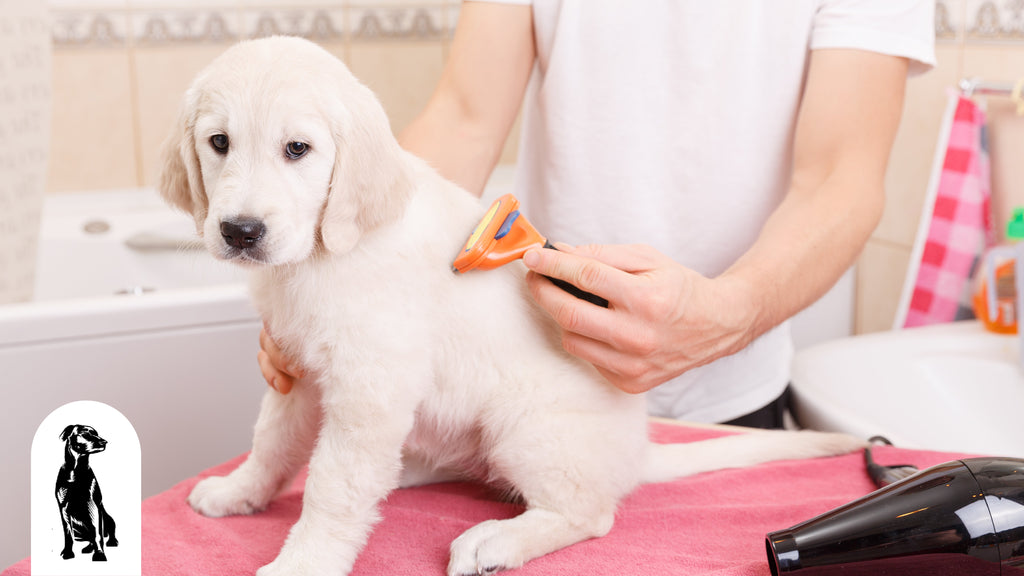
Imagine this: your beloved furry friend looking and feeling their best, right from the comfort of your own home. Grooming your dog at home doesn’t have to be a daunting task.
In fact, it can be a rewarding experience for both you and your pet. You might be wondering how to get started or what tools you’ll need. Don’t worry, you’re not alone. Many pet owners are choosing to groom their dogs at home, and with the right guidance, you can do it too.
By learning to groom your dog yourself, you save money and strengthen the bond with your pet. Plus, you can tailor the grooming process to fit your dog’s specific needs and preferences. You’ll notice how your dog’s coat shines and how they wag their tail with delight. This article will guide you through the essentials of dog grooming at home, ensuring you have all the tips and tricks to make the process smooth and enjoyable. Ready to transform your grooming routine into something more personal and effective? Let’s dive in!
Credit: tryfurgo.com
Nail Trimming Basics
Grooming your dog at home can be a rewarding experience, especially when it comes to nail trimming. Keeping your dog’s nails well-trimmed is essential for their health and comfort. Long nails can cause discomfort and even lead to health issues. But where do you start if you’re doing this at home for the first time? Let’s break it down together.
Tools Needed For Nail Trimming
Having the right tools makes all the difference in ensuring a safe and stress-free experience for both you and your dog.
- Nail Clippers:Choose a pair that is sharp and appropriate for your dog’s nail size. Guillotine-style or scissor-style clippers are popular choices.
- Styptic Powder:Essential for stopping any bleeding if you accidentally clip too short.
- Nail File or Grinder:A nail file can smooth out rough edges after clipping, while a grinder can be used instead of clippers for a gradual trim.
- Good Lighting:Ensure you have adequate lighting to see the nails clearly, especially if your dog has dark nails.
Step-by-step Nail Cutting
Are you ready to give it a try? Follow these steps to trim your dog’s nails safely.
- Get Comfortable:Find a comfortable position for both you and your dog. You might want to sit on the floor with your dog in your lap or at your side.
- Examine the Nails:Look for the quick, the pink part inside the nail. You should avoid cutting into this area as it can cause bleeding.
- Start Small:Trim a tiny bit of the nail at a time. This helps prevent cutting into the quick and allows you to gauge how your dog is reacting.
- Stay Calm:Keep a calm and reassuring tone. If your dog becomes anxious, take a break and try again later.
- File the Edges:Once trimmed, use a nail file or grinder to smooth out any rough edges to prevent snagging.
Have you ever noticed how your dog reacts to nail trimming? Some dogs may be more sensitive than others, requiring a bit more patience and encouragement. Remember, practice makes perfect, and with time, you’ll both become more comfortable with the process. Happy grooming!
Ear And Eye Cleaning
Regular ear and eye cleaning keeps dogs healthy and comfortable. Use a damp cloth for eyes and a gentle cleaner for ears. Check for any signs of irritation or dirt buildup.
Cleaning your dog’s ears and eyes is crucial for their health. Regular maintenance prevents infections and other issues. This task can be simple with the right techniques.Safe Cleaning Techniques
Begin with a clean cloth and dog-safe cleaning solution. Avoid using cotton swabs inside the ear canal; they can push debris further in. Gently wipe the outer ear and visible parts. For eyes, use a damp cloth to remove any discharge. Be gentle, as the area is sensitive. Reward your dog with treats for staying calm.Signs Of Infection
Watch for redness or swelling in the ears. A foul smell can indicate an ear infection. Excessive scratching or head shaking are warning signs. For eyes, look for redness, cloudiness, or excessive tearing. If your dog shows any of these signs, consult a vet promptly. Regular cleaning helps prevent these issues.Dental Care
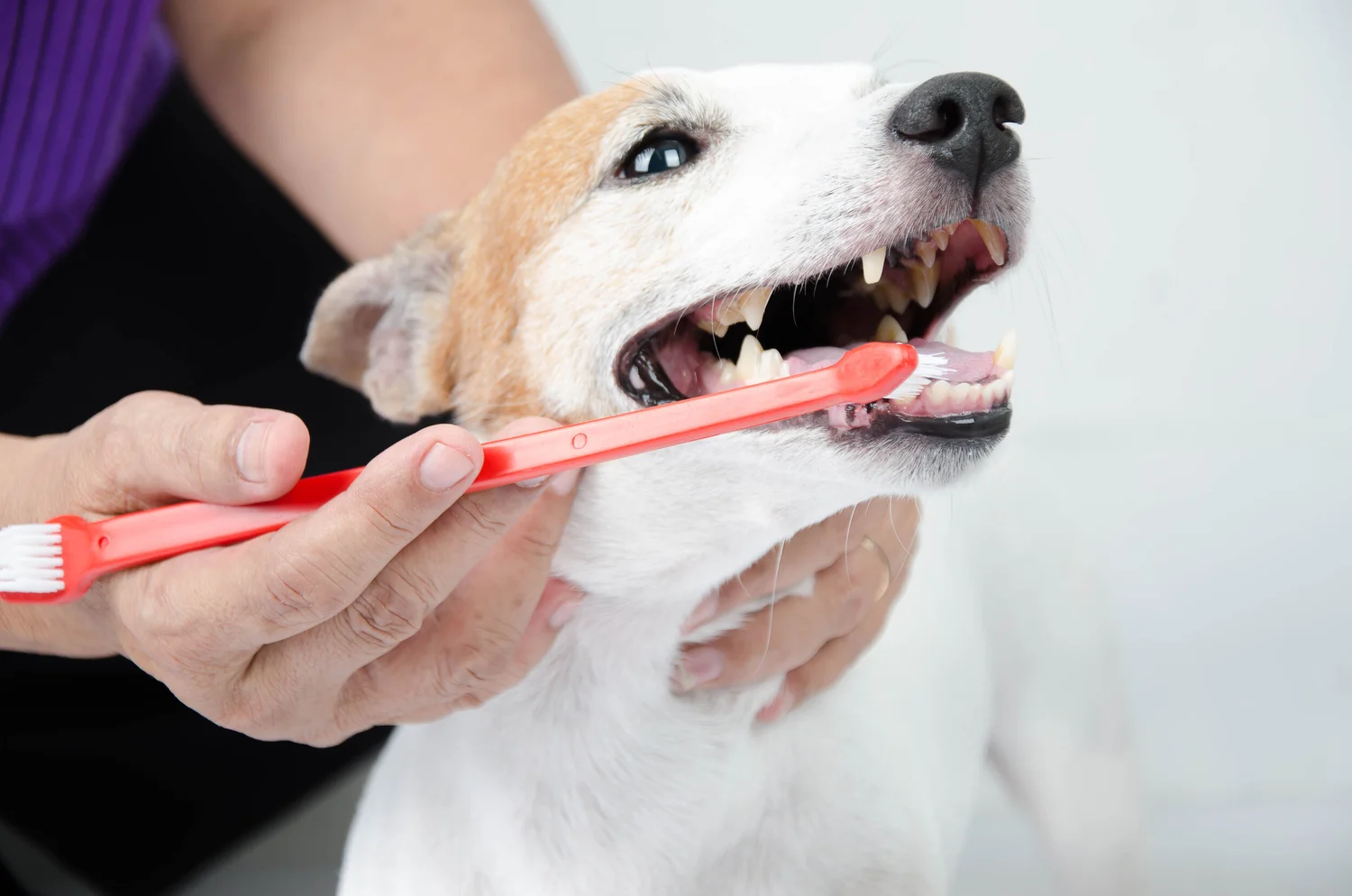
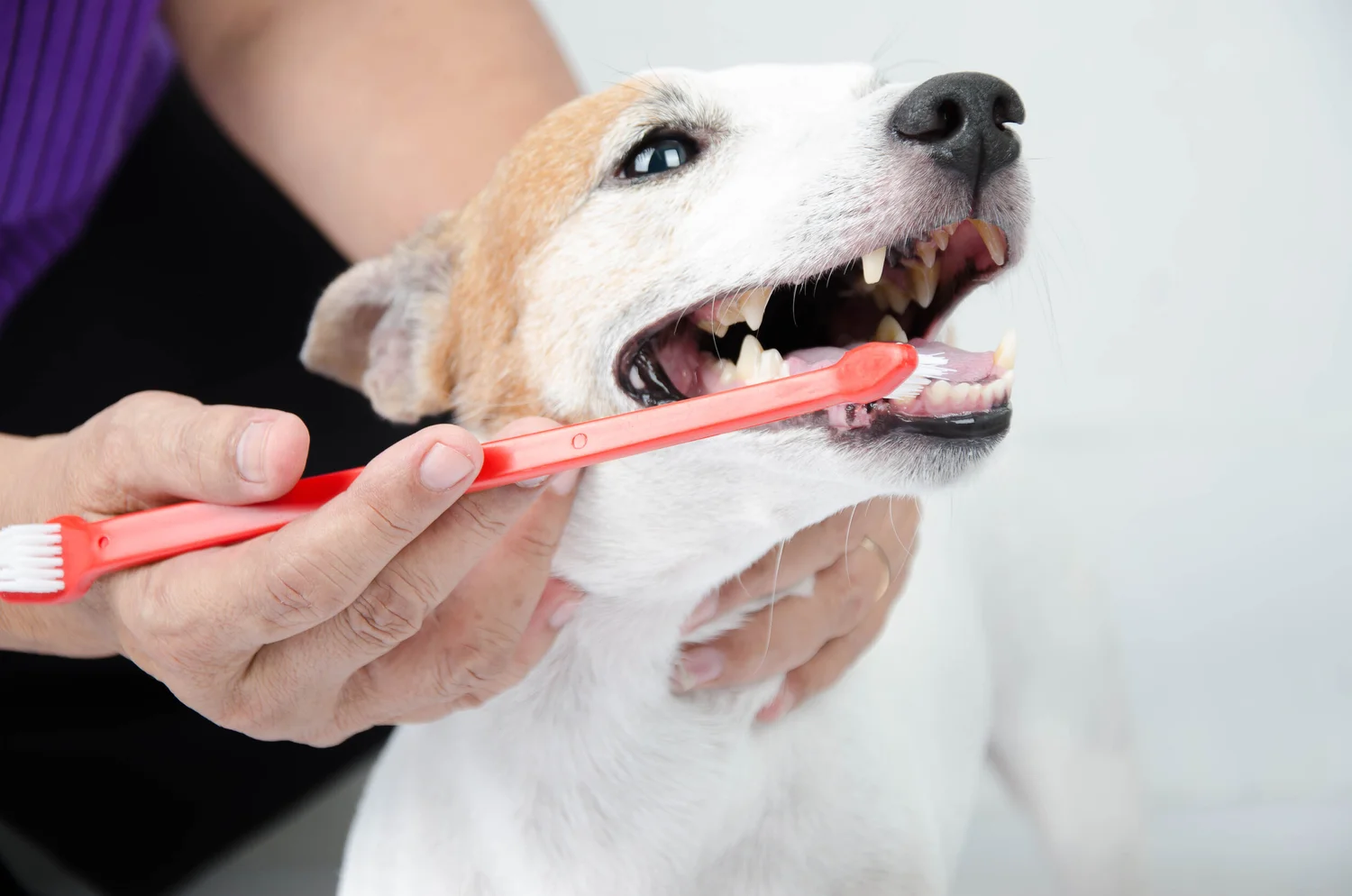
Proper dental care is essential when grooming your dog at home. Regularly brushing your dog’s teeth can prevent plaque buildup and bad breath. Use dog-safe toothpaste and a soft brush for the best results.
Dental care is crucial for your dog’s overall health. Poor oral hygiene can lead to serious health issues. Regular dental care helps prevent these problems. It keeps your dog’s mouth clean and healthy.Importance Of Oral Hygiene
Oral hygiene impacts your dog’s well-being significantly. Dental diseases can cause pain and discomfort. They can also affect other organs, leading to severe health problems. Regular oral care helps avoid plaque buildup. It reduces the risk of gum disease and tooth loss. A healthy mouth means a happy, active dog.Brushing Your Dog’s Teeth
Brushing your dog’s teeth is essential for good dental health. Use a soft-bristled toothbrush designed for dogs. Choose a pet-safe toothpaste, never use human toothpaste. Start by letting your dog taste the toothpaste. Gently lift their lip and brush in small circles. Focus on the gum line and back teeth. Aim to brush their teeth several times a week. This routine helps keep their mouth fresh and clean.Trimming And Styling
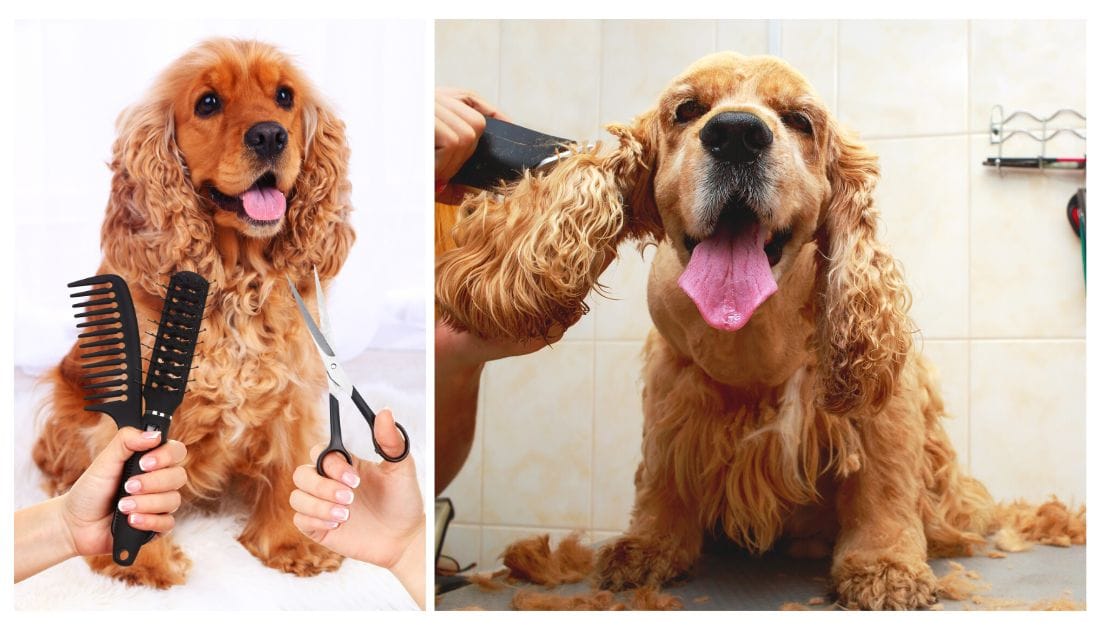
Trimming and styling a dog’s fur at home keeps them tidy and healthy. Use quality scissors or clippers for smooth cuts. Regular grooming prevents mats and keeps their coat looking its best.
Trimming and styling your dog at home can be a rewarding experience. It keeps your furry friend looking neat and tidy. With the right approach, your dog can look professionally groomed. This section will help you with tools and styling tips.Choosing The Right Tools
Selecting the right tools is essential. A good pair of grooming scissors is a must. They help in trimming fur with precision. Use clippers for dogs with thick coats. Clippers are efficient and save time. A comb or brush helps detangle the fur. Slicker brushes are great for long-haired breeds. Nail clippers are also important. They keep your dog’s nails trimmed and healthy.Simple Styling Tips
Start by brushing your dog’s coat. It removes tangles and makes trimming easier. Trim small sections to avoid mistakes. For a natural look, trim in the direction of hair growth. Pay attention to sensitive areas like the face and paws. Use thinning shears for a softer finish. They blend the fur for a professional look. Regular trimming keeps your dog comfortable and stylish.Handling Nervous Pets
Grooming a dog at home can calm nervous pets with patience and gentle handling. Use soothing tones and slow movements. Offer treats and breaks to build trust and make the process enjoyable.
Handling nervous pets during grooming sessions can be challenging. Some dogs feel anxious about unfamiliar environments or experiences. Understanding their needs is crucial for a smooth grooming process. Patience and gentle handling can make a significant difference.Calming Techniques
Create a quiet and comfortable space. Soft music can soothe anxious dogs. Speaking softly reassures them that they are safe. Use slow, gentle movements. Sudden actions can frighten them. Offer treats for positive behavior. This builds trust and comfort.Creating A Positive Experience
Allow your dog to explore grooming tools. Familiarity reduces fear and anxiety. Praise your dog regularly. Positive reinforcement encourages relaxation. Keep sessions short to avoid stress. Gradual exposure helps them acclimate. Celebrate small successes with cuddles. This fosters a sense of security. A calm approach sets the tone for future grooming sessions. With practice, grooming can become an enjoyable routine for your pet.Safety And Precautions
Ensure grooming tools are clean and safe for use. Keep the dog calm and secure during grooming. Be cautious with scissors and clippers to prevent injuries.
Grooming your dog at home is an excellent way to bond and ensure their well-being. However, prioritizing safety and understanding necessary precautions is key to making the experience pleasant for both you and your furry friend. Paying attention to small details can prevent mishaps and make grooming a rewarding routine.Avoiding Common Mistakes
Many dog owners, especially beginners, often make avoidable errors during grooming. Using the wrong tools can lead to discomfort or even injury for your dog. Invest in quality grooming supplies specifically designed for your dog’s breed and coat type. Another common mistake is rushing the process. Dogs can sense your anxiety and may become restless. Allocate ample time for grooming, allowing your pet to relax and enjoy the session. This patience pays off in building trust and a positive grooming experience.When To Seek Professional Help
While home grooming is convenient, there are instances where professional expertise is necessary. If your dog has matted fur that you can’t safely detangle, it’s best to consult a groomer. Persistent skin issues or unusual behaviors during grooming could also indicate the need for professional intervention. Consider your own comfort level and skills. If you ever feel overwhelmed or unsure, seeking professional help can prevent potential harm to your pet. Remember, professional groomers have the experience and tools to handle challenging situations safely. Do you know when your dog might need a professional touch? Understanding these cues can save you and your pet unnecessary stress.Frequently Asked Questions
How Often Should I Groom My Dog At Home?
Grooming frequency depends on your dog’s breed and coat type. Typically, dogs with longer coats need grooming every 4-6 weeks. Short-haired breeds may require grooming every 8-12 weeks. Regular brushing, however, should be done weekly to keep their coat healthy and to reduce shedding.
What Tools Do I Need For Dog Grooming?
Basic grooming tools include a brush, comb, nail clippers, and dog-specific shampoo. For long-haired breeds, a slicker brush is recommended. You may also need a grooming table or a non-slip mat. Always ensure tools are clean and appropriate for your dog’s coat type.
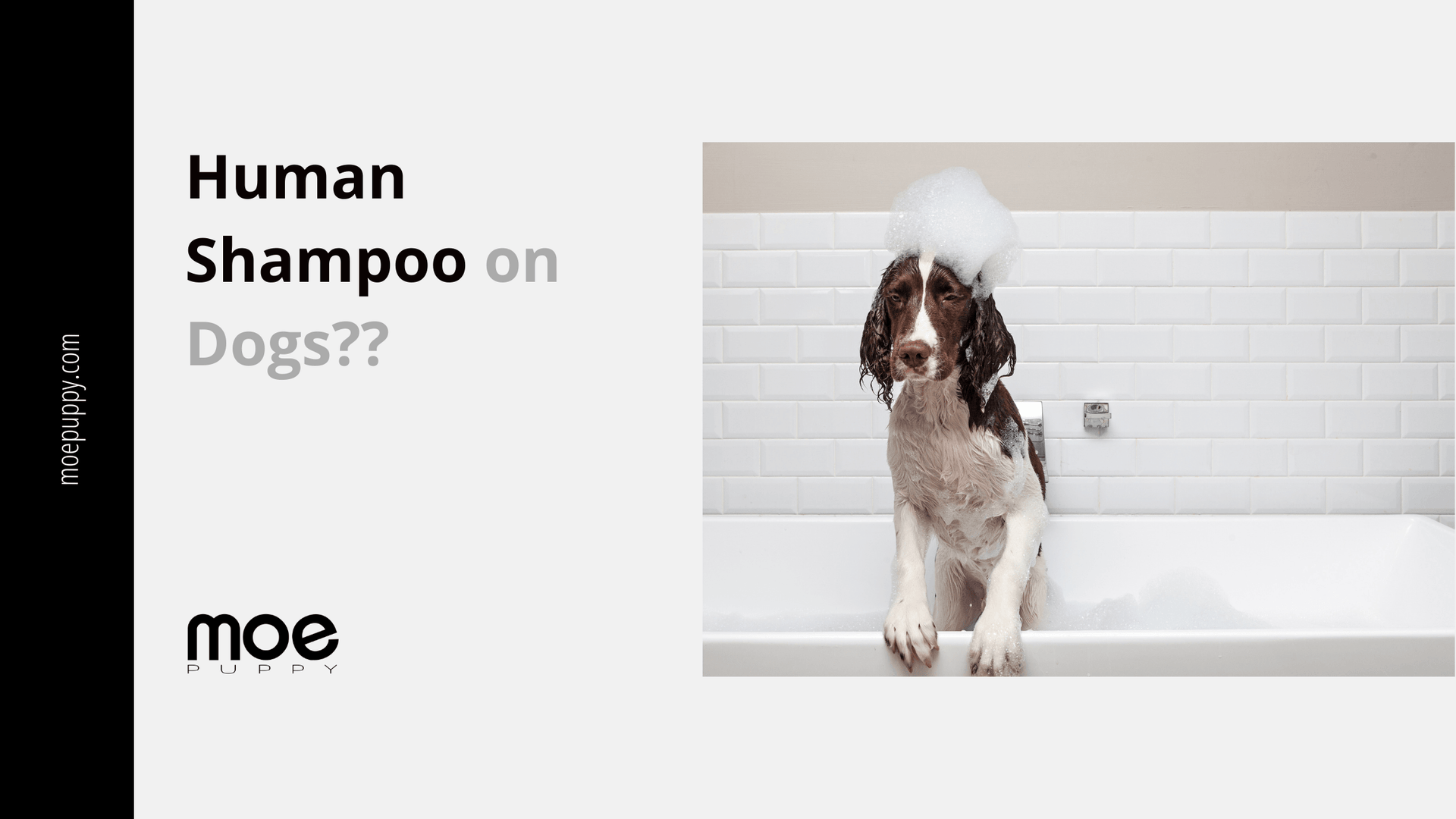
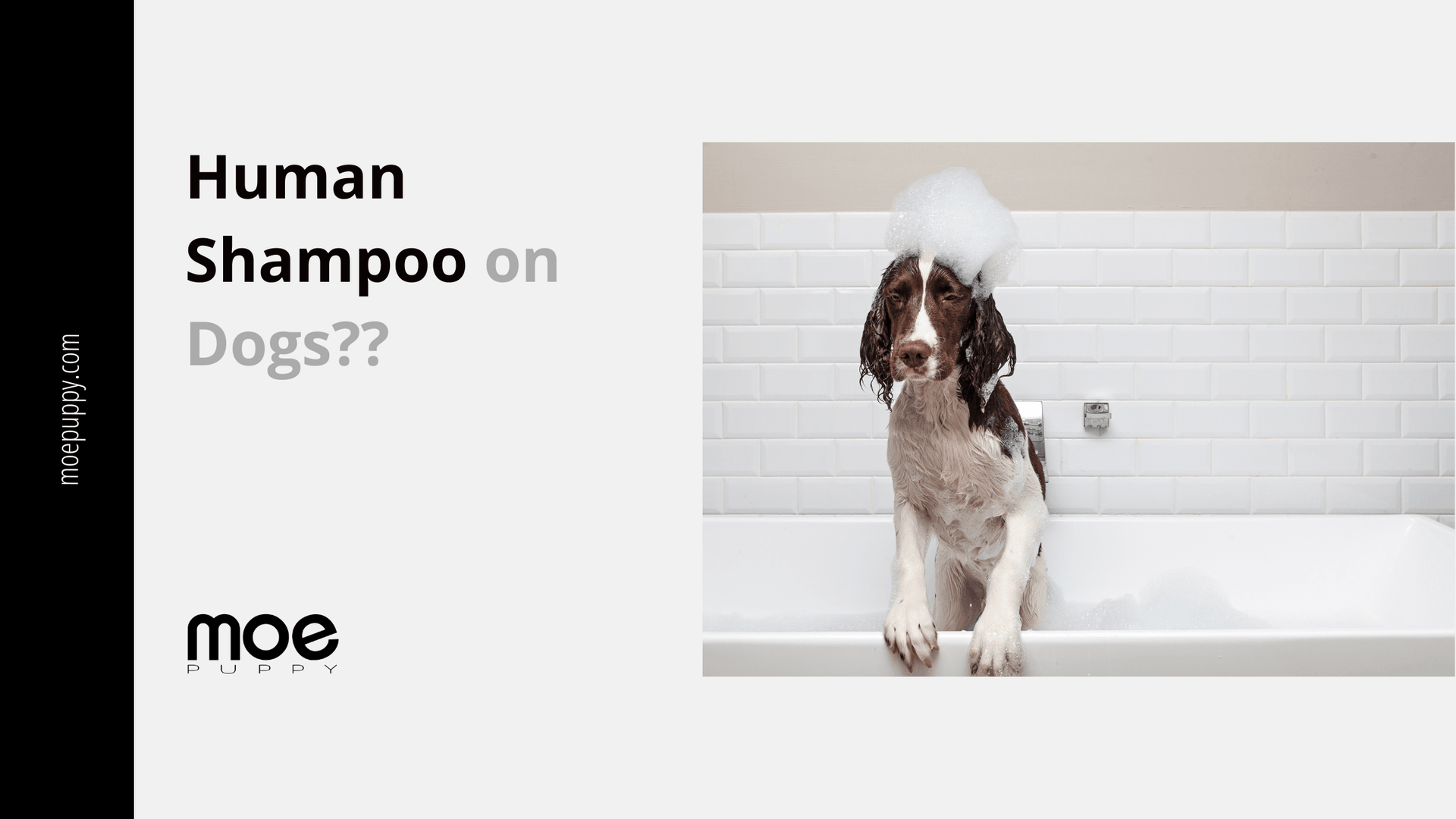
Can I Use Human Shampoo On My Dog?
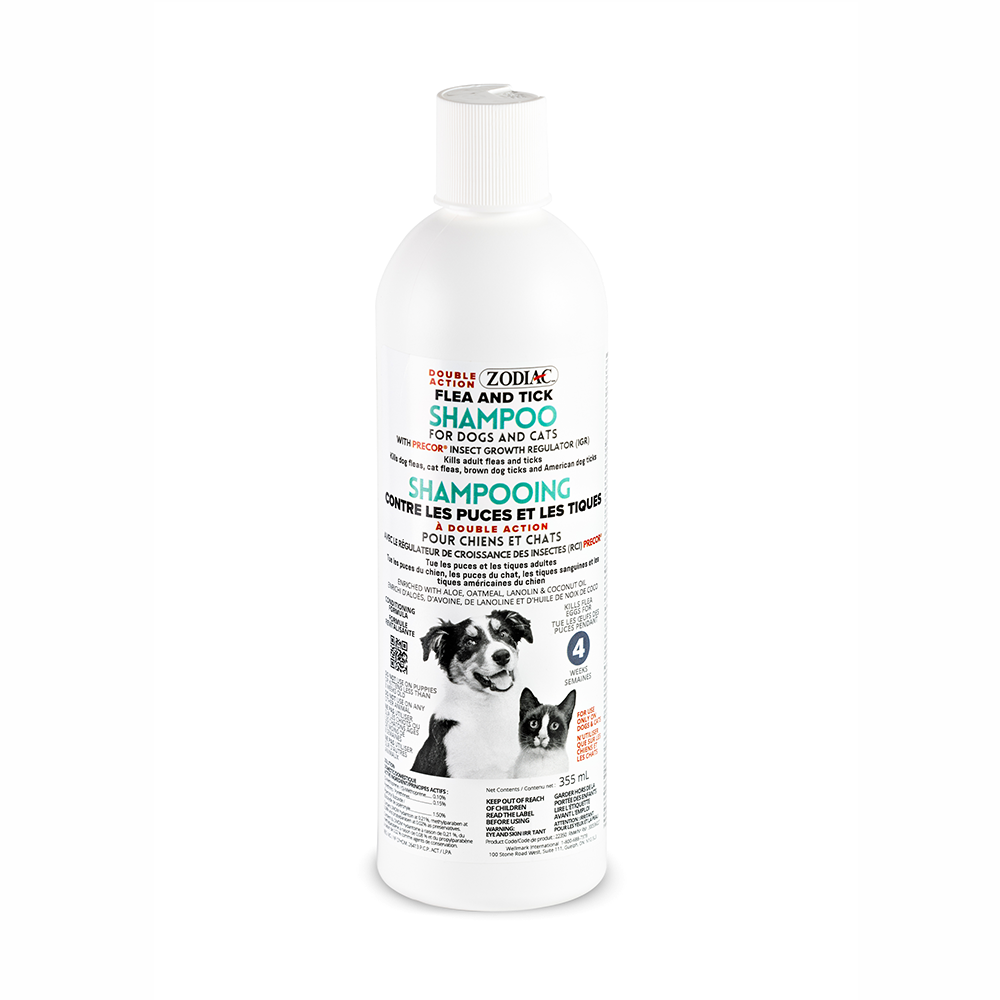
It’s not recommended to use human shampoo on dogs. Human shampoos can disrupt a dog’s skin pH balance, causing irritation. Instead, use a dog-specific shampoo that is formulated for their skin. These shampoos are gentler and help maintain the natural oils in your dog’s coat.
How Do I Safely Trim My Dog’s Nails?
Begin by using a sharp, high-quality nail clipper. Gently hold your dog’s paw and clip the tip of each nail, avoiding the quick. The quick is a sensitive area that can cause bleeding if cut. If unsure, consult a professional groomer for guidance.
Conclusion
Grooming your dog at home is a rewarding experience. It saves time and money. Plus, your furry friend gets familiar comfort. Start with gentle brushing sessions. Gradually introduce bathing and nail trimming. Patience is key; it builds trust. Use the right tools to ensure safety.
Clean ears and check for ticks regularly. Watch for signs of discomfort. Keep treats handy for positive reinforcement. A well-groomed dog is a happy one. Consistency brings results. With practice, you’ll become more confident. Enjoy the bonding time with your pet.
Happy grooming!

Similar Posts