Do Sled Dogs Wear Boots: Essential Winter Gear Guide
Senior Canine Nutritionist & Dog Behavior Specialist at Cozy Dog Go Wellness Lab
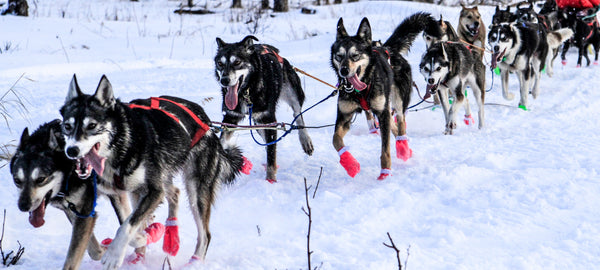
Imagine the chill of icy winds sweeping across a snowy landscape. You see a team of sled dogs charging forward, their paws pounding against the frozen ground.
You might wonder, “Do sled dogs wear boots? ” It’s a question that sparks curiosity and invites you into a world where nature meets human ingenuity. By understanding why or why not these loyal companions wear boots, you can gain insights into their incredible endurance and care.
This exploration will not only satisfy your curiosity but also uncover the fascinating ways humans ensure the safety and well-being of these remarkable animals. Get ready to discover the truth about sled dogs and their footwear—or lack thereof—and how it all ties into their legendary resilience. Keep reading to unravel this intriguing aspect of sled dog life.
Sled Dogs And Their Unique Needs
Sled dogs often wear boots to protect their paws from ice and sharp objects. Boots help prevent injuries and keep paws warm during long runs. Proper footgear is essential for maintaining the health and performance of these hardworking animals.
Sled dogs are remarkable animals, bred and trained to withstand harsh, cold environments. These loyal and hardworking dogs have specific needs that set them apart from your typical house pet. Understanding their unique requirements is crucial for ensuring their health and performance.Sled Dogs’ Paw Protection
Sled dogs often face extreme conditions, running long distances on snow and ice. Their paws are naturally tough, but they still need protection. Booties can help prevent cuts, frostbite, and ice buildup between their toes.Nutrition And Energy Needs
These dogs need a high-calorie diet to fuel their endurance and strength. A typical sled dog diet is rich in fats and proteins. This diet supports their high-energy output and keeps them warm in freezing temperatures.Hydration In Cold Climates
Staying hydrated is as crucial for sled dogs as it is for any athlete. Cold weather can mask signs of dehydration. Offering warm, palatable water can encourage drinking, ensuring they stay hydrated during long runs.Training And Mental Stimulation
Sled dogs are not just physically strong but also intelligent. Regular training keeps their minds sharp and responsive. Mental stimulation through varied routes and commands can enhance their performance and prevent boredom.Rest And Recovery
Despite their endurance, sled dogs need adequate rest. Scheduled breaks during runs and comfortable resting environments are essential. Proper recovery ensures they remain healthy and ready for the next challenge. Have you ever wondered how sled dogs manage to perform in such extreme conditions? Their unique needs and care are a testament to their resilience and the dedication of their handlers. By meeting these needs, sled dogs can continue to thrive in their adventurous roles.Winter Challenges For Sled Dogs
Sled dogs face icy paths and sharp ice during winter. Many dogs wear boots to protect their paws from injuries. These boots help them run safely and comfortably in harsh conditions.
Sled dogs are remarkable athletes, known for their endurance and resilience in the harshest of winter conditions. However, the challenges they face are immense. Winter brings freezing temperatures, icy terrains, and deep snow, making their work both demanding and dangerous. As these dogs dash across the frozen landscapes, they encounter obstacles that test their limits. How do they cope with these winter challenges?Frozen Terrain And Ice
Navigating icy trails is no easy feat. Sled dogs must maintain their footing on slick surfaces, which can lead to injuries if not careful. Ice can cut their paws, and cold snow can cause frostbite. Have you ever walked on ice without slipping? Imagine doing it at full speed while pulling weight! This is why some mushers equip their dogs with boots. These boots provide traction and protect against sharp ice.Snow And Cold Temperatures
Deep snow can be both a playground and a hurdle for sled dogs. While running through soft snow can be fun, it also means more exertion. This can tire the dogs quickly, especially when temperatures plummet. Boots can help by insulating their paws from the cold. They prevent snow from packing between toes, reducing the risk of ice burns.Protecting Paws From Injury
Sled dogs’ paws are incredibly resilient, but they aren’t invincible. Rough terrains can lead to cuts and abrasions. When you consider the long distances they travel, paw injuries become a real concern. Boots act as a barrier, safeguarding against debris and sharp objects. They offer an extra layer of defense, ensuring the dogs can keep running without discomfort.Maintaining Energy And Endurance
Winter conditions can drain energy faster than you might think. Cold temperatures demand more calories to maintain body heat. Running through snow requires strength and stamina. By protecting their paws with boots, sled dogs can conserve energy. They run more efficiently, which helps them maintain their pace over long distances.Adapting To Changing Conditions
Winter weather is unpredictable. Sudden snowstorms or thawing ice can change trail conditions in an instant. Sled dogs need to adapt quickly, and boots can be a vital tool. Boots allow them to adjust to varying terrains without hesitation, providing stability and confidence in their stride. In the end, whether or not sled dogs wear boots depends on the musher’s preference and the specific challenges of each journey. What would you do to ensure the safety and well-being of these incredible animals in such demanding conditions?Purpose Of Boots For Sled Dogs
Sled dogs work in harsh, icy conditions. Their paws face extreme cold, rough terrains, and sharp ice. Boots serve as essential gear for these hardworking dogs. Boots protect their paws and ensure their performance. Let’s explore why these boots are vital.
1. Protection from ColdSled dogs often race in sub-zero temperatures. The cold can cause frostbite on their paws. Boots provide insulation, keeping their paws warm. This helps in preventing cold-related injuries.
2. Shielding Against Rough TerrainRough terrains can injure a dog’s paws. Sharp ice and rocks pose significant risks. Boots act as a barrier, reducing cuts and bruises. This protection keeps dogs safe during long runs.
3. Prevention of SnowballingSnow can clump between the dog’s toes. This snowballing can cause discomfort and pain. Boots help in preventing snow accumulation. This ensures the dog’s comfort and efficiency.
4. Enhanced TractionSlippery surfaces can lead to falls. Boots offer better grip on icy paths. This enhances the dog’s stability and control. Improved traction reduces risks of slipping.
5. Injury PreventionLong races can wear out a dog’s paws. Boots prevent blisters and abrasions. This minimizes the risk of injuries over time. Healthy paws ensure the dog’s endurance and performance.
Credit: www.tremblantactivities.com
Types Of Boots For Sled Dogs
Sled dogs are incredible athletes, braving extreme conditions to pull sleds across snowy terrains. While their paws are naturally resilient, boots offer extra protection against harsh elements. But what types of boots are available for sled dogs, and how do you choose the right pair? Let’s dive into the various options and see what might suit your furry friend best.
Material Considerations
The material of the boots is crucial for durability and comfort. Neoprene is a popular choice because it’s water-resistant and flexible, allowing for natural movement. However, some prefer fleece-lined boots for added warmth during frigid conditions.
Have you considered the weight of the material? Lightweight fabrics like nylon can prevent your dog from feeling bogged down, ensuring they maintain their speed and agility. Always check if the material is breathable to avoid overheating.
Design Variations
Boot designs can vary greatly, each offering unique benefits. Some boots have Velcro straps, which make them easy to put on and take off, while others feature elastic cuffs for a snug fit. It’s essential to choose a design that stays secure during intense activity.
Reflective strips are a clever addition to some designs, enhancing visibility during low-light conditions. You might find that some boots are designed with rugged soles for better grip on icy surfaces. What’s more important to you—ease of use or maximum grip?
Choosing the right boots for your sled dog is about balancing protection and comfort. With the right pair, your dog can tackle any trail with confidence and ease. What will be your top priority when selecting boots for your sled dog?
Benefits Of Wearing Boots
Sled dogs are amazing athletes, braving the harshest climates. Boots are essential gear for them. They offer crucial benefits. They protect paws and enhance performance.
Foot Protection
Boots shield sled dogs’ paws from ice and snow. They prevent injuries and frostbite. Sharp ice can cut paws. Boots create a barrier. They keep paws dry and warm. Rough terrain is less daunting with boots. Dogs can run without hesitation.
Enhanced Performance
Wearing boots boosts sled dogs’ stamina. They grip better on slippery surfaces. This reduces strain and fatigue. Dogs maintain speed with ease. Boots help them run longer distances. They can focus on their tasks. Boots improve comfort. Dogs are happier and healthier.
Common Concerns About Dog Boots
Sled dogs are known for their strength and endurance. But what about their feet? Dog boots are often used to protect their paws from ice, snow, and rough terrain. Though beneficial, dog boots can raise some concerns among pet owners. Understanding these concerns helps ensure comfort and effectiveness.
Comfort Issues
Comfort is a major concern when considering dog boots. Dogs rely heavily on their paws for balance and movement. Ill-fitting boots can cause discomfort and hinder their natural gait. Soft, flexible materials are best to ensure comfort. Proper fit prevents chafing and rubbing.
Some dogs may feel uneasy wearing boots initially. It’s crucial to observe their behavior. Signs of discomfort include limping or excessive pawing at the boots. Choosing the right size and style can alleviate these issues.
Adaptation Challenges
Adapting to boots can be challenging for sled dogs. They may resist wearing them at first. Gradual introduction helps ease the transition. Allow dogs to wear boots for short periods initially. This helps them become accustomed to the sensation.
Positive reinforcement encourages acceptance. Rewarding dogs with treats or praise when they wear boots can be effective. Consistent practice is key to overcoming adaptation challenges.
How To Choose The Right Boots
Do sled dogs wear boots? Yes, in icy conditions, boots protect their paws from cold and sharp ice. Choosing the right boots involves considering fit, durability, and comfort for the dog’s paws.
Choosing the right boots for sled dogs is crucial to their comfort and performance. A well-fitted boot can make all the difference on a cold, icy trail. But how do you know which boots are best? Let’s break it down into some simple factors.Sizing And Fit
Finding the right size is essential. Boots that are too tight can cause discomfort, while loose ones might fall off during a run. Measure your dog’s paws carefully and compare them to the size chart provided by the manufacturer. Ensure the boots fit snugly but allow for natural movement. You might notice your dog walking awkwardly at first, but they should adjust quickly if the fit is right. A little trial and error might be necessary, so be patient.Durability And Functionality
Durability is key when your dog is traversing rough, icy terrain. Look for boots made with tough, weather-resistant materials. Reinforced soles can offer added protection against sharp ice and rough surfaces. Consider the type of trails your dog will be on. Are they mostly snowy or icy? Different terrains may require boots with specific features, such as thicker insulation or more grip. Evaluating your needs will help you make a smarter choice. Selecting the perfect boots can enhance your sled dog’s experience and performance. Always keep their comfort and safety in mind. Have you ever tried dog boots before? What challenges did you face? Share your thoughts in the comments!Training Sled Dogs To Wear Boots
Sled dogs often wear boots to protect their paws from ice and sharp objects. Training them to wear boots involves patience and positive reinforcement. Comfort and proper fit are crucial for their acceptance.
Training sled dogs to wear boots is an essential skill that ensures their paws are protected during harsh weather conditions and rough terrains. Many people wonder how these energetic dogs get accustomed to the feeling of wearing boots. It’s a process that requires patience, practice, and positive reinforcement. By understanding the steps involved, you can help your sled dogs feel comfortable and confident in their new footwear.Initial Introduction
Introducing boots to sled dogs can be a challenge. Dogs are not naturally inclined to wear anything on their paws, so it’s important to make the introduction gradual. Start by letting your dog sniff and inspect the boots. This allows them to become familiar with the texture and scent. Once they seem comfortable, gently place the boots on their paws for a few minutes at a time. You might notice some comical high-stepping as they adjust to the new sensation. Reward them with treats and praise to create a positive association with wearing boots.Practice Runs
Practice runs are crucial in building a sled dog’s confidence in wearing boots. Begin with short walks around your yard or neighborhood. Observe how your dog reacts and ensure the boots fit properly, without causing discomfort or slipping off. Gradually increase the duration and complexity of these runs. Incorporate different terrains such as snow or gravel to prepare them for real sledding conditions. Keep sessions fun and rewarding, using treats to encourage them to keep moving. Have you ever considered how your dog’s mood affects their performance? Ensuring they are happy and comfortable can make all the difference in their training success. By being attentive and responsive to their needs, you set the stage for a smoother transition to wearing boots during sledding adventures.Alternative Winter Gear For Sled Dogs
Sled dogs endure harsh winter conditions. Their paws face snow, ice, and sharp objects. To keep them safe, alternative winter gear is vital. This gear helps protect their feet and maintain their health. Let’s explore some useful options.
Paw Balm
Paw balm is a protective ointment for sled dogs. It creates a barrier on their paws. This barrier helps shield against ice and snow. It also prevents cracks and dryness. Regular use keeps their paws soft and healthy. Apply a small amount before and after runs. This routine helps maintain their paw health.
Protective Socks
Protective socks offer extra insulation for sled dogs. They fit snugly over their paws. These socks reduce direct contact with ice. They help prevent frostbite and injuries. Look for socks with durable materials. Some come with anti-slip features. These features provide better grip on icy surfaces. Ensure the socks fit well to avoid chafing. Proper fit ensures comfort and effectiveness.

Credit: www.nonstopdogwear.com
Caring For Sled Dogs In Winter
Sled dogs often wear boots to protect their paws from ice and snow. These boots help prevent injuries caused by cold surfaces. Keeping their feet warm ensures they stay healthy and perform efficiently in harsh winter conditions.
Caring for sled dogs in winter is more than just ensuring they have boots. These hardworking animals face harsh conditions and require attentive care to keep them healthy and happy. You might wonder, how can one ensure these incredible athletes are in top shape during the frigid months? The answer lies in regular health checks, balanced nutrition, and adequate hydration.Regular Health Checks
Regular health checks are essential for sled dogs, especially in winter. It’s important to monitor their paws for injuries or signs of frostbite, even if they wear boots. You should also check their coat and skin for any signs of irritation or dryness, which can occur due to cold weather. Frequent vet visits can help detect health issues before they become serious. Consider scheduling check-ups more often during the winter season. Paying close attention to any changes in behavior or energy levels can also provide early warnings of potential health problems.Nutrition And Hydration
Proper nutrition is vital for sled dogs to maintain energy and endurance. You’ll need to provide a diet rich in high-quality proteins and fats to fuel their active lifestyle. During winter, their calorie intake may need to be increased to compensate for the extra energy expended keeping warm. Hydration is equally important, yet often overlooked in cold climates. Dogs can dehydrate quickly, even in the snow. Ensure they have access to fresh, unfrozen water at all times. You might use insulated bowls or heated water dishes to prevent water from freezing. What steps will you take to ensure your sled dogs are well-cared for this winter?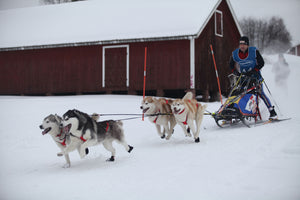
Credit: www.neewadogs.com
Frequently Asked Questions
Why Do Sled Dogs Wear Boots?
Sled dogs wear boots to protect their paws from harsh conditions. Boots shield against ice, snow, and sharp objects. They help prevent injuries and keep dogs comfortable during long runs. Boots can also prevent snowballing between toes, ensuring better traction and performance.
Are Sled Dog Boots Necessary?
Sled dog boots are necessary in extreme weather conditions. They provide essential protection for dogs’ paws from ice and cold. Boots can prevent injuries and enhance performance. In milder conditions, mushers might skip boots, but in harsh environments, they are crucial.
What Are Sled Dog Boots Made Of?
Sled dog boots are typically made of durable materials like neoprene or nylon. These materials offer protection and flexibility. They are designed to withstand tough conditions while providing comfort. Some boots have reinforced soles for better grip on icy surfaces.
How Do Sled Dogs React To Boots?
Sled dogs usually adapt well to wearing boots. Initially, some dogs may show discomfort or awkward movements. With time, most dogs get used to them and appreciate the protection. Training and positive reinforcement help them adjust quickly to wearing boots.
Conclusion
Sled dogs sometimes wear boots for protection. Their paws face tough conditions. Ice, snow, and sharp objects can harm them. Boots help keep paws safe and healthy. Not all dogs need them, though. It depends on the trail and weather.
Musher and dog team decide together. Comfort and safety come first. Watching sled dogs in action is amazing. Their strength and speed inspire many. Boots or not, they love their work. These dogs have a special bond with their mushers.
A true partnership on icy trails. Each step tells a story of teamwork and trust.

Similar Posts