What to Feed a Dog Diarrhea: Expert Dietary Solutions
Senior Canine Nutritionist & Dog Behavior Specialist at Cozy Dog Go Wellness Lab
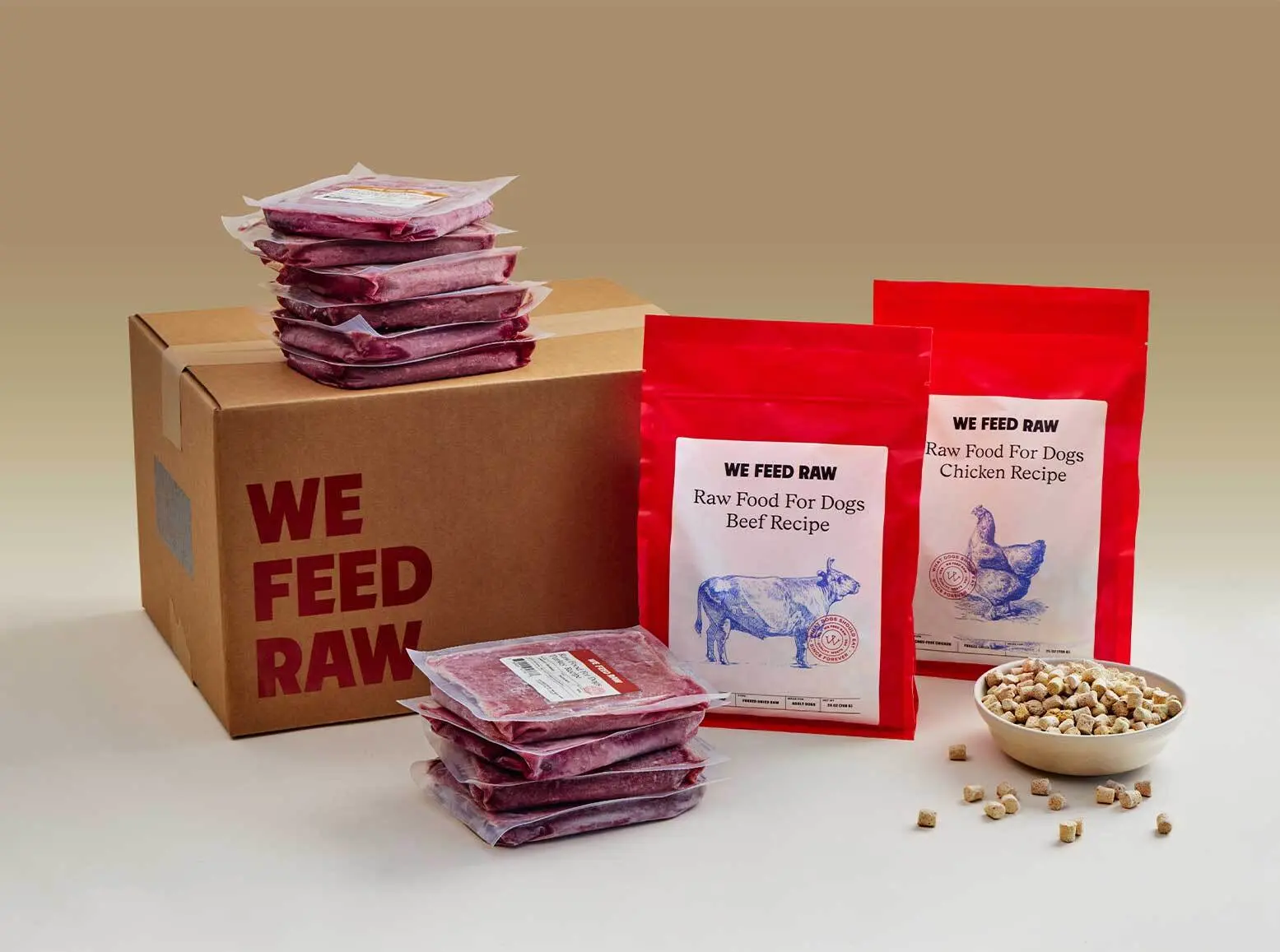
Your furry friend isn’t feeling their best, and you’re concerned. Diarrhea in dogs is more common than you might think, and it can leave you wondering what to do next.
You want to ensure your dog gets the right care, starting with their diet. But where do you start? What should you feed a dog with diarrhea to help them recover quickly and comfortably? In this guide, you’ll uncover simple and effective feeding strategies that can make a world of difference for your pet.
Stick around, because understanding these tips could be the key to restoring your dog’s health and happiness. You’ll feel more confident and prepared to help your dog bounce back, and they’ll be wagging their tail in gratitude.
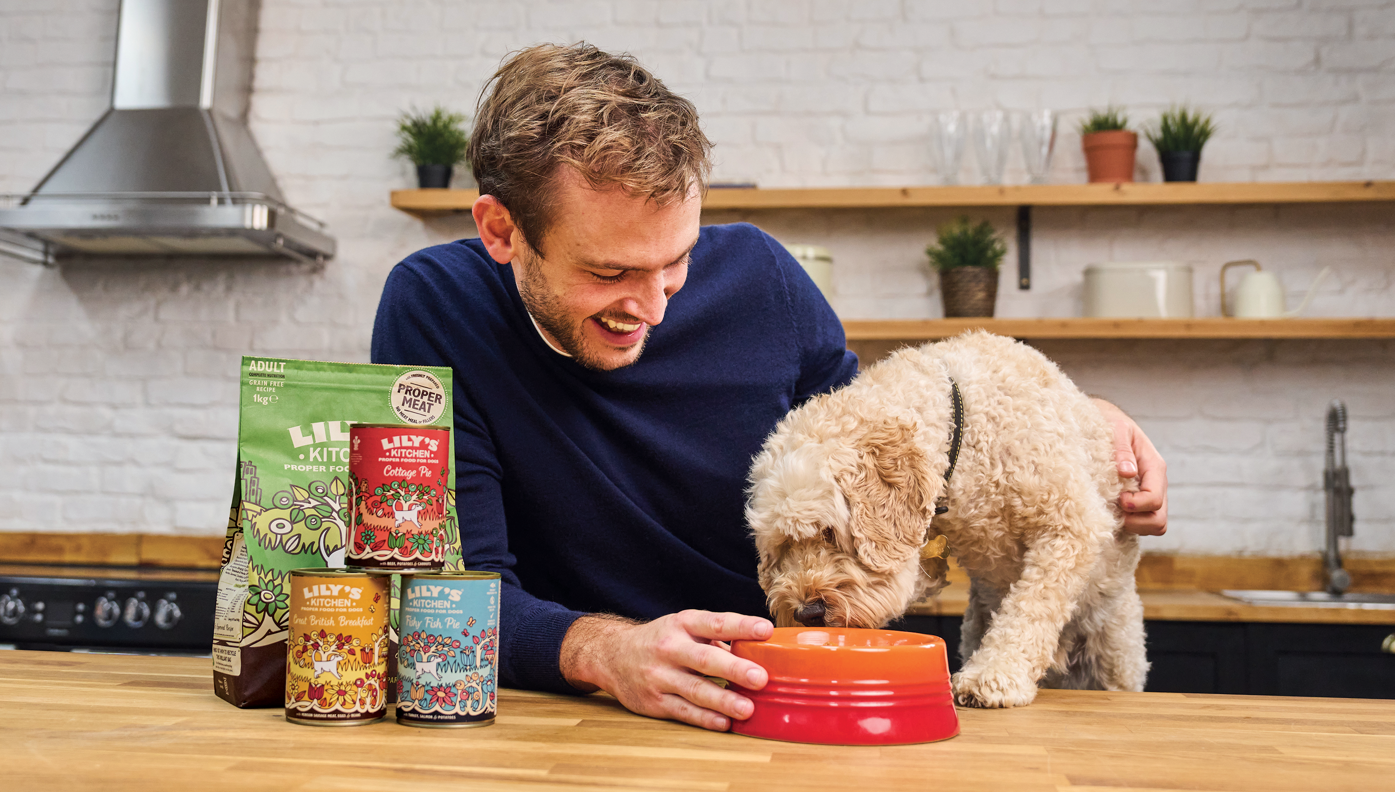
Credit: www.lilyskitchen.co.uk
Causes Of Dog Diarrhea
Dietary indiscretions and food allergies often cause dog diarrhea. Feeding bland, easily digestible foods like boiled chicken and rice helps soothe their stomach.
Understanding the causes of dog diarrhea is crucial for ensuring your furry friend stays healthy and happy. Diarrhea in dogs can be distressing for both pets and their owners. It’s important to identify the root cause to provide the right care and diet. Let’s dive into some common reasons why your dog might be experiencing this issue.Dietary Indiscretion
Dogs are curious creatures and sometimes, this curiosity leads them to ingest things they shouldn’t. Whether it’s table scraps, garbage, or even foreign objects, consuming inappropriate items can upset their stomach. Have you ever caught your dog munching on something they found during a walk? This could be the culprit behind their digestive issues.Food Allergies
Food allergies can also lead to diarrhea in dogs. Certain ingredients in commercial dog food may not agree with your pet’s system. Common allergens include beef, dairy, and wheat. If you notice recurring diarrhea, it might be time to evaluate what your dog is eating. Could switching to a hypoallergenic diet be the solution?Infections And Parasites
Infections and parasites are another common cause of diarrhea. Bacteria, viruses, and worms can wreak havoc on your dog’s digestive system. Regular vet check-ups are vital to detect and treat these issues early. Is your dog up-to-date with their parasite prevention treatments?Stress And Anxiety
Just like humans, dogs can experience stress and anxiety, which can manifest as diarrhea. Changes in their environment, loud noises, or separation anxiety can all be triggers. Ensuring a stable, calm environment can help alleviate these symptoms. How does your dog react to changes in their routine? By keeping an eye on these potential causes, you can better manage your dog’s health and well-being. Remember, always consult with your veterinarian if diarrhea persists, as it may be indicative of a more serious condition. Your attentive care can make all the difference in your dog’s comfort and health.
Credit: www.pinterest.com
Signs And Symptoms
Diarrhea can be an alarming condition for your furry friend, and recognizing its signs and symptoms is crucial for effective care. While occasional loose stools might not be a concern, persistent diarrhea can indicate underlying health issues that require your attention. Knowing when to intervene and seek veterinary care can make all the difference in your dog’s recovery.
Common Symptoms
When your dog has diarrhea, you might notice frequent, loose, or watery stools. Other symptoms often accompany diarrhea such as vomiting, lethargy, or a decrease in appetite. Pay attention to any changes in your dog’s behavior or energy levels, as these can provide clues to the severity of the condition.
Sometimes, dogs may experience abdominal pain or bloating. You might observe them pacing, whining, or showing discomfort. In such cases, it’s important to act quickly to prevent further complications.
When To Seek Veterinary Care
If your dog’s diarrhea persists for more than 24 hours, it’s time to consult a veterinarian. Persistent diarrhea can lead to dehydration, which can be dangerous if not treated promptly.
Also, watch for signs like blood in the stool, black tarry stools, or a fever. These symptoms could indicate a more serious condition that requires immediate medical attention.
Always trust your instincts. If you feel something is not right with your pet, it’s better to err on the side of caution and seek professional help. Remember, timely intervention can save your dog from unnecessary suffering and ensure a swift recovery.
Immediate Steps To Take
Start with a bland diet like boiled chicken and rice. Ensure your dog stays hydrated with fresh water. Consult a vet if symptoms persist beyond 24 hours.
Taking quick action can help a dog with diarrhea. Knowing what to feed and how to manage their condition is crucial. This section will guide you through immediate steps to ease your dog’s discomfort.Withholding Food
Let your dog’s stomach rest by skipping a meal. Fasting for 12-24 hours can help clear the digestive system. This gives your dog’s stomach time to settle. It also prevents further irritation. Monitor your dog’s condition during this period.Hydration Importance
Diarrhea causes fluid loss. Make sure your dog has access to fresh water. Dehydration can worsen their condition. You can offer ice cubes if they won’t drink water. Plain chicken broth is another option. It can encourage them to drink more. Keep an eye on their hydration levels.Dietary Solutions For Dog Diarrhea
Feeding a dog with diarrhea requires a gentle diet. Offer plain boiled chicken and rice to soothe their stomach. Avoid fatty foods to help recovery.
When your dog is facing diarrhea, it’s natural to feel concerned and eager to find solutions that can help them recover quickly. One of the most effective ways to address this issue is through dietary changes. By understanding what to feed your dog during this uncomfortable phase, you can help soothe their digestive system and restore their health. Let’s dive into some practical dietary solutions that can make a difference.Bland Diet Options
A bland diet is often the go-to remedy for dog diarrhea. This approach is gentle on the stomach, providing your pet with easy-to-digest nutrients. You can try feeding your dog plain boiled chicken or turkey without any skin or bones. Pair this with white rice for a simple yet effective meal. Another option is boiled potatoes, which can offer the needed carbohydrates. Have you ever noticed how a simple meal can sometimes be the most comforting?Fiber-rich Foods
Fiber can be a game-changer when it comes to firming up your dog’s stool. Consider adding canned pumpkin to their diet; it’s a favorite among many dog owners for its natural fiber content. You can also incorporate cooked carrots or sweet potatoes. These foods not only provide fiber but also essential vitamins and minerals. Could adding a bit more fiber to your dog’s diet be the missing piece?Probiotics And Supplements
Probiotics are beneficial bacteria that can help balance your dog’s gut flora, promoting a healthy digestive system. You can find probiotic supplements specifically designed for dogs at pet stores or online. In addition to probiotics, consider digestive enzymes and electrolyte supplements. These can support your dog’s digestion and help them recover faster. Do you think supplements might be the boost your dog’s system needs during this time? By tailoring your dog’s diet with these thoughtful solutions, you can help them bounce back to their playful self. Remember, each dog is unique, so adjust these suggestions based on your pet’s specific needs and always consult your veterinarian before making significant changes.Foods To Avoid
When your dog is dealing with diarrhea, choosing the right foods is crucial to their recovery. While there are certain foods that can help soothe their digestive system, there are also many that can worsen the situation. Knowing which foods to avoid can make a significant difference in your dog’s health and comfort. Let’s delve into the common irritants and toxic foods that should be off the menu.
Common Irritants
Many everyday foods can upset your dog’s stomach further. Fatty foods are a big culprit, as they can lead to more stomach upset and prolong diarrhea. Consider that greasy treats or table scraps might be tempting, but they can wreak havoc on your dog’s digestion.
Dairy products, although loved by some dogs, can be another irritant. If your dog is lactose intolerant, even a small amount of cheese or milk can cause gastrointestinal distress.
Spicy foods are also a no-go. They might add flavor to your meals, but for dogs, spices can irritate their stomach lining, leading to increased discomfort and diarrhea. It’s wise to keep your dog’s meals bland during this time.
Toxic Foods
Some human foods are not just irritants but downright toxic to dogs. Chocolate is a well-known danger; even small amounts can be harmful. It’s crucial to ensure that any chocolate goodies are kept well out of reach.
Grapes and raisins can lead to serious health issues, including kidney failure. You might not think of them as harmful, but they can be deadly to dogs.
Onions and garlic, while common in many dishes, can be toxic to dogs. They can cause damage to red blood cells, leading to serious health complications. Keeping these out of your dog’s diet is essential, especially during digestive distress.
As you navigate your dog’s dietary needs during diarrhea, what surprising foods have you discovered to be problematic? Share your experiences and help others avoid these pitfalls.
Home Remedies
Feeding a dog with diarrhea requires gentle, easy-to-digest foods. Offer plain boiled chicken and white rice. Ensure they have access to fresh water to stay hydrated.
Home remedies can help soothe your dog’s upset stomach. Simple ingredients often do the trick. These remedies are gentle and easy to prepare. They aim to restore your pet’s health quickly.Pumpkin Puree
Pumpkin puree is a natural remedy for dog diarrhea. It is rich in fiber. Fiber helps firm up your dog’s stool. Use plain canned pumpkin, not the pie mix. Serve one to four tablespoons depending on your dog’s size. It is both safe and effective. Pumpkin also contains vitamins and minerals. These nutrients support overall health. Your dog will benefit from this tasty treatment. Many dogs enjoy the mild flavor of pumpkin.Rice Water
Rice water is another remedy to try. It is simple to make. Boil one cup of rice in four cups of water. Let it cool, then strain the liquid. Serve the rice water to your dog. Rice water is soothing for a dog’s digestive system. The water helps rehydrate your dog. It replaces fluids lost during diarrhea. It is also easy on the stomach. Your dog can drink rice water throughout the day. These home remedies are safe and simple. They offer relief from diarrhea. Keep your dog comfortable while they recover.Preventing Future Episodes
Feeding a dog with diarrhea requires a balanced approach. Offer boiled chicken and rice in small portions. Gradually reintroduce their regular diet to maintain digestive health.
Preventing future episodes of diarrhea in your dog involves a proactive approach to their health and diet. By understanding what triggers these uncomfortable episodes, you can take steps to minimize them. Let’s dive into some practical strategies that will help keep your furry friend’s digestive system in optimal condition.Consistent Diet
A consistent diet is key in preventing digestive issues like diarrhea. Ensure your dog eats high-quality food suitable for their age, breed, and size. Avoid sudden changes in their diet; if you need to switch food, do it gradually over several days. This gives their digestive system time to adjust. Consider adding probiotics to their diet. These can support a healthy gut flora, reducing the likelihood of diarrhea.Regular Veterinary Check-ups
Regular veterinary check-ups are crucial for catching potential health issues early. Schedule routine visits to monitor your dog’s overall health and discuss any dietary concerns. Your vet can provide tailored advice based on your dog’s specific needs, including dietary adjustments or supplements. Have you ever noticed subtle changes in your dog’s behavior or appetite? These could be early signs of digestive distress that a vet can help address. By following these steps, you can significantly reduce the chances of future diarrhea episodes, ensuring your dog stays happy and healthy.Consulting With A Veterinarian
Dealing with a dog suffering from diarrhea can be stressful. It’s crucial to consult a veterinarian for guidance. They ensure your dog receives the right care and diet adjustments.
Importance Of Professional Advice
Veterinarians offer expert insights into your dog’s health. They can determine the underlying causes of diarrhea. This ensures the right treatment plan is in place. Ignoring professional advice could worsen the situation.
Veterinarians can also rule out serious health issues. They provide peace of mind during such stressful times.
Tailoring Diet To Individual Needs
Each dog’s dietary needs vary, especially during health issues. A vet tailors dietary plans to match your dog’s specific needs. This ensures optimal recovery and health.
The vet may suggest specific foods that soothe the digestive system. They might recommend bland diets or specific nutrients for recovery.

Credit: www.youtube.com
Frequently Asked Questions
What Foods Help Stop Dog Diarrhea?
Feeding your dog plain boiled rice can help firm up stool. Boiled chicken, without skin or seasoning, is gentle on the stomach. Pumpkin puree is rich in fiber and aids digestion. Always ensure fresh water is available to prevent dehydration.
Consult a vet for persistent diarrhea.
Can I Give My Dog Yogurt For Diarrhea?
Yes, yogurt can help with diarrhea. It contains probiotics that support gut health. Choose plain, unsweetened yogurt to avoid added sugars. Introduce a small amount gradually to your dog’s diet. Monitor your dog’s reaction and consult your vet if symptoms persist or worsen.
Is Pumpkin Good For Dogs With Diarrhea?
Pumpkin is beneficial for dogs with diarrhea. It is rich in soluble fiber, which helps absorb excess water. This can firm up your dog’s stool. Offer a small amount of canned pumpkin puree, without added spices. Always consult your vet for persistent issues.
Should I Withhold Food From A Dog With Diarrhea?
Withholding food for 12-24 hours may help your dog’s digestive system rest. Ensure your dog has access to fresh water during this time. Start reintroducing food gradually with bland options, like boiled rice and chicken. Consult your vet if diarrhea persists beyond a day.
Conclusion
Caring for a dog with diarrhea requires patience and proper nutrition. Offer bland foods like boiled chicken and rice. Ensure they drink plenty of water to stay hydrated. Monitor your dog’s progress and consult a vet if needed. Avoid fatty or spicy foods during this time.
A balanced diet aids recovery and maintains health. Keep meals small and frequent to prevent stomach upset. Remember, every dog is unique. What works for one might not work for another. Always prioritize your pet’s well-being and consult professionals when necessary.
Your dog’s health is in your hands.

Similar Posts