Do You Have to Brush a Dog’s Teeth: Essential Guide
Do you often find yourself wondering if you need to brush your dog’s teeth? You’re not alone.
Many pet owners are unsure about this aspect of dog care, and it’s easy to overlook, especially when your furry friend seems perfectly healthy. But here’s a little secret: brushing your dog’s teeth could be the key to their long-term health and happiness.
Imagine your dog’s wagging tail, their bright eyes, and their boundless energy—all signs of a happy and healthy pet. Now, picture them with a dazzling smile to match. Intrigued? Keep reading to discover why dental care is essential for your dog and how it can transform your pet’s life, making them feel as good on the inside as they look on the outside. Don’t miss out on these important insights that could change the way you care for your four-legged family member.
Importance Of Dog Dental Care
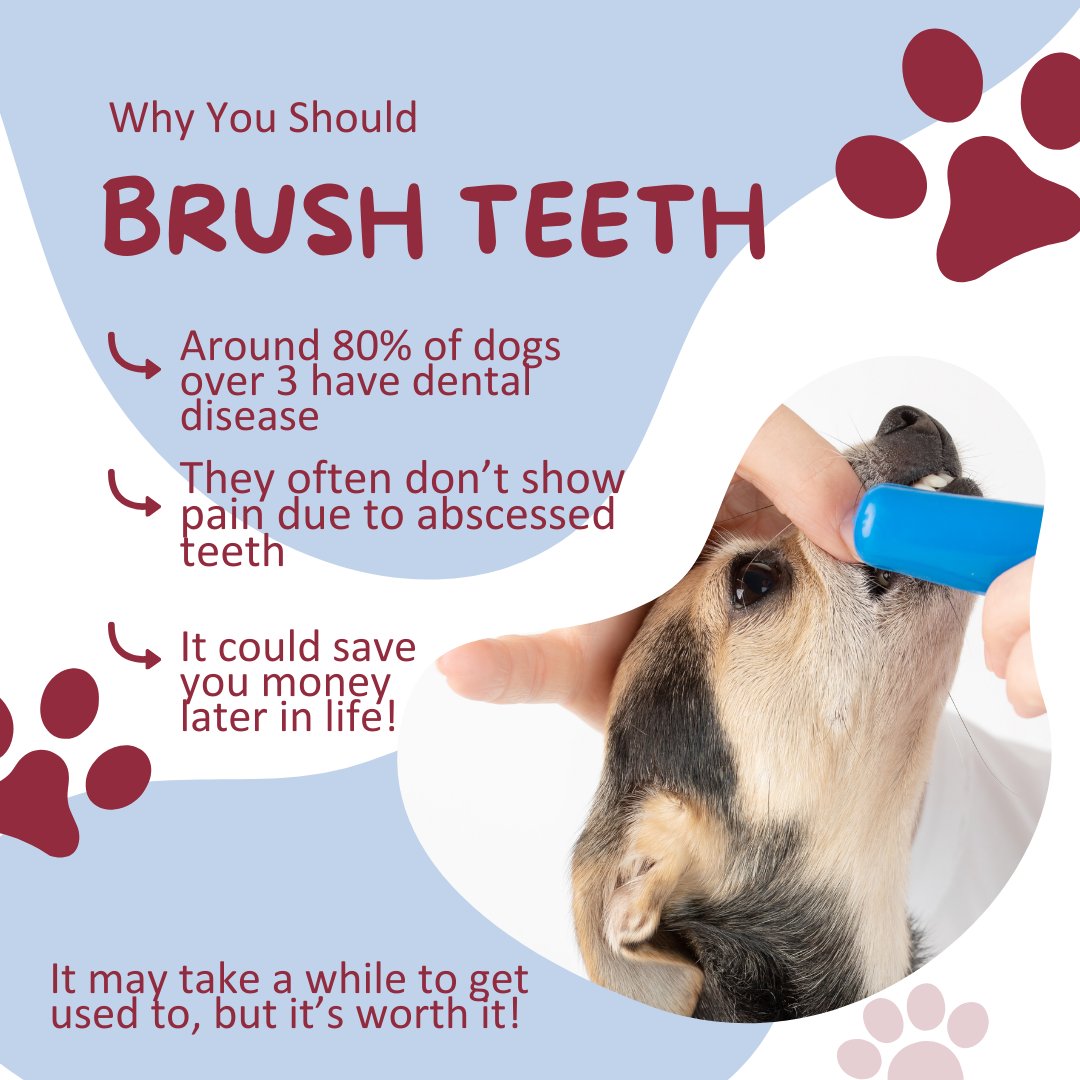
Dog dental care is crucial for your pet’s overall health. Poor dental hygiene can lead to serious health issues. Regular brushing and check-ups help maintain your dog’s health. Understanding the importance of dog dental care can prevent costly treatments.
Understanding The Risks Of Poor Dental Hygiene
Without proper care, dogs can develop plaque and tartar. This can lead to gum disease and tooth loss. Bacteria from the mouth can enter the bloodstream. This can harm the heart and kidneys. Regular dental care can prevent these issues.
Benefits Of Regular Dog Teeth Brushing
Brushing your dog’s teeth reduces plaque build-up. It keeps gums healthy and strong. Fresh breath is another benefit of regular brushing. It also helps detect dental problems early. Early detection can save your dog from pain.
Signs Your Dog Needs Dental Attention
Bad breath can indicate dental problems. Watch for red or swollen gums. Difficulty eating may signal tooth pain. Excessive drooling is another warning sign. Regularly check your dog’s mouth for these signs.
Professional Dental Care For Dogs
Veterinarians offer professional cleaning services. They can remove tartar and plaque effectively. Professional cleanings reach below the gum line. This is where most problems start. Regular vet visits ensure your dog’s mouth stays healthy.
Consequences Of Neglecting Oral Hygiene
Neglecting your dog’s oral hygiene can lead to serious issues. Dogs, like humans, need regular dental care to stay healthy. Without proper care, their teeth and gums can suffer. This can lead to pain, infections, and other health problems.
Common Dental Problems In Dogs
Dogs often face issues like plaque and tartar buildup. This can cause gum disease, also known as gingivitis. Broken or loose teeth are common too. Periodontal disease is a major concern, affecting the tissues around the teeth. It can cause severe pain and discomfort for your pet.
Impact On Overall Health
Oral health affects more than just the mouth. Bacteria from gum infections can enter the bloodstream. This can impact the heart, liver, and kidneys. Poor dental care can lead to serious health issues over time. Regular brushing can prevent these problems. Keeping your dog’s mouth clean helps maintain their overall well-being.
Benefits Of Brushing Your Dog’s Teeth
Brushing your dog’s teeth offers numerous benefits. It’s an essential part of their health routine. Regular brushing helps maintain dental hygiene and overall well-being.
Preventing Dental Diseases
Dental diseases are common in dogs. Plaque and tartar build-up lead to these issues. Brushing regularly removes plaque from their teeth. It prevents tartar formation and reduces the risk of gum disease.
Healthy gums are crucial for dogs. Gum disease can affect their heart and kidneys. Brushing helps in maintaining healthy gums and teeth.
Enhancing Fresh Breath
Dogs can have bad breath. It’s often due to bacteria in their mouths. Brushing their teeth helps reduce these bacteria.
A cleaner mouth results in fresher breath. Your dog will have a pleasant smell. You’ll enjoy spending time with your dog even more.
Credit: firstvetqa.com
How Often To Brush A Dog’s Teeth
Regular brushing of a dog’s teeth is essential for their health. Aim for at least two to three times a week. This helps prevent dental issues and maintains fresh breath.
Brushing a dog’s teeth is crucial for their health. It helps prevent gum disease and tooth decay. Many dog owners wonder how often they should brush their dog’s teeth. Regular brushing is essential for maintaining oral hygiene and overall health.Recommended Frequency
Experts suggest brushing a dog’s teeth at least twice a week. If possible, daily brushing is best. Regular brushing prevents plaque buildup. It keeps their breath fresh. It also reduces the risk of dental disease. Always use dog-friendly toothpaste. Human toothpaste can harm them.Signs Of Dental Issues
Watch for signs of dental problems in your dog. Bad breath is a common indicator. Swollen or bleeding gums signal trouble. Difficulty eating or chewing can mean pain. Excessive drooling may point to dental issues. Check for loose or broken teeth. Regular dental checkups are vital. They help catch problems early.Choosing The Right Tools
Choosing the right tools for brushing your dog’s teeth is crucial for maintaining their oral health. Not only does it make the process more effective, but it also ensures comfort for both you and your furry friend. Let’s dive into the essentials you need to keep those canine chompers clean and healthy.
Types Of Dog Toothbrushes
The market offers a variety of toothbrushes designed specifically for dogs. Each type has its unique benefits, so picking the right one depends on your dog’s size, breed, and comfort level.
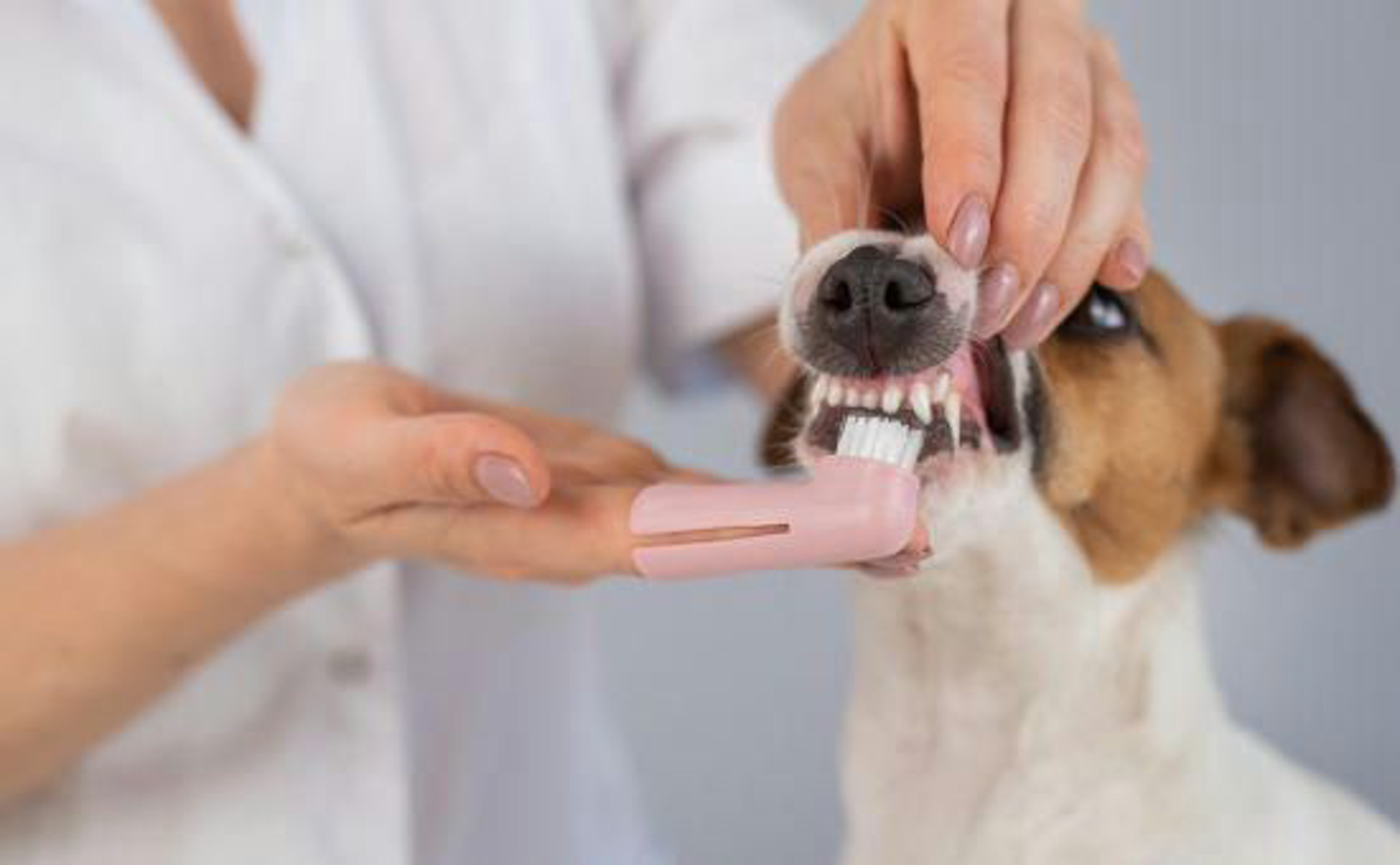
- Finger Toothbrush:This is a great starting point for puppies or dogs new to brushing. It slips over your finger, allowing you to have more control.
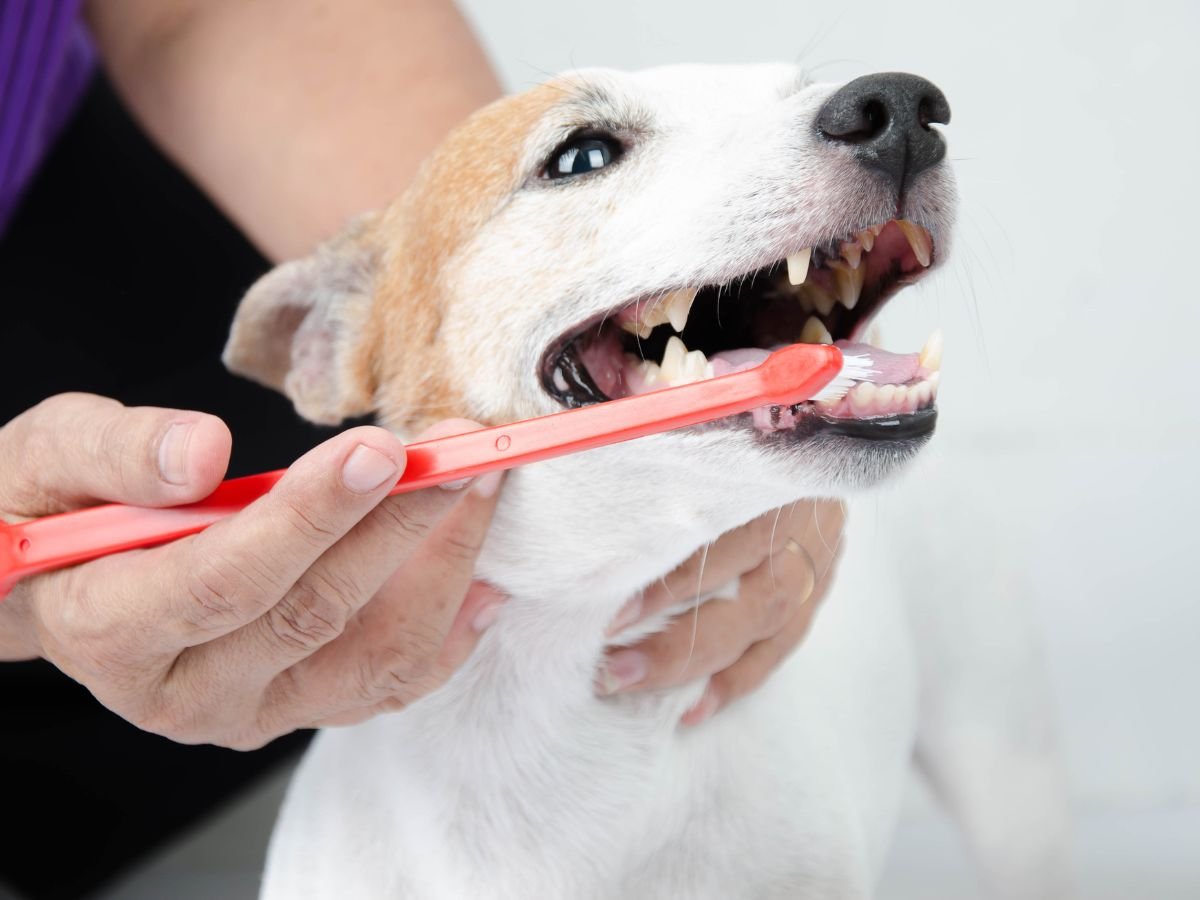
- Double-Headed Toothbrush:Designed to clean both sides of the tooth simultaneously, it’s ideal for larger breeds with big mouths.
- Single-Headed Toothbrush:Resembling a human toothbrush, this is versatile and works well for most dogs.
Have you ever tried brushing your dog’s teeth with a finger brush? It can make the process feel more like a gentle massage, rather than a chore.
Selecting The Right Toothpaste
Human toothpaste is a no-go for dogs due to harmful ingredients like fluoride. Instead, choose a specially formulated dog toothpaste.
- Flavor Options:From chicken to peanut butter, these flavors can make brushing time feel like treat time.
- Enzymatic Formulas:These contain enzymes that help break down plaque and tartar without the need for brushing rigorously.
- Natural Ingredients:For health-conscious pet parents, natural formulas without artificial additives are available.
Did you know some dogs lick the toothpaste right off the brush? This is why selecting a flavor they love can make all the difference. What flavor do you think your dog would enjoy the most?
Credit: www.facebook.com
Step-by-step Brushing Guide
Keeping your dog’s teeth clean is important for their health. Regular brushing helps prevent dental issues. Here’s a simple guide to brush your dog’s teeth.
Preparing Your Dog
Start by choosing the right toothbrush. Pick one designed for dogs. A soft brush works best. Select a pet-friendly toothpaste. Human toothpaste isn’t safe for dogs.
Get your dog comfortable with the brush. Let them sniff it. Reward them with a treat. This builds a positive association. Next, introduce the toothpaste. Place a small amount on your finger. Allow your dog to taste it. This familiarizes them with the flavor.
Choose a quiet time for brushing. Ensure your dog is calm. Sit or kneel beside them. Gently hold their muzzle. Speak softly to soothe them.
Proper Brushing Techniques
Lift your dog’s lips gently. Expose their teeth and gums. Hold the brush at a 45-degree angle. Use gentle, circular motions. Focus on the gum line. This area collects plaque easily.
Brush a few teeth at a time. Gradually increase the number. Be patient and gentle. Spend about two minutes brushing. Ensure you cover all teeth.
Rinse the brush after each session. Offer your dog a treat. This rewards their cooperation. Make brushing a regular habit. Aim for at least two to three times a week.
Alternative Dental Care Options
Brushing a dog’s teeth is important, but not always possible. Some dogs resist brushing, making it stressful for both. Thankfully, there are alternative dental care options available. These methods help keep your dog’s teeth healthy without a struggle. Let’s explore some effective alternatives for maintaining your dog’s dental hygiene.
Dental Treats And Chews
Dental treats and chews are a popular choice among pet owners. They are designed to help clean a dog’s teeth as they chew. These products can reduce plaque buildup and promote fresh breath. Choose treats that are specially formulated for dental health. Look for options with the Veterinary Oral Health Council (VOHC) seal of approval. This ensures they meet the standards for dental effectiveness.
Chews come in various shapes and sizes to suit different breeds. Some chews have unique textures that scrub the teeth, reaching hard-to-clean areas. Always supervise your dog when giving them chews to prevent choking. Dental treats and chews offer a tasty and fun way to support oral health.
Professional Cleaning Services
Professional cleaning services provide a thorough dental checkup for your dog. Vets use specialized tools to clean below the gum line. This is where most owners cannot reach with regular brushing. Professional cleanings can prevent serious dental issues and infections.
Regular vet visits for dental checkups are crucial. Your vet can advise on how often your dog needs a professional cleaning. This depends on their breed, age, and dental health. Professional cleanings might require anesthesia, so discuss the risks with your vet. They are an essential part of a comprehensive dental care plan.

Credit: dogsbestlife.com
Tips For Maintaining Oral Health
Maintaining your dog’s oral health is crucial for their overall well-being. Just like humans, dogs can suffer from dental issues that lead to discomfort and health problems. Implementing a regular oral care routine can prevent these issues and keep your furry friend happy and healthy. Here are some practical tips for maintaining your dog’s oral health.
Regular Check-ups
Scheduling regular veterinary check-ups is essential for monitoring your dog’s oral health. During these visits, vets can identify any early signs of dental disease and provide professional cleanings if necessary. It’s a proactive step that ensures any potential issues are addressed before they become serious.
How often do you take your dog to the vet? If it’s only for vaccinations, consider adding dental check-ups to the list. Regular inspections can save your dog from painful experiences and costly treatments later.
Monitoring Diet And Habits
Your dog’s diet plays a significant role in their oral health. Opt for high-quality dog food that promotes dental health and avoids sugary treats that can lead to plaque buildup. Some foods are specially formulated to reduce tartar and improve gum health.
Observe your dog’s habits. Do they chew on toys or bones? Providing dental chews can be a fun way to clean their teeth. Notice their behavior and adapt accordingly. It’s about finding what works best for your pet’s unique needs.
Remember, small changes in diet and habits can have a big impact on your dog’s dental health. What dietary adjustments can you make to support their oral care?
Myths And Misconceptions
Many pet owners believe brushing a dog’s teeth is unnecessary. This misconception can lead to dental issues. Understanding these myths helps promote better pet health.
Common Misbeliefs
Some people think dogs don’t need dental care. They assume natural chewing cleans teeth. This belief is widespread. Sadly, it ignores crucial dental hygiene practices. Another myth is that dog breath is always bad. Many see it as normal.
Fact Vs Fiction
Dogs need dental care like humans. Chewing alone doesn’t prevent plaque. Regular brushing is essential to avoid dental diseases. Bad breath isn’t always typical. It can signal oral problems. Healthy teeth mean a happy dog.
Frequently Asked Questions
Why Is It Important To Brush A Dog’s Teeth?
Brushing a dog’s teeth prevents plaque buildup and dental diseases. It helps in maintaining healthy gums and teeth. Regular brushing can also prevent bad breath and other health issues. It’s crucial for a dog’s overall health and well-being.
How Often Should I Brush My Dog’s Teeth?
Ideally, brush your dog’s teeth daily. If that’s not possible, aim for at least three times a week. Consistent brushing helps prevent plaque accumulation and dental problems. Establishing a routine will make the process easier for both you and your dog.
What Happens If You Don’t Brush A Dog’s Teeth?
Neglecting dental care can lead to plaque buildup and gum disease. This can result in bad breath and tooth loss. Over time, it can also affect a dog’s overall health, potentially leading to heart and kidney issues.
Can I Use Human Toothpaste For My Dog?
No, human toothpaste is not safe for dogs. It contains ingredients like fluoride that are harmful if swallowed. Use specially formulated dog toothpaste. These are safe and often come in flavors that dogs enjoy, making brushing more pleasant.
Conclusion
Brushing your dog’s teeth is crucial for their overall health. It helps prevent gum disease and bad breath. Regular brushing can also save on vet bills. Start slowly if your dog resists. Use a dog-friendly toothbrush and toothpaste. Make dental care a routine part of their life.
Your dog will thank you with a healthy smile. Remember, a little effort goes a long way. Keep your furry friend happy and healthy. Oral care is just as important for dogs as it is for humans. Make it a priority today.