How a Harness Should Fit a Dog: Essential Guidelines
Senior Canine Nutritionist & Dog Behavior Specialist at Cozy Dog Go Wellness Lab
Your dog’s comfort and safety are top priorities, especially when it comes to choosing the right harness. You’ve probably seen many styles and sizes on the market, but how do you know which one truly fits your furry friend?
A well-fitting harness is more than just a tool for walking; it’s a crucial element in ensuring your dog’s well-being. Imagine walking your dog without the worry of slipping out or discomfort. Picture the peace of mind knowing your dog is secure and happy.
You’ll discover the secrets to finding the perfect fit, ensuring your dog’s harness is not only secure but also comfortable. With practical tips and insights, you’ll learn how to transform every walk into a delightful experience for both you and your pet. Ready to make your dog’s next adventure the best it can be? Keep reading to unlock the ultimate guide on how a harness should fit a dog.
Credit: www.instagram.com
Choosing The Right Harness
Choosing the right harness for a dog ensures comfort and safety. The harness should fit snugly but not too tight, allowing two fingers to slide between the harness and the dog’s body. Proper fit prevents chafing and keeps your dog secure during walks.
Choosing the right harness for your dog is crucial. A well-fitting harness ensures your pet’s comfort and safety. With various types available, selecting the right one can be challenging. Understanding the different options helps make an informed decision.Types Of Dog Harnesses
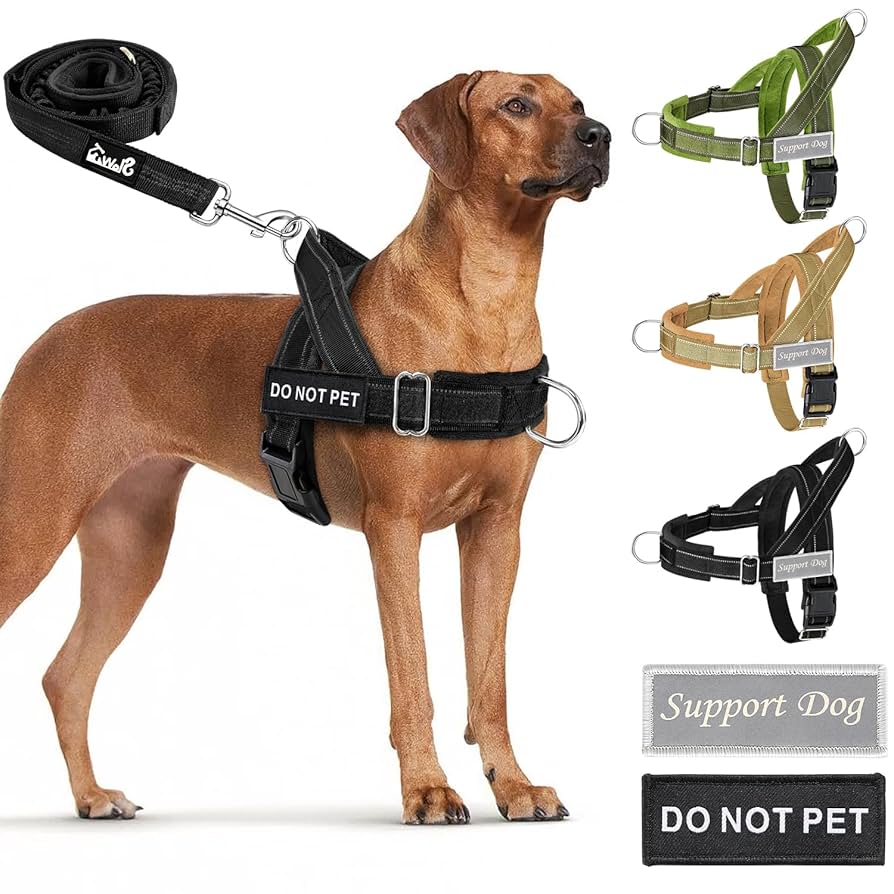
Dog harnesses come in different styles. Each serves a unique purpose.- Back-clip harness: Ideal for small dogs, easy to put on.
- Front-clip harness: Offers better control, reduces pulling.
- Dual-clip harness: Versatile, combines back and front clips.
- Step-in harness: Simple design, suitable for calm dogs.
Material Considerations
Material affects a harness’s durability and comfort. Common materials include nylon, leather, and mesh.- Nylon: Durable, affordable, available in various colors.
- Leather: Strong, stylish, softer with age.
- Mesh: Breathable, lightweight, ideal for hot climates.
Measuring Your Dog
A well-fitted dog harness ensures comfort and safety during walks. Measure your dog’s chest and neck accurately. This prevents discomfort and enhances control, ensuring your pet enjoys a secure and comfortable fit.
Measuring your dog for a harness might seem straightforward, but it requires precision to ensure a perfect fit. A well-fitted harness not only guarantees comfort but also enhances safety during walks. Improper measurements could lead to a harness that’s too tight or too loose, making it uncomfortable for your furry friend. So, how can you ensure you get it right the first time? Let’s dive into the details of measuring your dog accurately.Tools For Accurate Measurement
To start, gather the right tools to make the process seamless. A flexible measuring tape is ideal for getting the most accurate dimensions. If you don’t have one, a piece of string and a ruler can serve as a makeshift option. Make sure your dog is calm and standing still. This helps in getting consistent measurements. Having a treat handy can keep your dog engaged and cooperative throughout the process.Key Measurements Needed
When measuring your dog, focus on three key areas: neck, chest, and back.- Neck:Measure the circumference of your dog’s neck where the collar would naturally sit.
- Chest:Find the widest part of your dog’s chest, usually just behind the front legs. Wrap the tape snugly around this area.
- Back:Measure from the base of the neck to the base of the tail. This helps in ensuring the harness length is appropriate.
Adjusting The Harness
Adjusting your dog’s harness is crucial for comfort and safety. A well-fitted harness prevents discomfort and chafing. It ensures that your dog is secure during walks. Let’s explore how to adjust the harness effectively.
Strap Placement Tips
Place the straps correctly for a secure fit. The chest strap should sit low on the chest, not across the neck. This avoids pressure on the throat. The belly strap should run behind the front legs. Ensure it does not rub or irritate the skin. Check the back strap to ensure it’s snug but not tight.
Ensuring A Snug Fit
A snug fit means the harness is secure yet comfortable. You should be able to fit two fingers under each strap. This prevents the harness from being too tight. If the harness is too loose, it might slip off. Adjust the straps for a balanced fit. Your dog should move freely without restriction.
Credit: www.instagram.com
Checking For Comfort
Proper harness fit ensures your dog’s comfort and safety during walks. Adjust straps for a snug fit, but allow enough room for two fingers to slide under. Ensure the harness doesn’t restrict movement or rub against skin, promoting pleasant outings.
Checking for Comfort Ensuring your dog’s harness fits comfortably is essential for their safety and happiness. A well-fitting harness should allow your dog to move freely without causing chafing or discomfort. But how can you be sure your furry friend is truly at ease?Signs Of Discomfort
Your dog can’t verbally tell you when something’s wrong, so it’s up to you to notice the signs. Look for excessive scratching at the harness area or frequent attempts to wriggle out of it. These behaviors can indicate that the harness is too tight or rubbing uncomfortably against their skin. Another telltale sign is a change in your dog’s behavior. If they suddenly seem less enthusiastic about walks, the harness might be the culprit. Pay attention to any whining or reluctance when it’s time to put the harness on.Testing Movement And Flexibility
Once the harness is on, observe your dog’s movement. Can they run, jump, and play as usual? A good harness should not restrict their natural movements. Try a simple test: use two fingers to check the fit. You should be able to slide them easily between the harness and your dog’s body. If you can’t, it’s too tight; if there’s too much room, it might slip off. Take your dog for a short walk to see how they react. Do they walk naturally, or does the harness seem to hinder their stride? A quick stroll can reveal a lot about the harness’s fit and comfort. Remember, your dog’s comfort is paramount. Would you wear a pair of shoes that pinched or slipped off? Your dog deserves the same level of comfort in their harness.Safety Considerations
Ensuring a harness fits a dog correctly is crucial for their comfort and safety. The harness should be snug but not too tight, allowing two fingers to fit between the harness and the dog’s body. This helps prevent slipping and ensures secure control during walks.
Ensuring your dog’s harness fits correctly is not just about comfort; it’s about safety. An ill-fitting harness can lead to a range of problems that might not be apparent at first. From chafing to security concerns, these issues can harm your dog over time. Let’s dive into the critical safety considerations to ensure your furry friend is both comfortable and secure.Avoiding Chafing And Irritation
Chafing is a common issue with poorly fitted harnesses. If you’ve ever worn shoes that rub your heels, you can relate to the discomfort your dog might experience. Ensure the harness is snug but not tight. Look for soft materials like padded neoprene or breathable mesh. These materials reduce friction and minimize the risk of irritation. Check your dog’s skin regularly for any redness or signs of discomfort.Assessing Durability And Security
When selecting a harness, durability is key. It’s not just about how long the harness will last, but how safe it will keep your dog during walks. Imagine your dog lunging at a squirrel and the harness breaks—it’s a scary thought, right? Choose harnesses with reinforced stitching and robust buckles. Test the strength of the clips before each walk. Consider a double-clip harness for extra security, especially if your dog is a strong puller. Ultimately, your dog’s safety comes first. Invest in a high-quality harness that offers both comfort and reliability. What measures have you taken to ensure your dog’s harness is safe?Common Mistakes To Avoid
Choosing the right harness for your dog is crucial for safety and comfort. Many pet owners make common mistakes that can lead to discomfort or even injury. Understanding these mistakes ensures a better fit and a happier dog.
Incorrect Sizing Issues
One of the most frequent mistakes is selecting the wrong size. A harness that is too tight can cause chafing and restrict movement. Conversely, a loose fit might allow the dog to slip out and escape. Measure your dog’s chest and neck accurately before purchasing. Refer to the manufacturer’s sizing chart for guidance.
- Use a soft measuring tape for accuracy.
- Check the fit with two fingers; they should fit snugly.
Ignoring Your Dog’s Breed Needs
Different breeds have distinct body shapes. Ignoring these can lead to discomfort. For example, dogs with broad chests, like bulldogs, need specific styles. Thin-framed breeds, such as greyhounds, require harnesses that distribute weight evenly.
- Research harness types suited for your dog’s breed.
- Consider special features like padding for sensitive breeds.
A proper fit respects your dog’s anatomy and preferences. Avoid these mistakes for a happier, healthier pet on your walks together.
Training With A Harness
A well-fitted harness provides comfort and safety for your dog. Ensure it sits snugly without chafing, allowing two fingers to fit between the harness and the dog’s body. Proper adjustments prevent slipping and ensure control during walks.
Training with a harness can make walks more enjoyable. A well-fitting harness ensures safety and control. It helps in guiding your dog gently. Training your dog with a harness involves a few key steps. These steps build trust and understanding. Let’s explore how to train your dog with a harness.Building Positive Associations
Make the harness a positive experience. Show it to your dog and let them sniff it. Offer treats and praise when they interact with the harness. Gradually put it on without fastening. Reward them with treats again. This creates a positive link with the harness. Repeat this a few times each day. Soon, your dog will feel comfortable wearing it.Effective Walking Techniques
Start with short walks in a quiet area. Keep the leash loose to avoid pulling. Encourage your dog with treats for walking by your side. Use a calm voice to guide them. If your dog pulls, stop walking. Wait for them to calm down. Reward them when they return to your side. Practice this regularly for consistent results.
Credit: www.reddit.com
Frequently Asked Questions
How Tight Should A Dog Harness Be?
A dog harness should be snug but not too tight. You should be able to fit two fingers between the harness and your dog’s body. This ensures comfort and prevents chafing while keeping your dog secure. Regularly check the fit as your dog may grow or change size over time.
Can A Loose Harness Harm My Dog?
Yes, a loose harness can harm your dog. It can lead to chafing, slipping out, and potential injury. A properly fitted harness ensures safety and comfort. Always adjust the harness to fit snugly without restricting movement. Regular adjustments are key to maintaining the right fit.
What Size Harness Does My Dog Need?
Choosing the right size harness depends on your dog’s measurements. Measure around the widest part of their chest. Refer to size charts from the harness brand. Ensure the harness fits snugly but allows two fingers between the harness and your dog.
Regularly check and adjust the fit as needed.
How Do I Adjust A Dog Harness?
To adjust a dog harness, locate the adjustable straps. Loosen or tighten them for a snug fit. Ensure two fingers can fit between the harness and your dog. Adjust as needed for comfort and security. Regular checks and adjustments help maintain the proper fit as your dog grows or changes size.
Conclusion
A well-fitted harness ensures your dog’s safety and comfort. Measure your dog carefully before choosing a harness. Check for snugness without tightness. You should fit two fingers under the harness. Adjust straps regularly as your dog grows or changes size.
Observe your dog’s movement to ensure ease. A proper fit prevents escape and reduces injury risk. Remember, your dog’s comfort is key. Choose the right material for their skin and fur. Always consult a vet if unsure about fit or style.
Your dog deserves the best fit for happy walks together.

Similar Posts