How Do You Fit a Dog Harness: Step-by-Step Guide
Senior Canine Nutritionist & Dog Behavior Specialist at Cozy Dog Go Wellness Lab
Have you ever struggled to fit a dog harness on your furry friend? You’re not alone.
Many dog owners find themselves wrestling with straps and buckles, trying to ensure their pet is comfortable and secure. But don’t worry, fitting a dog harness doesn’t have to be a daunting task. Imagine the peace of mind you’ll have knowing your dog is safely harnessed, ready for any adventure.
With the right guidance, you can turn this challenge into a simple routine. You’ll discover easy steps to fit a harness perfectly, enhancing both your dog’s safety and your peace of mind. Ready to transform your walks? Let’s dive in!
Choosing The Right Harness
Choosing the right harness for your dog is crucial for comfort and safety. A well-fitted harness can prevent injuries and make walks more enjoyable. With many options available, it’s important to know what suits your dog best.
Types Of Dog Harnesses
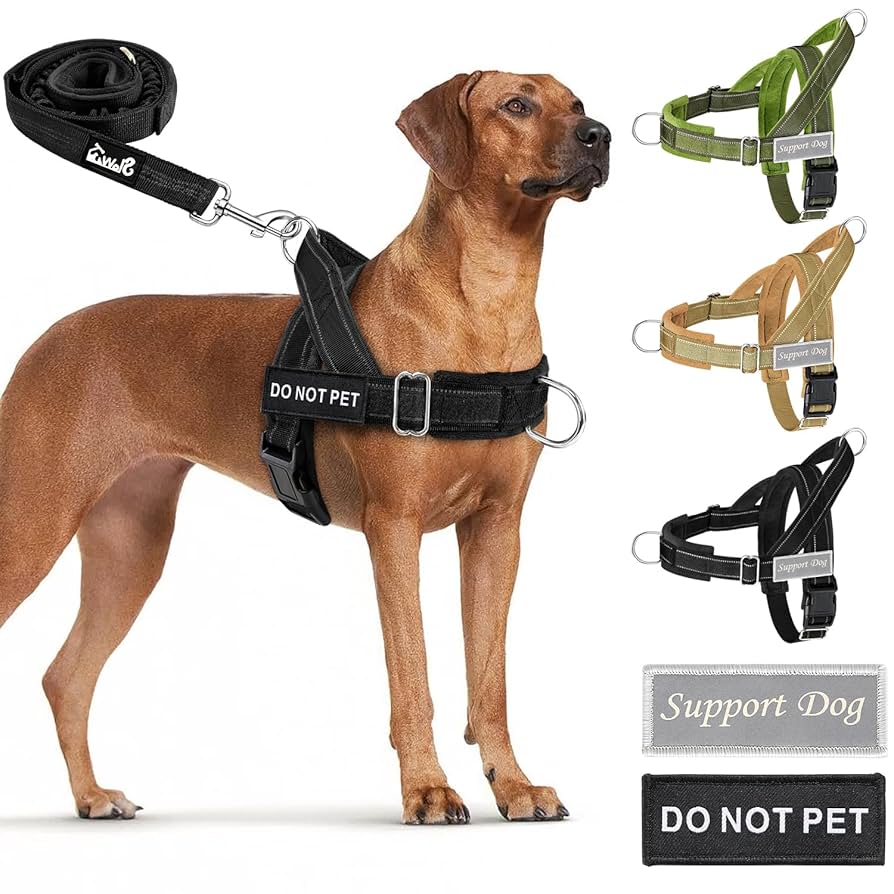
Dog harnesses come in various styles. Each style serves different purposes. Standard harnesses wrap around the chest and back. These are good for everyday use. No-pull harnesses help control dogs that pull. They have a front clip that discourages pulling. Step-in harnesses are simple and easy to put on. They are great for dogs who dislike overhead harnesses.
Sizing And Measurements
Proper sizing is essential for a comfortable fit. Measure your dog’s girth, which is the widest part of their chest. Use a flexible tape measure for accuracy. Consult the manufacturer’s sizing chart. This ensures you pick the correct size. A well-fitted harness should be snug but not tight. You should be able to fit two fingers between the harness and your dog’s body.
Credit: www.instagram.com
Preparing Your Dog
Ensuring a comfortable fit for your dog’s harness is crucial. Start by selecting a suitable size based on the dog’s measurements. Adjust the straps to allow two fingers between the harness and the dog’s body.
Preparing your dog for a harness fitting is essential for a smooth experience. Dogs can be nervous when trying something new. It’s important to create a relaxed environment. Start by choosing a quiet space. This helps minimize distractions. Gather the harness and treats before you begin. A calm dog is easier to handle. Here are some techniques to prepare your dog.Calming Techniques
Use a soft voice to reassure your dog. Gentle petting can soothe them. Spend a few minutes playing with their favorite toy. This helps lower anxiety levels. Some dogs respond well to music. Try playing soft tunes. Keep movements slow and steady. Sudden actions can startle them. A relaxed dog is more cooperative.Positive Reinforcement
Reward your dog for calm behavior. Offer treats during the process. Praise them with cheerful words. This builds a positive association. Use treats strategically. Give them during each step of fitting. This encourages cooperation. Positive reinforcement strengthens trust. A happy dog makes fitting easier.Putting On The Harness
Selecting the right dog harness ensures comfort and safety. Secure the harness over your dog’s head and adjust the straps snugly. Ensure it’s not too tight or loose, allowing two fingers to fit between the harness and your dog’s body.
Putting on a dog harness might seem like a simple task, but getting it right is crucial for your dog’s comfort and safety. A properly fitted harness can make walks more enjoyable for both you and your furry friend. But how do you ensure it’s adjusted correctly? Let’s dive into the process and get your pup ready for their next adventure.Positioning The Harness
Start by gently slipping the harness over your dog’s head. Ensure the D-ring, where you’ll attach the leash, is positioned on the back. Check that the harness is not twisted and lies flat against the dog’s fur. A snug fit is essential, but it shouldn’t be tight enough to cause discomfort. Think of it as adjusting a seatbelt—secure but not restrictive. Consider your dog’s breed and size, as this can affect how the harness fits. A larger dog might need a different style than a smaller one.Securing The Straps
Once the harness is in position, it’s time to secure the straps. Make sure the straps are threaded through the appropriate buckles. Adjust the straps so they fit snugly around your dog’s body. You should be able to fit two fingers between the strap and your dog’s body. A too-loose harness might slip off, while a too-tight one can be uncomfortable. Pay attention to your dog’s behavior—if they seem uneasy, you might need to readjust. Have you ever noticed how your dog reacts to different harness types? Their comfort can often guide you to the perfect fit.Credit: joyrideharness.com
Frequently Asked Questions
How To Choose The Right Dog Harness Size?
To choose the right harness size, measure your dog’s chest and neck. Compare these measurements with the harness manufacturer’s sizing chart. Ensure it’s snug but not tight. You should be able to fit two fingers between the harness and your dog’s body for comfort and safety.
What Is The Best Type Of Harness For Dogs?
The best harness type depends on your dog’s size and behavior. Front-clip harnesses are great for pullers. Back-clip harnesses are ideal for small dogs. Dual-clip harnesses offer versatility. Consider your dog’s needs and consult a professional if unsure.
How To Put A Harness On A Dog?
To put on a harness, first, let your dog sniff it. Then, place it over their head or step them into it. Secure the buckles and adjust the straps for a snug fit. Ensure it’s not too tight or loose to prevent discomfort or escape.
Can A Harness Harm My Dog?
A properly fitted harness should not harm your dog. If it’s too tight, it can cause chafing or restrict movement. If too loose, it might lead to escape or injury. Regularly check the fit and condition of the harness to ensure your dog’s safety.
Conclusion
Fitting a dog harness can be simple with the right steps. Measure your dog’s chest and neck accurately. Choose a harness that fits snugly but comfortably. Adjust the straps to ensure safety and comfort. Always check for any skin irritation or discomfort.
Practice putting on the harness to make it easier. With time, your dog will feel comfortable. A well-fitted harness makes walks more enjoyable. It ensures your dog’s safety and your peace of mind. So, follow these steps and enjoy your time outdoors with your furry friend.
Happy walking!

Similar Posts