
How Much Does It Cost to Amputate a Dog’s Leg: Essential Guide
Facing the possibility of your beloved dog needing a leg amputation can be an overwhelming and emotional experience. You want the best care for your furry friend, but the question of cost can add an extra layer of stress.
How much does it really cost to amputate a dog’s leg? Understanding the financial aspects can help you make informed decisions without feeling blindsided. You’ll uncover not just the expenses involved, but also gain insights into what to expect throughout the process.
By the end, you’ll feel more equipped to handle this challenging situation with confidence and care for your pet’s well-being. Stay with us as we break down the costs and factors to consider, ensuring you’re prepared for what lies ahead.
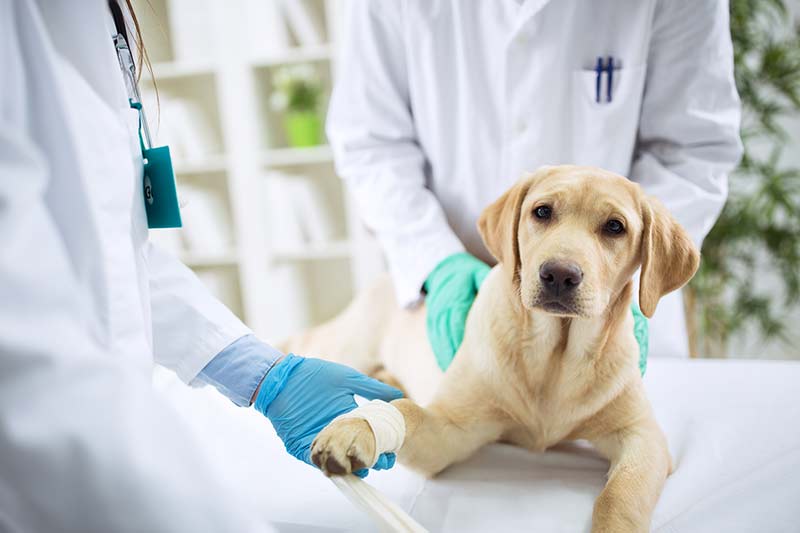
Credit: vety.com
Factors Influencing The Cost
The cost of amputating a dog’s leg can vary widely. Several factors influence these costs. Understanding these factors can help you plan financially. Let’s explore the most significant elements affecting the cost.
Veterinary Fees
Veterinary fees are a major part of the cost. The experience and reputation of the vet can affect these fees. Location also plays a role. Urban areas often have higher fees than rural locations. These fees cover the vet’s time, skill, and facility use.
Pre-surgery Tests
Pre-surgery tests are crucial for a successful operation. Blood tests and X-rays check the dog’s health. These tests help vets plan the surgery safely. The type and number of tests needed can vary. This variance affects the overall cost.
Post-surgery Care
Post-surgery care ensures a smooth recovery. It includes pain management and wound care. Follow-up visits to the vet may be needed. These visits monitor healing and adjust medications. The length and complexity of post-surgery care can increase costs.
Regional Variations In Pricing
When considering the cost of amputating your dog’s leg, one of the most surprising factors can be where you live. Prices can vary significantly from one region to another, influenced by the availability of veterinary services, local economic conditions, and even cultural attitudes towards pet care. Understanding these regional variations can help you plan better and make informed decisions.
Urban Vs. Rural Costs
Living in a city often means higher prices for veterinary services. Urban areas have access to state-of-the-art facilities, highly specialized veterinarians, and advanced medical equipment, all of which come at a premium. In contrast, rural areas might offer more affordable rates due to lower operating costs and less competition. However, rural clinics might not offer the same level of specialization or immediate access to advanced care.
Think about the convenience factor too. Urban vets might be closer, saving you travel time and costs. Rural settings might require longer journeys, adding to expenses. Does your choice of location balance cost and convenience effectively?
International Price Differences
If you’re considering treatment abroad, brace yourself for a wide range of prices. In countries with lower living costs, veterinary services might be cheaper, but be sure to assess the quality of care. European countries may have higher costs but offer excellent facilities and care standards.
It’s worth researching if the savings abroad justify travel expenses and potential logistical challenges. Could an international option offer you the best of both worlds in terms of quality and affordability?
Insurance And Financial Aid
Amputating a dog’s leg can cost between $500 and $2,000. Insurance may cover part of these expenses. Financial aid programs can also help reduce the burden on pet owners.
Insurance and financial aid can ease the burden of veterinary costs. Amputating a dog’s leg may be necessary, but the cost can be high. Knowing available options is vital for pet owners.Pet Insurance Coverage
Pet insurance often covers surgery costs, including amputations. Plans vary in coverage details. Some may cover the full cost, while others pay a percentage. Check what your policy includes. Pre-existing conditions might affect coverage. Always read the fine print.Financial Assistance Programs
Various organizations offer financial help for pet surgeries. Nonprofits can provide grants or loans. Some veterinary clinics have fund programs for those in need. Research local options for aid. Eligibility requirements differ, so check each program’s criteria.Choosing The Right Veterinary Clinic
Choosing the right veterinary clinic is crucial for your dog’s health. The cost of amputating a dog’s leg varies based on the clinic you choose. Ensuring your pet receives the best care is essential. Several factors influence the choice of a veterinary clinic. Consider reputation, experience, and facility quality. These aspects ensure your pet’s safety and well-being. Let’s explore each factor in detail.
Reputation And Experience
A clinic’s reputation speaks volumes about its services. Check online reviews and client testimonials. Positive feedback indicates trust and satisfaction. Experienced veterinarians provide better care. They handle complex procedures with skill. Years of service reflect their expertise. Ask about their experience with amputations. A skilled vet ensures a smoother operation.
Facility Quality
The clinic’s facility quality impacts your dog’s care. Modern equipment means precise procedures. Cleanliness is a sign of professionalism. A clean clinic prevents infections. Spacious facilities offer comfort to pets. Check for emergency care availability. It’s vital for unforeseen complications. A well-equipped clinic provides comprehensive care.
Post-amputation Recovery Expenses
After a dog’s leg amputation, recovery expenses can be a concern. Owners must consider various costs for a smooth healing process. These expenses can vary based on the dog’s needs and care plan.
Medication Costs
Pain relief and antibiotics are common after surgery. These medications help manage pain and prevent infection. Costs depend on the dog’s size and the type of medication. Some dogs may need special drugs for anxiety or inflammation. Always follow the vet’s prescription for best results.
Rehabilitation And Therapy
Physical therapy aids in regaining strength and balance. Sessions may include exercises and massages. Therapy helps dogs adapt to their new mobility. Costs vary based on frequency and type of therapy. Hydrotherapy is beneficial for some dogs, offering low-impact exercise. Consult with professionals for tailored rehabilitation plans.
Long-term Care And Maintenance
Amputating a dog’s leg can cost between $500 and $3,000. Expenses vary based on the clinic, location, and dog’s size. Long-term care may include follow-up visits, medications, and prosthetics, adding to the overall cost.
Long-term care and maintenance are crucial after a dog’s leg amputation. Ensuring your pet’s comfort and health involves several aspects. Proper care can significantly enhance their quality of life. This section explores two important elements of post-amputation care.Mobility Aids
Mobility aids can greatly help your dog. These tools include wheelchairs, harnesses, and ramps. They assist in movement and reduce strain on other limbs. Wheelchairs support dogs with difficulty in walking. Harnesses help in balancing during walks. Ramps make it easy to access higher places like couches. Always choose aids that suit your dog’s specific needs. Consult your vet for the best options.Regular Check-ups
Regular vet check-ups ensure your dog’s ongoing health. These visits monitor healing and prevent complications. Vets can adjust medications if needed. They also check for signs of arthritis or other joint issues. Early detection of problems leads to better outcomes. Consistent check-ups help in maintaining your dog’s well-being.Emotional Considerations
Amputating a dog’s leg is a tough decision. It impacts both the pet and the owner emotionally. Understanding these feelings is crucial. It helps in making informed choices and providing the best care.
Impact On Pet’s Well-being
Dogs are resilient creatures. They adapt quickly to physical changes. After amputation, many dogs continue to live active lives. They adjust to their new reality with time and patience.
Yet, the initial days can be challenging. Your pet might feel confused or stressed. Support and encouragement help them regain confidence. Simple activities, like short walks, boost their spirits.
Monitoring your dog’s mental health is vital. Changes in behavior or mood can signal distress. Providing comfort and reassurance can ease their transition.
Support For Pet Owners
As an owner, emotional support is essential. It’s normal to feel overwhelmed or anxious. Reaching out to fellow pet owners or support groups can be comforting.
Discussing your feelings with a vet can also be helpful. They can provide guidance and resources to navigate this journey. Understanding that you’re not alone can make a significant difference.
Self-care is equally important. Taking breaks and seeking support helps maintain your well-being. Remember, your pet relies on your strength and positivity.

Credit: www.facebook.com
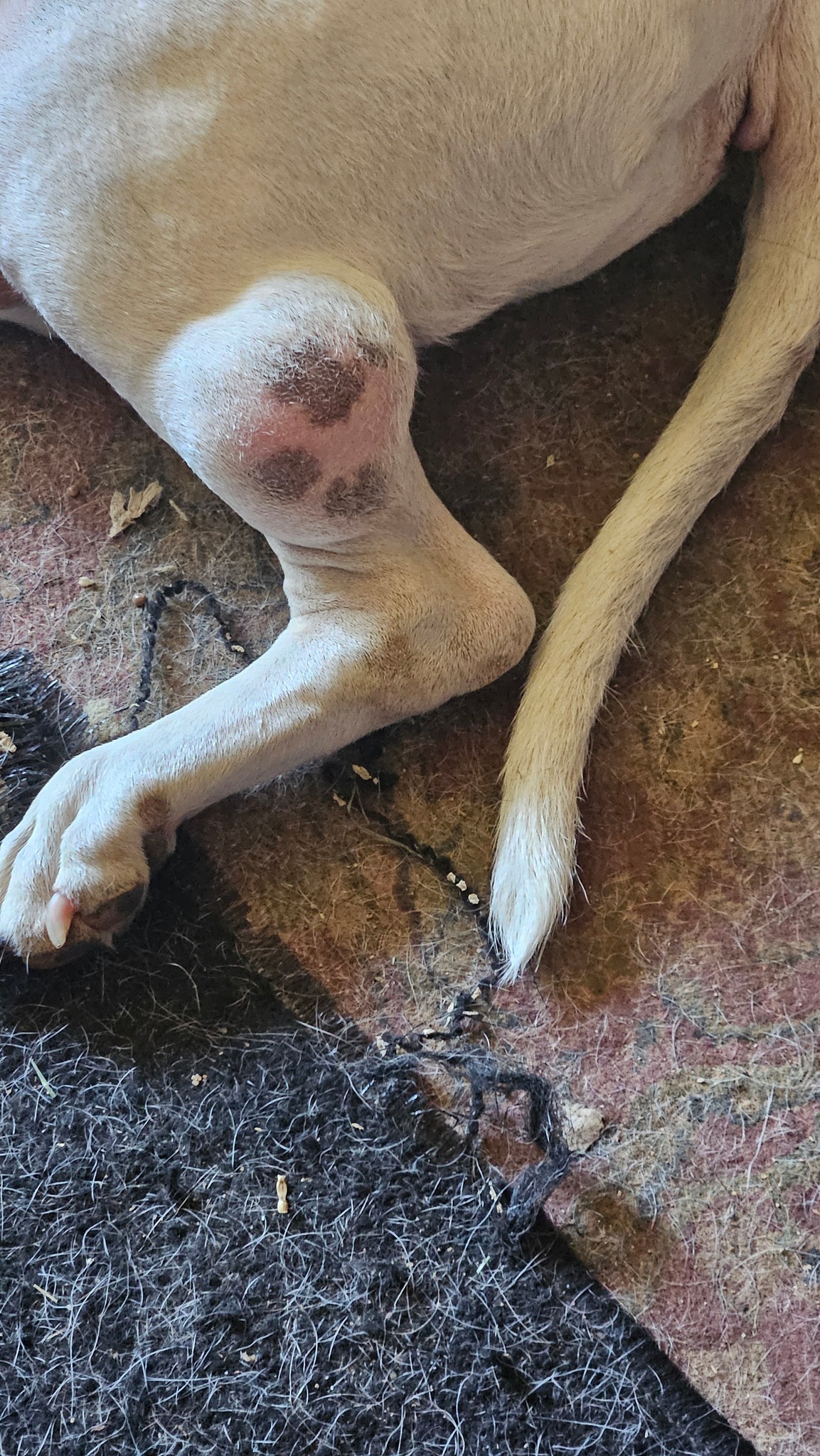
Credit: www.facebook.com
Frequently Asked Questions
What Factors Affect Dog Leg Amputation Cost?
The cost of dog leg amputation varies based on factors like location, veterinarian expertise, and the dog’s size. Additional expenses may include anesthesia, post-operative care, and medication. It’s crucial to consult your vet for a detailed estimate tailored to your dog’s specific needs.
Are There Affordable Options For Dog Amputation?
Yes, some veterinary clinics offer payment plans or discounts for dog amputations. Non-profit organizations may provide financial assistance for pet surgeries. Research local charities and veterinary schools that might offer cost-effective solutions for your dog’s leg amputation.
How To Prepare For Dog’s Amputation Surgery?
Preparing for your dog’s amputation involves understanding the procedure, recovery, and post-op care. Consult your vet for guidance on dietary changes, pain management, and physical therapy. Create a comfortable recovery space at home for your dog to ensure a smooth transition.
What Is The Recovery Time For A Dog After Amputation?
Recovery time for a dog after amputation typically ranges from two to four weeks. Factors such as age, health, and post-operative care impact healing. Regular vet check-ups and proper care can help ensure a smooth recovery for your dog.
Conclusion
Knowing the cost of dog leg amputation is crucial. It varies widely. Factors include location, vet experience, and dog size. Prices range from $700 to $2,000. Additional costs may arise. Medications, post-surgery care, and follow-up visits add up. Always consult your vet.
Discuss payment plans and options. Financial help might be available. Insurance can cover some costs. It’s important to prepare financially. Consider your dog’s comfort and needs. A successful surgery improves quality of life. Your dog deserves the best care possible.
Make informed decisions for your furry friend.