Do Dogs Have a Winter Coat: Nature’s Built-In Warmth
Senior Canine Nutritionist & Dog Behavior Specialist at Cozy Dog Go Wellness Lab
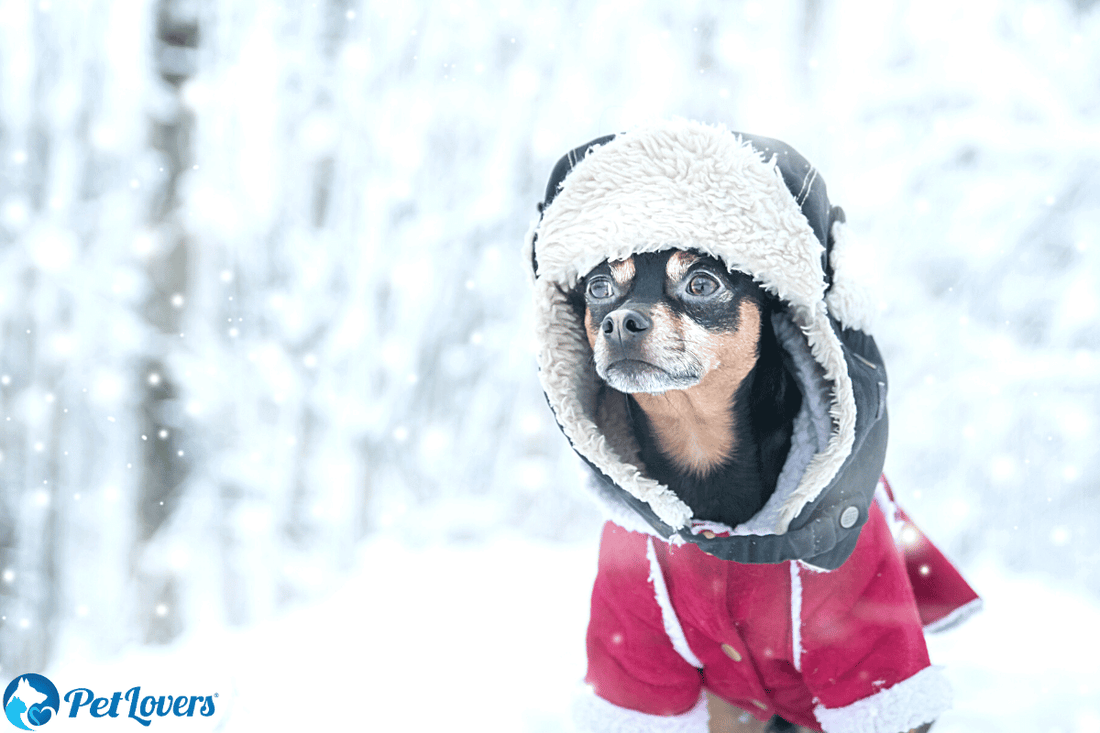
Imagine this: it’s a chilly winter morning, and you’re bundled up in your coziest sweater, sipping on a hot cup of coffee. As you look outside, you see your dog wagging its tail, eager to explore the frosty world.
You might wonder, “Does my furry friend have a winter coat to keep warm? ” This question is more common than you might think, especially as the temperatures drop. Understanding whether dogs have a natural winter coat can help you ensure your pet is comfortable and safe during the colder months.
We’ll unravel the mystery of the canine winter coat and explore how you can best support your dog’s well-being in the chillier seasons. Stick around to discover the fascinating facts about your dog’s natural insulation and how you can make winter walks enjoyable for both of you.

Credit: waudog.com
Evolution Of Canine Coats
Dog coats change with the seasons. In winter, many breeds grow thicker, warmer fur to withstand cold temperatures. This adaptation helps them stay cozy and protected from harsh weather.
The journey of canine coats through evolution is a fascinating tale of adaptation and survival. Dogs have developed an array of coat types, each uniquely suited to their environment. From the icy tundras to the sunlit savannas, these coats serve as more than just a fashion statement—they are vital for a dog’s survival and well-being.Adaptations For Survival
Dogs, like their wild ancestors, have evolved coats that help them thrive in various climates. A thick undercoat provides insulation against the cold, crucial for breeds like the Siberian Husky. Meanwhile, a sleek, thin coat helps dissipate heat, perfect for breeds such as the Greyhound in warmer regions. Have you ever observed how your dog’s coat changes with the seasons? This isn’t just a shedding nuisance; it’s an adaptation. During winter, many dogs grow a denser undercoat to trap body heat. Conversely, as summer approaches, shedding helps them cool down by losing the excess fur. Moreover, coats also serve as protection against environmental hazards. Thicker fur can ward off bites and scratches, while certain textures repel water, keeping the skin dry.Coat Variations Across Breeds
The diversity in canine coats is astounding and often aligns with a breed’s original purpose and habitat. For example, the Labrador Retriever has a water-repellent coat that aids in swimming, highlighting its history as a waterfowl retriever. Meanwhile, the Afghan Hound boasts long, flowing hair that served as protection against the harsh Afghan winds. On the other hand, the Basenji, hailing from Africa, has a short coat ideal for the hot climate. Have you ever wondered why some dogs have curly coats? Breeds like the Poodle were originally bred for water retrieval, and their curly coats trap warmth and offer buoyancy. When choosing a dog, consider how its coat might match your lifestyle and environment. Will your choice thrive in your climate, or will they need extra care to stay comfortable? These variations aren’t just random. They are a testament to the incredible adaptability of dogs, shaped by thousands of years of evolution to suit diverse environments and roles.Understanding The Winter Coat
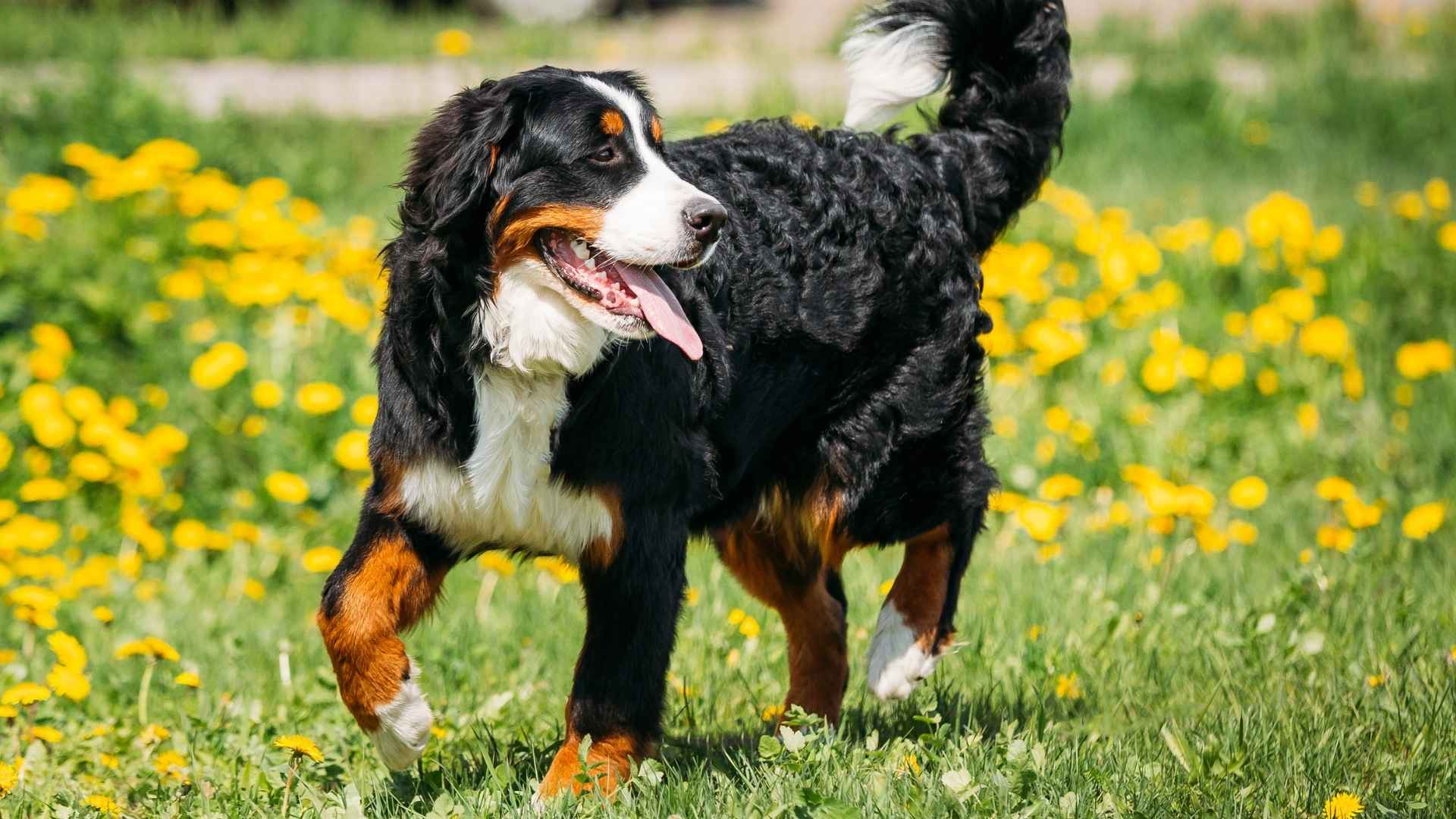
Understanding the winter coat in dogs can be fascinating. It’s much more than just a thicker layer of fur. It’s their natural defense against the cold, helping them stay warm and cozy during chilly months. If you’ve ever noticed your dog looking a bit fluffier in winter, you’re witnessing the marvel of their winter coat.
Characteristics Of Winter Coats
Winter coats in dogs are typically denser and longer. This extra layer provides insulation by trapping heat close to their bodies. You might have seen your dog’s fur looking shinier and healthier during the colder months—this is due to the protective oils that help maintain their coat.
Some breeds, like Huskies and Malamutes, have a double coat. This consists of a soft undercoat and a tougher topcoat. This dual-layer system is perfect for harsh winter conditions, offering both warmth and protection from moisture.
Growth Cycle Of Fur
Did you know that dogs have a fur growth cycle similar to humans? Their coats grow in phases—anagen (growth), catagen (transition), and telogen (rest). Before winter, many dogs enter the anagen phase, leading to a thicker coat.
As days grow shorter, the change in daylight triggers this growth cycle. It’s nature’s way of ensuring your dog is prepared for the cold. This cyclical growth means your pet will shed a lot in spring as they transition to a lighter coat.
Have you noticed when your dog sheds the most? Understanding their growth cycle can help you manage shedding and keep your home clean. Regular grooming during these transitions is key to maintaining a healthy coat.
How Dogs Stay Warm
As the cold months approach, many wonder how dogs manage to stay warm. Dogs have evolved to withstand chilly temperatures and keep their bodies cozy. Their unique fur structure plays a vital role in this process.
Insulation Properties
A dog’s fur acts like a natural insulator. It traps heat close to their body. This insulation keeps cold air away, maintaining their warmth. Each strand of fur helps in holding heat efficiently. The thickness of a dog’s fur contributes to its ability to insulate. Dogs with thicker fur can endure colder climates better.
Role Of Undercoat
The undercoat is a dense layer beneath the outer fur. It offers extra protection against the cold. This layer is softer and thicker, providing additional warmth. Not all dogs have a significant undercoat. Breeds like Huskies and Malamutes have a well-developed undercoat. These breeds thrive in icy conditions thanks to this feature.
Seasonal Shedding
Dogs, much like humans, adapt to seasonal changes, and one of their most noticeable adjustments is seasonal shedding. As temperatures drop and days shorten, dogs begin to prepare for winter by shedding their lighter summer coats in favor of a thicker, warmer layer. This natural process is essential for their comfort and protection against the cold. But what does this mean for you, as a dog owner? Let’s dive into the details of how you can prepare your furry friend for the chilly months ahead and what to expect when spring rolls around.
Preparing For Winter
As winter approaches, your dog’s body naturally starts building a winter coat, which is thicker and denser than what they sport during warmer seasons. Regular grooming during this time is crucial. It helps to remove loose fur and reduces tangles, keeping your dog’s coat healthy and insulating. Consider using a brush designed for your dog’s specific coat type to make grooming more effective. Don’t forget about nutrition! A balanced diet with sufficient fatty acids contributes to a healthier coat.
Spring Shedding Process
Once the warmer temperatures make their return, your dog will begin to shed their winter coat. This process, known as spring shedding, is often more intense than the shedding that occurs in autumn. You might notice more fur around your home, but don’t worry; it’s a natural and healthy process for your dog. To manage the extra fur, increase the frequency of brushing sessions and consider professional grooming for a more thorough clean-up. Have you ever wondered why some dogs shed more than others? Breed, age, and health play significant roles, so keep these factors in mind when planning your grooming routine.
Factors Affecting Coat Development
Dog owners often wonder how their furry friends adapt to colder seasons. A dog’s coat development is influenced by various factors. Understanding these can help ensure your pet’s comfort and health during chilly months.
Environmental Influences
The climate where a dog lives plays a huge role in coat development. Dogs in colder regions often have thicker, denser coats. This helps them stay warm and protected from harsh weather conditions. Exposure to seasonal changes also triggers coat growth. Shorter daylight hours and cooler temperatures signal the body to prepare a winter coat.
Nutritional Impact
Proper nutrition is crucial for healthy coat development. A diet rich in essential fatty acids promotes shiny, strong fur. Proteins support overall growth and repair, ensuring a resilient coat. Vitamins like biotin and omega-3 are vital. They aid in maintaining the coat’s strength and texture.
Credit: www.abc.net.au
Caring For Winter Coats
As temperatures drop, your furry friend might need a little extra care to keep their winter coat healthy and vibrant. Caring for a dog’s winter coat involves regular grooming and maintaining the fur’s health. These practices not only keep your dog comfortable but also prevent issues like matting and dry skin. Let’s dive into some practical tips and insights on how to help your dog sport the best winter coat possible.
Grooming Tips
Regular grooming is vital for maintaining your dog’s winter coat. During colder months, dogs often grow thicker fur, which can become tangled or matted. Frequent brushing helps to remove loose hair and prevents knots from forming.
- Use a brush suited to your dog’s fur type—long-haired breeds may need a slicker brush, while short-haired breeds benefit from a bristle brush.
- Schedule grooming sessions at least twice a week, adjusting frequency based on your dog’s breed and fur length.
- Consider a professional grooming session if your dog’s coat becomes difficult to manage.
Maintaining Healthy Fur
Healthy fur is not just about appearance; it’s crucial for your dog’s comfort and health. A nutritious diet supports a shiny, resilient coat. Ensure your dog’s meals include essential fatty acids, like Omega-3 and Omega-6, found in fish oils.
- Hydration is key. Make sure your dog has access to fresh water, as dry skin can lead to an unhealthy coat.
- Check your dog’s skin regularly for signs of dryness or irritation, which may be exacerbated by cold weather.
- Use canine-safe moisturizers or oils if you notice flaky skin.
Have you ever noticed your dog acting differently when the weather gets colder? Observing their behavior can provide clues about how well their winter coat is performing. By following these grooming and maintenance tips, you’ll ensure your dog stays cozy and happy throughout the winter months.
Common Misconceptions
Many people believe dogs naturally have a winter coat. This assumption often leads to misunderstandings about their needs in cold weather. Let’s explore some common misconceptions.
Myths About Fur Thickness
Many think all dogs grow thick fur in winter. This is not true for every breed. Some dogs, like Huskies, have naturally thick coats. Others, like Greyhounds, have thin fur year-round. Not all dogs are equipped for cold climates. Understanding your dog’s fur type is crucial.
Temperature Tolerance
Another common myth is that all dogs can handle cold weather. Some breeds are more tolerant of low temperatures. Northern breeds thrive in cold due to their dense coats. Smaller or short-haired breeds feel the cold quickly. Recognizing your dog’s limits ensures their comfort and safety.

Credit: waudog.com
Frequently Asked Questions
Do Dogs Naturally Grow A Winter Coat?
Yes, many dogs naturally grow a thicker coat in winter. This seasonal change helps them stay warm. However, not all breeds grow a significant winter coat. Breeds from warmer climates might not have the same adaptation. It’s important to monitor your dog’s comfort in colder months.
How Can I Tell If My Dog Needs A Coat?
Observe your dog’s behavior in cold weather. Shivering, reluctance to go outside, or curling up tightly could indicate discomfort. Dogs with thin coats or low body fat may need extra warmth. Consulting with your vet can provide personalized advice for your pet’s needs.
Are Certain Breeds Better Suited For Winter?
Yes, some breeds are better suited for cold climates. Breeds like Huskies, Malamutes, and Saint Bernards have thick coats. These coats help them endure harsh winter conditions. Short-haired or smaller breeds may require additional protection from the cold.
Can Indoor Dogs Develop A Winter Coat?
Indoor dogs might not develop a full winter coat. Constant indoor temperatures can prevent significant coat changes. However, some dogs may still grow a slightly thicker coat. It’s crucial to ensure they are adequately protected during outdoor activities in winter.
Conclusion
Dogs adapt well to winter. Many have thick coats. These coats provide warmth in cold weather. Some breeds even have double layers. It’s important to know your dog’s needs. Not all dogs have winter coats. Smaller or short-haired breeds may need extra help.
Consider a dog sweater or jacket. Keep your furry friend comfortable and happy. Regular grooming helps maintain their coat’s health. Pay attention to outdoor temperatures. Always keep an eye on your dog’s behavior. They rely on us for care. A happy dog enjoys every season with you!

Similar Posts