How Much Does It Cost to Crop a Dog’s Ears: Unveiling Prices
Senior Canine Nutritionist & Dog Behavior Specialist at Cozy Dog Go Wellness Lab

Deciding whether to crop your dog’s ears is a choice many pet owners face. But before you make a decision, you might be wondering how much it will cost.
Understanding the financial aspects can help you make an informed choice that aligns with your budget and values. You want the best for your furry friend, and that includes being fully aware of all the costs involved. From veterinary fees to post-operative care, there are several factors to consider.
This guide will break down the expenses you may encounter, offering clarity and peace of mind. Keep reading to discover what you need to know about the cost of ear cropping and how it could impact both your wallet and your pet’s well-being.
Credit: www.facebook.com
Reasons For Ear Cropping
Many dog owners choose to crop their pet’s ears. This decision often stems from various reasons. Understanding these reasons can help owners make informed choices. Here, we explore some common motivations for ear cropping.
Breed Standards
Breed standards often dictate the appearance of specific dog breeds. For some breeds, cropped ears are part of the accepted look. Breeds like Dobermans and Boxers are typical examples. This practice maintains the dog’s traditional appearance. Some breeders and owners crop ears to meet these expectations. They believe it preserves the breed’s heritage.
Health Concerns
Some owners crop ears for health reasons. They believe it reduces ear infections. Cropped ears can improve airflow to the ear canal. This might prevent moisture buildup. Moisture can lead to infections. This benefit is debated among veterinarians. Not all agree on its effectiveness. Some suggest proper ear cleaning as a better solution.
Aesthetic Preferences
Many choose ear cropping for aesthetic reasons. They prefer the look of cropped ears. It gives the dog a certain appearance. Some owners think it makes their dog look more alert. Others believe it enhances the dog’s stature. This is a personal choice and varies among owners. Each owner has their own vision for their pet’s appearance.
Factors Influencing Cost
Several factors can influence the cost of cropping a dog’s ears. The procedure’s price varies based on the veterinarian’s expertise and location. Additionally, the dog’s age and breed can also affect the overall expenses.
Understanding the cost of cropping a dog’s ears can seem complex. Many factors influence the final price. Each plays a role in determining the expenses involved. Below, we explore these factors to give you a clearer picture.
Veterinarian Experience
The experience of the veterinarian affects cost. An experienced vet often charges more. They bring expertise and confidence to the procedure. Newer vets might offer lower rates. But experience can mean fewer complications. This can save money in the long run.
Geographical Location
Where you live impacts the cost significantly. In urban areas, prices are usually higher. This reflects the higher cost of living and operating expenses. Rural areas might offer more affordable options. Research local clinics for the best rates.
Dog’s Age And Health
The age and health of your dog play a role. Younger dogs often undergo surgery more easily. Older dogs might need extra care, increasing costs. Health conditions can also add complexity. These may require additional tests or monitoring. Always discuss your dog’s health with the vet beforehand.
Breakdown Of Costs
Understanding the costs involved in cropping a dog’s ears is essential. This process involves several stages, each with its own expenses. Knowing what to expect can help you plan accordingly.
Surgical Procedure
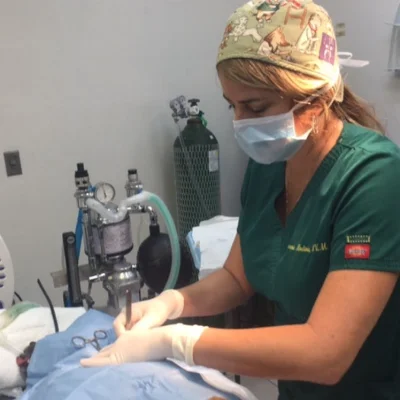
The surgical procedure is the main cost. This can range from $150 to $600. The price varies based on the veterinarian’s expertise and location. Anesthetics and surgical materials also influence the cost.
Pre-surgery Examinations
Before surgery, a vet will conduct a thorough examination. This usually costs between $50 and $100. Blood work and other tests ensure your dog is healthy for surgery.
Post-surgery Care
After surgery, your dog will need special care. Follow-up visits and medications may add $50 to $200. Proper healing is crucial, so these expenses are important. Bandages, antibiotics, and pain relief are part of this care.
Credit: barklebee.com
Frequently Asked Questions
How Much Does Dog Ear Cropping Cost?
Dog ear cropping costs vary, typically between $150 and $600. Prices depend on the vet’s experience, location, and procedure complexity. Additional costs may include consultations, aftercare, and medications. Always consult multiple veterinarians for quotes and ensure they follow ethical practices.
Is Ear Cropping Painful For Dogs?
Ear cropping can be painful for dogs. Although anesthesia is used during the procedure, post-operative pain is common. Adequate pain management and proper aftercare are essential. Consult your veterinarian for detailed guidance to ensure your dog’s comfort and recovery.
At What Age Should Dogs’ Ears Be Cropped?
Dogs’ ears are usually cropped between 8 and 12 weeks old. This age range is ideal for achieving desired ear shapes. Consult your veterinarian to discuss the best timing and ensure the procedure is suitable for your dog’s breed and health.
Are There Risks Involved In Ear Cropping?
Yes, ear cropping involves risks such as infection, anesthesia complications, and improper healing. Post-surgery care is crucial to minimize these risks. Always choose a qualified veterinarian and discuss potential risks thoroughly before proceeding with the procedure.
Conclusion
Understanding ear cropping costs helps you make informed choices. Prices vary widely across locations and clinics. Factors include anesthesia, surgery, and aftercare. Always prioritize your dog’s health and comfort. Consult with a vet to discuss risks and benefits. Ear cropping isn’t just a financial decision.
Consider ethical aspects too. Some countries even ban the practice for welfare reasons. Weigh all aspects before deciding. Your dog’s well-being comes first. Explore alternatives like training or behavioral solutions. Make choices that support your dog’s happiness and health. Your pet deserves the best care possible.
Similar Posts