How to Brush Small Dogs Teeth: A Step-by-Step Guide
Have you ever wondered if your small dog’s teeth are as clean as they could be? Just like humans, dogs need regular dental care to maintain a healthy mouth.
If you’re unsure about how to brush your small dog’s teeth, you’re not alone. Many pet owners find themselves feeling overwhelmed by this task. But don’t worry—it’s easier than you might think. Imagine the relief of knowing your furry friend is free from painful dental issues and unpleasant breath.
By learning how to properly brush your small dog’s teeth, you can ensure their comfort and health. Keep reading, and you’ll discover simple steps and tips that will make the process stress-free for both you and your pet. Your dog deserves a healthy smile, and you can make that happen!
Credit: hfu.hollywoodfeed.com
Importance Of Dental Care For Small Dogs
Dental care is crucial for small dogs. Many pet owners overlook this aspect. Neglecting dental health can lead to serious issues. Bad breath, gum disease, and tooth loss are common. Poor oral health also affects overall well-being. Regular brushing is essential for maintaining health. Early intervention can prevent costly treatments later. Understanding the importance helps ensure a happy, healthy pet.
Understanding The Risks Of Poor Dental Hygiene
Small dogs are prone to dental problems. Their teeth are packed closely together. This makes cleaning difficult. Plaque and tartar build up easily. Without care, infections can develop. These infections may lead to heart and kidney issues. Regular brushing reduces these risks significantly.
Benefits Of Regular Brushing
Brushing your dog’s teeth has many benefits. It prevents plaque buildup. This reduces the risk of gum disease. Fresh breath is another advantage. Dogs with clean teeth are happier and healthier. Owners save on vet bills by avoiding advanced dental treatments.
Signs Your Dog Needs Dental Care
Watch for signs of dental issues. Bad breath is a key indicator. Difficulty eating or chewing is another. Swollen or bleeding gums are also concerning. If your dog shows these signs, consult a vet. Early detection can prevent further complications.
How Often Should You Brush?
Daily brushing is ideal for small dogs. It helps maintain good oral health. If daily brushing is not possible, aim for a few times a week. Consistency is key to preventing dental issues. Establish a routine that works for you and your pet.
Choosing The Right Tools
Selecting the right tools is crucial for brushing small dogs’ teeth effectively. Opt for a soft-bristled toothbrush designed for pets. Choose toothpaste specifically made for dogs to ensure safety and effectiveness.
Brushing your small dog’s teeth can be a challenging task, but choosing the right tools makes it significantly easier. Imagine trying to scrub your teeth with a broom; that’s how it feels for your tiny pooch if the tools are not suitable. By selecting the correct toothbrush and toothpaste, you can transform this crucial aspect of dog care into a manageable routine. Not only does it ensure effective cleaning, but it also makes the process more comfortable for your furry friend. So, what should you look for when picking these essential tools?Selecting Dog Toothbrushes
A toothbrush designed for dogs is crucial. Human brushes are too large and abrasive for small dogs’ mouths. Opt for a toothbrush with soft bristles and a small head to reach those tiny nooks and crannies. Consider a finger brush if your dog is extra squirmy. These slip onto your finger, giving you more control and precision during brushing. Dual-headed toothbrushes are also available and can clean different angles simultaneously. This may speed up the brushing process, which is beneficial for impatient pups.Dog-friendly Toothpaste Options
Regular toothpaste isn’t safe for dogs. It contains fluoride, which can be toxic to them. Instead, choose toothpaste specifically formulated for dogs. Flavor matters! Many dog toothpastes come in flavors like chicken or beef, making the experience more enticing for your pet. Imagine brushing with chicken-flavored paste; your dog might even look forward to it! Consider natural options if your dog has allergies or sensitivities. These are typically free from artificial additives and dyes, ensuring a safer choice for delicate mouths. Choosing the right tools transforms tooth brushing from a dreaded chore into a bonding experience. What tools have you found most effective for your small dog?Preparing Your Dog For Tooth Brushing
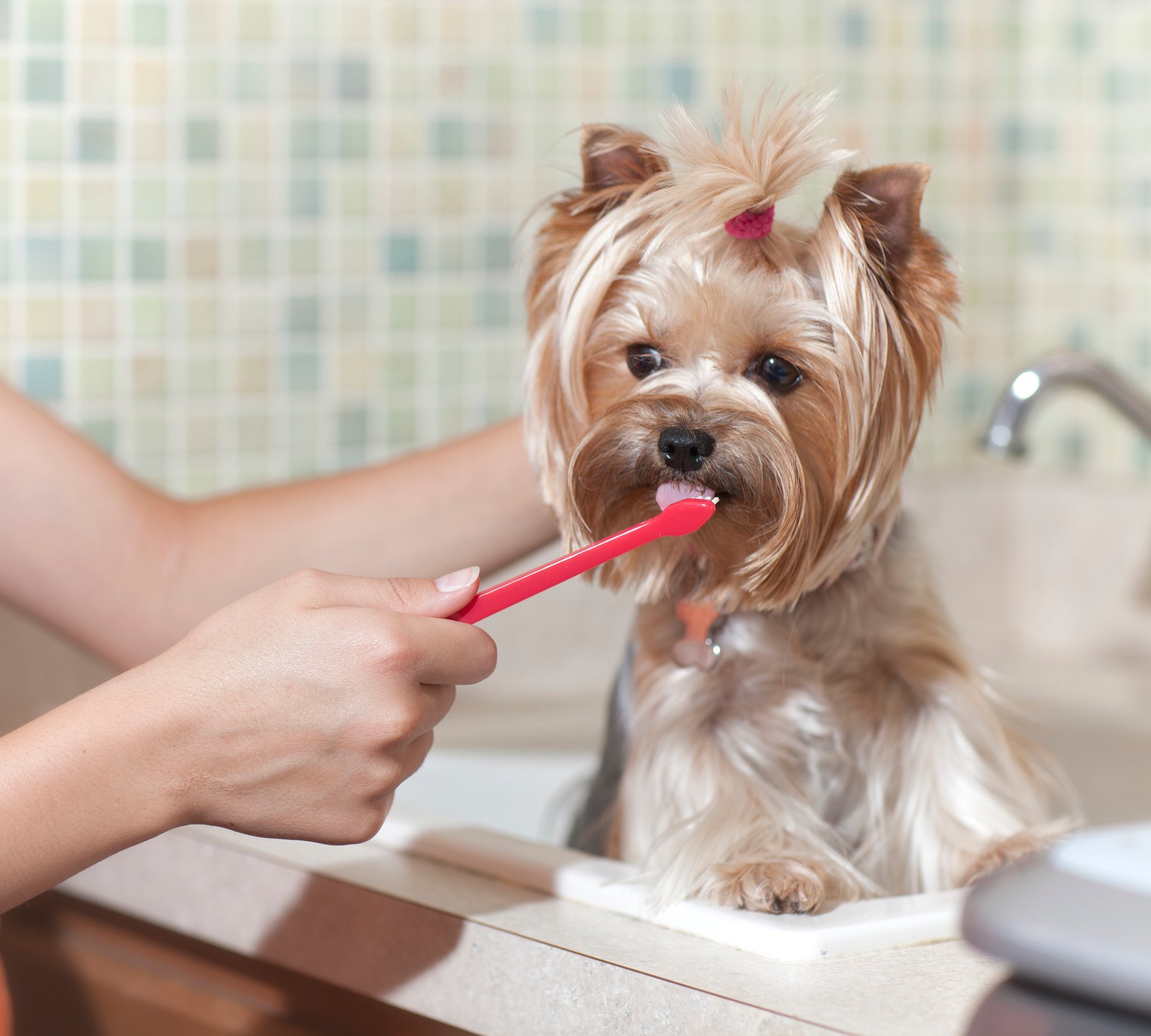
Introduce your small dog to the toothbrush gradually, making it a familiar object. Use dog-friendly toothpaste and gently brush in circular motions. Ensure comfort and patience to build a positive brushing routine.
Preparing your small dog for tooth brushing is crucial for maintaining their oral health. Many pet owners overlook this task, but it’s essential to keep your furry friend’s teeth and gums in good shape. Establishing a routine early can prevent dental issues and make the process easier for both you and your dog.Creating A Comfortable Environment
Begin by selecting a calm and quiet area in your home. This space should be free from distractions and loud noises. Make sure your dog is relaxed. A gentle petting session can help ease their nerves. Consider sitting on the floor with your dog. This position makes them feel more secure and less intimidated.Getting Your Dog Familiar With Toothbrush
Introduce the toothbrush to your dog as a friendly item. Let them sniff and inspect it at their own pace. Reward your dog with a treat or verbal praise when they show interest in the toothbrush. This positive reinforcement will help build a good association. Try using a toothbrush with soft bristles designed for small dogs. This ensures comfort and prevents any discomfort during brushing. Gradually introduce the toothbrush by gently touching it to your dog’s teeth. Start with short sessions and increase the time as they become more comfortable. Remember, patience is key. Your dog may take time to adjust, but consistency will pay off in the long run.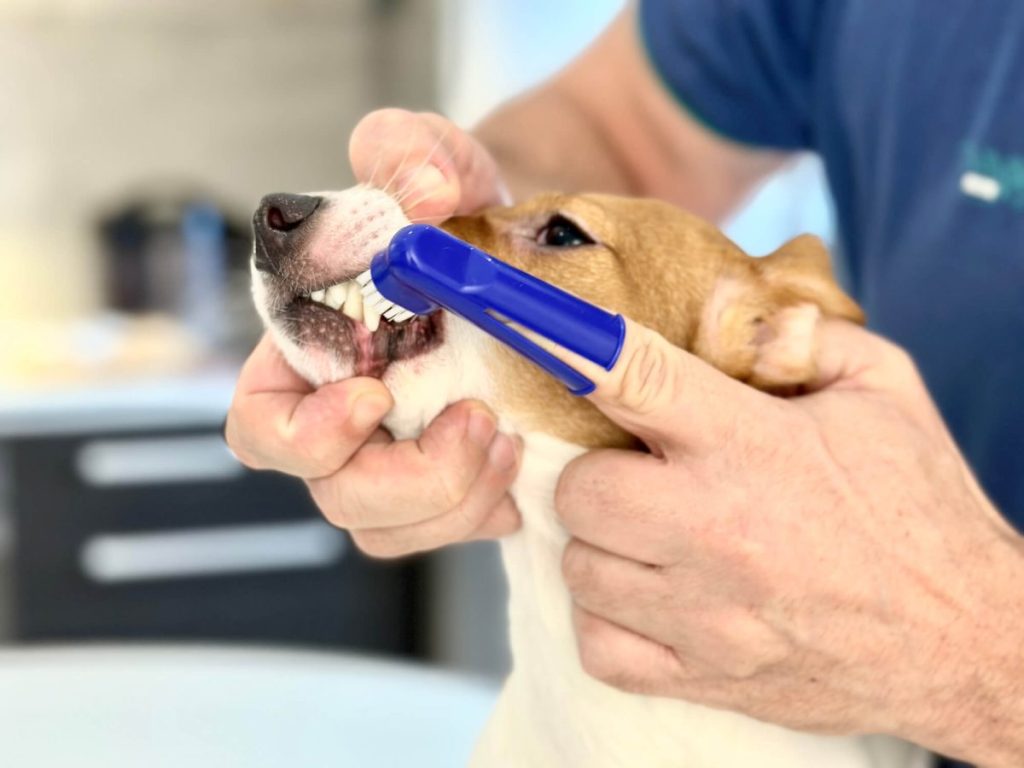
Credit: dogtime.com
Step-by-step Brushing Technique
Begin by using a small, soft-bristled toothbrush designed for dogs. Apply dog-friendly toothpaste and gently lift your dog’s lip. Brush in circular motions, covering all surfaces and focusing on the gumline to remove plaque. Reward your dog with praise or a treat to make the experience positive.
Brushing your small dog’s teeth might seem daunting, but with the right approach, it can become a seamless part of your routine. The step-by-step brushing technique is designed to make this task easier for both you and your furry friend. Imagine transforming this often-avoided chore into a bonding moment with your pet, all while ensuring their dental health. Let’s dive into how you can achieve this.Positioning Your Dog
Start by choosing a comfortable spot where your dog feels safe. You might find it easier to place them on your lap or a soft surface. Remember, your confidence will reassure them. Approach your dog gently, speaking in a calm voice to keep them relaxed. It’s crucial to position yourself so you can see their teeth clearly. A good grip is necessary, but avoid being too firm as it can cause anxiety. A small towel under your dog can provide additional stability, especially if they tend to wiggle.Brushing Method
Use a toothbrush designed for small dogs, often available in pet stores. Apply a pea-sized amount of dog-safe toothpaste. Never use human toothpaste as it can be harmful to your pet. Begin by lifting their lip gently to expose the teeth. Focus on the outer surfaces, as this is where plaque tends to accumulate. Use gentle, circular motions and praise your dog throughout to keep them calm and cooperative. If your dog resists, don’t force it. Instead, try again later when they’re more relaxed. Consistency is key, so aim for short, daily sessions to gradually build their comfort and cooperation. Who knew that with a bit of patience, dental care could turn into a rewarding experience for both you and your dog?Dealing With Challenges
Brushing small dogs’ teeth can be tricky. Start by using a dog-friendly toothbrush and toothpaste. Gently brush in circular motions, focusing on each tooth.
Dealing with challenges when brushing your small dog’s teeth can often feel like a daunting task. Each dog has a unique personality, and what works for one may not work for another. Understanding these challenges and employing the right strategies can make this essential grooming activity more manageable and even enjoyable for both you and your furry friend.Handling Resistance
Many small dogs may resist having their teeth brushed. They might squirm, whine, or try to run away. It’s essential to approach this resistance with patience and understanding. Start by getting your dog used to the idea of having their mouth handled. You can do this gradually by gently touching their muzzle and rewarding them with treats. Consistency is key here. If your dog continues to resist, consider using flavored toothpaste specifically designed for dogs. The taste can make the experience more pleasant and engaging for them.Solutions For Nervous Dogs
Nervous dogs often require a bit more encouragement and reassurance. Make the brushing session a calm and positive experience. Speak in soothing tones and offer plenty of praise. Create a relaxing environment by choosing a quiet space where your dog feels safe. Using a toothbrush with a comfortable grip can also make the process smoother for both you and your pet. Try brushing their teeth after a walk or playtime when they are naturally more relaxed. Remember, patience and positive reinforcement are your best tools. How do you handle your dog’s nervousness, and what works for you? Share your thoughts and experiences in the comments!Maintaining A Regular Routine
Maintaining a regular routine for brushing your small dog’s teeth is crucial for their dental health. Small dogs are prone to dental issues, so establishing a consistent brushing schedule can prevent problems before they start. By staying committed to a routine, you ensure your furry friend remains healthy and happy.
Setting A Schedule
Consistency is key when it comes to brushing your dog’s teeth. Decide on a specific time each day that works for both you and your dog. Whether it’s right after breakfast or before bedtime, sticking to the same time helps your dog know what to expect.
Dogs thrive on routine. Make tooth brushing a part of their daily activities, just like feeding or walking. This predictability can reduce stress and make the experience more pleasant for your dog.
Monitoring Dental Health
Keep an eye on your dog’s dental health by regularly checking their teeth and gums. Look for signs of plaque buildup, redness, or unusual odors. These can indicate underlying issues that might need attention.
Schedule regular veterinary check-ups to monitor dental health. A professional examination can catch problems early and keep your dog’s teeth in top condition.
Engage with your dog during brushing sessions. Notice if they’re uncomfortable or if certain areas seem sensitive. This insight can help you adjust your technique and focus on areas that need more care.
What strategies have you found effective in maintaining your dog’s dental routine? Share your experiences and tips in the comments below!
Additional Dental Care Tips
Use a dog-friendly toothbrush and toothpaste to clean your small dog’s teeth. Gently brush in circular motions to remove plaque. Regular brushing prevents dental problems and keeps your pet’s mouth healthy.
Taking care of your small dog’s teeth involves more than just regular brushing. Additional dental care can significantly improve their oral health and prevent problems down the road. Let’s explore some practical tips to keep your furry friend’s mouth healthy and fresh.Using Dental Treats
Dental treats can be a fantastic addition to your dog’s oral care routine. They are designed to help reduce plaque and tartar buildup while being a tasty reward for your pet. Look for treats with the Veterinary Oral Health Council (VOHC) seal, ensuring they meet specific standards for effectiveness. Introduce these treats gradually, observing how your dog reacts. Some dogs may prefer certain textures or flavors, so finding the right one is key. Monitor your dog’s chewing to ensure they don’t swallow large chunks, which could lead to choking.Professional Dental Cleanings
While home care is vital, professional dental cleanings by a veterinarian are also essential. These cleanings allow vets to remove tartar and plaque that brushing and treats might miss. They can also identify any underlying dental issues that need addressing. Schedule professional cleanings based on your vet’s recommendations, which typically range from annually to every few years. Consider it a proactive approach to avoid more serious health problems later. Have you ever considered how these cleanings could extend your dog’s life and improve their overall well-being?
Credit: www.tiktok.com
Frequently Asked Questions
How Often Should I Brush My Small Dog’s Teeth?
Brushing your small dog’s teeth daily is ideal. This helps prevent plaque buildup and dental issues. If daily brushing isn’t possible, aim for at least three times a week. Regular brushing maintains oral health and freshens breath.
What Tools Do I Need To Brush Small Dog Teeth?
You’ll need a dog-friendly toothbrush and toothpaste. Human toothpaste is harmful to dogs. Consider using a finger brush for better control. Choose toothpaste flavors dogs love, like poultry or beef, to make brushing enjoyable. Regular brushing supports dental hygiene and overall health.
How Do I Start Brushing My Small Dog’s Teeth?
Begin by letting your dog taste the toothpaste. Gradually introduce the toothbrush, gently lifting the lips. Start with short sessions to build comfort. Praise and reward your dog to create positive associations. Consistency is key to developing a routine.
Can I Use Human Toothpaste For My Dog’s Teeth?
No, human toothpaste contains ingredients harmful to dogs. Use specially formulated dog toothpaste. Dog toothpaste is safe and comes in flavors dogs enjoy. Regular use helps maintain oral health and prevents dental diseases. Always choose pet-safe products for your dog’s dental care.
Conclusion
Brushing your small dog’s teeth is crucial for their health. Regular brushing helps prevent dental issues. Use a soft brush and dog-friendly toothpaste. Make it a fun routine. Praise them often for cooperation. Start slowly if they’re nervous. Gradually increase brushing time.
Consistent care leads to healthy gums and teeth. Visit the vet for dental check-ups. Keep their mouth fresh and clean. A little effort today ensures a happier tomorrow. Your furry friend deserves the best. Happy brushing!