How to Cure Yeast Infection on Dogs Skin: Expert Tips
Imagine your furry friend scratching endlessly, looking uncomfortable and distressed. It’s heartbreaking, right?
You’re not alone in this; countless dog owners face the same issue. A yeast infection on a dog’s skin can be incredibly bothersome for both you and your pet. But don’t worry—there are simple, effective ways to tackle this problem.
You’ll discover practical steps to cure your dog’s yeast infection, ensuring they feel happier and healthier. You’ll understand why these infections happen and learn how to prevent them in the future. Ready to bring comfort and relief to your beloved companion? Let’s dive into the solutions that will make a real difference.
Identifying Yeast Infection Symptoms
Identifying yeast infection symptoms in dogs includes noticing red, itchy skin or a bad odor. Proper treatment involves consulting a vet for antifungal medications and maintaining a clean environment to prevent recurrence.
Identifying yeast infection symptoms in dogs is crucial for early treatment. Yeast infections can cause discomfort and affect your dog’s overall health. Recognizing the symptoms can help you seek timely veterinary care. Dogs often show visible signs that indicate a yeast infection, making it easier for pet owners to take action.Common Signs In Dogs
Dogs with yeast infections often scratch or lick their skin excessively. You may notice redness or inflammation on the affected areas. Sometimes, a foul odor emanates from the skin or ears. Flaky or scaly skin can also be a sign of yeast overgrowth. Watch for changes in your dog’s behavior, like increased irritability or restlessness.Areas Prone To Infection
Yeast infections commonly occur in warm, moist areas of a dog’s body. Ears are a frequent site due to moisture buildup. Folds in the skin, like those around the neck or belly, are susceptible. Paws can also be affected, especially between the toes. The tail area may show signs if the infection spreads. Keep an eye on these areas for early detection.
Credit: dishydogs.com.au
Causes Of Yeast Infections
Excessive moisture or allergies often lead to yeast infections in dogs. Symptoms include itchy, irritated skin. Addressing these causes is crucial for effective treatment and prevention.
Understanding the causes of yeast infections in dogs is essential for effectively managing and preventing these uncomfortable skin conditions. Yeast infections can make your furry friend itchy and irritable, but with the right knowledge, you can help them feel better. Let’s dive into the common causes, which include diet and nutrition, environmental factors, and underlying health conditions.Diet And Nutrition
What your dog eats plays a significant role in their overall health, including skin condition. A diet high in carbohydrates can sometimes contribute to yeast overgrowth. Consider if your dog’s diet is balanced and meets their nutritional needs. Have you ever noticed a change in your dog’s skin after switching foods? Some dogs may be sensitive to certain ingredients, which can trigger yeast infections. Ensuring a diet rich in proteins and low in sugars can help maintain skin health.Environmental Factors
Your dog’s environment can greatly impact their skin health. Moist and humid surroundings often promote yeast growth. Pay attention to where your dog spends most of their time. Do they frequently swim or play in wet areas? Keeping your dog dry and clean can prevent yeast from thriving. Regular grooming and cleaning of their living space can mitigate environmental triggers.Underlying Health Conditions
Yeast infections can sometimes signal deeper health issues. Conditions like allergies, hormonal imbalances, or weakened immune systems can make dogs more susceptible to infections. Have you noticed recurring skin issues despite dietary or environmental changes? It might be time to consult with a vet to check for any underlying health problems. Addressing these conditions can be key to preventing future yeast infections.Effective Home Remedies
Yeast infections on dogs’ skin can cause discomfort and irritation. Many pet owners prefer natural solutions. Home remedies can be a safe and effective way to manage this issue. Let’s explore some effective remedies you can try at home.
Natural Antifungal Treatments
Coconut oil has natural antifungal properties. Apply a small amount to the affected area. It soothes the skin and fights infection.
Apple cider vinegar is another option. Mix it with water in equal parts. Spray it on the infected skin. Its acidic nature helps restore balance.
Dietary Adjustments
A balanced diet strengthens your dog’s immune system. Consider adding foods rich in omega-3 fatty acids. They reduce inflammation and support skin health.
Avoid foods high in sugar and carbs. They can promote yeast growth. Choose high-quality dog food with limited ingredients.
Probiotic Supplements
Probiotics support healthy gut flora. They help control yeast overgrowth. Add a probiotic supplement to your dog’s diet. It can improve their overall health.
Look for supplements designed for dogs. They are safe and easy to administer. Check with your vet for recommendations.

Credit: www.amazon.com
Medical Treatments
Yeast infections in dogs can cause discomfort and irritation. Medical treatments offer relief and help restore your dog’s skin health. Understanding the options available can guide you in choosing the right treatment.
Topical Antifungal Medications
Topical antifungal creams and ointments can effectively treat yeast infections. These medications are applied directly to the affected skin areas. They work by killing the yeast and soothing the skin. Always follow the instructions provided by your veterinarian. Regular application ensures the best results. Clean the area before applying the medication for better absorption.
Oral Medications
In some cases, oral medications may be necessary. These are prescribed when topical treatments are not enough. Oral antifungal drugs help combat infections from the inside. They provide a more comprehensive treatment. Be sure to give the medication as directed. This ensures the infection is fully resolved.
When To Consult A Veterinarian
Consult a veterinarian if the infection persists or worsens. Professional advice is crucial for severe or recurring cases. A vet can provide a proper diagnosis and recommend the best treatment. They may conduct tests to determine the specific type of yeast. This ensures the treatment is effective and tailored to your dog’s needs.
Preventive Measures
Regular grooming and a balanced diet help prevent yeast infections in dogs. Keeping your dog’s skin dry and clean is crucial. Regular vet check-ups ensure early detection and treatment.
Preventive measures are key in managing yeast infections in dogs. They help maintain a healthy skin barrier and reduce the risk of infections. These practices are simple yet effective, focusing on grooming, diet, and the environment.Regular Grooming Practices
Regular grooming is essential for your dog’s health. Brush your dog’s coat frequently. This removes dirt and prevents tangles. Bathing your dog regularly also helps. Use antifungal shampoos if recommended by a vet. Check ears and paws for signs of infection. Keeping these areas clean prevents yeast buildup.Balanced Diets
A balanced diet strengthens your dog’s immune system. Include high-quality proteins and fats. Avoid foods with excessive carbohydrates. Carbs can increase yeast growth. Add supplements like omega-3 fatty acids. They promote skin health. Consult your vet for dietary advice. They can recommend specific food brands.Environmental Management
A clean environment minimizes infection risk. Keep your dog’s living area dry and clean. Moisture encourages yeast growth. Ensure proper ventilation in the home. This reduces humidity levels. Use air purifiers if needed. They help keep the air fresh. Regularly wash your dog’s bedding. This removes allergens and dirt.Expert Tips For Care
Yeast infections in dogs can be frustrating. Expert care ensures your furry friend stays healthy. Learn effective strategies to manage and prevent yeast infections. These tips will help you maintain your dog’s skin health long-term.
Long-term Management Strategies
Consistency is key in managing yeast infections. Regular vet check-ups detect issues early. A balanced diet supports your dog’s immune system. Consider hypoallergenic foods. They can reduce yeast overgrowth. Keep your dog’s environment clean. Regularly wash their bedding. Use mild shampoos during baths to avoid irritation.
Maintaining Healthy Skin
Healthy skin is less prone to infections. Ensure your dog receives regular grooming. This helps remove excess oils and dirt. Brush your dog’s coat frequently. It stimulates blood flow and distributes natural oils. Moisturizing sprays can prevent skin from drying out. Avoid over-bathing. It can strip essential oils from the skin.
Monitoring And Follow-up
Monitoring your dog’s skin is crucial. Check for redness, itching, or odor. These are signs of infection. Keep a journal of any changes in your dog’s behavior or skin condition. Share this with your vet during appointments. Follow your vet’s treatment plan. It ensures your dog’s recovery. Revisit your vet if symptoms persist. Continuous follow-up maintains your dog’s health.

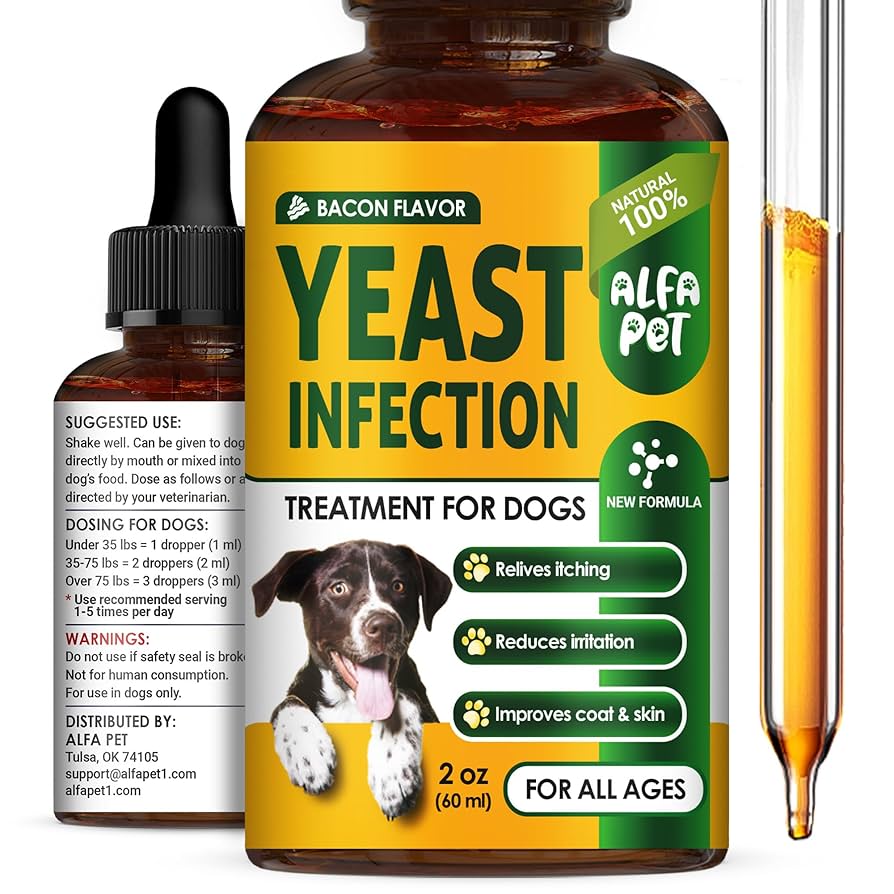
Credit: www.amazon.com
Frequently Asked Questions
What Causes Yeast Infections In Dogs?
Yeast infections in dogs are caused by an overgrowth of yeast on the skin. Factors like allergies, poor diet, or weakened immunity can contribute. Moist environments also promote yeast growth. Regular grooming and a balanced diet can help prevent such infections.
How Do I Identify Yeast Infection Symptoms?
Symptoms include redness, itchiness, and a musty odor. You might notice your dog scratching or licking excessively. Skin may appear greasy or scaly. If you spot these signs, consult your vet for an accurate diagnosis.
Can Diet Help Cure Yeast Infections In Dogs?
Yes, diet plays a crucial role in managing yeast infections. A balanced diet supports your dog’s immune system. Avoid high-carb foods and consider adding probiotics. Consult your vet for dietary recommendations tailored to your dog’s needs.
Are Natural Remedies Effective For Yeast Infections?
Natural remedies can be effective for mild yeast infections. Apple cider vinegar or coconut oil might help soothe symptoms. However, severe cases require veterinary treatment. Always consult your vet before trying any home remedies.
Conclusion
Caring for your dog’s skin is essential. Yeast infections can be troublesome. But with the right steps, relief is possible. Regular baths help keep skin clean. Use vet-recommended antifungal shampoos. Dry your dog thoroughly after baths. Healthy diet supports skin health too.
Avoid unnecessary antibiotics. They can worsen yeast issues. Consult a vet for persistent problems. They offer the best guidance. Keeping your dog’s environment clean helps prevent infections. Be observant. Quick action leads to quicker healing. Your furry friend deserves comfort and care.
With patience, your dog can enjoy healthier skin.