How to Measure Dog for Harness: A Step-by-Step Guide
Senior Canine Nutritionist & Dog Behavior Specialist at Cozy Dog Go Wellness Lab
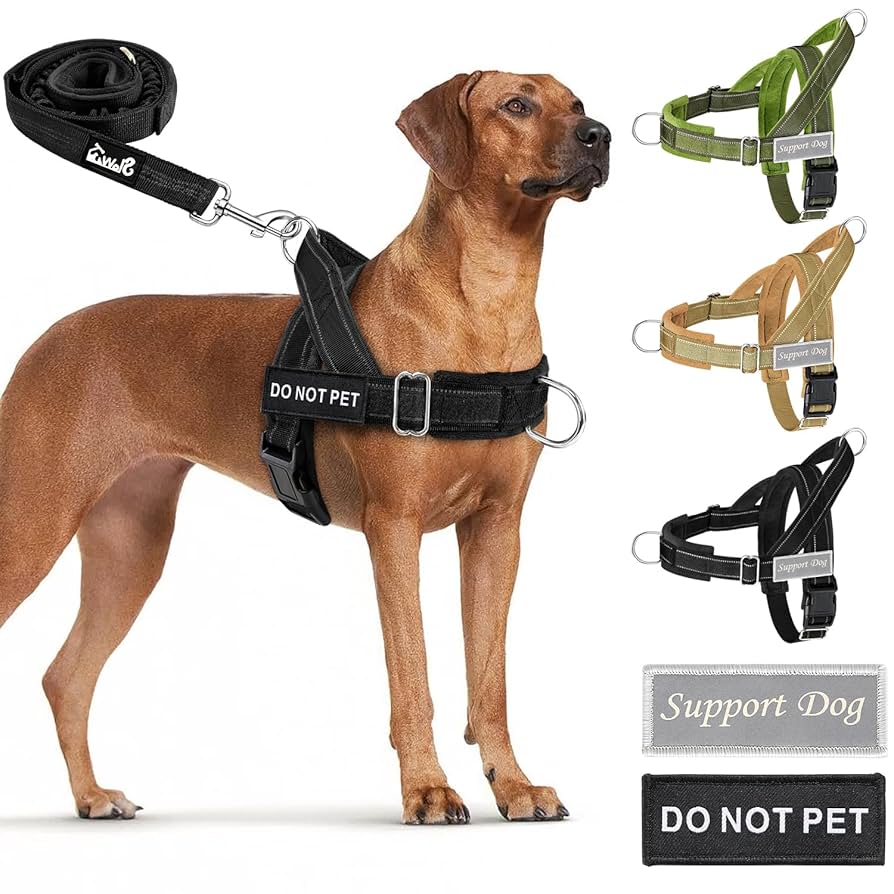
Are you tired of struggling with a dog harness that never seems to fit just right? Getting the perfect harness is crucial not only for your dog’s comfort but also for their safety during walks and adventures.
Imagine the peace of mind you’ll feel knowing your furry friend is secure and comfortable. In this guide, you’ll discover the simple steps to accurately measure your dog for a harness that fits like a glove. Whether your pup is tiny or towering, you’ll learn how to ensure the perfect fit, avoiding the common pitfalls that many pet owners face.
Dive into the details and unlock the secrets to a hassle-free harness fitting experience.
Importance Of Proper Fit
A harness that fits well is crucial for your dog’s safety and comfort. A poorly fitted harness can cause skin irritation or restrict movement. It may even lead to escape if too loose. Ensuring the harness fits correctly enhances control during walks. It also helps avoid injury or discomfort. Proper fit means your dog is secure and comfortable. This makes outings more enjoyable for both of you.
How A Tight Harness Affects Your Dog
A tight harness can cause pain and limit movement. It can rub against the skin, leading to sores or irritation. Dogs may feel restricted and anxious. This can make them reluctant to wear the harness. Always ensure there’s space for two fingers between the harness and your dog. This ensures comfort and prevents pressure on their body.
Risks Of A Loose Harness
A loose harness can slide around and cause chafing. More importantly, your dog could slip out and run away. A loose fit reduces your control during walks. This increases the risk of accidents or injuries. Adjust the harness so it fits snugly but not tightly. This keeps your dog safe and secure.
Benefits Of A Well-fitting Harness
A well-fitting harness distributes pressure evenly across the chest. This prevents strain on the neck and spine. It offers greater control during walks, reducing pulling and lunging. Your dog feels comfortable and more willing to cooperate. It also minimizes the chance of escape, keeping your dog safe.
Signs Of A Proper Fit
Check if you can slide two fingers under the harness. Ensure it doesn’t shift or rotate on your dog’s body. Watch for signs of discomfort like chewing or scratching the harness. Make sure your dog moves freely and naturally. These signs indicate a proper fit and ensure your dog’s comfort.
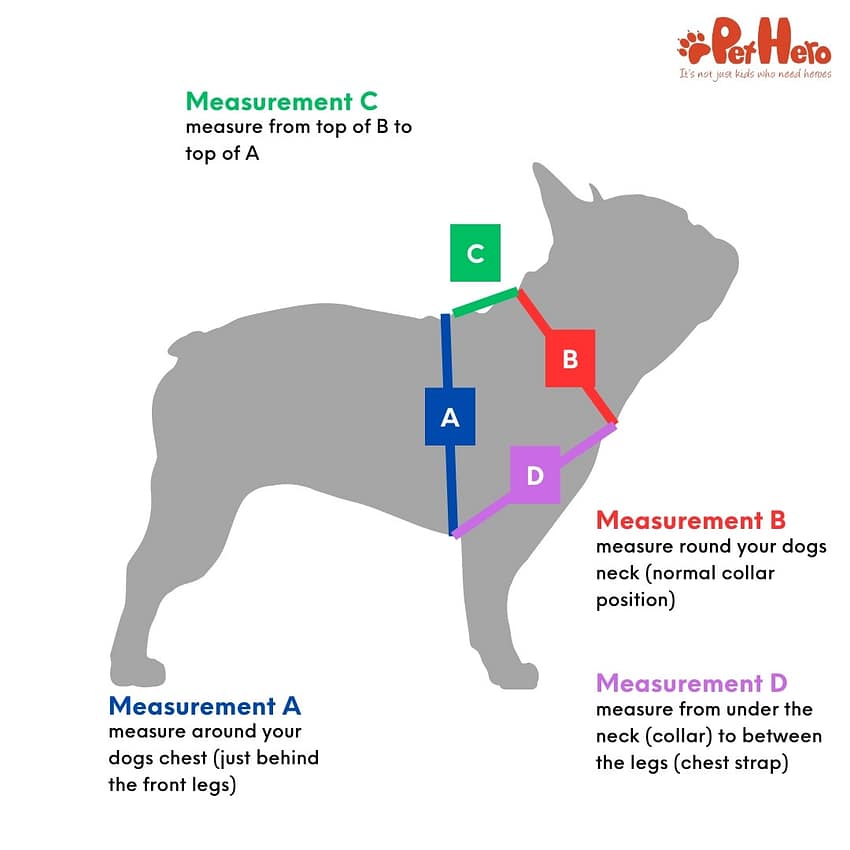
Credit: pethero.co.za
Tools Needed
A soft measuring tape, pen, and paper are essential for measuring a dog for a harness. These tools ensure accurate measurements, leading to a comfortable fit for your pet.
Measuring your dog for a harness is not just about grabbing any measuring tape. The right tools ensure accuracy and comfort for your furry friend. Gathering the correct tools can make a world of difference in ensuring the harness fits perfectly. Let’s delve into the essential tools you’ll need to make this process as seamless as possible.Flexible Measuring Tape
A flexible measuring tape is a must-have. It’s the same type used for sewing. This tape allows you to measure the curves of your dog’s body accurately. Unlike rigid rulers, it wraps around your dog’s neck and chest without causing discomfort.Notebook And Pen
Don’t rely on memory alone. Jotting down measurements ensures you have the numbers handy when shopping. It also helps if you want to compare sizes from different brands later on.Treats Or Rewards
Keep your dog relaxed and still during the measuring process. Using treats or their favorite toy can help. It turns the experience into a positive one for your pup, making them more cooperative.Helper
While not a ‘tool’ in the traditional sense, having another person around can be incredibly useful. They can help hold your dog steady or record measurements as you take them. A second pair of hands often makes the task quicker and more efficient.Mirror Or Camera
Using a mirror or camera can help you see if the harness fits well once you have it on. A quick photo or glance can ensure it’s snug but not too tight. This step is crucial for your dog’s safety and comfort. Gathering the right tools might sound simple, but it sets the stage for getting a perfect fit. Have you ever found yourself wishing you had the right equipment handy? With this checklist, you won’t have to face that frustration again.Identifying Key Measurements
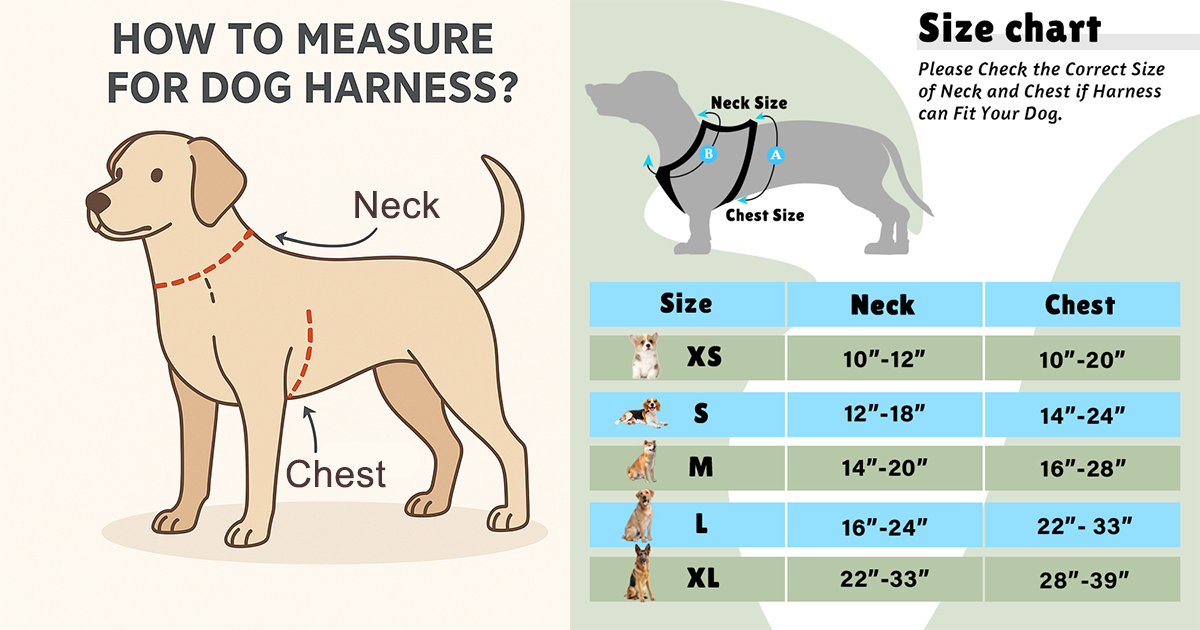
Measuring your dog for a harness ensures comfort and safety. Measure around the chest, just behind the front legs. Also, check the neck size to find the best fit.
Identifying Key Measurements Choosing the right dog harness requires knowing key measurements. Accurate sizing ensures comfort and safety for your furry friend. By measuring correctly, you can avoid discomfort and rubbing. Let’s explore the essential measurements for a perfect fit.Chest Girth
The chest girth is vital for a snug harness fit. Measure the widest part of your dog’s ribcage. Usually, this area is just behind the front legs. Use a soft measuring tape and wrap it around the chest. Ensure the tape is snug but not tight. Add about two inches for comfort. This measurement will help you choose the correct harness size.Neck Size
Neck size is crucial for a secure harness. Measure around your dog’s neck where the collar sits. Use a soft tape measure and wrap it gently around the neck. Ensure the tape is not too tight. Allow room for two fingers between the tape and neck. This ensures the harness won’t choke your dog.Back Length
Back length helps in selecting a harness that fits well. Measure from the base of the neck to the base of the tail. This measurement ensures the harness covers the back properly. Use a tape measure for accuracy. A well-fitting harness should align with your dog’s back length. This prevents slipping and ensures comfort.Choosing The Right Harness Type
Choosing the right harness type for your dog isn’t just about style; it’s about comfort, safety, and functionality. Each type of harness serves a distinct purpose and caters to different needs. Whether your dog is a puller or a leisure walker, selecting the proper harness can make your walks more enjoyable and stress-free. Let’s dive into the various types of harnesses to find out which one suits your furry friend best.
Front-clip Harnesses
Front-clip harnesses feature a leash attachment at the chest area. They are excellent for dogs that tend to pull, as they gently steer them towards you, making it easier to manage walks. If your dog is a curious explorer, a front-clip harness can help you guide them without tugging on their neck.
Imagine walking down the street with your dog effortlessly by your side. A front-clip harness can make this a reality by providing better control and reducing strain on your dog’s throat. Have you ever noticed how a simple change in leash attachment can transform your walking experience?
Back-clip Harnesses
Back-clip harnesses are the most common type, with the leash clip located on the back. They are ideal for well-behaved dogs that don’t pull. These harnesses allow your dog to move freely without any discomfort, making them perfect for leisurely walks.
If you have a small dog or a senior pup who enjoys a relaxed pace, a back-clip harness might be their best companion. Have you ever tried a back-clip harness for a dog that loves to sniff and explore without pulling?
Dual-clip Harnesses
Dual-clip harnesses offer versatility with leash attachment points both at the chest and the back. They provide the best of both worlds, allowing you to switch between control and freedom. This type of harness is perfect if your dog’s walking style varies or if you want to train them to stop pulling gradually.
Does your dog have different walking moods? A dual-clip harness can adapt to their needs, making it a practical choice for versatile walking experiences. Picture yourself with a tool that can adjust to your dog’s changing habits with ease.
Step-by-step Measuring Process
Getting the right fit for your dog harness is important. A good fit ensures comfort and safety. Follow this simple step-by-step measuring process to find the perfect harness size.
Preparing Your Dog
Before measuring, calm your dog. Ensure they are relaxed and standing still. Use treats to keep them cooperative. This helps get accurate measurements.
Taking Measurements
Start by measuring the girth. Use a soft measuring tape. Wrap it around the widest part of the chest, just behind the front legs.
Next, measure the neck. Place the tape around the base, where a collar would sit. Ensure the tape is snug but not tight.
Recording Measurements
Write down the measurements. Keep them handy for reference. Double-check for accuracy. These numbers will guide you in selecting the correct harness size.
Common Mistakes To Avoid
Choosing the wrong harness size can cause discomfort for your dog. Measure around the widest part of the chest and the lower neck. Avoid using old measurements and ensure the tape is snug but not tight.
Choosing the right harness for your dog ensures their comfort and safety. Many dog owners make common mistakes when measuring their pets. Understanding these errors can help you select the perfect fit.Not Measuring The Girth Correctly
Many people measure the dog’s girth too loosely. A loose measurement leads to a harness that slips off. Ensure the tape measure is snug but not tight around the widest part of the chest.Ignoring The Dog’s Weight
Harness sizes often depend on weight as well as measurements. A dog’s weight can affect the fit of the harness. Always check the weight guidelines provided by the manufacturer.Overlooking Breed-specific Needs
Different breeds have unique body shapes. A harness that fits a Labrador may not suit a Greyhound. Consider your dog’s breed when selecting a harness.Choosing The Wrong Type Of Harness
There are several types of harnesses available. Some are better for training, others for everyday use. Selecting the wrong type can affect your dog’s comfort and safety.Not Considering Growth In Puppies
Puppies grow quickly. Buying a harness that fits now might not fit in a few weeks. Opt for adjustable harnesses to accommodate growth.Failing To Double-check Measurements
Always double-check your measurements before purchasing. Re-measuring ensures accuracy and helps avoid returns or exchanges.Ignoring Comfort Features
Some harnesses have padding or breathable material. These features add comfort, especially on long walks. Check for these features to ensure your dog enjoys wearing the harness. Avoid these mistakes to ensure your dog’s harness fits properly.Adjusting And Testing The Harness
Adjusting and Testing the Harness Ensure a snug fit by adjusting the harness straps to your dog’s body. Check for comfort and freedom of movement. Test the harness by walking your dog to ensure it doesn’t slip or cause discomfort.
Adjusting and testing the harness is crucial for your dog’s comfort. A well-fitted harness ensures safety during walks and adventures. This process involves making necessary adjustments and testing the fit.Making Adjustments
First, place the harness on your dog. Ensure the chest and neck straps sit properly. Adjust the straps to fit snugly but not too tight. You should be able to fit two fingers between the harness and your dog’s body. Check all buckles and clips. Make sure they’re securely fastened and easy to open.Ensuring Comfort And Security
Observe your dog’s movement while wearing the harness. Look for signs of discomfort. The harness should not restrict movement or cause chafing. Walk your dog around the house. Check if the harness stays in place. If it shifts or rubs, readjust it. Safety is key. Tug gently on the leash attachment point. Ensure it holds firmly. Your dog’s safety depends on a secure fit. Regular checks and adjustments keep your dog safe and happy on every walk.
Credit: www.amazon.com
Tips For A Positive Experience
Measure your dog’s chest and neck for the perfect harness fit. Use a soft tape measure for accuracy. Ensure a comfortable fit by allowing two fingers to slide between the harness and your dog’s body.
Taking the time to measure your dog for a harness can be a delightful experience for both you and your furry friend. With a few thoughtful strategies, you can ensure that this task is stress-free and enjoyable. A positive experience will not only help you get the right fit but also strengthen the bond with your pet.Ensure Comfort
Make sure your dog is comfortable during the measuring process. Use a soft measuring tape and avoid pulling it tightly against their body. A relaxed dog is more likely to cooperate, making the measurement process smoother.Provide Treats And Praise
Reward your dog with treats and verbal praise. This encourages them to stay still and associate the measuring process with positive experiences. Your dog will look forward to the treats and be more inclined to stand patiently.Choose The Right Time
Pick a time when your dog is calm and not overly excited. After a walk or playtime, when they are relaxed, can be an ideal moment. This will make it easier for them to focus on you and the task at hand.Make It A Game
Turn measuring into a playful activity. Use a gentle, playful voice and keep the mood light. You can even try measuring while playing with their favorite toy, making the process less daunting and more fun.Engage Their Curiosity
Let your dog sniff and explore the measuring tape. This helps them become familiar with it and reduces any anxiety. A curious dog is a more cooperative dog, making your job much easier. These tips aim to create a positive environment for both you and your dog. How do you ensure your dog is comfortable during such activities? Implement these suggestions and watch how your dog’s demeanor transforms.
Credit: www.neewadogs.com
Frequently Asked Questions
How Do I Choose The Right Harness Size?
To choose the right harness size, measure your dog’s girth and neck. Use a soft tape measure for accuracy. Ensure the harness fits snugly but comfortably. It should not restrict movement. Always consult the manufacturer’s size chart for precise guidance.
Why Is Measuring My Dog Important?
Measuring ensures the harness fits properly, providing comfort and safety. A well-fitting harness prevents chafing and slipping. It also avoids restricting your dog’s movements. Accurate measurements help you choose the correct size, enhancing your dog’s walking experience.
What Tools Do I Need To Measure My Dog?
You’ll need a soft measuring tape to measure your dog accurately. If you don’t have one, use a piece of string and a ruler. Ensure the tape or string lies flat against your dog’s body for precise measurements.
Can I Measure My Dog Alone?
Yes, you can measure your dog alone with some patience. Ensure your dog is calm and standing still. Use treats to encourage cooperation. If your dog is fidgety, ask for assistance to get accurate measurements.
Conclusion
Choosing the right harness ensures your dog’s comfort and safety. Accurate measurements help avoid discomfort and health issues. Follow the steps to measure your dog correctly. Use a flexible tape measure for best results. Measure around the chest and neck.
Don’t forget to check the harness fit regularly. Adjust as needed for growing pups. A well-fitted harness prevents escapes and injuries. Enjoy walks with your furry friend stress-free. Remember, a happy dog means a happy owner. Keep these tips handy.
Ensure your dog’s harness fits perfectly. Your pet will thank you with wagging tails and joyful barks.

Similar Posts