How to Put a Dog Harness on Correctly: Expert Tips
Senior Canine Nutritionist & Dog Behavior Specialist at Cozy Dog Go Wellness Lab
You’re about to head out for a walk with your furry friend, but there’s one thing standing in the way of your adventure: putting on the dog harness. If you’ve ever felt a bit confused or overwhelmed trying to get it just right, you’re not alone.
Many pet owners find themselves wondering if they’re doing it correctly, and the good news is, you’re in the right place to find out. Imagine the peace of mind you’ll feel knowing your dog is safe and comfortable. Plus, you’ll avoid those frustrating moments when the harness just doesn’t seem to fit right.
By the end of this article, you’ll master the art of putting on a dog harness correctly. You’ll discover simple tips and tricks that will make the process easier and more enjoyable for both you and your pet. So, let’s dive in and ensure your next walk is smooth and stress-free!
Choosing The Right Harness
Properly fitting a dog harness ensures comfort and safety during walks. Check that the harness is snug but not too tight. Adjust straps so that you can fit two fingers between the harness and your dog’s body.
Choosing the Right Harness Selecting the perfect harness for your dog is crucial. It ensures comfort and safety for your furry friend. The right harness fits well, is easy to put on, and meets your dog’s needs. Proper fit and style prevent injuries and make walks enjoyable. Consider your dog’s size, breed, and behavior while choosing.Types Of Dog Harnesses
There are several types of harnesses available. Each serves a different purpose.- Back-clip harness:Ideal for small and calm dogs. The leash attaches to the back.
- Front-clip harness:Helps control pulling by attaching in the front.
- Dual-clip harness:Offers flexibility with both front and back clips.
- Step-in harness:Easy to wear for dogs who dislike overhead harnesses.
- Vest harness:Provides extra comfort and support for small or sensitive dogs.
Factors To Consider
Keep several factors in mind while selecting a harness.- Size and fit:Ensure the harness isn’t too tight or loose.
- Material:Choose a durable and comfortable fabric like nylon or mesh.
- Adjustability:Look for adjustable straps for a custom fit.
- Ease of use:Select a harness that’s easy to put on and take off.
- Purpose:Decide if you need a harness for training or regular walks.
Credit: www.linkedin.com
Preparing Your Dog
Putting a dog harness on correctly requires preparation. Preparing your dog makes the process smoother and stress-free. Dogs can be nervous, especially if the harness is new. Helping them feel relaxed and familiar with the harness is crucial for success.
Calming Techniques
Use calming techniques to ease your dog into the harness process. Gentle petting can reduce anxiety. Speak softly to reassure your dog. Offer treats as positive reinforcement. Create a calm environment by eliminating loud noises. Play soothing music if needed. These steps help your dog feel at ease.
Familiarization With The Harness
Let your dog sniff the harness. This helps them get used to its scent. Place the harness near them, allowing them to explore it. Show the harness during playtime. This builds positive associations. Gradually move the harness closer to their body. Do not rush this step. Give them time to adjust.
Step-by-step Guide
Learn to put a dog harness on correctly with a simple step-by-step guide. Ensure comfort and safety for your furry friend. Follow these easy steps to secure the harness properly and enjoy stress-free walks.
Putting a dog harness on correctly is crucial for your pet’s comfort and safety during walks. It might seem intimidating at first, but with a bit of guidance, you can master this task with ease. Let’s break down the process into simple, actionable steps to ensure your furry friend enjoys every outing.Positioning The Harness
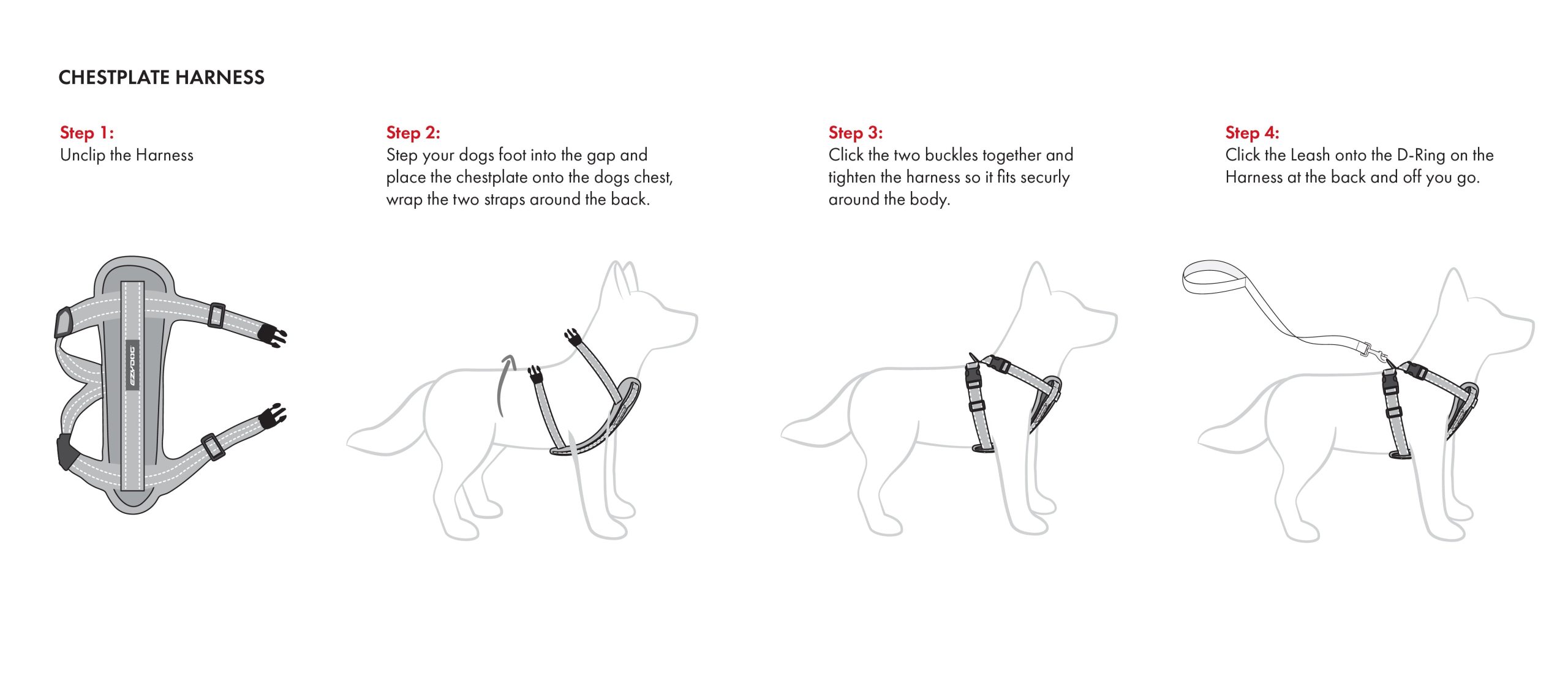
Begin by laying the harness flat on the ground. Make sure the front loop is facing upwards. This is where your dog’s head will go through. Invite your dog to step into the harness. You might want to use a treat to encourage them to cooperate. If you’ve ever had a dog that wiggles with excitement, you’ll know why patience is key here. Slip the loop over your dog’s head. Ensure the loop sits comfortably on the neck without twisting.Adjusting Straps
Once the harness is positioned, it’s time to adjust the straps. Look for the clips and sliders on the harness. Loosen or tighten the straps to suit your dog’s body size. You should be able to fit two fingers between the strap and your dog’s body. If your dog is a growing puppy, check the straps regularly. Growth spurts can sneak up on you!Ensuring Proper Fit
Walk your dog around the room and observe their movements. The harness should allow free movement without causing discomfort. Check the fit by observing the chest area. It should not rub against your dog’s skin or cause any irritation. Ask yourself: Does the harness stay secure during a walk? If your dog pulls, does it remain snug without slipping? Remember, a well-fitted harness means happier walks. It ensures safety and keeps your dog at ease as they explore the world around them.
Credit: www.lambwolf.co
Common Mistakes
Putting a dog harness on correctly is crucial for your pet’s comfort and safety. Many pet owners make common mistakes that lead to discomfort or even injury. Understanding these pitfalls helps ensure your furry friend is secure and happy during walks.
Incorrect Sizing
Choosing the wrong size harness can cause problems. A harness too tight restricts movement and breathing. A loose fit may allow the dog to slip out. Always measure your dog’s chest and neck before purchasing. Compare these measurements to the manufacturer’s size chart. Consider your dog’s breed and weight too.
Improper Strap Adjustment
Straps need proper adjustment for a secure fit. Uneven or twisted straps cause discomfort and might harm the dog’s skin. Ensure all straps lie flat against the body. Adjust each strap evenly, checking for snugness. You should fit two fingers between the harness and your dog’s body. Regularly check and adjust the straps as your dog grows or changes weight.
Safety Checks
Ensuring your dog’s safety while using a harness is crucial. Safety checks can prevent discomfort and potential injuries, offering peace of mind during your walks. A well-fitting harness enhances your dog’s comfort and security, making outdoor adventures more enjoyable.
Checking For Comfort
Is your dog happy with the harness? Observe their movements and behavior. A comfortable harness should allow your dog to move freely without chafing. It should sit snugly but not too tight. You should be able to fit two fingers between the harness and your dog’s body. Adjust the straps if needed. Have you ever noticed your dog resisting when it’s time to put on the harness? It might be a sign of discomfort.
Monitoring For Wear And Tear
Regularly inspect the harness for signs of damage. Look for frayed edges, weakened buckles, or stretched-out fabric. Even minor wear can compromise your dog’s safety. A torn harness can break unexpectedly, posing a risk during walks. Have you ever found yourself caught off guard by a sudden tear? It’s better to spot these early and replace or repair the harness promptly.
Training With A Harness
Ensuring a proper fit for your dog’s harness is crucial for comfort and safety. Slide the harness over your dog’s head, adjusting straps to fit snugly without being too tight. Secure all clips and check that the harness does not restrict movement.
Training your dog with a harness can be a rewarding experience. It strengthens your bond and ensures safety on walks. Before starting, ensure the harness fits snugly but comfortably. A well-fitted harness helps in effective training. Let’s explore some key techniques.Walking Techniques
Start with short, enjoyable walks. Keep the pace slow. This helps your dog get used to the harness. Change directions occasionally. It keeps the walk interesting and teaches your dog to follow you. Use a short leash for better control. Avoid pulling or jerking the leash. This can confuse or scare your dog. Instead, use gentle tugs to guide them.Positive Reinforcement
Reward your dog for good behavior. Use treats or verbal praise. This reinforces positive actions and encourages learning. Give a treat when your dog walks beside you. Offer praise if they follow your lead. Consistency is key. Be patient. Over time, your dog will associate the harness with positive experiences.Expert Tips
Putting on a dog harness correctly ensures comfort and safety. Slide the harness over the dog’s head. Adjust the straps snugly without pinching their skin. Always check the fit to avoid discomfort.
When putting a dog harness on correctly, a few expert tips can make all the difference in ensuring your furry friend’s comfort and safety. A well-fitted harness not only provides better control during walks but also avoids potential injuries. By focusing on the right materials and maintenance practices, you can enhance your dog’s harness experience and prolong its lifespan.Choosing Materials
Selecting the right materials is crucial for your dog’s comfort and safety. Look for harnesses made from breathable fabrics like nylon or mesh. These materials prevent overheating and are gentle on your dog’s skin. Consider the climate you live in. For colder regions, padded harnesses provide extra warmth and comfort. In contrast, lightweight materials are ideal for hotter climates to prevent your dog from feeling too hot. Ensure the harness includes sturdy, reinforced stitching. This not only adds durability but also ensures that the harness can withstand your dog’s pulling strength without tearing.Harness Maintenance
Regular maintenance of your dog’s harness can significantly extend its life. Make it a habit to check for wear and tear, especially around buckles and straps. Wash the harness regularly to keep it clean and odor-free. Most harnesses are machine washable, but always check the care instructions to avoid damaging the material. Store the harness in a dry, cool place when not in use. This simple step prevents mold and mildew, ensuring your dog’s harness stays in top condition. Have you ever noticed your dog getting fidgety during walks? Often, it’s because the harness isn’t fitting well or is causing discomfort. By focusing on these expert tips, you can ensure every walk is a joy for both you and your dog.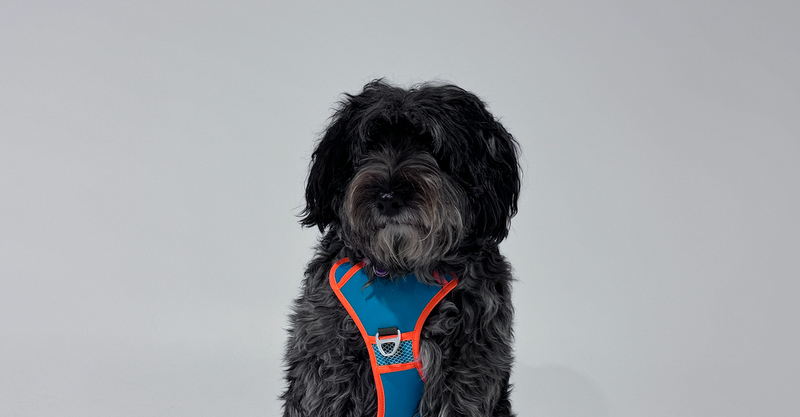
Credit: edog.co.nz
Frequently Asked Questions
What Is The Best Type Of Dog Harness?
Choosing the best harness depends on your dog’s size and breed. Popular options include step-in, vest, and no-pull harnesses. Ensure it fits snugly yet comfortably to avoid chafing. Look for adjustable straps and durable materials for safety and longevity. Consult a vet if unsure.
How Do You Fit A Dog Harness?
Start by loosening all straps and placing the harness over your dog’s head. Adjust each strap for a snug fit without pinching. Check that you can slide two fingers under the straps. Ensure the harness sits correctly on the chest and back.
Double-check the fit regularly.
Why Use A Harness Instead Of A Collar?
Harnesses distribute pressure evenly, reducing strain on your dog’s neck. They are ideal for dogs prone to pulling or with respiratory issues. Harnesses offer better control and safety during walks. They can prevent injuries associated with collars, especially in small or delicate breeds.
Can A Dog Wear A Harness All Day?
While harnesses are safe, it’s best to remove them when indoors or resting. Wearing a harness all day can cause discomfort or skin irritation. Regularly check for signs of rubbing or chafing. Allow your dog’s skin to breathe by removing the harness during non-active periods.
Conclusion
Putting on a dog harness correctly is crucial for safety. Start by choosing the right size for your dog. It should fit snugly but not too tight. Always check for comfort. Make sure the harness sits well on the chest.
Adjust the straps as needed. Regularly inspect for wear and tear. Practice makes perfect; don’t rush the process. With patience, your dog will get used to it. A well-fitted harness ensures enjoyable walks. Both you and your furry friend will appreciate the difference.
Happy walking!

Similar Posts