How to Relieve Dogs Itching Skin: Proven Solutions
Imagine your furry friend scratching and itching all day long, looking uncomfortable and restless. You want to help them, but you’re not sure where to start.
You’re not alone. Many dog owners face the challenge of itchy skin, and the good news is there are effective ways to relieve it. By understanding the causes and discovering practical solutions, you can make your beloved pet feel much better.
You’ll find simple steps and tips that will not only ease your dog’s discomfort but also strengthen your bond with them. As you read on, you’ll uncover the secrets to ensuring your dog enjoys a happy, itch-free life. Don’t let your pet suffer any longer; dive into the details now and become the hero your dog needs.

Credit: www.amazon.com
Causes Of Itchy Skin In Dogs
Itchy skin in dogs can cause discomfort and frustration. Understanding the reasons behind it can help provide relief. Various factors contribute to this condition. Identifying these causes is crucial for effective treatment.
Allergies
Allergies are a common cause of itching in dogs. They can be triggered by food, pollen, or dust. Dogs might react to certain ingredients in their diet. Environmental allergens like grass or mold can also lead to itching. It is important to identify and eliminate the allergen.
Parasites
Parasites are tiny creatures that can cause severe itching. Fleas, ticks, and mites are common culprits. They attach to the dog’s skin and cause irritation. Regular grooming and vet check-ups can help prevent infestations. Keeping your dog clean is essential.
Dry Skin
Dry skin can make your dog scratch excessively. Cold weather or low humidity can cause dryness. A poor diet lacking essential fatty acids might also lead to dry skin. Providing a balanced diet and using humidifiers can help.
Infections
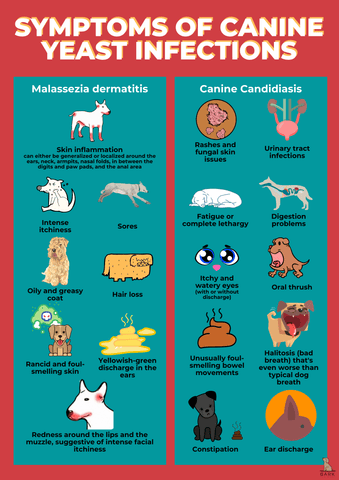
Bacterial or fungal infections can cause itchiness. These infections often occur in warm, moist areas. If not treated, they can worsen and cause more discomfort. Regular vet visits can help diagnose and treat infections early.
Identifying Symptoms
Dogs can’t tell us when something is wrong. It’s up to us to spot the signs. Identifying symptoms of itchy skin is crucial for their comfort. You may notice changes in behavior or physical signs. Understanding these can help provide relief for your furry friend.
Excessive Scratching
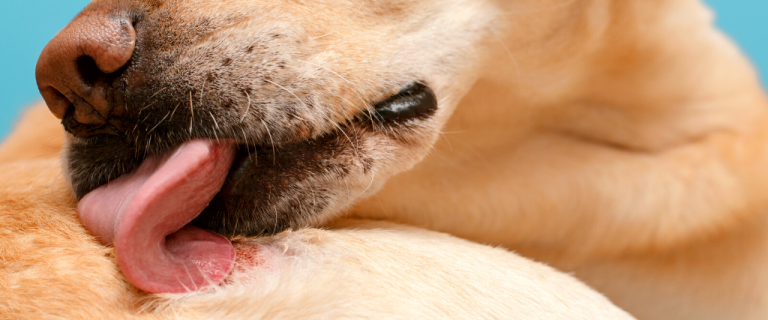
One of the first signs is constant scratching. Dogs may use their paws or rub against surfaces. This can lead to skin damage. Scratching is often a reaction to discomfort or irritation.
Redness And Irritation
Red spots or irritated skin are common symptoms. You might see these around the ears, belly, or paws. Redness can be a sign of allergies or infections. It’s important to address this quickly.
Bald Spots
Hair loss is a noticeable symptom. Bald patches can appear where your dog scratches or bites frequently. This might indicate a more serious skin issue. Monitoring these spots is essential for treatment.
Changes In Behavior
Behavioral changes are also a sign. Your dog might become restless or agitated. They may avoid certain activities they once enjoyed. These shifts often indicate discomfort or stress.
Dietary Adjustments
Adjusting a dog’s diet can help relieve itching skin. Foods rich in Omega-3 fatty acids support skin health. Incorporate fish oil or flaxseed into meals for better results.
Dietary adjustments can help relieve your dog’s itchy skin. By making simple changes, you can improve their comfort and well-being. A well-balanced diet plays a crucial role in maintaining healthy skin. Let’s explore some effective strategies.Elimination Diets
An elimination diet can identify food allergies in dogs. Start by removing common allergens such as beef or chicken. Introduce a single protein source, like fish or lamb. Monitor your dog’s response for several weeks. If symptoms improve, the eliminated food might be the culprit. Gradually reintroduce foods one by one. Observe any reactions closely. This method helps pinpoint specific allergens.Omega-3 Fatty Acids
Omega-3 fatty acids are essential for skin health. They reduce inflammation and itchiness. Incorporate fish oil or flaxseed oil into your dog’s diet. These oils contain high levels of omega-3. You can mix them with your dog’s food. Dosage varies by weight and breed. Consult your vet for guidance. Omega-3 supplements can also be beneficial. Regular intake leads to healthier skin and coat.Hydration Importance
Adequate hydration is vital for skin health. Ensure your dog always has access to fresh water. Dehydration can worsen skin conditions. Moisture-rich foods can aid hydration. Consider wet dog food or add water to dry kibble. Monitor your dog’s water intake closely. Signs of dehydration include dry nose and sunken eyes. Keep your dog well-hydrated for better skin condition.Topical Treatments
Dogs often suffer from itchy skin, causing discomfort and distress. Topical treatments can offer quick relief. They are applied directly to the skin, targeting the affected area. These treatments soothe irritation and reduce inflammation. Let’s explore some effective topical solutions for your furry friend.
Medicated Shampoos
Medicated shampoos are a popular choice for itchy dogs. They cleanse the skin while treating underlying issues. Look for shampoos with ingredients like oatmeal or aloe vera. These ingredients calm and moisturize the skin. Use the shampoo as directed for best results. Be sure to rinse thoroughly to avoid residue.
Soothing Ointments
Ointments provide targeted relief for itchy spots. They form a protective barrier on the skin. This barrier helps lock in moisture and prevent further irritation. Choose ointments with hydrocortisone for its anti-inflammatory properties. Apply a thin layer to the affected area. Monitor your dog to ensure they do not lick it off.
Natural Remedies
Natural remedies are gentle and effective for mild itching. Coconut oil is a popular choice. It moisturizes and has antibacterial properties. Apply it directly to itchy patches. Another option is chamomile tea. Brew a cup and let it cool. Use a cloth to apply it to your dog’s skin. This soothes inflammation and irritation.
Preventive Measures
Regular brushing helps maintain a healthy coat and reduces itching. Use hypoallergenic shampoos for sensitive skin. Omega-3 fatty acids in dog food can improve skin health.
Preventive measures are key to ensuring your furry friend stays itch-free and comfortable. Addressing the root cause of itching can prevent it from becoming a chronic issue. Let’s dive into some practical steps you can take to safeguard your dog’s skin.Regular Grooming
Regular grooming is more than just keeping your dog looking fabulous. It’s about maintaining skin health. Brushing removes dirt, dead skin, and hair, preventing matting that can trap moisture and irritate the skin. Consider scheduling grooming sessions based on your dog’s breed and coat type. A short-haired breed might need less frequent grooming compared to a long-haired one. Also, pay attention to your dog’s reaction. If they seem uncomfortable during grooming, it might be time to switch brushes or adjust your technique.Flea And Tick Control
Fleas and ticks are more than just pesky parasites; they can cause severe itching and allergies. Implement a flea and tick prevention plan tailored to your dog’s lifestyle. Talk to your vet about the best products, whether it be topical treatments or oral medications. Remember, consistency is key—missing a dose can leave your dog vulnerable. Have you noticed your dog scratching excessively after a walk? It might be time to reassess your flea and tick control methods.Environmental Modifications
Your dog’s environment plays a significant role in their skin health. Consider making tweaks to their surroundings to alleviate potential irritants. Start by evaluating your home’s cleanliness. Regularly vacuum and wash bedding to remove allergens and dust mites. Does your dog spend a lot of time outdoors? Ensure your yard is free from plants known to cause skin irritation. These small changes can make a big difference in your dog’s comfort and well-being.
Credit: www.amazon.com
Consulting A Veterinarian
Consulting a veterinarian is often the best course of action when your dog’s itching skin becomes more than just a minor annoyance. While home remedies and over-the-counter solutions can offer some relief, persistent itching can be a sign of underlying health issues. A vet can provide you with a clear diagnosis and a tailored treatment plan that ensures your furry friend gets the care they need.
When To Seek Professional Help
Is your dog scratching incessantly even after trying home remedies? If the itching worsens or leads to open sores, it’s time to consult a vet. You might wonder if the issue is just a minor irritation or something more serious. A professional can help distinguish between common allergies and more severe conditions.
Consider how long the problem has persisted. If it’s been weeks and your dog is still uncomfortable, delaying a vet visit could mean prolonging their discomfort. Your dog’s health should always be a priority, and timely intervention can prevent complications.
Veterinary Tests And Diagnoses
Once at the vet, expect a thorough examination. A veterinarian might perform skin tests, blood work, or even allergy testing. Each test aims to pinpoint the root cause of the itching.
Understanding the diagnosis is crucial. Are the symptoms linked to an allergy, skin infection, or a parasite? Knowing this can help you follow through with the right treatment plan. Ask your vet questions and seek clarity on any medical terms you don’t understand.
Treatment Plans
Treatment plans can vary widely based on the diagnosis. Your vet might recommend medicated shampoos, topical creams, or oral medications. These treatments are designed to address specific causes of itching.
Have you ever wondered about dietary changes? Sometimes, a simple adjustment in diet can alleviate skin issues. Your vet might suggest specific foods or supplements to boost your dog’s skin health.
Follow-up visits are important. Regular check-ups ensure that the treatment is effective and allows for adjustments if necessary. Remember, your dog’s comfort and well-being are paramount, and sticking to the vet’s advice can make a significant difference.
Home Remedies
Oatmeal baths can soothe itchy skin in dogs, offering relief and comfort. Coconut oil applied topically helps moisturize and heal irritated areas. Regular brushing removes loose fur and reduces itchiness, promoting healthier skin.
Home remedies can be a gentle way to relieve your dog’s itching skin. These natural solutions often offer soothing relief and are easy to prepare at home. Providing comfort to your furry friend without harsh chemicals is a priority for many pet owners.Oatmeal Baths
Oatmeal baths can soothe irritated skin quickly. Grind plain oatmeal into a fine powder. Add this powder to your dog’s bathwater. Let your dog soak for 10 minutes. Oatmeal helps reduce inflammation and itching. It forms a protective barrier on the skin. Use lukewarm water for the bath. Hot water can worsen itching.Coconut Oil Applications
Coconut oil is a natural moisturizer. It can help with dry skin and itching. Apply a small amount to the affected areas. Massage gently into the skin. Coconut oil has antibacterial properties. It can also promote healing. Use organic, virgin coconut oil for the best results.Herbal Supplements
Herbal supplements can support skin health from the inside. Consult your vet before introducing new supplements. Many herbs have soothing properties. Chamomile and calendula are popular choices. These herbs can be found in capsules or teas. They help reduce inflammation and support overall health. Always follow recommended dosages.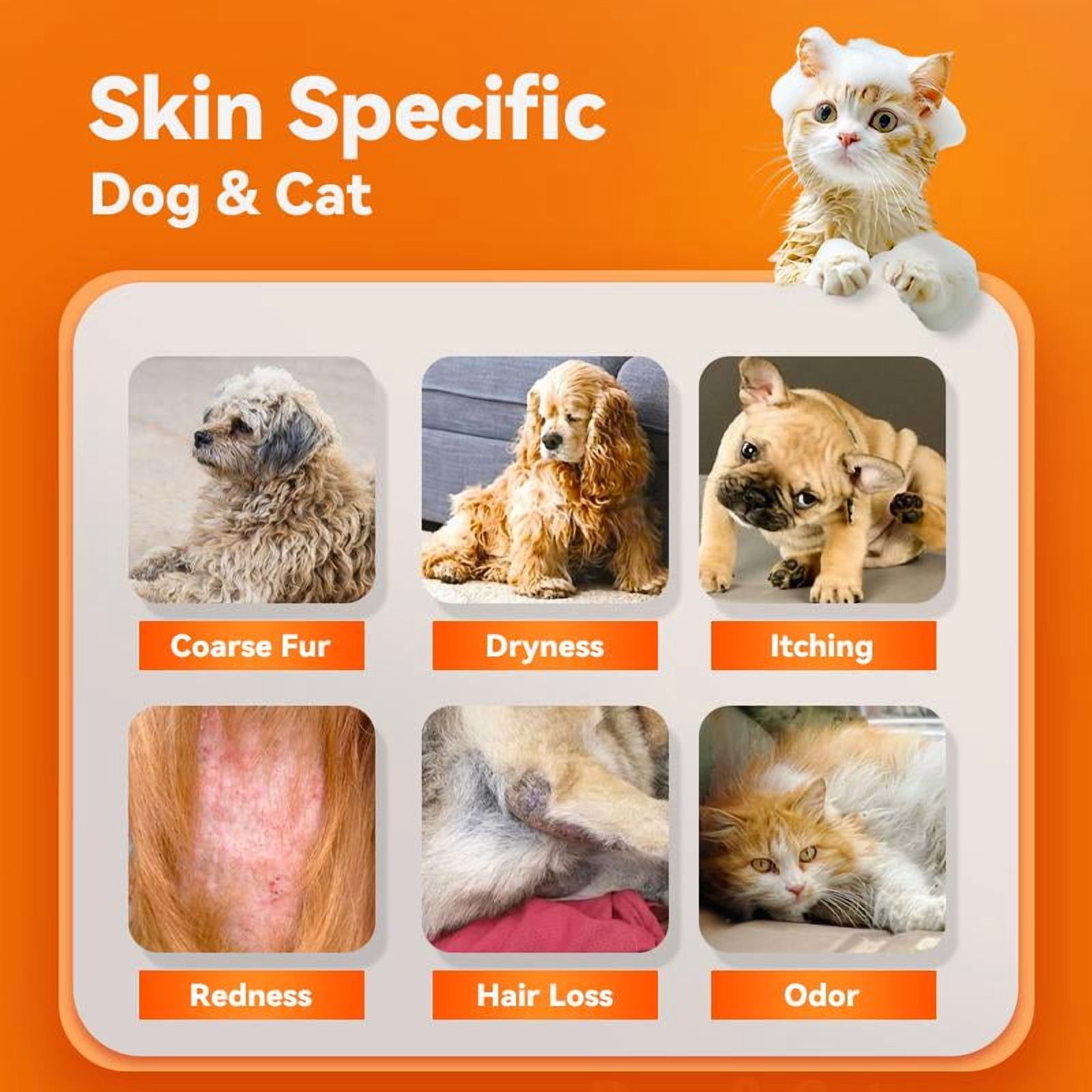
Credit: www.walmart.com
Frequently Asked Questions
What Causes Dogs To Itch Excessively?
Excessive itching in dogs can be caused by allergies, parasites, or skin infections. Environmental factors like pollen or dust may trigger allergies. Fleas and ticks can lead to irritation and scratching. Skin infections, including bacterial or yeast infections, can also result in persistent itching.
Identifying the root cause is essential for effective treatment.
How Can I Soothe My Dog’s Itchy Skin?
To soothe itchy skin, consider using oatmeal baths or hypoallergenic shampoos designed for dogs. Ensure your dog’s diet is rich in omega-3 fatty acids, which promote skin health. Regular grooming helps remove irritants. Consulting a vet is recommended for persistent cases to determine underlying causes and appropriate treatments.
Are There Home Remedies For Dogs’ Itching?
Yes, home remedies like apple cider vinegar sprays can soothe itching. Coconut oil is another natural option to moisturize dry skin. Chamomile tea rinses may provide relief. Always ensure remedies are safe for dogs and consult a vet for persistent issues.
Natural solutions can complement professional treatments for best results.
Can Diet Affect My Dog’s Skin Health?
Absolutely, diet plays a crucial role in skin health. A balanced diet with omega-3 fatty acids supports skin and coat health. Avoiding common allergens like wheat can prevent irritation. Consult a vet to ensure your dog’s diet meets its nutritional needs.
Proper nutrition can significantly reduce skin problems.
Conclusion
Helping your dog with itchy skin is important. Start by identifying the cause. Allergies, parasites, or infections could be the issue. Consult your vet for accurate diagnosis and treatment. Regular grooming helps prevent skin problems. Use mild, hypoallergenic shampoos. Ensure a balanced diet with Omega-3 fatty acids.
Keep your pet’s environment clean and allergen-free. Consider natural remedies like oatmeal baths or coconut oil. Monitor your dog’s skin for changes. Consistency is key for relief. Small steps lead to a happier, itch-free pet. Your furry friend deserves comfort.
Keep their health a priority.